
10 Best DUI Defense Strategies for Implied Consent

When you're facing a DUI charge, understanding the best defense strategies for implied consent can make a significant difference in your case. You should start by challenging the legality of the traffic stop and questioning the accuracy of field sobriety tests. It's also crucial to contest breathalyzer results and consider how medical conditions might mimic signs of intoxication. Examining the officer's training and adherence to protocol can uncover critical errors. But that's just the beginning—there are more tactics to explore that could potentially strengthen your defense and lead to a favorable outcome.

Challenge the Traffic Stop

questioning law enforcement procedures

One of the most effective DUI defense strategies is to challenge the legality of the initial traffic stop. When an officer pulls you over, they must have a reasonable suspicion that you've committed a traffic violation or a crime. If the stop was made without this justification, any evidence gathered, including breathalyzer results, could be deemed inadmissible in court.

Understanding what constitutes reasonable suspicion is crucial. It can't be based on a hunch or a vague feeling. Specific, observable facts like swerving between lanes or running a red light are needed. If your attorney can prove that these conditions weren't met, the prosecution's case weakens significantly.

Moreover, scrutinize the officer's behavior and adherence to protocol. Did they follow proper procedures during the stop? Were you informed about the reason for being pulled over? Any deviations could be used to question the stop's validity.

Question Field Sobriety Tests

After scrutinizing the legality of the traffic stop, it's important to question the reliability and administration of the field sobriety tests. These tests are often subjective and can be influenced by various factors. For instance, the environment where the test was conducted may affect your performance. Uneven pavement, poor lighting, or inclement weather can all skew the results, making it crucial to highlight these conditions.

The officer's instructions and your understanding of them also play a significant role. Miscommunication or unclear directions can lead to an inaccurate assessment of your sobriety. Additionally, medical conditions, fatigue, or even anxiety can impair your ability to perform these tests effectively. It's essential to document any such factors that might've influenced your performance.

Moreover, the officer's training and adherence to standardized testing procedures can come into question. Field sobriety tests are supposed to be administered in a specific manner. Any deviation from these protocols can cast doubt on the validity of the results.

Contest Breathalyzer Accuracy

breathalyzer accuracy contest details

To challenge the accuracy of a breathalyzer, you should scrutinize its calibration and maintenance records, as improper upkeep can lead to faulty readings.

Examine whether the operator followed correct training standards, since untrained personnel can misinterpret results.

Additionally, consider environmental influences like temperature and humidity, which can affect the device's performance.

Calibration and Maintenance Records

Challenging the accuracy of a breathalyzer test often hinges on scrutinizing the device's calibration and maintenance records. If the breathalyzer isn't properly calibrated or maintained, its results can be wildly inaccurate. As a defendant, you've got a right to request these records. If there's any indication that the machine wasn't serviced according to the manufacturer's specifications, it can cast doubt on the reliability of your test results.

Calibration involves setting the breathalyzer to ensure it measures blood alcohol content (BAC) accurately. Regular maintenance checks confirm that all parts are functioning correctly. If records show lapses or irregularities in these areas, it can be a game-changer for your defense. Courts require precise and reliable evidence, so highlighting any discrepancies can undermine the prosecution's case.

Additionally, technicians must follow strict protocols when performing these checks. If the documentation reveals any deviation from standard procedures, it strengthens your argument that the breathalyzer results may be flawed. By methodically dissecting these records, you can create reasonable doubt about the accuracy of the test, which could lead to a reduction in charges or even a dismissal of your case.

Operator Training Standards

When the breathalyzer test's accuracy is under scrutiny, one critical factor to examine is whether the operator received adequate training and certification. If the operator wasn't properly trained, the validity of the breathalyzer results can be questioned. You should investigate whether the person administering the test followed the prescribed procedures and had the necessary qualifications.

Adequate training ensures that the operator understands how to properly calibrate the device, administer the test, and interpret the results. It's essential to cross-check the officer's training records and certifications. If there's any indication of inadequate or outdated training, you've got substantial grounds to contest the breathalyzer results.

In many jurisdictions, specific guidelines dictate the training standards for breathalyzer operators. Failure to adhere to these standards can result in inaccurate readings. You must be thorough in gathering evidence of the operator's training history, including the date and type of training received.

Environmental Influences Impact

Beyond operator training standards, environmental factors can significantly impact the accuracy of breathalyzer results. You should consider the presence of substances like paint fumes, gasoline, or even cleaning products, which can skew readings. Breathalyzers measure alcohol based on chemical reactions, and these volatile organic compounds can interfere, leading to falsely elevated blood alcohol content (BAC) levels.

Temperature variations also play a crucial role. Extreme cold or heat can affect the device's sensors and the chemical reaction process. If you were tested in an environment not within the recommended temperature range, you might have grounds to challenge the results. Additionally, humidity levels can affect the device's ability to measure alcohol accurately, as moisture can impact the sensor's sensitivity.

Another often overlooked factor is radio frequency interference (RFI). Electronic devices, such as police radios or even cell phones, can emit frequencies that interfere with the breathalyzer's electronics, causing inaccurate readings. You should scrutinize the testing environment for potential RFI sources.

Address Medical Conditions

When building your DUI defense, it's crucial to address any medical conditions that could have influenced your behavior or test results.

Documenting your health issues and any medication side effects can provide a compelling explanation for symptoms that might be mistaken for impairment.

This strategy can significantly strengthen your case by clarifying misunderstandings related to your physical state.

Document Health Issues

To effectively challenge a DUI charge, documenting any relevant medical conditions can be crucial to your defense. If you have conditions like diabetes, hypoglycemia, or neurological disorders, they might impact your performance on field sobriety tests or breathalyzer results. These tests often don't distinguish between impairment due to alcohol and symptoms caused by medical issues.

You should gather comprehensive medical records and a statement from your physician explaining how your condition might mimic signs of intoxication. For example, diabetes can lead to ketoacidosis, which produces acetone, potentially causing a false positive on breath tests. Similarly, neurological disorders could affect your balance and coordination, leading to poor performance on field sobriety tests.

Presenting this evidence can create reasonable doubt about the validity of the test results and your alleged impairment. It's essential to consult with your attorney to ensure all relevant medical documentation is meticulously prepared and presented.

The better your medical history is documented, the stronger your defense will be. By highlighting these medical conditions, you make a compelling case that the observed signs of impairment weren't due to alcohol consumption but rather your existing health issues.

Medication Side Effects

Medications you're prescribed can also play a significant role in a DUI defense, as their side effects might mimic or exacerbate signs of intoxication. If you're taking drugs for conditions like anxiety, depression, or even allergies, they can cause symptoms such as dizziness, slurred speech, or impaired motor skills. These symptoms can easily be mistaken for alcohol-induced impairment during a traffic stop.

You should inform your attorney about any and all medications you're taking. Your lawyer can present medical records and expert testimony to demonstrate that your behavior was a result of prescribed medication rather than alcohol consumption. This can create reasonable doubt in the prosecution's case against you.

Moreover, consider keeping a detailed log of your medication intake, including dosage and timing. This documentation can help establish a timeline that correlates your symptoms with your medication schedule, further strengthening your defense.

In some cases, a physician's testimony can be invaluable. A doctor can explain how the side effects of your medication can mimic intoxication signs, making it clear that medical conditions, not alcohol, were responsible for your behavior. This analytical approach can significantly bolster your chances of a favorable outcome.

Examine Officer Training

review training protocols thoroughly

The effectiveness of a DUI defense often hinges on scrutinizing the officer's training and whether they adhered to proper procedures during the arrest.

You need to examine if the arresting officer received adequate training to conduct field sobriety tests and operate breathalyzers. Mistakes can happen if an officer isn't properly trained, leading to inaccurate test results or mishandling of evidence.

Start by requesting the officer's training records and certifications. Look for any gaps or outdated credentials that could indicate insufficient training. Were they trained on the latest DUI detection techniques? If not, their assessment of your impairment might be flawed.

Additionally, verify the officer followed standardized procedures. Any deviation can cast doubt on the reliability of the evidence against you.

You should also focus on the officer's specific training related to recognizing signs of impairment. Misinterpretation of symptoms, such as those caused by medical conditions or fatigue, can lead to wrongful arrests.

By exposing these potential flaws, you can challenge the officer's credibility and the validity of their observations.

In essence, a thorough examination of the officer's training can uncover critical weaknesses in the prosecution's case, boosting your chances for a favorable outcome.

Review Implied Consent Warnings

When reviewing implied consent warnings, you must first understand the legal requirements that officers are obligated to communicate.

Analyzing how the officer delivered these instructions can reveal crucial discrepancies that might strengthen your defense.

Ensure you compare the officer's actions against statutory guidelines to identify any procedural errors.

Understand Legal Requirements

Implied consent warnings are critical to understand because they inform you of your legal obligations and the consequences of refusing a breathalyzer test. When you obtain a driver's license, you implicitly agree to submit to chemical testing if law enforcement suspects you of driving under the influence. These warnings are designed to ensure you're aware that refusal can result in immediate penalties, such as license suspension and other legal ramifications.

Knowing the legal requirements is essential for constructing a solid DUI defense. You must be aware that implied consent laws vary by state, which can affect the specific wording and procedures used by officers. Familiarize yourself with your state's statutes to understand what's legally expected of you during a DUI stop. This knowledge empowers you to make informed decisions and can be crucial if discrepancies in the procedure arise.

Moreover, the clarity and accuracy of the implied consent warning given by law enforcement are pivotal. If the warning wasn't clear or legally compliant, it could be a significant point of contention in your defense. Understanding these legal requirements allows you to scrutinize the process effectively and identify any potential violations that could work in your favor.

Analyze Officer's Instructions

Carefully analyzing the officer's instructions, particularly the implied consent warnings, can uncover procedural errors that may strengthen your DUI defense. When you're pulled over, the officer must inform you of the consequences of refusing a chemical test. This includes potential license suspension and other penalties. If the officer fails to provide these warnings clearly and accurately, it can be a crucial point in your defense.

Listen closely to the wording used by the officer. Any deviation from the standard script or failure to inform you of your rights and the repercussions of refusal can be used to argue that you weren't properly advised. This requirement isn't just a formality; it's a legal obligation designed to protect your rights. An officer's failure to fulfill this duty can result in the invalidation of the test results.

Moreover, assess the timing and context of these warnings. Were you given the opportunity to comprehend and respond to the information? If you were confused, under duress, or the warnings were delivered in a rushed manner, it can further bolster your defense. Meticulously reviewing these details can be the key to challenging the validity of the implied consent process.

Analyze Blood Test Procedures

evaluate blood testing protocols

Understanding the intricacies of blood test procedures is crucial for mounting an effective DUI defense. You'll need to scrutinize every step of the blood test process, from collection to analysis.

First, consider how the blood sample was collected. Was it done by a qualified professional in a sterile environment? Any deviation here can compromise the sample's integrity.

Next, examine the chain of custody. Each person handling the sample must document their involvement. Breaks in this chain can lead to contamination or tampering, casting doubt on the results.

Also, look into the storage conditions. Blood samples should be stored at specific temperatures to prevent fermentation, which can artificially inflate blood alcohol content.

It's also essential to review the calibration and maintenance records of the testing equipment. Instruments that aren't regularly maintained can produce inaccurate results.

Additionally, request the testing lab's accreditation details. Labs must follow stringent guidelines, and lapses in protocol can render the results inadmissible.

Check for Rights Violations

When building a DUI defense, it's imperative to scrutinize whether your rights were violated at any point during the arrest process. From the initial stop to the final booking, any deviation from protocol could significantly impact your case. Police officers must have a valid reason, or 'probable cause,' to pull you over. If they didn't, any evidence gathered might be inadmissible.

Next, consider whether your Miranda rights were read to you in a timely manner. If you weren't informed of your right to remain silent and to have an attorney present, statements you made could be excluded from evidence.

Additionally, pay attention to how field sobriety tests were administered. Officers must follow specific guidelines; failing to do so can call the results into question.

You also have the right to refuse certain tests, though this refusal can have its own repercussions. Any coercion or failure to inform you of the consequences of refusal is a critical violation.

Analyze video footage, if available, to verify the officer's conduct. Rights violations aren't just technicalities; they're fundamental safeguards that ensure a fair process. Identifying these breaches can strengthen your defense and potentially lead to a dismissal of charges.

Present Alternative Explanations

offer different interpretations

To mount a strong DUI defense, consider presenting alternative explanations for the observed behavior or test results. For instance, if you exhibited erratic driving, argue that fatigue, a medical condition, or even a momentary distraction caused the behavior. Highlighting these factors can cast doubt on the assumption that you were under the influence.

When it comes to breathalyzer or blood test results, challenge their accuracy. Breathalyzers can yield false positives due to factors like mouthwash, certain foods, or even medical conditions such as acid reflux. Expert testimony can be invaluable in demonstrating these alternative explanations. Similarly, question the handling and storage of blood samples. If they weren't managed correctly, the results could be compromised.

Moreover, stress that field sobriety tests aren't foolproof. Poor weather conditions, uneven surfaces, or physical disabilities can all lead to poor performance, unrelated to alcohol consumption. By presenting credible, alternative explanations, you'll create reasonable doubt about the prosecution's claims.

In essence, methodically dismantling the prosecution's evidence with plausible, alternative scenarios can significantly strengthen your DUI defense. This approach not only showcases your critical thinking but also underscores the complexities involved in DUI cases.

Negotiate Plea Bargains

Negotiating plea bargains can be a strategic move to minimize the penalties associated with a DUI charge. By opting for a plea deal, you may be able to reduce the charges or penalties you face. This approach can save you time, money, and stress.

When you negotiate a plea bargain, you're essentially seeking a compromise that benefits both you and the prosecution. Often, prosecutors are willing to negotiate to avoid the time and expense of a trial.

A plea bargain might involve pleading guilty to a lesser charge, such as reckless driving, which usually carries lighter penalties than a DUI. It could also mean accepting certain penalties in exchange for the dismissal of other charges.

To negotiate effectively, you need a clear understanding of the strengths and weaknesses of your case. A skilled DUI attorney can provide this insight and advocate on your behalf.

Conclusion

You're now equipped with the top strategies to tackle DUI charges under implied consent.

By challenging the traffic stop, questioning field tests, and scrutinizing breathalyzer and blood test accuracy, you can create a robust defense.

Don't forget to address medical conditions, review officer training, and check for rights violations.

Present alternative explanations and consider negotiating plea bargains.

These tactics can significantly impact your case, ensuring a fair trial and the best possible outcome.


Consequences of Implied Consent Law Violations

When you violate implied consent laws, you're immediately facing a cascade of serious consequences. Your license could be suspended on the spot, and you might have to pay hefty fines. Criminal charges are also a real possibility, affecting your legal record and future opportunities. Moreover, your insurance rates will skyrocket, classifying you as a high-risk driver and straining your finances for years. And let's not forget the ignition interlock device you'll need to install in your car, adding both cost and inconvenience. So, what happens next when you find yourself entangled in these repercussions?

License Suspension

driving privileges revoked temporarily

When you violate implied consent laws, your driver's license will be swiftly suspended. Refusing to take a breathalyzer or other chemical tests when suspected of driving under the influence triggers this consequence. The suspension period can vary based on jurisdiction and prior offenses, usually ranging from six months to a year for first-time offenders.

This administrative action is immediate and separate from any criminal proceedings. You won't have the luxury of waiting for a court date; the suspension is automatic upon refusal. You'll receive a notice of suspension, often at the time of refusal, and will be required to surrender your license.

You can request a hearing to contest the suspension, but this must be done promptly, typically within a short window such as ten to fifteen days. During this hearing, the burden of proof is on you to show that the officer lacked reasonable grounds to request the test or that you didn't refuse.

Understanding these procedures is crucial. The laws are designed to deter impaired driving and ensure compliance with testing requirements. Your compliance—or lack thereof—directly impacts your driving privileges and legal standing.

Monetary Fines

Facing monetary fines for violating implied consent laws adds a significant financial burden alongside the immediate license suspension. When you refuse a blood, breath, or urine test, you're likely to incur hefty fines. These fines vary by jurisdiction but often range from hundreds to thousands of dollars. This financial penalty is designed to deter individuals from refusing chemical tests, thereby promoting compliance with DUI enforcement efforts.

Moreover, these fines don't just impact your wallet immediately; they can have longer-term financial consequences. You may face increased auto insurance premiums, as insurers view such violations as high-risk behavior. Additionally, failing to pay these fines can lead to further legal complications, including potential civil judgments and wage garnishments.

Understanding the scope of these fines is crucial. They aren't one-time payments but can be part of a series of escalating costs, including administrative fees and potential court costs. These penalties underscore the seriousness with which implied consent laws are enforced. By refusing a test, you're not just risking your driving privileges but also inviting significant financial repercussions.

Therefore, it's essential to weigh these potential costs when considering your actions during a DUI stop.

Criminal Charges

legal accusations and prosecution

In addition to financial penalties, violating implied consent laws can also lead to severe criminal charges that carry long-term legal ramifications. If you refuse to submit to a chemical test, you might face charges such as obstruction of justice or driving under the influence (DUI). These charges are often compounded by prior offenses, potentially escalating from misdemeanors to felonies.

Courts interpret refusal as a sign of guilt, leading to harsher sentencing. You could face jail time, community service, or mandatory attendance in alcohol education programs. The duration of these penalties varies by jurisdiction but often includes minimum mandatory sentences for repeat offenders.

Additionally, a criminal record from these charges can affect your future opportunities. Employment prospects may diminish, and you could lose professional licenses, especially in fields requiring a clean driving record. Travel restrictions might also be imposed, limiting your ability to visit certain countries.

Legal defenses can be complex, often requiring the expertise of a seasoned attorney. They might argue procedural errors or challenge the validity of the initial traffic stop. However, the burden of proof lies heavily on the defendant, making it imperative to understand the gravity of implied consent law violations.

Increased Insurance Rates

Violating implied consent laws almost always results in increased insurance rates, significantly impacting your financial stability. When you refuse a breathalyzer or blood test, insurers view this as a heightened risk factor. They often categorize you as a high-risk driver, leading to a dramatic hike in your premiums.

Insurance companies base their rates on risk assessment models. By violating implied consent laws, you signal non-compliance and potential recklessness. Consequently, your insurance provider recalculates your risk profile, leading to higher costs. These increased rates can persist for several years, making it difficult to manage your budget and savings.

Moreover, the rise in premiums isn't uniform. Various factors influence the extent of the increase, including your driving history, age, and the specific policies of your insurer. Therefore, your financial burden could vary significantly.

Some insurers may even cancel your policy altogether, forcing you to seek coverage from high-risk insurance providers, which are substantially more expensive.

Ignition Interlock Device

breathalyzer for driving safety

Another significant consequence of violating implied consent laws is the mandatory installation of an Ignition Interlock Device (IID) in your vehicle.

An IID is a breathalyzer connected to your car's ignition system. Before starting your vehicle, you'll need to blow into the device. If it detects alcohol above a preset limit, your car won't start. This measure aims to prevent repeat offenses and ensure public safety.

You'll also face additional costs with an IID. Installation fees range from $70 to $150, and monthly maintenance costs can be between $60 and $80. These expenses can add up, significantly impacting your finances. Additionally, you must adhere to a strict schedule for recalibration and maintenance, which can be inconvenient and time-consuming.

An IID requirement can affect your daily life and career. You might need to explain your situation to employers or find alternative transportation methods if your job requires driving.

Additionally, non-compliance with IID regulations can result in further penalties, including extended periods of device installation and increased fines.

Conclusion

If you violate implied consent laws, you'll face immediate license suspension, substantial fines, and potential criminal charges.

Your insurance rates will spike, branding you as a high-risk driver, which can strain your finances for years.

Additionally, you'll likely need to install an ignition interlock device, adding to your expenses and hassle.

These penalties profoundly affect your personal and professional life, underscoring the importance of understanding and adhering to these laws.

What Are Implied Consent DUI Laws by Region?

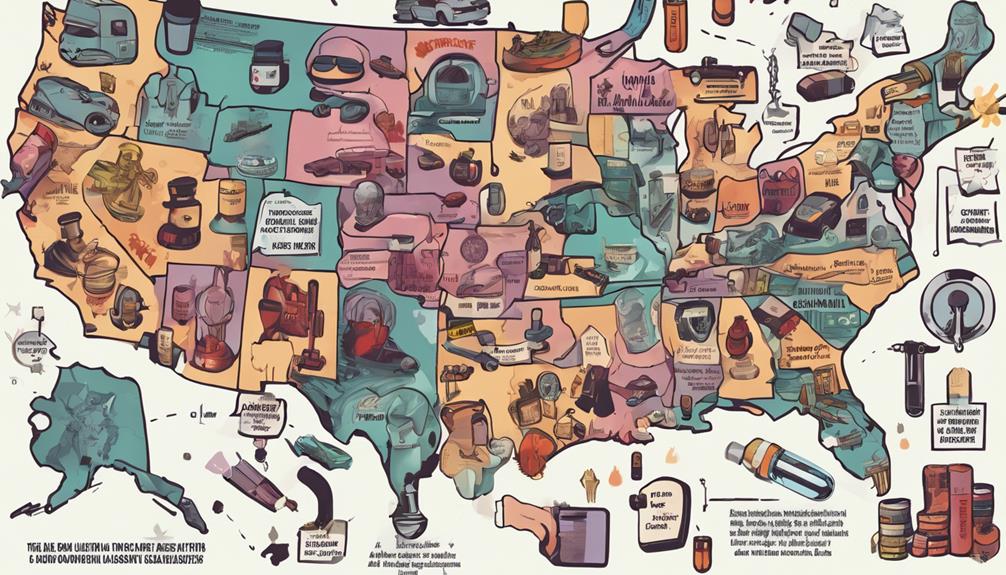
When you consider implied consent DUI laws, it's essential to recognize that they vary significantly across different regions. These laws require you to submit to chemical tests if you're suspected of driving under the influence. Refusing can lead to immediate penalties like license suspension and fines, which differ by state. For instance, in some states, your first refusal might result in a one-year suspension, while repeat offenses can bring even harsher consequences. Understanding these regional differences can be crucial, especially if you travel frequently. Curious about how your state compares?

Implied Consent in the Northeast

northeast implied consent laws

In the Northeast, implied consent laws require drivers to submit to chemical tests if law enforcement suspects them of driving under the influence. These laws mean that by merely operating a vehicle, you've already agreed to undergo testing for blood alcohol content (BAC) or the presence of drugs. The rationale behind these laws is to deter impaired driving and streamline the process of collecting evidence.

If you refuse a chemical test in this region, you'll face immediate consequences. Penalties typically include automatic license suspension, fines, and possible ignition interlock device installation. The duration of license suspension varies by state but can range from several months to over a year for first-time offenders.

Moreover, refusal to submit to testing can be used against you in court. Prosecutors may argue that your refusal implies consciousness of guilt, which can influence the outcome of your case. Additionally, you might still be charged with DUI based on other evidence, such as erratic driving or failed field sobriety tests.

Implied consent laws in the Northeast are stringent to reinforce road safety and ensure that impaired drivers are held accountable. Understanding these laws is crucial if you want to avoid severe legal repercussions.

Southern States' DUI Regulations

Southern states enforce DUI regulations that often include implied consent laws, mandatory penalties, and specific legal procedures to combat impaired driving. When you drive in these states, you're implicitly agreeing to submit to chemical tests if law enforcement suspects you're impaired. Refusal to comply typically results in immediate penalties such as license suspension, which can last from several months to over a year, depending on the state and your driving history.

In states like Georgia and Texas, you'll encounter stringent measures. Georgia imposes a one-year license suspension for first-time refusal, while Texas mandates a 180-day suspension for the same. Additionally, these states often have zero-tolerance policies for underage drivers and enhanced penalties for higher blood alcohol concentrations (BAC).

Legal procedures also play a critical role. For instance, in Florida, officers must inform you of the consequences of refusal before administering a test. Failure to do so can lead to evidence being inadmissible in court. Furthermore, many Southern states employ administrative license revocation (ALR) programs, which allow for immediate suspension of your driving privileges upon refusal or failure of a chemical test.

Understanding these regulations helps ensure you're fully aware of the legal landscape and potential consequences surrounding DUI enforcement in the Southern United States.

Midwest Implied Consent Overview

midwest consent law summary

Midwestern states' implied consent laws require you to submit to chemical tests when suspected of DUI, with stringent penalties for refusal. If you're driving in states like Illinois, Michigan, or Ohio, you automatically consent to blood, breath, or urine tests to determine your blood alcohol content (BAC) or drug levels. Refusing these tests can lead to immediate administrative penalties, such as the suspension of your driving privileges.

In Illinois, for instance, refusing a chemical test on your first offense results in a one-year license suspension. Subsequent refusals can lead to longer suspensions and mandatory alcohol education programs.

Michigan enforces similar penalties, where a refusal leads to a one-year suspension for the first offense and two years for subsequent offenses. Additionally, you'll face six points added to your driving record.

Ohio takes a slightly different approach but maintains strict consequences. Refusal results in a one-year suspension for the first offense. Repeat refusals can escalate to two years or more, coupled with mandatory substance abuse assessments.

These laws aim to deter impaired driving by ensuring compliance with chemical testing. Non-compliance not only affects your driving record but also imposes significant legal and financial consequences. Understanding these regulations helps you make informed decisions and comply with state laws.

Western States DUI Laws

Western states enforce rigorous DUI laws, with implied consent statutes mandating that drivers comply with chemical testing or face severe penalties.

If you're driving in states like California, Arizona, or Nevada, be aware that refusing a breathalyzer or blood test can lead to immediate consequences. For instance, California enforces a one-year license suspension for a first refusal, escalating with subsequent offenses.

In Arizona, refusal results in a 12-month suspension, increasing to 24 months if you've had prior DUI offenses. These states don't take refusal lightly because compliance is integral to their strategy for deterring drunk driving. Nevada follows a similar approach, imposing a one-year suspension for a first refusal.

Additionally, these states often enhance penalties if you're found guilty of DUI after initially refusing the test. This means that non-compliance not only results in administrative penalties but can also worsen criminal charges.

States ensure that drivers understand the legal consequences by requiring officers to inform you of the penalties for refusal at the time of the stop.

Pacific Northwest Regulations

pacific northwest environmental policies

In the Pacific Northwest, states like Washington, Oregon, and Idaho enforce implied consent laws with specific penalties for refusing chemical tests during DUI investigations.

If you're driving in Washington, refusing a breathalyzer or blood test results in an automatic license suspension of one year for the first refusal. Subsequent refusals can lead to longer suspensions and mandatory ignition interlock device (IID) installation upon reinstatement of driving privileges.

Oregon's implied consent laws are similarly stringent. Refusing a chemical test there leads to a one-year license suspension for the first offense. Additionally, you'll face fines and a mandatory one-year IID requirement once your license is reinstated. Multiple refusals can result in harsher penalties, including longer suspension periods and increased fines.

Idaho also enforces strict penalties for refusal. If you refuse a chemical test, you'll face a one-year license suspension for the first refusal, with no eligibility for a restricted permit during that time. Subsequent refusals can result in extended suspensions and additional fines.

These states aim to deter refusals by imposing penalties that significantly impact your driving privileges and financial situation. By understanding these regulations, you'll be better prepared to navigate the legal landscape of DUI enforcement in the Pacific Northwest.

Mountain States Implied Consent

Navigating the implied consent laws in the Mountain States requires understanding the unique penalties each state imposes for refusing a chemical test during a DUI investigation.

In Colorado, if you refuse a breath or blood test, you face an immediate one-year license suspension and mandatory installation of an ignition interlock device for two years upon reinstatement.

Utah, known for its strict DUI laws, imposes an 18-month license suspension for a first refusal, increasing to 36 months for subsequent refusals.

In Montana, refusal to submit to a chemical test results in a six-month license suspension for a first offense. If it happens again within five years, the suspension period extends to one year.

In Wyoming, a first refusal triggers a six-month suspension, while a second refusal within ten years results in an 18-month suspension.

Idaho's implied consent law mandates a one-year suspension for the first refusal and a two-year suspension for subsequent refusals.

Each Mountain State has specific administrative and criminal penalties, emphasizing the severe consequences of refusing a chemical test. Understanding these differences will help you navigate the legal landscape more effectively if you're ever involved in a DUI investigation in this region.

Implied Consent in the Southwest

southwest implied consent laws

Understanding implied consent laws in the Southwest requires a detailed look at the specific statutes and penalties each state enforces for refusing a chemical test during a DUI investigation.

In Arizona, if you refuse a breath, blood, or urine test, your license will be suspended for 12 months on the first refusal and for 24 months if it's a subsequent refusal within 84 months.

New Mexico's laws stipulate a one-year license revocation for the first refusal. If you refuse a second time within 20 years, the penalty is a two-year revocation.

Texas mandates that refusing a chemical test results in a 180-day suspension for a first offense. For subsequent refusals, the suspension extends to two years. Additionally, refusal can be used as evidence against you in court.

In Nevada, refusing a test leads to a one-year license revocation for the first offense and a three-year revocation for subsequent refusals.

These states also impose additional fines and penalties, such as mandatory alcohol education programs.

Each state's approach emphasizes the importance of compliance with implied consent laws to avoid severe administrative and legal consequences. Analyzing these regional statutes reveals a clear intent to discourage refusal and enhance public safety.

DUI Laws in the Great Plains

When considering DUI laws in the Great Plains, you should understand the specific Blood Alcohol Concentration limits set by each state.

You'll also need to be aware of the penalties for refusing a chemical test, as these can vary significantly.

Additionally, each state has its own testing procedure requirements that must be followed.

Blood Alcohol Concentration Limits

How do Blood Alcohol Concentration (BAC) limits vary across the Great Plains states? In the Great Plains, states like Kansas, Nebraska, North Dakota, and South Dakota adhere to a standard BAC limit of 0.08% for drivers aged 21 and over. This uniformity simplifies understanding but doesn't mean there aren't nuances.

For commercial drivers, the BAC limit is stricter at 0.04%, reflecting the higher responsibility carried by those operating large vehicles. Young drivers face a zero-tolerance policy; if you're under 21, any detectable BAC typically results in penalties. These thresholds are designed to mitigate the risks associated with impaired driving and promote road safety.

It's also worth noting that enhanced penalties exist for higher BAC levels. In North Dakota, for instance, a BAC of 0.16% or higher can lead to more severe consequences compared to a BAC just above the legal limit. These heightened penalties aim to discourage extreme intoxication behind the wheel.

Understanding these BAC limits is crucial for compliance and safety. Whether you're a resident or just passing through, knowing the specific regulations in each state can help you make informed choices and avoid legal complications.

Penalties for Refusal

While knowing the BAC limits is important, refusing a breathalyzer or chemical test in the Great Plains states carries its own severe penalties.

In states like Kansas, Nebraska, and North Dakota, implied consent laws mean you automatically agree to testing when you drive. Refusal triggers administrative penalties that are immediate and strict.

For example, in Kansas, refusing a test results in a one-year license suspension for a first offense. Nebraska imposes a similar one-year suspension but adds a mandatory ignition interlock device if you wish to drive during a probationary period. North Dakota also enforces a one-year suspension and can extend penalties based on prior offenses.

Beyond suspensions, refusal can exacerbate legal consequences. Courts may view refusal as an admission of guilt, leading to harsher sentences if you're convicted of a DUI. Additionally, refusal can add to your criminal record, complicating future legal and employment opportunities.

Testing Procedure Requirements

Drivers in the Great Plains must adhere to strict protocols for breathalyzer and chemical testing to ensure the validity and legality of the DUI process.

When you're pulled over on suspicion of DUI, law enforcement officers will first administer a field sobriety test. If you fail or refuse this test, you're typically required to take a breathalyzer test. It's essential that the device is calibrated correctly and the officer administering it is certified, as these factors affect the test's admissibility in court.

If a breathalyzer test isn't available or if further verification is needed, you might be subjected to blood or urine tests. These chemical tests must be conducted in a controlled environment, often at a medical facility. The sample collection, handling, and analysis procedures must follow specific guidelines to prevent contamination or tampering.

In the Great Plains, the chain of custody for these samples is crucial. Every person who handles the sample must document their involvement to ensure the integrity of the evidence. Failing to adhere to these procedures can result in the test results being challenged in court, potentially weakening the prosecution's case.

Conclusion

In reviewing implied consent DUI laws by region, you can see significant variations in penalties and enforcement.

Understanding these differences is crucial for navigating legal expectations while driving.

Each region tailors its regulations to enhance road safety and deter impaired driving.

By staying informed about local laws, you can avoid severe consequences like license suspension and fines.

Ultimately, these laws underscore the importance of accountability and responsibility on the road.

What Happens If You Refuse a DUI Test?

When you refuse a DUI test, you're not just saying no to a breathalyzer; you're inviting a slew of immediate and long-term consequences. Your driver's license can be suspended on the spot, and this suspension might last from several months to a year. But that's just the beginning. Legal penalties such as fines and potential jail time loom large, and your refusal could be seen as an admission of guilt, affecting your criminal record and insurance rates. Curious about how these repercussions unfold and what legal rights you have in this situation?

Understanding Implied Consent

consent without explicit agreement

In most jurisdictions, by obtaining a driver's license, you've agreed to implied consent laws, meaning you must submit to chemical tests if suspected of DUI. These laws are designed to facilitate the enforcement of drunk driving regulations and ensure public safety.

The argument behind implied consent is straightforward: when you drive, you implicitly agree to certain conditions, including testing for blood alcohol content (BAC). Refusing to comply with these tests can trigger immediate legal consequences, which we'll explore in another section.

Implied consent laws aren't arbitrary. They've been established to create a legal obligation that supports effective DUI enforcement. By driving on public roads, you're entering a social contract that prioritizes safety over individual preferences.

Refusal to submit to a chemical test not only disrupts this balance but can also be interpreted as an attempt to evade the law. Courts generally uphold implied consent statutes, recognizing their crucial role in combating impaired driving.

Therefore, understanding your obligations under these laws is essential. Ignorance of this legal framework won't excuse non-compliance, and the ramifications of refusal can be severe, impacting your legal standing and driving privileges.

Immediate License Suspension

Refusing a DUI test can lead to the immediate suspension of your driver's license, a measure intended to swiftly address potential threats to public safety. When you decline to submit to a Breathalyzer or other chemical test, you're essentially violating implied consent laws that you agreed to when you obtained your license. These laws are in place to encourage compliance and ensure that impaired drivers are identified and removed from the road promptly.

Upon refusal, law enforcement officers have the authority to confiscate your license on the spot. This action isn't discretionary; it's a mandated response designed to prevent you from continuing to drive under potentially impaired conditions. The immediate suspension can last for a specific period, often ranging from several months to a year, depending on state regulations and whether it's a first or subsequent offense.

You'll receive a notice of suspension, which serves as both a temporary license and a formal notification of your suspension period. It's crucial to understand that this suspension is administrative and separate from any criminal charges you might face later. By refusing the test, you trigger an automatic administrative penalty that underscores the seriousness of driving under the influence.

Legal Penalties and Fines

consequences for legal violations

Beyond the immediate license suspension, refusing a DUI test also subjects you to significant legal penalties and fines. You're not just looking at a simple slap on the wrist; the law mandates severe repercussions. In many jurisdictions, refusing a chemical test results in automatic fines that can reach substantial amounts. These fines are separate from any other penalties you might face if convicted of DUI.

Moreover, you could face mandatory jail time. Many states impose minimum incarceration periods for refusal, especially if it's not your first offense. Additionally, refusal can escalate the charges against you, leading to aggravated circumstances that warrant harsher sentencing.

Failure to comply with DUI testing protocols may also result in compulsory attendance at alcohol education or treatment programs. These programs often come with their own hefty costs, adding to your financial burden.

Impact on Criminal Record

A refusal to take a DUI test can significantly mar your criminal record, often resulting in charges that follow you for years. When you refuse, authorities may interpret this action as an admission of guilt, leading to additional charges. These charges aren't trivial; they're often classified as misdemeanors or even felonies, depending on your jurisdiction and prior record.

Your criminal record won't just reflect a refusal; it will likely include the implied consent violation, which many courts and employers view unfavorably. This mark on your record can impact background checks, making it harder to secure employment or housing. Additionally, multiple refusals can escalate the severity of penalties, leading to harsher consequences each time.

The ripple effects extend into your personal life, tarnishing your reputation and eroding trust. If you're involved in child custody disputes, a tarnished record could be used against you, affecting your parental rights.

The legal landscape is unforgiving when it comes to DUI refusals. Prosecutors often pursue these cases aggressively, aiming for convictions that leave lasting marks on your record.

In essence, refusing a DUI test compounds legal issues and inflicts long-term damage on your criminal record, making it a decision with far-reaching implications.

Insurance Consequences

impact of insurance decisions

Insurance companies don't take kindly to DUI test refusals, often leading to skyrocketing premiums and potential policy cancellations. When you refuse a DUI test, insurers interpret this as a red flag. They assume you might be hiding a more severe issue or trying to evade the law. Consequently, your perceived risk level increases, and so do your insurance premiums.

Refusing a DUI test can lead to an administrative license suspension, which insurers view negatively. They'll likely label you as a high-risk driver, resulting in significantly higher premiums. In some cases, your current insurer might even cancel your policy, forcing you to seek out more expensive, high-risk insurance providers.

Furthermore, insurance companies often require you to file an SR-22 form, certifying you carry the minimum required liability insurance. This process can be both time-consuming and costly. The SR-22 requirement can last for several years, during which your insurance costs will remain elevated.

Ultimately, refusing a DUI test can have long-lasting financial repercussions. The increased premiums and potential policy changes add a significant burden, making it clear that the decision to refuse a DUI test is fraught with substantial insurance consequences.

Conclusion

In conclusion, refusing a DUI test isn't just a minor inconvenience; it's a decision that can have severe legal and financial consequences.

You'll face immediate license suspension, hefty fines, and potential jail time.

This refusal can tarnish your criminal record and significantly hike your insurance premiums.

Essentially, by refusing, you're inviting a cascade of penalties that can linger for years.

It's crucial to understand that cooperation might mitigate some of these harsh repercussions.

Impact of Implied Consent on DUI Charges

When you get behind the wheel, you may not realize you've already agreed to certain conditions, thanks to implied consent laws. These laws mean that by simply having a driver's license, you've consented to chemical testing if suspected of DUI. Refusing a breathalyzer or blood test can lead to automatic penalties, such as license suspension or fines. This refusal can also be used against you in court, potentially strengthening the prosecution's case. So, what exactly are your rights, and how can you effectively navigate this legal landscape when facing DUI charges?

Definition of Implied Consent

assumed agreement without explicit consent

Implied consent refers to the legal principle where, by obtaining a driver's license, you automatically agree to submit to chemical testing if law enforcement suspects you of driving under the influence. This concept means that simply by choosing to drive on public roads, you've already granted permission for blood, breath, or urine tests to determine your sobriety.

Understanding implied consent is crucial for drivers. It's vital to recognize that refusal to undergo testing can lead to severe consequences, including immediate license suspension and other legal penalties. This isn't just a procedural formality; it's a binding agreement with significant implications for your rights and freedoms.

If you're facing a DUI charge, knowing this principle can dramatically shape your defense strategy. You can't ignore the reality that implied consent laws are designed to deter impaired driving and promote public safety. However, it's also important to remember that these laws aren't infallible. There may be grounds to challenge the validity of the testing or the manner in which it was conducted.

In DUI cases, protecting your rights requires a nuanced understanding of implied consent. An experienced advocate can help you navigate this complex landscape, ensuring your defense is both robust and informed.

Legal Basis for Implied Consent

The legal basis for implied consent is often rooted in state statutes that aim to enhance road safety by mandating chemical testing for suspected impaired drivers. When you obtain a driver's license, you agree to these terms. It's like a contract: you're granted the privilege to drive, but in return, you consent to testing if law enforcement suspects you're under the influence. This preemptive agreement aims to deter impaired driving and streamline the process of identifying and prosecuting offenders.

From a legal standpoint, implied consent laws serve a critical public interest. They provide law enforcement with the necessary tools to immediately assess a driver's sobriety, reducing the time and uncertainty associated with obtaining voluntary compliance. These statutes are designed to strike a balance between individual rights and public safety. By agreeing to these conditions, you're contributing to a safer driving environment for everyone.

Moreover, refusing a chemical test can have immediate legal consequences, such as license suspension or fines, reinforcing the importance of compliance. The legal framework behind implied consent ensures that the roads are safer by holding drivers accountable and making DUI laws more enforceable.

Don't underestimate the impact of these laws—they're essential for maintaining order and safety on the roads.

States With Implied Consent Laws

implied consent law states

You should know that most states enforce implied consent laws, which mandate that drivers submit to breathalyzer tests when suspected of DUI.

Refusing the test can lead to severe penalties, including license suspension and hefty fines.

Understanding how these laws vary by state can significantly impact your defense strategy.

Breathalyzer Test Requirements

Many states enforce implied consent laws, mandating that drivers submit to a breathalyzer test when lawfully arrested for suspected DUI. By simply operating a vehicle, you've already agreed to this requirement. This is crucial to understand because refusal to comply can significantly impact your legal standing and defense options.

First, the breathalyzer test is a critical tool for law enforcement to measure your blood alcohol content (BAC). If your BAC is above the legal limit, it provides concrete evidence that can be used against you in court. Understanding this, you should know that compliance—or lack thereof—directly influences the trajectory of your case.

Moreover, the conditions under which these tests are administered can vary. Some states may require the test to be conducted on the spot, while others may allow for transport to a station for more accurate testing. Knowing the specific requirements in your state can empower you to make informed decisions and better prepare your defense.

Penalties for Refusal

Refusing a breathalyzer test under implied consent laws often triggers severe penalties that can exacerbate your legal troubles. In states with these laws, your refusal can lead to immediate administrative consequences. You could face an automatic suspension of your driver's license, which can last anywhere from a few months to over a year, depending on your state and prior offenses. This suspension is typically non-negotiable and starts quickly after your refusal.

Furthermore, a refusal can be used against you in court. Prosecutors often argue that your refusal indicates a consciousness of guilt, making it more challenging to defend against DUI charges. You might also face hefty fines and be required to attend mandatory alcohol education or treatment programs. In some states, refusal can even result in jail time, especially if it's not your first offense.

Given the complexities and harsh penalties associated with refusal, it's crucial to understand your rights and the potential ramifications. Consulting with a DUI attorney can provide invaluable guidance. They can help you navigate the legal maze and work to mitigate the severe consequences that come with refusing a breathalyzer under implied consent laws.

Breathalyzer and Blood Tests

When you're stopped on suspicion of DUI, understanding the legal requirements for breathalyzer tests is crucial.

Blood tests, while often more accurate, also come with their own set of legal standards and potential for error.

It's essential to know your rights and the implications of these tests to effectively challenge any DUI charges you may face.

Breathalyzer Legal Requirements

Understanding the legal requirements for breathalyzer and blood tests is crucial for anyone facing DUI charges, as these tests directly impact the evidence against you. When you're stopped for suspected DUI, law enforcement must follow strict protocols to ensure the results are admissible in court.

First, the officer must have reasonable suspicion to initiate the stop and probable cause to request a breathalyzer test. They should inform you of the implied consent law, which means by driving on public roads, you've consented to these tests. If they fail to follow these procedures, the breathalyzer results can be challenged.

Next, the breathalyzer device itself must be properly calibrated and maintained. Officers must complete the test according to standardized guidelines, including observing you for at least 15 minutes before the test to ensure no substances interfere with the results. Any deviation from these protocols can invalidate the test.

Blood Test Accuracy

Accurate blood tests are critical in DUI cases because they provide a precise measurement of blood alcohol concentration (BAC), which directly impacts the strength of the prosecution's evidence.

When you're facing DUI charges, the accuracy of your blood test can be the difference between conviction and acquittal. Blood tests, unlike Breathalyzers, measure the exact amount of alcohol in your bloodstream, offering a more reliable metric for your BAC. This precision is essential for ensuring that the charges against you are based on fact, not faulty equipment or procedural errors.

However, the accuracy of blood tests isn't infallible. Lab technicians must follow stringent protocols to avoid contamination, incorrect labeling, or improper storage of blood samples. Any deviation can skew results, potentially leading to wrongful convictions. You have the right to challenge the accuracy of your blood test, scrutinizing every step from the moment your blood was drawn to its analysis in the lab.

Breathalyzers, while quicker, are more prone to error due to factors like calibration issues or interference from other substances.

Refusal Penalties

consequences for denial actions

Refusing a breathalyzer test under implied consent laws can result in severe penalties that significantly impact your driving privileges and legal standing.

When you refuse to take a breathalyzer test, it's not just a simple choice; it's a legal decision with substantial consequences. Courts and law enforcement view refusal as a deliberate act to obstruct justice. This refusal can lead to immediate and automatic penalties, including fines, mandatory DUI education programs, and even jail time in some jurisdictions.

Additionally, refusal can be used as evidence against you in court, bolstering the prosecution's case. The rationale is straightforward: if you weren't intoxicated, why refuse the test? Prosecutors can argue that your refusal indicates a consciousness of guilt, and juries often find this argument compelling.

Moreover, the penalties for refusal are often harsher than those for failing the test. Legislatures have designed these laws to encourage compliance and deter individuals from trying to evade DUI enforcement. So, while you might think refusing a breathalyzer test will help you avoid immediate DUI charges, it often leads to more severe repercussions.

Impact on Driver's License

When you refuse a breathalyzer test, the immediate consequence is often the suspension of your driver's license. This happens because of implied consent laws, which state that by driving, you agree to submit to chemical testing if suspected of DUI. Refusal can lead to an automatic suspension period, which varies by state but typically ranges from six months to a year for a first offense.

Losing your driver's license impacts your daily life significantly. Without it, commuting to work, running errands, and fulfilling family obligations become challenging. You may face increased transportation costs and the inconvenience of relying on public transit or rides from others. This can also strain your professional life, especially if your job requires driving.

However, there are ways to mitigate these impacts. You could apply for a hardship license, allowing limited driving privileges for essential activities like work or medical appointments. Hiring a skilled DUI attorney to advocate on your behalf can also make a difference. An attorney can negotiate terms or even contest the suspension, potentially reducing the period or avoiding it altogether.

Don't underestimate the importance of legal representation in navigating these complexities. Your license is more than just a card; it's a lifeline to your independence.

Role in Court Proceedings

legal participation in trials

When facing DUI charges, you must understand how implied consent laws impact court proceedings.

These laws can affect the admissibility of evidence, challenge the protection of your rights, and shape prosecutorial strategies.

Knowing these elements is crucial for mounting a strong defense.

Evidence Admissibility Challenges

Navigating the intricacies of evidence admissibility in DUI cases often becomes a pivotal element in the courtroom, directly influencing the outcome of the charges. When you're facing DUI charges, the prosecution will rely heavily on evidence obtained through implied consent laws, such as breathalyzer and blood test results. However, these pieces of evidence aren't always foolproof.

You can challenge the admissibility of this evidence on various grounds. For instance, if the law enforcement officer didn't follow proper procedures during the traffic stop or the administration of the tests, you could argue that the evidence should be excluded. Timing is another critical factor; any delay in conducting the tests can compromise their reliability, and you can use this to your advantage.

Moreover, the calibration and maintenance records of breathalyzer machines can be scrutinized. If there's any indication that the machine wasn't functioning correctly, its results can be deemed unreliable. By questioning the chain of custody, you can introduce doubt about the integrity of blood samples.

In essence, a strategic focus on the admissibility of evidence can create substantial hurdles for the prosecution, increasing your chances of a favorable outcome.

Always remember, the burden of proof lies with the state, and challenging evidence can be a powerful defense tool.

Defendant's Rights Analysis

Understanding your rights as a defendant plays a pivotal role in court proceedings, allowing you to effectively challenge evidence and protect your legal interests.

First and foremost, you're entitled to due process, which includes the right to a fair trial and the opportunity to confront and cross-examine witnesses. Knowing the boundaries of implied consent laws can help you dispute the validity of breathalyzer or blood test results.

Implied consent doesn't mean the authorities can bypass your constitutional protections. If law enforcement didn't follow proper procedures or violated your Fourth Amendment rights against unreasonable searches and seizures, you could move to suppress the evidence obtained.

Additionally, your right to legal counsel ensures that you have expert guidance throughout the process, making it easier to navigate complex legal standards.

It's also crucial to understand your right to remain silent. Anything you say can be used against you, so it's often wise to limit your communication with law enforcement until your attorney is present.

Prosecutorial Strategies Overview

Prosecutors will meticulously build their case against you by leveraging every piece of evidence and employing tactics designed to secure a conviction.

They'll focus on the results of your breathalyzer or blood test, arguing that implied consent laws mean you agreed to these tests the moment you obtained your driver's license. They'll highlight any refusal to take such tests, claiming it implies guilt and can be used against you in court.

Prosecutors often call expert witnesses to validate the accuracy and reliability of the tests conducted. They'll scrutinize your behavior during the traffic stop, using dashcam footage and officer testimonies to establish a pattern of impairment. Moreover, they'll challenge any defense arguments that question the legality of the stop or the administration of the tests.

It's crucial to understand that prosecutors aim to present a seamless narrative of guilt. They might even preemptively address common defense strategies to weaken your case before it starts.

To counter these tactics, your defense must be equally robust, questioning every piece of evidence and the methods used to obtain it. Understanding prosecutorial strategies gives you insight into how to dismantle their case effectively.

Interaction With Field Sobriety Tests

How does the principle of implied consent affect your rights and obligations during field sobriety tests?

When you're pulled over on suspicion of DUI, implied consent laws require you to comply with certain tests, primarily chemical tests like breath, blood, or urine tests. However, field sobriety tests, such as the walk-and-turn or one-leg stand, are somewhat different.

You might think you're obligated to perform these tests, but in reality, they're voluntary in many jurisdictions. Officers often use these tests to gather evidence, which can then be used against you in court.

By understanding your rights, you can make more informed decisions. If you refuse to perform these tests, it may raise suspicion and lead to an arrest, but it also limits the evidence available against you.

It's a delicate balance, and being aware of the nuances of implied consent can help you navigate this situation more effectively.

Rights of the Accused

legal protections for defendants

As someone accused of a DUI, you possess critical rights that can significantly influence the outcome of your case.

First and foremost, you have the right to remain silent. Anything you say can be used against you in court, so it's often wise to speak only when your attorney is present.

You also have the right to legal representation. An experienced DUI attorney can help you navigate the complexities of your case, ensuring you're not unjustly penalized.

Moreover, you have the right to a fair trial. This means the prosecution must prove your guilt beyond a reasonable doubt.

You're entitled to confront and cross-examine witnesses, which can reveal inconsistencies or weaknesses in the prosecution's case. Additionally, you have the right to present your own evidence and witnesses to support your defense.

Understanding these rights is crucial because they serve as the foundation for a robust defense strategy.

Exercise them wisely, and you'll be in a stronger position to contest the charges against you.

Challenging Implied Consent

Understanding your rights is just the beginning; challenging implied consent laws can further fortify your defense against DUI charges. When you're pulled over, the assumption that you've already consented to chemical testing can be contested. Courts have recognized that implied consent laws must be balanced against your constitutional rights. You can argue that the testing procedure violated your Fourth Amendment protection against unreasonable searches and seizures.

Moreover, if the arresting officer didn't properly inform you of the consequences of refusing a test, this omission can be a potent point of contention. States vary in how they enforce implied consent, but procedural mistakes are a common ground for challenging the validity of the charges.

Another angle involves scrutinizing the calibration and maintenance records of the testing equipment. If the equipment wasn't properly maintained, the results could be deemed unreliable, weakening the prosecution's case. Additionally, you have the right to question the officer's training and the circumstances under which the test was administered.

Conclusion

Understanding implied consent is crucial for navigating DUI charges. By obtaining a driver's license, you've agreed to chemical testing, and refusal can severely impact your case.

Courts often view refusal as an admission of guilt, bolstering the prosecution. It's essential to know your rights and the potential penalties to mount an effective defense.

Consulting with a legal expert can help you challenge implied consent and protect your driving privileges and legal standing.

Understanding Implied Consent in DUI Cases

When you get behind the wheel, you might not realize you've already agreed to something significant: implied consent. This legal concept means that by driving, you've consented to submit to chemical tests if an officer suspects you're under the influence. Understanding this can make a huge difference in how you navigate DUI stops. Refusing a test isn't just a simple "no" — it carries consequences that might surprise you. So, what exactly happens if you refuse, and how does this vary by state? Let's explore the complexities of implied consent together.

Definition of Implied Consent

consent inferred from circumstances

Implied consent laws, which you agree to by simply driving on public roads, mean that you've pre-approved blood alcohol testing if suspected of DUI. This framework ensures that law enforcement can administer breath, blood, or urine tests to determine your Blood Alcohol Concentration (BAC). The rationale is straightforward: public safety. By driving, you implicitly accept the responsibility of ensuring you're not impaired, safeguarding both yourself and others on the road.

Understanding implied consent is crucial. It doesn't mean you can't refuse a test, but refusal comes with immediate penalties. For instance, your driver's license may be suspended, often for a longer period than if you were convicted of DUI. The state enforces these penalties to deter impaired driving and encourage compliance with testing.

You should also know that implied consent applies at the moment an officer has reasonable suspicion of impairment. This means any erratic driving behavior or failure to pass field sobriety tests can trigger the requirement.

In essence, implied consent laws create a preemptive agreement between you and the state, balancing individual rights with public welfare. Being aware of this can help you make informed decisions if you're ever in such a situation.

Legal Basis for Implied Consent

The legal foundation for implied consent rests on the principle that driving is a privilege, not a right, and states have the authority to regulate it for public safety. When you get a driver's license, you implicitly agree to abide by certain rules, including submitting to chemical tests if suspected of driving under the influence (DUI). This agreement isn't just a bureaucratic formality; it's a fundamental part of the social contract aimed at protecting everyone on the road.

States have enacted implied consent laws to deter drunk driving and streamline the process of gathering evidence. By accepting the privilege to drive, you're also accepting the conditions that come with it, which include chemical testing. These laws are designed with the public's safety in mind, ensuring that law enforcement can effectively manage and reduce DUI incidents.

Critically, these laws balance individual rights with community welfare. Regulating who can drive and under what conditions is essential in preventing accidents and fatalities. By driving, you tacitly agree to these terms, reinforcing the idea that the privilege of driving comes with significant responsibilities.

Consequences of Refusing Tests

impacts of test refusal

Refusing a chemical test when suspected of DUI can lead to severe legal and administrative penalties that can significantly impact your driving privileges and overall life. When you decline a breath, blood, or urine test, you're essentially violating the implied consent law. This triggers automatic consequences, starting with an immediate suspension of your driver's license. The duration of this suspension varies by state but can last from several months to over a year.

Moreover, refusal often results in heightened penalties if you're eventually convicted of DUI. Courts typically view refusal as an admission of guilt, which can lead to harsher fines, longer jail time, and extended probation periods. Insurance companies may also see you as a higher risk, leading to increased premiums or even cancellation of your policy.

In some states, refusal can lead to mandatory installation of an ignition interlock device, further adding to your financial and personal burdens. Additionally, multiple refusals can lead to more severe repercussions, including permanent license revocation.

The legal landscape is designed to dissuade refusal, making the choice to refuse a test a potentially costly mistake. Understanding these consequences helps you make informed decisions when faced with a DUI stop.

Defenses Against Implied Consent Violations

Many effective defenses can be employed to challenge implied consent violations in DUI cases, potentially mitigating the severe consequences you might face.

One common defense is questioning the legality of the initial traffic stop. If the officer didn't have a valid reason to pull you over, any evidence obtained subsequently, including test refusals, could be inadmissible.

Another defense involves scrutinizing the administration and timing of the implied consent advisory. Officers must inform you of the consequences of refusing a chemical test. If this wasn't clearly communicated, or if you weren't given adequate time to consider your decision, it might weaken the prosecution's case.

Challenging the accuracy and reliability of the testing equipment is also a viable defense. Breathalyzers and other devices need regular maintenance and calibration. Any lapses in this routine can cast doubt on the results' validity.

Lastly, consider medical conditions or substances that might've interfered with the test results. Certain medical conditions can produce false positives or impair your ability to provide a sample, which could serve as a strong defense.

State Variations in Implied Consent Laws

implied consent law variations

Understanding the intricacies of implied consent laws requires recognizing that each state has its own specific regulations and procedures, which can significantly impact the outcome of your DUI case.

For example, some states impose immediate administrative penalties, like a license suspension, if you refuse a chemical test, while others may allow a brief grace period before taking action. It's crucial to know these variations because they can affect your legal strategy and your ability to contest the charges.

In states like California, refusal to submit to a breathalyzer or blood test can lead to harsher penalties, including longer license suspensions and increased fines. Conversely, states like Ohio might offer limited driving privileges during a suspension period, provided you comply with certain conditions. Knowing these differences can help you make more informed decisions if you're ever pulled over.

Moreover, some states, such as Texas, have 'no refusal' weekends where law enforcement can obtain expedited warrants to conduct blood tests. This highlights the importance of understanding local laws and consulting with a DUI attorney familiar with your state's specific regulations.

Your awareness and preparation can be key determinants in navigating the legal landscape of DUI charges.

Conclusion

Understanding implied consent in DUI cases is vital for you as a driver. It means you've agreed to chemical testing by simply driving.

Refusing these tests can result in harsher penalties than a DUI conviction itself. Each state has unique laws, so being informed about your state's specifics is crucial.

Knowing your rights and the potential consequences can help you make informed decisions and protect yourself legally.

Don't underestimate the importance of this knowledge—it's your safeguard on the road.

Breathalyzer Test Laws and DUI Penalties Explained

When you're stopped for suspected DUI, breathalyzer test laws play a crucial role in determining your legal standing. Refusing the test isn't just a simple denial; it can trigger immediate penalties, like the suspension of your driver's license and harsher judicial repercussions. But what exactly happens when you comply? The penalties for DUI vary, influenced by your blood alcohol concentration and any prior offenses you might have. Understanding these nuances is essential, especially when test accuracy can sway the outcomes significantly. So, what's your next step in navigating these complex legalities?

Legal Requirements

compliance with regulations mandated

To comply with breathalyzer test laws, you must understand the legal requirements that govern their administration and your rights during a DUI stop.

Law enforcement officers must have reasonable suspicion to pull you over and probable cause to administer a breathalyzer test. Reasonable suspicion can include erratic driving behavior, while probable cause might be the odor of alcohol or slurred speech.

When an officer requests a breathalyzer, they're typically adhering to implied consent laws. By holding a driver's license, you've already consented to submit to chemical testing if lawfully arrested for DUI. However, the officer must inform you of your rights and the consequences of refusing the test before administration.

Furthermore, the breathalyzer device should be properly calibrated and maintained to ensure accurate readings. Officers must follow standardized procedures during the test. Any deviations can be grounds for contesting the results in court.

Understanding these legal requirements helps you navigate a DUI stop more effectively. Knowing your rights and the responsibilities of law enforcement can safeguard you against improper administration and potential legal pitfalls.

Always stay informed to protect your legal standing.

Refusal Consequences

Refusing a breathalyzer test during a DUI stop can lead to severe legal repercussions, including automatic license suspension and enhanced penalties. When you're pulled over for suspected DUI, you're subject to implied consent laws. This means by driving, you've already agreed to submit to chemical testing if an officer suspects you're under the influence.

Failing to comply with a breathalyzer request triggers immediate administrative actions. Your driver's license can be suspended on the spot, often for a longer duration than if you'd taken the test and failed. In many states, this suspension can last up to a year for first-time offenders, with even harsher penalties for repeat refusals.

Additionally, refusal can be used against you in court. Prosecutors can argue that you refused the test because you knew you were intoxicated. This can result in more severe judicial penalties, including higher fines and longer jail sentences. Your refusal doesn't make the charges disappear; it complicates your legal situation significantly.

Don't underestimate the seriousness of a breathalyzer refusal. It's not just about avoiding a DUI charge; it's about the compounded legal and financial consequences that follow. Always consider the far-reaching implications before making that decision.

Penalty Structure

penalty structure overview

Understanding the penalty structure for DUI offenses is vital, as the consequences extend well beyond a simple fine or jail time. When you're charged with a DUI, you face a tiered system of penalties that depend on your blood alcohol concentration (BAC) level, prior offenses, and whether any aggravating factors were present, such as causing an accident or having minors in the vehicle.

For a first-time DUI offense, you might encounter fines, mandatory DUI education programs, community service, and potential jail time. The severity ramps up with higher BAC levels.

A second offense typically brings harsher penalties, including longer license suspensions and increased fines. You could also be required to install an ignition interlock device (IID) in your vehicle, which prevents it from starting if alcohol is detected in your breath.

Repeat offenders face even more stringent penalties, such as extended periods of incarceration and hefty fines. Additionally, some jurisdictions may classify multiple DUIs as felonies, leading to long-term impacts on your criminal record and future employment opportunities.

Test Accuracy

Test accuracy is paramount in DUI cases, as even a minor discrepancy in a breathalyzer reading can significantly impact the severity of penalties you face. The precision of these devices is critical because breathalyzer results are often the primary evidence used to convict you. An inaccurate reading can lead to wrongful convictions or unduly harsh penalties.

Breathalyzers must be regularly calibrated and maintained to ensure accurate readings. Law enforcement officers are required to follow strict protocols when administering these tests. Any deviation from these procedures can compromise the test's reliability. For instance, certain substances like mouthwash or medications can produce false positives, skewing the results against you.

Additionally, the inherent variability in individual metabolism means that breathalyzer readings can fluctuate based on factors like body temperature, medical conditions, and even the time elapsed since your last drink. These variables make it crucial that breathalyzer tests are conducted under optimal conditions to ensure fairness.

Understanding the importance of test accuracy empowers you to scrutinize the evidence presented against you. By being aware of these potential issues, you can better protect your rights and challenge any questionable results that may arise. Accurate testing safeguards not just your legal standing, but also upholds the integrity of the judicial process.

Legal Defenses

types of legal defenses

Challenging a DUI charge requires a strategic understanding of legal defenses that can highlight procedural errors or question the reliability of the evidence against you. One key defense is contesting the legality of the traffic stop. If the officer lacked reasonable suspicion to pull you over, any evidence gathered thereafter, including breathalyzer results, could be deemed inadmissible.

You might also challenge the administration and calibration of the breathalyzer device. These machines require regular maintenance and proper operation. If the device wasn't calibrated correctly or the officer didn't follow protocol, the test results could be invalid.

Another potent defense is questioning the accuracy of the breathalyzer. Factors like medical conditions, dietary choices, and even certain types of mouthwash can produce false positives. Demonstrating that such factors influenced your test can significantly weaken the prosecution's case.

Additionally, you can argue that your rights were violated during the arrest process. For instance, if you weren't advised of your right to an attorney or weren't read your Miranda rights, this could lead to suppression of crucial evidence.

Conclusion

Understanding breathalyzer test laws is crucial for any driver.

If you refuse the test, you'll face immediate penalties like license suspension. A DUI conviction can lead to severe consequences, including fines and jail time.

Accurate testing plays a pivotal role, as it directly influences your legal defense. So, always comply with testing requirements and know your rights.

Protect yourself by staying informed and seeking legal counsel if you're ever in doubt.

5 Essential Tips for DUI Breathalyzer Tests

When you're pulled over for a DUI and asked to take a breathalyzer test, knowing your rights and how to conduct yourself can make a significant difference. It's essential to understand that you have the option to refuse the test, but this comes with its own set of consequences. Staying calm and polite during the interaction can positively affect the situation, but that's just the beginning. You also need to think about avoiding self-incrimination and how various factors might skew the breathalyzer results. To navigate this tricky scenario successfully, there are a few more critical points you shouldn't overlook.

Know Your Rights

understand your legal rights

Understanding your rights during a DUI breathalyzer test is crucial to ensuring you don't inadvertently waive any legal protections.

First, you need to know that you have the right to refuse a breathalyzer test, but doing so may lead to immediate consequences, such as license suspension or fines, depending on your jurisdiction. However, refusing can also limit the evidence against you, which might be beneficial in court.

You should also be aware that you have the right to ask for an attorney before submitting to any testing. This is a fundamental right that can provide you with crucial legal advice tailored to your specific situation. Don't hesitate to exercise this right.

In addition, you have the right to know the results of the breathalyzer test and to request a secondary test. A secondary test can serve as a safeguard, ensuring the accuracy of the initial results.

Stay Calm and Polite

Remaining calm and polite during a DUI breathalyzer test can significantly impact the outcome of your encounter with law enforcement. When stopped, maintain a steady demeanor. Avoid raising your voice or displaying frustration, as this can escalate the situation. Address the officer respectfully, using 'sir' or 'ma'am,' and comply with their initial instructions without argument.

Your cooperation can influence how officers perceive you and may even affect their reporting. Politeness demonstrates that you're composed and cooperative, traits that can be beneficial later if your case goes to court. Remember, the goal is to minimize any potential negative impressions.

Keep your hands visible at all times, preferably on the steering wheel, to assure the officer of your non-threatening intentions. If asked to retrieve documents, inform the officer of your movements before doing so to avoid any misunderstandings.

Under stress, it's easy to forget simple courtesies, but staying calm and polite helps maintain a level-headed approach. This can make a substantial difference in how the interaction unfolds. Simple, respectful behavior can be a powerful tool in managing the situation effectively and protecting your legal interests.

Avoid Self-Incrimination

protect against legal consequences

Protecting yourself from self-incrimination during a DUI breathalyzer test is crucial for safeguarding your legal rights. When stopped by law enforcement, remain aware that anything you say can be used against you. Avoid volunteering information about your whereabouts, activities, or alcohol consumption. Politely decline to answer questions by stating, 'I prefer not to answer that.'

You have the right to remain silent. Exercise this right to avoid admitting guilt or providing evidence that may be detrimental to your case. If asked to perform field sobriety tests, remember that in many jurisdictions, these tests are voluntary. Politely refuse by saying, 'I respectfully decline.'

It's also important to understand your right to legal counsel. If you're arrested, calmly ask, 'May I speak to an attorney?' before engaging in further conversation. This request can't be held against you and ensures you have professional guidance.

Lastly, avoid arguing with the officer or exhibiting confrontational behavior. It's not the time or place to debate your case. Remaining calm, respectful, and exercising your rights can significantly impact the outcome of your situation, preserving your legal standing and protecting you from unnecessary self-incrimination.

Understand Test Accuracy

Knowing the accuracy of DUI breathalyzer tests is vital for effectively challenging any potential inaccuracies or errors that could affect your case. Breathalyzers, while commonly used, aren't infallible. Understanding how these devices work and their limitations can be a powerful tool in your legal strategy.

First, recognize that breathalyzers estimate blood alcohol concentration (BAC) by measuring the amount of alcohol in the breath. This process can be influenced by various factors, including the device's calibration, the officer's training, and even environmental conditions. If the device isn't properly calibrated or maintained, its readings can be significantly off.

Moreover, physiological factors can also affect the results. For instance, medical conditions such as GERD or diabetes can produce falsely high BAC readings. Even certain diets, like those high in protein or low in carbohydrates, can alter test outcomes.

It's also crucial to know the distinction between different types of breathalyzers. Portable breath tests (PBTs) used on the roadside are generally less accurate than the more sophisticated devices at police stations.

Seek Legal Advice

consult with legal expert

Consulting with an experienced DUI attorney is essential to navigate the complexities of breathalyzer test challenges and to ensure your rights are fully protected. A skilled attorney will analyze the specifics of your case, including the procedures followed during your arrest and the calibration records of the breathalyzer device used. This expertise can uncover potential errors or violations that could significantly impact the outcome of your case.

Don't underestimate the importance of legal counsel. Attorneys specializing in DUI defense possess intricate knowledge of state laws, loopholes, and precedents that can work in your favor. They'll scrutinize the arresting officer's actions, the maintenance of the breathalyzer equipment, and any inconsistencies in the test administration process.

Moreover, an attorney can expertly negotiate with prosecutors, potentially reducing charges or even achieving a dismissal. They'll also prepare you for court appearances and advise you on the best course of action, whether it's pleading to a lesser charge or taking your case to trial.

In essence, securing legal advice early in the process maximizes your chances of a favorable outcome. Take proactive steps to protect your future by consulting a DUI attorney who can guide you through every stage of your case.

Conclusion

In conclusion, always know your rights when facing a DUI breathalyzer test.

Stay calm and polite to positively influence the officer's perception.

Avoid self-incrimination by remaining silent and carefully consider declining field sobriety tests.

Understand that breathalyzer accuracy can be affected by various factors, and seek immediate legal advice to navigate the complexities effectively.

By following these essential tips, you'll be better prepared to handle the situation with confidence and protect your rights.

What Are Your Rights During a Breathalyzer Test?

When you're asked to take a breathalyzer test, it's crucial to understand your rights to protect yourself and ensure the process is fair. You have the right to know why the test is being administered, and it should be based on reasonable suspicion. While you can refuse the test, doing so might lead to automatic penalties depending on where you are. You also have the right to verify that the device is properly calibrated and that the operator is certified. But what happens if you request a second test or if the device isn't up to standard?

Legal Rights Overview

summary of legal rights

Understanding your legal rights during a breathalyzer test is crucial to ensuring that you don't inadvertently waive any protections afforded to you by law.

First and foremost, you have the right to know why you're being asked to take the test. An officer must have reasonable suspicion of intoxication before requesting a breathalyzer. If this isn't the case, you can question the validity of the test.

You also have the right to refuse the test, although this comes with its own set of consequences, which vary by jurisdiction. It's essential to be aware of these before making a decision.

Furthermore, if you agree to take the test, you have the right to ensure the device is properly calibrated and the operator is certified. An improperly conducted test can be challenged in court.

Another critical right is the ability to request a second test, often a blood test, to verify the breathalyzer results. This can be pivotal in disputing inaccurate readings.

Knowing these rights empowers you to make informed decisions under pressure. Always remember, being aware of your legal protections is your first line of defense in such situations.

Implied Consent Laws

While knowing your rights is important, it's equally critical to understand how implied consent laws impact your decision to refuse a breathalyzer test. Implied consent laws mean that by obtaining a driver's license, you've already agreed to submit to chemical tests like breathalyzers if a law enforcement officer suspects you're driving under the influence.

These laws are designed to aid in the enforcement of DUI regulations, making it harder for drivers to avoid penalties through refusal. When you're pulled over, refusing the breathalyzer doesn't mean you're off the hook. In fact, refusal can immediately lead to consequences that can complicate your legal standing.

You should know that implied consent laws vary by state, but the principle remains consistent nationwide: refusal to submit to a breathalyzer test will activate automatic penalties. These penalties are administrative and occur regardless of whether you're ultimately convicted of a DUI. This legal framework is intended to deter drivers from refusing tests, thereby streamlining the process for law enforcement.

Understanding implied consent laws equips you with crucial knowledge. It's a double-edged sword; while you have the right to refuse, that refusal carries significant legal repercussions that can affect your driving privileges and legal standing.

Potential Penalties

possible consequences for violations

Refusing a breathalyzer test often leads to automatic penalties that can significantly impact your driving privileges and legal record. When you refuse, you typically face an immediate suspension of your driver's license. This suspension can last from a few months to over a year, depending on your state's laws and whether it's your first offense.

Beyond the license suspension, you may also incur hefty fines. These fines can range from several hundred to several thousand dollars, adding a financial burden to your legal troubles. Moreover, your refusal can be used against you in court, potentially leading to harsher sentencing if you're convicted of DUI.

Insurance companies don't look kindly on breathalyzer refusals either. Your refusal can lead to increased insurance premiums or even policy cancellation, making it more costly or difficult to insure your vehicle in the future.

Additionally, some states have mandatory installation of an ignition interlock device (IID) for those who refuse a breathalyzer. This device requires you to pass a breath test before your car will start, adding another layer of inconvenience and monitoring.

Refusal Consequences

Facing the consequences of refusing a breathalyzer test can be daunting, as it often leads to severe legal and financial repercussions. When you refuse a breathalyzer, you're typically subjected to an automatic license suspension. This administrative penalty can last from several months to a year, depending on your state's laws and any prior offenses.

Moreover, refusal can be used as evidence against you in court, implying guilt and potentially leading to harsher penalties if convicted of DUI.

Financial consequences are also considerable. Fines for refusal can be steep, and you might face additional charges for DUI. Insurance premiums often skyrocket following a refusal, costing you significantly more in the long run.

Moreover, you could be required to install an ignition interlock device in your vehicle, which comes with its own set of fees and maintenance costs.

Your refusal might also affect your employment, especially if your job requires driving. Employers may view a suspended license or refusal as a liability, risking your current position or future job prospects.

Therefore, understanding the weight of these consequences is crucial when deciding whether to comply with a breathalyzer request.

Legal Representation

lawyer client advocacy

Securing legal representation immediately after a breathalyzer test can significantly impact the outcome of your case. The moment you're subjected to a breathalyzer, the stakes are high. An experienced attorney can help you navigate the complex legal landscape, challenge the validity of the test, and protect your rights. It's crucial to act promptly; delays can weaken your defense and limit your options.

Your attorney will analyze every detail of the procedure, from the calibration of the breathalyzer device to the conduct of the officer administering the test. Did the officer follow proper protocol? Was the device maintained correctly? These questions are pivotal in building a strong defense. Without a lawyer, you mightn't even know these issues exist, let alone how to address them.

Furthermore, legal representation can negotiate on your behalf, potentially reducing charges or penalties. If you're facing a DUI charge, the consequences could be severe—license suspension, hefty fines, or even jail time. A skilled attorney can mitigate these outcomes by leveraging their expertise and knowledge of the law.

Don't underestimate the power of immediate legal counsel. It's not just about fighting the charges; it's about securing your future.

Conclusion

Understanding your rights during a breathalyzer test empowers you. Know why you're being tested, and ensure the device and operator are certified.

While you can refuse, remember it might lead to penalties. Always consider requesting a second test for accuracy.

Don't underestimate the importance of legal representation; a lawyer can navigate these complexities and protect your interests.

Exercise your rights wisely to ensure a fair and accurate outcome.

Ensuring Accurate Breathalyzer Results in DUI Cases

When you're dealing with DUI cases, ensuring accurate breathalyzer results is essential for justice. You need to focus on proper device calibration and rigorous operator training to minimize errors. Are you aware that environmental factors and even the timing of the breath sample can significantly affect results? Understanding these elements can mean the difference between a fair trial and a wrongful conviction. But what about the legal standards and the consequences of refusal? You'll find that these complexities are just the beginning when it comes to maintaining the integrity of DUI testing.

Proper Device Calibration

accurate equipment adjustment techniques

Proper device calibration is essential to ensure the accuracy and reliability of breathalyzer results. When you calibrate a breathalyzer correctly, you align the device's readings with known standards, reducing errors and ensuring consistent performance.

Calibration involves using a known concentration of alcohol in a controlled environment to adjust the breathalyzer's sensors. This process should be done regularly, as sensors can drift over time due to environmental factors like temperature and humidity.

Studies have shown that improperly calibrated breathalyzers can lead to significant discrepancies in blood alcohol concentration (BAC) readings. For instance, a study published in the *Journal of Analytical Toxicology* found that breathalyzers without proper calibration could show deviations of up to 20%. Such inaccuracies could lead to wrongful DUI charges or the dismissal of legitimate ones.

To avoid these pitfalls, follow the manufacturer's guidelines on calibration frequency and procedures. Most manufacturers recommend calibrating the device monthly or after a specified number of uses.

Using calibration solutions and simulators that meet industry standards ensures you achieve precise readings. Regular calibration not only enhances the device's accuracy but also strengthens the overall credibility of breathalyzer results in legal contexts.

Operator Training Requirements

Ensuring accurate breathalyzer results hinges not only on device calibration but also on rigorous operator training. As an operator, you need to understand the intricacies of the equipment you're using. Studies have shown that well-trained operators significantly reduce the margin of error in breathalyzer readings. Comprehensive training programs should cover device functionality, proper testing procedures, and troubleshooting common issues.

You should also undergo periodic refresher courses to stay updated on the latest protocols and technological advancements. The National Highway Traffic Safety Administration (NHTSA) recommends that operators receive at least 16 hours of initial training, followed by annual re-certification. This structured approach ensures that you maintain high competency levels.

Moreover, understanding the legal implications of breathalyzer tests is crucial. Courts often scrutinize the qualifications and training of the operator when evaluating the validity of DUI charges. Your thorough training can make the difference between a contested and an uncontested case.

Documentation of your training is essential. Keep detailed records of all training sessions, certifications, and any updates received. This documentation can be pivotal during legal proceedings, providing evidence that the breathalyzer results were obtained by a qualified professional.

Environmental Factors

impact of ecological conditions

You need to consider how environmental factors like temperature, humidity, and external chemicals can influence breathalyzer results.

Studies show that extreme temperatures can alter sensor accuracy, while high humidity levels may cause readings to deviate.

Furthermore, the presence of substances like paint fumes or alcohol-based cleaners can lead to false positives.

Temperature's Effect on Readings

Temperature fluctuations significantly impact the accuracy of breathalyzer readings, as the devices rely on chemical reactions sensitive to environmental conditions.

When the temperature is too high, the breathalyzer may overestimate blood alcohol content (BAC). This happens because higher temperatures can increase the volatility of alcohol, causing more alcohol vapor to be present in the breath sample. Conversely, lower temperatures can lead to underestimations. The chemical reaction within the breathalyzer's sensor is less efficient in cold conditions, potentially resulting in a lower BAC reading than is accurate.

You need to ensure that the breathalyzer is calibrated and tested regularly to account for temperature variations. Studies have shown that even slight deviations from the optimal operating temperature (usually around 20-25 degrees Celsius or 68-77 degrees Fahrenheit) can lead to significant inaccuracies.

For instance, a study published in the Journal of Forensic Sciences found that a 10-degree Celsius increase could result in a 6.5% higher BAC reading. Therefore, maintaining the breathalyzer within its specified temperature range is crucial for reliable results.

Humidity Levels Impact Accuracy

Humidity levels also play a significant role in the accuracy of breathalyzer readings, as moisture in the air can interfere with the device's sensors and skew BAC results. When the air is humid, the additional moisture can affect the infrared or electrochemical sensors used in breathalyzers. These sensors are designed to detect ethanol molecules, but the presence of water vapor can cause them to register higher BAC levels inaccurately.

Research indicates that high humidity can lead to false positives. For instance, a study conducted by the National Highway Traffic Safety Administration (NHTSA) found that breathalyzers tend to show elevated BAC readings in conditions of high humidity. This happens because water vapor can absorb infrared light or affect the electrochemical reaction, leading to erroneous measurements.

To mitigate this, you should ensure that breathalyzer devices are properly calibrated and maintained. Calibration should be done in an environment that mimics typical operating conditions, including expected humidity levels. Additionally, some advanced breathalyzers are equipped with humidity sensors to adjust readings accordingly, but it's crucial to verify that these features are functioning correctly.

External Chemical Interference

Various environmental chemicals, such as paint fumes, gasoline vapors, and cleaning solvents, can interfere with breathalyzer accuracy by mimicking ethanol molecules and leading to false BAC readings. You need to consider that breathalyzers detect ethanol through fuel cell sensors or infrared spectroscopy. These sensors, however, aren't always selective to ethanol alone.

Studies have shown that volatile organic compounds (VOCs) present in the environment can significantly affect breathalyzer readings. When you're exposed to high concentrations of these chemicals, they can be absorbed into your bloodstream and exhaled through your breath, confusing the device. For instance, a study published in the Journal of Analytical Toxicology found that certain hydrocarbons, like those in gasoline, can trigger false positives.

You should also be aware that occupational exposure plays a significant role. If your work involves regular exposure to solvents or fuel, there's a higher chance that these chemicals could affect your breathalyzer test. Therefore, it's critical to evaluate the environment where the test is conducted and consider potential chemical interferences. By doing so, you can ensure a more accurate assessment and avoid wrongful DUI charges based on skewed BAC readings.

Mouth Alcohol Effect

You need to be aware of the mouth alcohol effect, which can cause significant inaccuracies in breathalyzer readings.

Alcohol residue in the mouth, from recent consumption or products like mouthwash, can interfere with the results.

Implementing effective testing protocols, such as observing a waiting period before the test, can mitigate this issue and ensure more accurate readings.

Alcohol Residue Interference

Alcohol residue in the mouth, often from recent consumption or regurgitation, can significantly skew breathalyzer results, leading to false positives. When you consume alcohol, some of it may remain in your oral cavity, especially if you've just finished drinking. This residual alcohol, termed 'mouth alcohol,' can be detected by breathalyzers and falsely indicate a higher blood alcohol concentration (BAC) than what's actually present in your bloodstream.

Research demonstrates that even a small amount of mouth alcohol can substantially affect breathalyzer accuracy. For instance, a study published in the Journal of Forensic Sciences found that mouth alcohol could elevate BAC readings by as much as 0.05%. This is particularly concerning if you've recently burped, vomited, or used mouthwash, all of which introduce alcohol into your mouth and can interfere with breathalyzer readings.

Moreover, breathalyzers are designed to measure deep lung air, or alveolar air, which more accurately reflects your true BAC. When mouth alcohol is present, the device picks up on this residual alcohol instead, leading to inflated results.

It's crucial to consider these factors when evaluating breathalyzer data to avoid wrongful DUI charges based on inaccurate readings.

Effective Testing Protocols

Implementing effective testing protocols is essential to mitigate the impact of mouth alcohol on breathalyzer results. Mouth alcohol can significantly skew the readings, leading to false positives. To counter this, you should enforce a 15-20 minute observation period before administering the test. During this time, ensure the subject doesn't ingest any food, drink, or other substances that could affect the results.

Additionally, you should use dual testing methods. Conduct an initial breathalyzer test, followed by a confirmatory test after a short interval. This approach helps identify discrepancies caused by residual mouth alcohol. If the readings vary significantly, it's a strong indicator of interference, and further analysis is warranted.

Calibrating the breathalyzer regularly is another crucial step. A well-calibrated device will more accurately distinguish between mouth alcohol and deep lung air, providing more reliable results. Ensure that all operators are trained thoroughly on these protocols and the device's functionality to maintain consistency and accuracy.

Relying on these evidence-based practices will help you minimize errors stemming from mouth alcohol, ultimately ensuring more accurate and legally sound DUI assessments. By following these protocols, you'll enhance the integrity of your breathalyzer testing process.

Breath Sample Timing

optimal breath sample timing

Ensuring timely collection of a breath sample is crucial for accurate Breathalyzer results. The timing directly affects the measurement of blood alcohol concentration (BAC). If you collect the breath sample too early or too late, the BAC reading mightn't reflect the individual's actual intoxication level at the time of the incident.

Studies show that alcohol absorption and elimination rates vary among individuals. After alcohol consumption, BAC levels rise and then gradually fall as the liver metabolizes the alcohol. If you test someone immediately after drinking, their BAC might be lower than it will be in 30 minutes. Conversely, waiting too long can result in a lower BAC as the body processes the alcohol.

To mitigate timing issues, it's recommended that law enforcement officers wait at least 15 minutes after the last drink before administering the test. This waiting period helps ensure that the alcohol has been absorbed into the bloodstream, providing a more accurate BAC reading. Additionally, during this waiting period, the individual shouldn't consume any more alcohol, food, or beverages, as these can further skew results.

Accurate timing ensures that BAC readings are reliable, which is essential for fair and just DUI case evaluations.

Maintenance and Records

Regular maintenance and meticulous record-keeping are critical to ensuring the accuracy and reliability of Breathalyzer devices.

First, you must routinely calibrate the equipment. Calibration adjusts the device to ensure its readings are precise. Without it, the device's accuracy deteriorates over time, leading to potentially flawed results. Industry standards recommend calibration at least once every month, but you should always adhere to the manufacturer's guidelines.

Proper maintenance also involves timely software updates. Outdated software can introduce bugs or inaccuracies into the system, compromising test results. Regularly check for updates and apply them promptly to maintain optimal functionality.

Record-keeping is equally important. Document each calibration session, noting the date, time, and technician involved. Keep records of any repairs or software updates as well. These records establish a verifiable chain of custody, ensuring that the device has been properly maintained and is functioning accurately.

Additionally, store and review your maintenance logs periodically. This practice not only ensures compliance with regulatory standards but also provides a defense against any claims of inaccuracy.

Legal Standards for Accuracy

accuracy legal standards guidelines

While meticulous maintenance and record-keeping ensure the operational integrity of Breathalyzer devices, adherence to legal standards for accuracy is equally imperative. Legal standards mandate that devices undergo regular calibration and certification. You need to ensure these protocols are strictly followed to maintain the credibility of Breathalyzer results in court. Each state has specific regulations outlining how often these devices should be calibrated, typically ranging from monthly to annually.

When you're dealing with a DUI case, the device's accuracy directly impacts the outcome. Courts require evidentiary proof that the Breathalyzer was functioning properly at the time of the test. If the device wasn't calibrated according to state standards, the results can be deemed inadmissible. This ensures that the rights of the accused are protected against potentially faulty evidence.

Additionally, training for operators is crucial. Legal standards often specify that only certified personnel can administer Breathalyzer tests. You should verify that the operator's certification is current and that they followed proper procedures during the test.

This comprehensive adherence to legal standards plays a pivotal role in safeguarding the integrity of DUI prosecutions, ensuring that the evidence presented is both reliable and legally sound.

Refusal Consequences

Refusing to take a Breathalyzer test can lead to immediate legal consequences, including license suspension and fines. When you're pulled over for suspected DUI, implied consent laws come into play. These laws state that by driving, you've implicitly agreed to submit to chemical testing if law enforcement has a reasonable basis for suspecting you're under the influence.

Data from the National Highway Traffic Safety Administration (NHTSA) shows that refusal rates can be as high as 25% in some states. However, refusal doesn't mean you can avoid penalties. States impose administrative penalties such as automatic license suspension, typically ranging from six months to a year. The penalties are designed to deter refusals and ensure compliance.

Fines can also be substantial, varying between states but often reaching several hundred dollars. Additionally, refusal can be used as evidence of guilt in court. Courts may interpret your refusal as an attempt to hide intoxication, which can influence the outcome of your case.

The legal system aims to balance individual rights with public safety, and refusal penalties reflect this balance.

Challenging Breathalyzer Results

contesting breathalyzer test outcomes

Challenging Breathalyzer results often involves scrutinizing the device's calibration, the testing procedure, and the officer's training to identify potential errors or inconsistencies.

Begin by examining the device's calibration records. Breathalyzers require regular maintenance and calibration to ensure accurate readings. If you find gaps or irregularities in these records, you've uncovered a potential flaw in the evidence.

Next, analyze the testing procedure itself. Was the test administered according to the established protocols? Breathalyzer tests must follow strict guidelines, such as observing the individual for a specific period before testing to ensure no residual alcohol affects the results. Deviations from these procedures can cast doubt on the test's validity.

Lastly, consider the officer's training and certification. Officers must be properly trained to operate Breathalyzers. Request documentation of the officer's training and certification. If the officer lacks proper credentials or has a history of procedural errors, this may further undermine the Breathalyzer results.

Alternative Testing Methods

In cases where Breathalyzer results are disputed, alternative testing methods like blood tests and urine tests offer more reliable and accurate measures of blood alcohol concentration.

Blood tests directly measure the amount of alcohol in your bloodstream, providing a precise BAC reading. They're often considered the gold standard in DUI cases due to their accuracy. However, they require trained medical personnel and proper handling to ensure the results aren't compromised.

Urine tests, while less invasive, measure alcohol levels indirectly and can be influenced by various factors such as hydration and the time elapsed since drinking. They're typically used when blood tests aren't feasible. Urine tests can detect alcohol consumed up to 48 hours prior, but this extended detection window can sometimes lead to misleading results.

Both methods have their pros and cons. Blood tests are more accurate but invasive, while urine tests are easier to administer but less precise.

If you're contesting a DUI charge, understanding the strengths and weaknesses of these alternative methods can be crucial. Consulting with legal and medical experts can help you determine the best approach to challenge or corroborate Breathalyzer findings.

Conclusion

To ensure accurate breathalyzer results in DUI cases, you must prioritize regular calibration, thorough operator training, and awareness of environmental factors.

Implement strict protocols like observation periods and dual testing methods to enhance reliability.

Recognize the mouth alcohol effect and time your breath samples correctly.

Adhering to legal standards and understanding refusal consequences are crucial.

By challenging breathalyzer results when necessary and considering alternative testing methods, you'll uphold fairness and integrity in legal proceedings.