When you're facing a DUI charge, understanding the best defense strategies for implied consent can make a significant difference in your case. You should start by challenging the legality of the traffic stop and questioning the accuracy of field sobriety tests. It's also crucial to contest breathalyzer results and consider how medical conditions might mimic signs of intoxication. Examining the officer's training and adherence to protocol can uncover critical errors. But that's just the beginning—there are more tactics to explore that could potentially strengthen your defense and lead to a favorable outcome.
Challenge the Traffic Stop

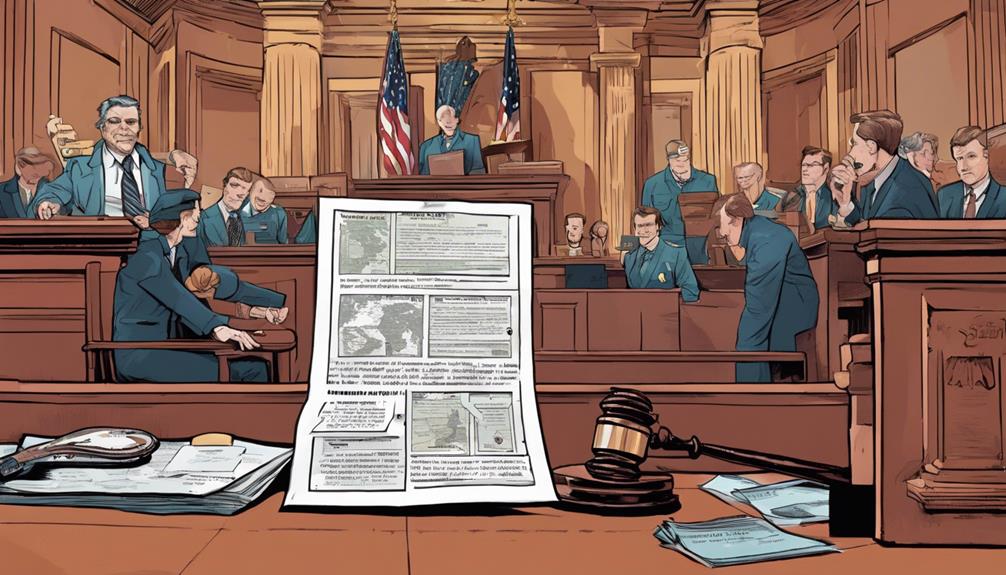
One of the most effective DUI defense strategies is to challenge the legality of the initial traffic stop. When an officer pulls you over, they must have a reasonable suspicion that you've committed a traffic violation or a crime. If the stop was made without this justification, any evidence gathered, including breathalyzer results, could be deemed inadmissible in court.
Understanding what constitutes reasonable suspicion is crucial. It can't be based on a hunch or a vague feeling. Specific, observable facts like swerving between lanes or running a red light are needed. If your attorney can prove that these conditions weren't met, the prosecution's case weakens significantly.
Moreover, scrutinize the officer's behavior and adherence to protocol. Did they follow proper procedures during the stop? Were you informed about the reason for being pulled over? Any deviations could be used to question the stop's validity.
Question Field Sobriety Tests
After scrutinizing the legality of the traffic stop, it's important to question the reliability and administration of the field sobriety tests. These tests are often subjective and can be influenced by various factors. For instance, the environment where the test was conducted may affect your performance. Uneven pavement, poor lighting, or inclement weather can all skew the results, making it crucial to highlight these conditions.
The officer's instructions and your understanding of them also play a significant role. Miscommunication or unclear directions can lead to an inaccurate assessment of your sobriety. Additionally, medical conditions, fatigue, or even anxiety can impair your ability to perform these tests effectively. It's essential to document any such factors that might've influenced your performance.
Moreover, the officer's training and adherence to standardized testing procedures can come into question. Field sobriety tests are supposed to be administered in a specific manner. Any deviation from these protocols can cast doubt on the validity of the results.
Contest Breathalyzer Accuracy

To challenge the accuracy of a breathalyzer, you should scrutinize its calibration and maintenance records, as improper upkeep can lead to faulty readings.
Examine whether the operator followed correct training standards, since untrained personnel can misinterpret results.
Additionally, consider environmental influences like temperature and humidity, which can affect the device's performance.
Calibration and Maintenance Records
Challenging the accuracy of a breathalyzer test often hinges on scrutinizing the device's calibration and maintenance records. If the breathalyzer isn't properly calibrated or maintained, its results can be wildly inaccurate. As a defendant, you've got a right to request these records. If there's any indication that the machine wasn't serviced according to the manufacturer's specifications, it can cast doubt on the reliability of your test results.
Calibration involves setting the breathalyzer to ensure it measures blood alcohol content (BAC) accurately. Regular maintenance checks confirm that all parts are functioning correctly. If records show lapses or irregularities in these areas, it can be a game-changer for your defense. Courts require precise and reliable evidence, so highlighting any discrepancies can undermine the prosecution's case.
Additionally, technicians must follow strict protocols when performing these checks. If the documentation reveals any deviation from standard procedures, it strengthens your argument that the breathalyzer results may be flawed. By methodically dissecting these records, you can create reasonable doubt about the accuracy of the test, which could lead to a reduction in charges or even a dismissal of your case.
Operator Training Standards
When the breathalyzer test's accuracy is under scrutiny, one critical factor to examine is whether the operator received adequate training and certification. If the operator wasn't properly trained, the validity of the breathalyzer results can be questioned. You should investigate whether the person administering the test followed the prescribed procedures and had the necessary qualifications.
Adequate training ensures that the operator understands how to properly calibrate the device, administer the test, and interpret the results. It's essential to cross-check the officer's training records and certifications. If there's any indication of inadequate or outdated training, you've got substantial grounds to contest the breathalyzer results.
In many jurisdictions, specific guidelines dictate the training standards for breathalyzer operators. Failure to adhere to these standards can result in inaccurate readings. You must be thorough in gathering evidence of the operator's training history, including the date and type of training received.
Environmental Influences Impact
Beyond operator training standards, environmental factors can significantly impact the accuracy of breathalyzer results. You should consider the presence of substances like paint fumes, gasoline, or even cleaning products, which can skew readings. Breathalyzers measure alcohol based on chemical reactions, and these volatile organic compounds can interfere, leading to falsely elevated blood alcohol content (BAC) levels.
Temperature variations also play a crucial role. Extreme cold or heat can affect the device's sensors and the chemical reaction process. If you were tested in an environment not within the recommended temperature range, you might have grounds to challenge the results. Additionally, humidity levels can affect the device's ability to measure alcohol accurately, as moisture can impact the sensor's sensitivity.
Another often overlooked factor is radio frequency interference (RFI). Electronic devices, such as police radios or even cell phones, can emit frequencies that interfere with the breathalyzer's electronics, causing inaccurate readings. You should scrutinize the testing environment for potential RFI sources.
Address Medical Conditions
When building your DUI defense, it's crucial to address any medical conditions that could have influenced your behavior or test results.
Documenting your health issues and any medication side effects can provide a compelling explanation for symptoms that might be mistaken for impairment.
This strategy can significantly strengthen your case by clarifying misunderstandings related to your physical state.
Document Health Issues
To effectively challenge a DUI charge, documenting any relevant medical conditions can be crucial to your defense. If you have conditions like diabetes, hypoglycemia, or neurological disorders, they might impact your performance on field sobriety tests or breathalyzer results. These tests often don't distinguish between impairment due to alcohol and symptoms caused by medical issues.
You should gather comprehensive medical records and a statement from your physician explaining how your condition might mimic signs of intoxication. For example, diabetes can lead to ketoacidosis, which produces acetone, potentially causing a false positive on breath tests. Similarly, neurological disorders could affect your balance and coordination, leading to poor performance on field sobriety tests.
Presenting this evidence can create reasonable doubt about the validity of the test results and your alleged impairment. It's essential to consult with your attorney to ensure all relevant medical documentation is meticulously prepared and presented.
The better your medical history is documented, the stronger your defense will be. By highlighting these medical conditions, you make a compelling case that the observed signs of impairment weren't due to alcohol consumption but rather your existing health issues.
Medication Side Effects
Medications you're prescribed can also play a significant role in a DUI defense, as their side effects might mimic or exacerbate signs of intoxication. If you're taking drugs for conditions like anxiety, depression, or even allergies, they can cause symptoms such as dizziness, slurred speech, or impaired motor skills. These symptoms can easily be mistaken for alcohol-induced impairment during a traffic stop.
You should inform your attorney about any and all medications you're taking. Your lawyer can present medical records and expert testimony to demonstrate that your behavior was a result of prescribed medication rather than alcohol consumption. This can create reasonable doubt in the prosecution's case against you.
Moreover, consider keeping a detailed log of your medication intake, including dosage and timing. This documentation can help establish a timeline that correlates your symptoms with your medication schedule, further strengthening your defense.
In some cases, a physician's testimony can be invaluable. A doctor can explain how the side effects of your medication can mimic intoxication signs, making it clear that medical conditions, not alcohol, were responsible for your behavior. This analytical approach can significantly bolster your chances of a favorable outcome.
Examine Officer Training

The effectiveness of a DUI defense often hinges on scrutinizing the officer's training and whether they adhered to proper procedures during the arrest.
You need to examine if the arresting officer received adequate training to conduct field sobriety tests and operate breathalyzers. Mistakes can happen if an officer isn't properly trained, leading to inaccurate test results or mishandling of evidence.
Start by requesting the officer's training records and certifications. Look for any gaps or outdated credentials that could indicate insufficient training. Were they trained on the latest DUI detection techniques? If not, their assessment of your impairment might be flawed.
Additionally, verify the officer followed standardized procedures. Any deviation can cast doubt on the reliability of the evidence against you.
You should also focus on the officer's specific training related to recognizing signs of impairment. Misinterpretation of symptoms, such as those caused by medical conditions or fatigue, can lead to wrongful arrests.
By exposing these potential flaws, you can challenge the officer's credibility and the validity of their observations.
In essence, a thorough examination of the officer's training can uncover critical weaknesses in the prosecution's case, boosting your chances for a favorable outcome.
Review Implied Consent Warnings
When reviewing implied consent warnings, you must first understand the legal requirements that officers are obligated to communicate.
Analyzing how the officer delivered these instructions can reveal crucial discrepancies that might strengthen your defense.
Ensure you compare the officer's actions against statutory guidelines to identify any procedural errors.
Understand Legal Requirements
Implied consent warnings are critical to understand because they inform you of your legal obligations and the consequences of refusing a breathalyzer test. When you obtain a driver's license, you implicitly agree to submit to chemical testing if law enforcement suspects you of driving under the influence. These warnings are designed to ensure you're aware that refusal can result in immediate penalties, such as license suspension and other legal ramifications.
Knowing the legal requirements is essential for constructing a solid DUI defense. You must be aware that implied consent laws vary by state, which can affect the specific wording and procedures used by officers. Familiarize yourself with your state's statutes to understand what's legally expected of you during a DUI stop. This knowledge empowers you to make informed decisions and can be crucial if discrepancies in the procedure arise.
Moreover, the clarity and accuracy of the implied consent warning given by law enforcement are pivotal. If the warning wasn't clear or legally compliant, it could be a significant point of contention in your defense. Understanding these legal requirements allows you to scrutinize the process effectively and identify any potential violations that could work in your favor.
Analyze Officer's Instructions
Carefully analyzing the officer's instructions, particularly the implied consent warnings, can uncover procedural errors that may strengthen your DUI defense. When you're pulled over, the officer must inform you of the consequences of refusing a chemical test. This includes potential license suspension and other penalties. If the officer fails to provide these warnings clearly and accurately, it can be a crucial point in your defense.
Listen closely to the wording used by the officer. Any deviation from the standard script or failure to inform you of your rights and the repercussions of refusal can be used to argue that you weren't properly advised. This requirement isn't just a formality; it's a legal obligation designed to protect your rights. An officer's failure to fulfill this duty can result in the invalidation of the test results.
Moreover, assess the timing and context of these warnings. Were you given the opportunity to comprehend and respond to the information? If you were confused, under duress, or the warnings were delivered in a rushed manner, it can further bolster your defense. Meticulously reviewing these details can be the key to challenging the validity of the implied consent process.
Analyze Blood Test Procedures

Understanding the intricacies of blood test procedures is crucial for mounting an effective DUI defense. You'll need to scrutinize every step of the blood test process, from collection to analysis.
First, consider how the blood sample was collected. Was it done by a qualified professional in a sterile environment? Any deviation here can compromise the sample's integrity.
Next, examine the chain of custody. Each person handling the sample must document their involvement. Breaks in this chain can lead to contamination or tampering, casting doubt on the results.
Also, look into the storage conditions. Blood samples should be stored at specific temperatures to prevent fermentation, which can artificially inflate blood alcohol content.
It's also essential to review the calibration and maintenance records of the testing equipment. Instruments that aren't regularly maintained can produce inaccurate results.
Additionally, request the testing lab's accreditation details. Labs must follow stringent guidelines, and lapses in protocol can render the results inadmissible.
Check for Rights Violations
When building a DUI defense, it's imperative to scrutinize whether your rights were violated at any point during the arrest process. From the initial stop to the final booking, any deviation from protocol could significantly impact your case. Police officers must have a valid reason, or 'probable cause,' to pull you over. If they didn't, any evidence gathered might be inadmissible.
Next, consider whether your Miranda rights were read to you in a timely manner. If you weren't informed of your right to remain silent and to have an attorney present, statements you made could be excluded from evidence.
Additionally, pay attention to how field sobriety tests were administered. Officers must follow specific guidelines; failing to do so can call the results into question.
You also have the right to refuse certain tests, though this refusal can have its own repercussions. Any coercion or failure to inform you of the consequences of refusal is a critical violation.
Analyze video footage, if available, to verify the officer's conduct. Rights violations aren't just technicalities; they're fundamental safeguards that ensure a fair process. Identifying these breaches can strengthen your defense and potentially lead to a dismissal of charges.
Present Alternative Explanations

To mount a strong DUI defense, consider presenting alternative explanations for the observed behavior or test results. For instance, if you exhibited erratic driving, argue that fatigue, a medical condition, or even a momentary distraction caused the behavior. Highlighting these factors can cast doubt on the assumption that you were under the influence.
When it comes to breathalyzer or blood test results, challenge their accuracy. Breathalyzers can yield false positives due to factors like mouthwash, certain foods, or even medical conditions such as acid reflux. Expert testimony can be invaluable in demonstrating these alternative explanations. Similarly, question the handling and storage of blood samples. If they weren't managed correctly, the results could be compromised.
Moreover, stress that field sobriety tests aren't foolproof. Poor weather conditions, uneven surfaces, or physical disabilities can all lead to poor performance, unrelated to alcohol consumption. By presenting credible, alternative explanations, you'll create reasonable doubt about the prosecution's claims.
In essence, methodically dismantling the prosecution's evidence with plausible, alternative scenarios can significantly strengthen your DUI defense. This approach not only showcases your critical thinking but also underscores the complexities involved in DUI cases.
Negotiate Plea Bargains
Negotiating plea bargains can be a strategic move to minimize the penalties associated with a DUI charge. By opting for a plea deal, you may be able to reduce the charges or penalties you face. This approach can save you time, money, and stress.
When you negotiate a plea bargain, you're essentially seeking a compromise that benefits both you and the prosecution. Often, prosecutors are willing to negotiate to avoid the time and expense of a trial.
A plea bargain might involve pleading guilty to a lesser charge, such as reckless driving, which usually carries lighter penalties than a DUI. It could also mean accepting certain penalties in exchange for the dismissal of other charges.
To negotiate effectively, you need a clear understanding of the strengths and weaknesses of your case. A skilled DUI attorney can provide this insight and advocate on your behalf.
Conclusion
You're now equipped with the top strategies to tackle DUI charges under implied consent.
By challenging the traffic stop, questioning field tests, and scrutinizing breathalyzer and blood test accuracy, you can create a robust defense.
Don't forget to address medical conditions, review officer training, and check for rights violations.
Present alternative explanations and consider negotiating plea bargains.
These tactics can significantly impact your case, ensuring a fair trial and the best possible outcome.