
When you refuse a DUI test, you're not just saying no to a breathalyzer; you're inviting a slew of immediate and long-term consequences. Your driver's license can be suspended on the spot, and this suspension might last from several months to a year. But that's just the beginning. Legal penalties such as fines and potential jail time loom large, and your refusal could be seen as an admission of guilt, affecting your criminal record and insurance rates. Curious about how these repercussions unfold and what legal rights you have in this situation?
Understanding Implied Consent
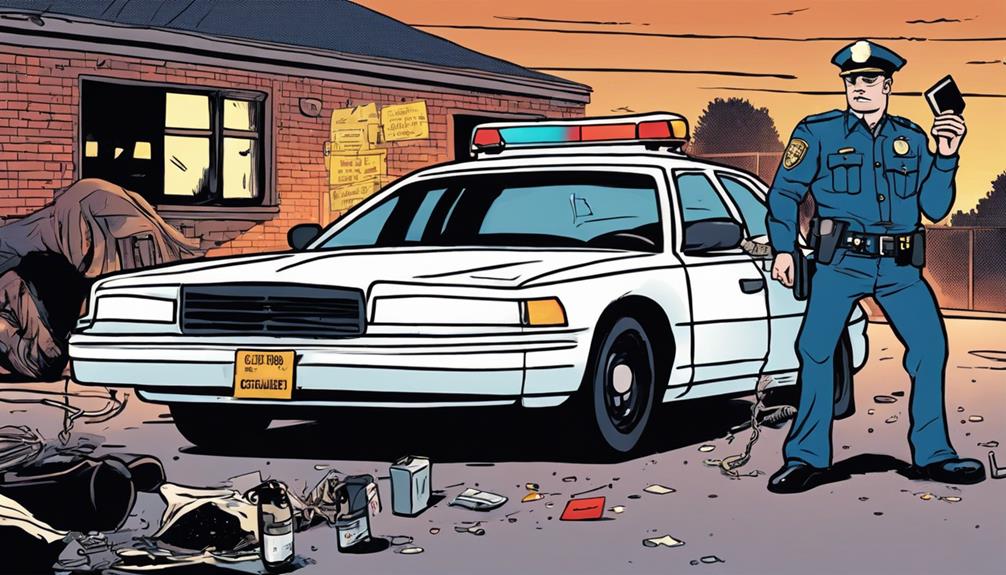
In most jurisdictions, by obtaining a driver's license, you've agreed to implied consent laws, meaning you must submit to chemical tests if suspected of DUI. These laws are designed to facilitate the enforcement of drunk driving regulations and ensure public safety.
The argument behind implied consent is straightforward: when you drive, you implicitly agree to certain conditions, including testing for blood alcohol content (BAC). Refusing to comply with these tests can trigger immediate legal consequences, which we'll explore in another section.
Implied consent laws aren't arbitrary. They've been established to create a legal obligation that supports effective DUI enforcement. By driving on public roads, you're entering a social contract that prioritizes safety over individual preferences.
Refusal to submit to a chemical test not only disrupts this balance but can also be interpreted as an attempt to evade the law. Courts generally uphold implied consent statutes, recognizing their crucial role in combating impaired driving.
Therefore, understanding your obligations under these laws is essential. Ignorance of this legal framework won't excuse non-compliance, and the ramifications of refusal can be severe, impacting your legal standing and driving privileges.
Immediate License Suspension
Refusing a DUI test can lead to the immediate suspension of your driver's license, a measure intended to swiftly address potential threats to public safety. When you decline to submit to a Breathalyzer or other chemical test, you're essentially violating implied consent laws that you agreed to when you obtained your license. These laws are in place to encourage compliance and ensure that impaired drivers are identified and removed from the road promptly.
Upon refusal, law enforcement officers have the authority to confiscate your license on the spot. This action isn't discretionary; it's a mandated response designed to prevent you from continuing to drive under potentially impaired conditions. The immediate suspension can last for a specific period, often ranging from several months to a year, depending on state regulations and whether it's a first or subsequent offense.
You'll receive a notice of suspension, which serves as both a temporary license and a formal notification of your suspension period. It's crucial to understand that this suspension is administrative and separate from any criminal charges you might face later. By refusing the test, you trigger an automatic administrative penalty that underscores the seriousness of driving under the influence.
Legal Penalties and Fines
Beyond the immediate license suspension, refusing a DUI test also subjects you to significant legal penalties and fines. You're not just looking at a simple slap on the wrist; the law mandates severe repercussions. In many jurisdictions, refusing a chemical test results in automatic fines that can reach substantial amounts. These fines are separate from any other penalties you might face if convicted of DUI.
Moreover, you could face mandatory jail time. Many states impose minimum incarceration periods for refusal, especially if it's not your first offense. Additionally, refusal can escalate the charges against you, leading to aggravated circumstances that warrant harsher sentencing.
Failure to comply with DUI testing protocols may also result in compulsory attendance at alcohol education or treatment programs. These programs often come with their own hefty costs, adding to your financial burden.
Impact on Criminal Record
A refusal to take a DUI test can significantly mar your criminal record, often resulting in charges that follow you for years. When you refuse, authorities may interpret this action as an admission of guilt, leading to additional charges. These charges aren't trivial; they're often classified as misdemeanors or even felonies, depending on your jurisdiction and prior record.
Your criminal record won't just reflect a refusal; it will likely include the implied consent violation, which many courts and employers view unfavorably. This mark on your record can impact background checks, making it harder to secure employment or housing. Additionally, multiple refusals can escalate the severity of penalties, leading to harsher consequences each time.
The ripple effects extend into your personal life, tarnishing your reputation and eroding trust. If you're involved in child custody disputes, a tarnished record could be used against you, affecting your parental rights.
The legal landscape is unforgiving when it comes to DUI refusals. Prosecutors often pursue these cases aggressively, aiming for convictions that leave lasting marks on your record.
In essence, refusing a DUI test compounds legal issues and inflicts long-term damage on your criminal record, making it a decision with far-reaching implications.
Insurance Consequences
Insurance companies don't take kindly to DUI test refusals, often leading to skyrocketing premiums and potential policy cancellations. When you refuse a DUI test, insurers interpret this as a red flag. They assume you might be hiding a more severe issue or trying to evade the law. Consequently, your perceived risk level increases, and so do your insurance premiums.
Refusing a DUI test can lead to an administrative license suspension, which insurers view negatively. They'll likely label you as a high-risk driver, resulting in significantly higher premiums. In some cases, your current insurer might even cancel your policy, forcing you to seek out more expensive, high-risk insurance providers.
Furthermore, insurance companies often require you to file an SR-22 form, certifying you carry the minimum required liability insurance. This process can be both time-consuming and costly. The SR-22 requirement can last for several years, during which your insurance costs will remain elevated.
Ultimately, refusing a DUI test can have long-lasting financial repercussions. The increased premiums and potential policy changes add a significant burden, making it clear that the decision to refuse a DUI test is fraught with substantial insurance consequences.
Conclusion
In conclusion, refusing a DUI test isn't just a minor inconvenience; it's a decision that can have severe legal and financial consequences.
You'll face immediate license suspension, hefty fines, and potential jail time.
This refusal can tarnish your criminal record and significantly hike your insurance premiums.
Essentially, by refusing, you're inviting a cascade of penalties that can linger for years.
It's crucial to understand that cooperation might mitigate some of these harsh repercussions.