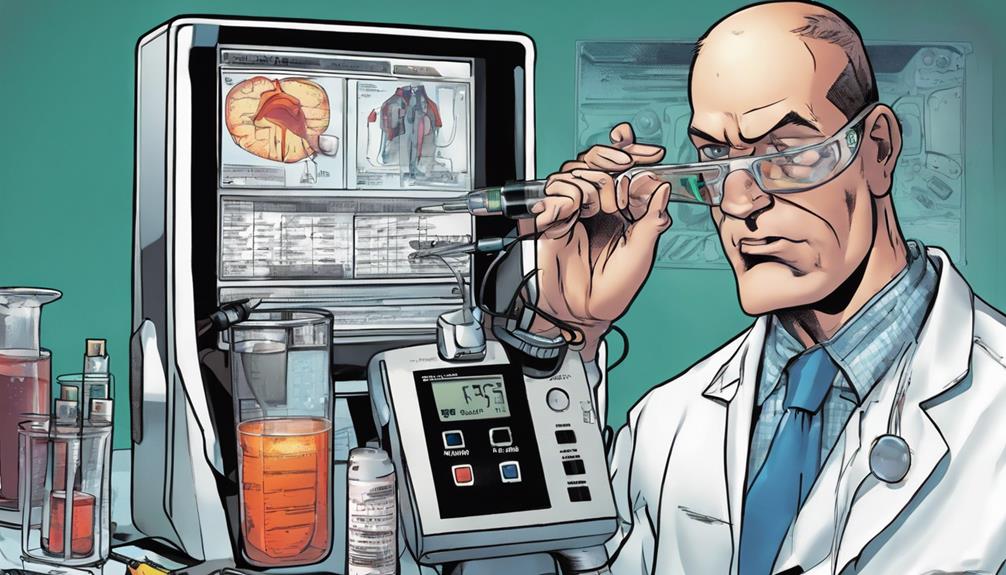
Breathalyzer Test Laws and DUI Penalties Explained

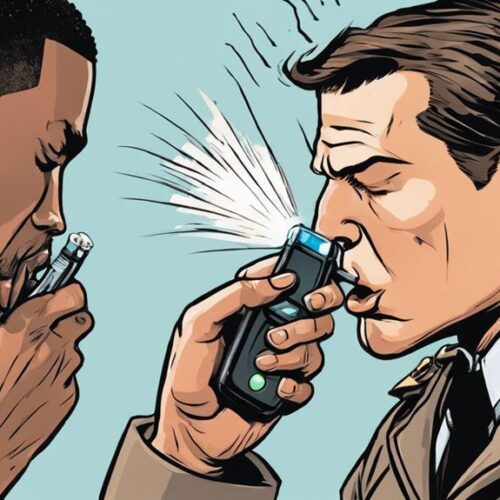
When you're stopped for suspected DUI, breathalyzer test laws play a crucial role in determining your legal standing. Refusing the test isn't just a simple denial; it can trigger immediate penalties, like the suspension of your driver's license and harsher judicial repercussions. But what exactly happens when you comply? The penalties for DUI vary, influenced by your blood alcohol concentration and any prior offenses you might have. Understanding these nuances is essential, especially when test accuracy can sway the outcomes significantly. So, what's your next step in navigating these complex legalities?

Legal Requirements

compliance with regulations mandated

To comply with breathalyzer test laws, you must understand the legal requirements that govern their administration and your rights during a DUI stop.

Law enforcement officers must have reasonable suspicion to pull you over and probable cause to administer a breathalyzer test. Reasonable suspicion can include erratic driving behavior, while probable cause might be the odor of alcohol or slurred speech.

When an officer requests a breathalyzer, they're typically adhering to implied consent laws. By holding a driver's license, you've already consented to submit to chemical testing if lawfully arrested for DUI. However, the officer must inform you of your rights and the consequences of refusing the test before administration.

Furthermore, the breathalyzer device should be properly calibrated and maintained to ensure accurate readings. Officers must follow standardized procedures during the test. Any deviations can be grounds for contesting the results in court.

Understanding these legal requirements helps you navigate a DUI stop more effectively. Knowing your rights and the responsibilities of law enforcement can safeguard you against improper administration and potential legal pitfalls.

Always stay informed to protect your legal standing.

Refusal Consequences

Refusing a breathalyzer test during a DUI stop can lead to severe legal repercussions, including automatic license suspension and enhanced penalties. When you're pulled over for suspected DUI, you're subject to implied consent laws. This means by driving, you've already agreed to submit to chemical testing if an officer suspects you're under the influence.

Failing to comply with a breathalyzer request triggers immediate administrative actions. Your driver's license can be suspended on the spot, often for a longer duration than if you'd taken the test and failed. In many states, this suspension can last up to a year for first-time offenders, with even harsher penalties for repeat refusals.

Additionally, refusal can be used against you in court. Prosecutors can argue that you refused the test because you knew you were intoxicated. This can result in more severe judicial penalties, including higher fines and longer jail sentences. Your refusal doesn't make the charges disappear; it complicates your legal situation significantly.

Don't underestimate the seriousness of a breathalyzer refusal. It's not just about avoiding a DUI charge; it's about the compounded legal and financial consequences that follow. Always consider the far-reaching implications before making that decision.

Penalty Structure

penalty structure overview

Understanding the penalty structure for DUI offenses is vital, as the consequences extend well beyond a simple fine or jail time. When you're charged with a DUI, you face a tiered system of penalties that depend on your blood alcohol concentration (BAC) level, prior offenses, and whether any aggravating factors were present, such as causing an accident or having minors in the vehicle.

For a first-time DUI offense, you might encounter fines, mandatory DUI education programs, community service, and potential jail time. The severity ramps up with higher BAC levels.

A second offense typically brings harsher penalties, including longer license suspensions and increased fines. You could also be required to install an ignition interlock device (IID) in your vehicle, which prevents it from starting if alcohol is detected in your breath.

Repeat offenders face even more stringent penalties, such as extended periods of incarceration and hefty fines. Additionally, some jurisdictions may classify multiple DUIs as felonies, leading to long-term impacts on your criminal record and future employment opportunities.

Test Accuracy

Test accuracy is paramount in DUI cases, as even a minor discrepancy in a breathalyzer reading can significantly impact the severity of penalties you face. The precision of these devices is critical because breathalyzer results are often the primary evidence used to convict you. An inaccurate reading can lead to wrongful convictions or unduly harsh penalties.

Breathalyzers must be regularly calibrated and maintained to ensure accurate readings. Law enforcement officers are required to follow strict protocols when administering these tests. Any deviation from these procedures can compromise the test's reliability. For instance, certain substances like mouthwash or medications can produce false positives, skewing the results against you.

Additionally, the inherent variability in individual metabolism means that breathalyzer readings can fluctuate based on factors like body temperature, medical conditions, and even the time elapsed since your last drink. These variables make it crucial that breathalyzer tests are conducted under optimal conditions to ensure fairness.

Understanding the importance of test accuracy empowers you to scrutinize the evidence presented against you. By being aware of these potential issues, you can better protect your rights and challenge any questionable results that may arise. Accurate testing safeguards not just your legal standing, but also upholds the integrity of the judicial process.

Legal Defenses

types of legal defenses

Challenging a DUI charge requires a strategic understanding of legal defenses that can highlight procedural errors or question the reliability of the evidence against you. One key defense is contesting the legality of the traffic stop. If the officer lacked reasonable suspicion to pull you over, any evidence gathered thereafter, including breathalyzer results, could be deemed inadmissible.

You might also challenge the administration and calibration of the breathalyzer device. These machines require regular maintenance and proper operation. If the device wasn't calibrated correctly or the officer didn't follow protocol, the test results could be invalid.

Another potent defense is questioning the accuracy of the breathalyzer. Factors like medical conditions, dietary choices, and even certain types of mouthwash can produce false positives. Demonstrating that such factors influenced your test can significantly weaken the prosecution's case.

Additionally, you can argue that your rights were violated during the arrest process. For instance, if you weren't advised of your right to an attorney or weren't read your Miranda rights, this could lead to suppression of crucial evidence.

Conclusion

Understanding breathalyzer test laws is crucial for any driver.

If you refuse the test, you'll face immediate penalties like license suspension. A DUI conviction can lead to severe consequences, including fines and jail time.

Accurate testing plays a pivotal role, as it directly influences your legal defense. So, always comply with testing requirements and know your rights.

Protect yourself by staying informed and seeking legal counsel if you're ever in doubt.

5 Essential Tips for DUI Breathalyzer Tests

When you're pulled over for a DUI and asked to take a breathalyzer test, knowing your rights and how to conduct yourself can make a significant difference. It's essential to understand that you have the option to refuse the test, but this comes with its own set of consequences. Staying calm and polite during the interaction can positively affect the situation, but that's just the beginning. You also need to think about avoiding self-incrimination and how various factors might skew the breathalyzer results. To navigate this tricky scenario successfully, there are a few more critical points you shouldn't overlook.

Know Your Rights

understand your legal rights

Understanding your rights during a DUI breathalyzer test is crucial to ensuring you don't inadvertently waive any legal protections.

First, you need to know that you have the right to refuse a breathalyzer test, but doing so may lead to immediate consequences, such as license suspension or fines, depending on your jurisdiction. However, refusing can also limit the evidence against you, which might be beneficial in court.

You should also be aware that you have the right to ask for an attorney before submitting to any testing. This is a fundamental right that can provide you with crucial legal advice tailored to your specific situation. Don't hesitate to exercise this right.

In addition, you have the right to know the results of the breathalyzer test and to request a secondary test. A secondary test can serve as a safeguard, ensuring the accuracy of the initial results.

Stay Calm and Polite

Remaining calm and polite during a DUI breathalyzer test can significantly impact the outcome of your encounter with law enforcement. When stopped, maintain a steady demeanor. Avoid raising your voice or displaying frustration, as this can escalate the situation. Address the officer respectfully, using 'sir' or 'ma'am,' and comply with their initial instructions without argument.

Your cooperation can influence how officers perceive you and may even affect their reporting. Politeness demonstrates that you're composed and cooperative, traits that can be beneficial later if your case goes to court. Remember, the goal is to minimize any potential negative impressions.

Keep your hands visible at all times, preferably on the steering wheel, to assure the officer of your non-threatening intentions. If asked to retrieve documents, inform the officer of your movements before doing so to avoid any misunderstandings.

Under stress, it's easy to forget simple courtesies, but staying calm and polite helps maintain a level-headed approach. This can make a substantial difference in how the interaction unfolds. Simple, respectful behavior can be a powerful tool in managing the situation effectively and protecting your legal interests.

Avoid Self-Incrimination

protect against legal consequences

Protecting yourself from self-incrimination during a DUI breathalyzer test is crucial for safeguarding your legal rights. When stopped by law enforcement, remain aware that anything you say can be used against you. Avoid volunteering information about your whereabouts, activities, or alcohol consumption. Politely decline to answer questions by stating, 'I prefer not to answer that.'

You have the right to remain silent. Exercise this right to avoid admitting guilt or providing evidence that may be detrimental to your case. If asked to perform field sobriety tests, remember that in many jurisdictions, these tests are voluntary. Politely refuse by saying, 'I respectfully decline.'

It's also important to understand your right to legal counsel. If you're arrested, calmly ask, 'May I speak to an attorney?' before engaging in further conversation. This request can't be held against you and ensures you have professional guidance.

Lastly, avoid arguing with the officer or exhibiting confrontational behavior. It's not the time or place to debate your case. Remaining calm, respectful, and exercising your rights can significantly impact the outcome of your situation, preserving your legal standing and protecting you from unnecessary self-incrimination.

Understand Test Accuracy

Knowing the accuracy of DUI breathalyzer tests is vital for effectively challenging any potential inaccuracies or errors that could affect your case. Breathalyzers, while commonly used, aren't infallible. Understanding how these devices work and their limitations can be a powerful tool in your legal strategy.

First, recognize that breathalyzers estimate blood alcohol concentration (BAC) by measuring the amount of alcohol in the breath. This process can be influenced by various factors, including the device's calibration, the officer's training, and even environmental conditions. If the device isn't properly calibrated or maintained, its readings can be significantly off.

Moreover, physiological factors can also affect the results. For instance, medical conditions such as GERD or diabetes can produce falsely high BAC readings. Even certain diets, like those high in protein or low in carbohydrates, can alter test outcomes.

It's also crucial to know the distinction between different types of breathalyzers. Portable breath tests (PBTs) used on the roadside are generally less accurate than the more sophisticated devices at police stations.

Seek Legal Advice

consult with legal expert

Consulting with an experienced DUI attorney is essential to navigate the complexities of breathalyzer test challenges and to ensure your rights are fully protected. A skilled attorney will analyze the specifics of your case, including the procedures followed during your arrest and the calibration records of the breathalyzer device used. This expertise can uncover potential errors or violations that could significantly impact the outcome of your case.

Don't underestimate the importance of legal counsel. Attorneys specializing in DUI defense possess intricate knowledge of state laws, loopholes, and precedents that can work in your favor. They'll scrutinize the arresting officer's actions, the maintenance of the breathalyzer equipment, and any inconsistencies in the test administration process.

Moreover, an attorney can expertly negotiate with prosecutors, potentially reducing charges or even achieving a dismissal. They'll also prepare you for court appearances and advise you on the best course of action, whether it's pleading to a lesser charge or taking your case to trial.

In essence, securing legal advice early in the process maximizes your chances of a favorable outcome. Take proactive steps to protect your future by consulting a DUI attorney who can guide you through every stage of your case.

Conclusion

In conclusion, always know your rights when facing a DUI breathalyzer test.

Stay calm and polite to positively influence the officer's perception.

Avoid self-incrimination by remaining silent and carefully consider declining field sobriety tests.

Understand that breathalyzer accuracy can be affected by various factors, and seek immediate legal advice to navigate the complexities effectively.

By following these essential tips, you'll be better prepared to handle the situation with confidence and protect your rights.

What Are Your Rights During a Breathalyzer Test?

When you're asked to take a breathalyzer test, it's crucial to understand your rights to protect yourself and ensure the process is fair. You have the right to know why the test is being administered, and it should be based on reasonable suspicion. While you can refuse the test, doing so might lead to automatic penalties depending on where you are. You also have the right to verify that the device is properly calibrated and that the operator is certified. But what happens if you request a second test or if the device isn't up to standard?

Legal Rights Overview

summary of legal rights

Understanding your legal rights during a breathalyzer test is crucial to ensuring that you don't inadvertently waive any protections afforded to you by law.

First and foremost, you have the right to know why you're being asked to take the test. An officer must have reasonable suspicion of intoxication before requesting a breathalyzer. If this isn't the case, you can question the validity of the test.

You also have the right to refuse the test, although this comes with its own set of consequences, which vary by jurisdiction. It's essential to be aware of these before making a decision.

Furthermore, if you agree to take the test, you have the right to ensure the device is properly calibrated and the operator is certified. An improperly conducted test can be challenged in court.

Another critical right is the ability to request a second test, often a blood test, to verify the breathalyzer results. This can be pivotal in disputing inaccurate readings.

Knowing these rights empowers you to make informed decisions under pressure. Always remember, being aware of your legal protections is your first line of defense in such situations.

Implied Consent Laws

While knowing your rights is important, it's equally critical to understand how implied consent laws impact your decision to refuse a breathalyzer test. Implied consent laws mean that by obtaining a driver's license, you've already agreed to submit to chemical tests like breathalyzers if a law enforcement officer suspects you're driving under the influence.

These laws are designed to aid in the enforcement of DUI regulations, making it harder for drivers to avoid penalties through refusal. When you're pulled over, refusing the breathalyzer doesn't mean you're off the hook. In fact, refusal can immediately lead to consequences that can complicate your legal standing.

You should know that implied consent laws vary by state, but the principle remains consistent nationwide: refusal to submit to a breathalyzer test will activate automatic penalties. These penalties are administrative and occur regardless of whether you're ultimately convicted of a DUI. This legal framework is intended to deter drivers from refusing tests, thereby streamlining the process for law enforcement.

Understanding implied consent laws equips you with crucial knowledge. It's a double-edged sword; while you have the right to refuse, that refusal carries significant legal repercussions that can affect your driving privileges and legal standing.

Potential Penalties

possible consequences for violations

Refusing a breathalyzer test often leads to automatic penalties that can significantly impact your driving privileges and legal record. When you refuse, you typically face an immediate suspension of your driver's license. This suspension can last from a few months to over a year, depending on your state's laws and whether it's your first offense.

Beyond the license suspension, you may also incur hefty fines. These fines can range from several hundred to several thousand dollars, adding a financial burden to your legal troubles. Moreover, your refusal can be used against you in court, potentially leading to harsher sentencing if you're convicted of DUI.

Insurance companies don't look kindly on breathalyzer refusals either. Your refusal can lead to increased insurance premiums or even policy cancellation, making it more costly or difficult to insure your vehicle in the future.

Additionally, some states have mandatory installation of an ignition interlock device (IID) for those who refuse a breathalyzer. This device requires you to pass a breath test before your car will start, adding another layer of inconvenience and monitoring.

Refusal Consequences

Facing the consequences of refusing a breathalyzer test can be daunting, as it often leads to severe legal and financial repercussions. When you refuse a breathalyzer, you're typically subjected to an automatic license suspension. This administrative penalty can last from several months to a year, depending on your state's laws and any prior offenses.

Moreover, refusal can be used as evidence against you in court, implying guilt and potentially leading to harsher penalties if convicted of DUI.

Financial consequences are also considerable. Fines for refusal can be steep, and you might face additional charges for DUI. Insurance premiums often skyrocket following a refusal, costing you significantly more in the long run.

Moreover, you could be required to install an ignition interlock device in your vehicle, which comes with its own set of fees and maintenance costs.

Your refusal might also affect your employment, especially if your job requires driving. Employers may view a suspended license or refusal as a liability, risking your current position or future job prospects.

Therefore, understanding the weight of these consequences is crucial when deciding whether to comply with a breathalyzer request.

Legal Representation

lawyer client advocacy

Securing legal representation immediately after a breathalyzer test can significantly impact the outcome of your case. The moment you're subjected to a breathalyzer, the stakes are high. An experienced attorney can help you navigate the complex legal landscape, challenge the validity of the test, and protect your rights. It's crucial to act promptly; delays can weaken your defense and limit your options.

Your attorney will analyze every detail of the procedure, from the calibration of the breathalyzer device to the conduct of the officer administering the test. Did the officer follow proper protocol? Was the device maintained correctly? These questions are pivotal in building a strong defense. Without a lawyer, you mightn't even know these issues exist, let alone how to address them.

Furthermore, legal representation can negotiate on your behalf, potentially reducing charges or penalties. If you're facing a DUI charge, the consequences could be severe—license suspension, hefty fines, or even jail time. A skilled attorney can mitigate these outcomes by leveraging their expertise and knowledge of the law.

Don't underestimate the power of immediate legal counsel. It's not just about fighting the charges; it's about securing your future.

Conclusion

Understanding your rights during a breathalyzer test empowers you. Know why you're being tested, and ensure the device and operator are certified.

While you can refuse, remember it might lead to penalties. Always consider requesting a second test for accuracy.

Don't underestimate the importance of legal representation; a lawyer can navigate these complexities and protect your interests.

Exercise your rights wisely to ensure a fair and accurate outcome.

Ensuring Accurate Breathalyzer Results in DUI Cases

When you're dealing with DUI cases, ensuring accurate breathalyzer results is essential for justice. You need to focus on proper device calibration and rigorous operator training to minimize errors. Are you aware that environmental factors and even the timing of the breath sample can significantly affect results? Understanding these elements can mean the difference between a fair trial and a wrongful conviction. But what about the legal standards and the consequences of refusal? You'll find that these complexities are just the beginning when it comes to maintaining the integrity of DUI testing.

Proper Device Calibration

accurate equipment adjustment techniques

Proper device calibration is essential to ensure the accuracy and reliability of breathalyzer results. When you calibrate a breathalyzer correctly, you align the device's readings with known standards, reducing errors and ensuring consistent performance.

Calibration involves using a known concentration of alcohol in a controlled environment to adjust the breathalyzer's sensors. This process should be done regularly, as sensors can drift over time due to environmental factors like temperature and humidity.

Studies have shown that improperly calibrated breathalyzers can lead to significant discrepancies in blood alcohol concentration (BAC) readings. For instance, a study published in the *Journal of Analytical Toxicology* found that breathalyzers without proper calibration could show deviations of up to 20%. Such inaccuracies could lead to wrongful DUI charges or the dismissal of legitimate ones.

To avoid these pitfalls, follow the manufacturer's guidelines on calibration frequency and procedures. Most manufacturers recommend calibrating the device monthly or after a specified number of uses.

Using calibration solutions and simulators that meet industry standards ensures you achieve precise readings. Regular calibration not only enhances the device's accuracy but also strengthens the overall credibility of breathalyzer results in legal contexts.

Operator Training Requirements

Ensuring accurate breathalyzer results hinges not only on device calibration but also on rigorous operator training. As an operator, you need to understand the intricacies of the equipment you're using. Studies have shown that well-trained operators significantly reduce the margin of error in breathalyzer readings. Comprehensive training programs should cover device functionality, proper testing procedures, and troubleshooting common issues.

You should also undergo periodic refresher courses to stay updated on the latest protocols and technological advancements. The National Highway Traffic Safety Administration (NHTSA) recommends that operators receive at least 16 hours of initial training, followed by annual re-certification. This structured approach ensures that you maintain high competency levels.

Moreover, understanding the legal implications of breathalyzer tests is crucial. Courts often scrutinize the qualifications and training of the operator when evaluating the validity of DUI charges. Your thorough training can make the difference between a contested and an uncontested case.

Documentation of your training is essential. Keep detailed records of all training sessions, certifications, and any updates received. This documentation can be pivotal during legal proceedings, providing evidence that the breathalyzer results were obtained by a qualified professional.

Environmental Factors

impact of ecological conditions

You need to consider how environmental factors like temperature, humidity, and external chemicals can influence breathalyzer results.

Studies show that extreme temperatures can alter sensor accuracy, while high humidity levels may cause readings to deviate.

Furthermore, the presence of substances like paint fumes or alcohol-based cleaners can lead to false positives.

Temperature's Effect on Readings

Temperature fluctuations significantly impact the accuracy of breathalyzer readings, as the devices rely on chemical reactions sensitive to environmental conditions.

When the temperature is too high, the breathalyzer may overestimate blood alcohol content (BAC). This happens because higher temperatures can increase the volatility of alcohol, causing more alcohol vapor to be present in the breath sample. Conversely, lower temperatures can lead to underestimations. The chemical reaction within the breathalyzer's sensor is less efficient in cold conditions, potentially resulting in a lower BAC reading than is accurate.

You need to ensure that the breathalyzer is calibrated and tested regularly to account for temperature variations. Studies have shown that even slight deviations from the optimal operating temperature (usually around 20-25 degrees Celsius or 68-77 degrees Fahrenheit) can lead to significant inaccuracies.

For instance, a study published in the Journal of Forensic Sciences found that a 10-degree Celsius increase could result in a 6.5% higher BAC reading. Therefore, maintaining the breathalyzer within its specified temperature range is crucial for reliable results.

Humidity Levels Impact Accuracy

Humidity levels also play a significant role in the accuracy of breathalyzer readings, as moisture in the air can interfere with the device's sensors and skew BAC results. When the air is humid, the additional moisture can affect the infrared or electrochemical sensors used in breathalyzers. These sensors are designed to detect ethanol molecules, but the presence of water vapor can cause them to register higher BAC levels inaccurately.

Research indicates that high humidity can lead to false positives. For instance, a study conducted by the National Highway Traffic Safety Administration (NHTSA) found that breathalyzers tend to show elevated BAC readings in conditions of high humidity. This happens because water vapor can absorb infrared light or affect the electrochemical reaction, leading to erroneous measurements.

To mitigate this, you should ensure that breathalyzer devices are properly calibrated and maintained. Calibration should be done in an environment that mimics typical operating conditions, including expected humidity levels. Additionally, some advanced breathalyzers are equipped with humidity sensors to adjust readings accordingly, but it's crucial to verify that these features are functioning correctly.

External Chemical Interference

Various environmental chemicals, such as paint fumes, gasoline vapors, and cleaning solvents, can interfere with breathalyzer accuracy by mimicking ethanol molecules and leading to false BAC readings. You need to consider that breathalyzers detect ethanol through fuel cell sensors or infrared spectroscopy. These sensors, however, aren't always selective to ethanol alone.

Studies have shown that volatile organic compounds (VOCs) present in the environment can significantly affect breathalyzer readings. When you're exposed to high concentrations of these chemicals, they can be absorbed into your bloodstream and exhaled through your breath, confusing the device. For instance, a study published in the Journal of Analytical Toxicology found that certain hydrocarbons, like those in gasoline, can trigger false positives.

You should also be aware that occupational exposure plays a significant role. If your work involves regular exposure to solvents or fuel, there's a higher chance that these chemicals could affect your breathalyzer test. Therefore, it's critical to evaluate the environment where the test is conducted and consider potential chemical interferences. By doing so, you can ensure a more accurate assessment and avoid wrongful DUI charges based on skewed BAC readings.

Mouth Alcohol Effect

You need to be aware of the mouth alcohol effect, which can cause significant inaccuracies in breathalyzer readings.

Alcohol residue in the mouth, from recent consumption or products like mouthwash, can interfere with the results.

Implementing effective testing protocols, such as observing a waiting period before the test, can mitigate this issue and ensure more accurate readings.

Alcohol Residue Interference

Alcohol residue in the mouth, often from recent consumption or regurgitation, can significantly skew breathalyzer results, leading to false positives. When you consume alcohol, some of it may remain in your oral cavity, especially if you've just finished drinking. This residual alcohol, termed 'mouth alcohol,' can be detected by breathalyzers and falsely indicate a higher blood alcohol concentration (BAC) than what's actually present in your bloodstream.

Research demonstrates that even a small amount of mouth alcohol can substantially affect breathalyzer accuracy. For instance, a study published in the Journal of Forensic Sciences found that mouth alcohol could elevate BAC readings by as much as 0.05%. This is particularly concerning if you've recently burped, vomited, or used mouthwash, all of which introduce alcohol into your mouth and can interfere with breathalyzer readings.

Moreover, breathalyzers are designed to measure deep lung air, or alveolar air, which more accurately reflects your true BAC. When mouth alcohol is present, the device picks up on this residual alcohol instead, leading to inflated results.

It's crucial to consider these factors when evaluating breathalyzer data to avoid wrongful DUI charges based on inaccurate readings.

Effective Testing Protocols

Implementing effective testing protocols is essential to mitigate the impact of mouth alcohol on breathalyzer results. Mouth alcohol can significantly skew the readings, leading to false positives. To counter this, you should enforce a 15-20 minute observation period before administering the test. During this time, ensure the subject doesn't ingest any food, drink, or other substances that could affect the results.

Additionally, you should use dual testing methods. Conduct an initial breathalyzer test, followed by a confirmatory test after a short interval. This approach helps identify discrepancies caused by residual mouth alcohol. If the readings vary significantly, it's a strong indicator of interference, and further analysis is warranted.

Calibrating the breathalyzer regularly is another crucial step. A well-calibrated device will more accurately distinguish between mouth alcohol and deep lung air, providing more reliable results. Ensure that all operators are trained thoroughly on these protocols and the device's functionality to maintain consistency and accuracy.

Relying on these evidence-based practices will help you minimize errors stemming from mouth alcohol, ultimately ensuring more accurate and legally sound DUI assessments. By following these protocols, you'll enhance the integrity of your breathalyzer testing process.

Breath Sample Timing

optimal breath sample timing

Ensuring timely collection of a breath sample is crucial for accurate Breathalyzer results. The timing directly affects the measurement of blood alcohol concentration (BAC). If you collect the breath sample too early or too late, the BAC reading mightn't reflect the individual's actual intoxication level at the time of the incident.

Studies show that alcohol absorption and elimination rates vary among individuals. After alcohol consumption, BAC levels rise and then gradually fall as the liver metabolizes the alcohol. If you test someone immediately after drinking, their BAC might be lower than it will be in 30 minutes. Conversely, waiting too long can result in a lower BAC as the body processes the alcohol.

To mitigate timing issues, it's recommended that law enforcement officers wait at least 15 minutes after the last drink before administering the test. This waiting period helps ensure that the alcohol has been absorbed into the bloodstream, providing a more accurate BAC reading. Additionally, during this waiting period, the individual shouldn't consume any more alcohol, food, or beverages, as these can further skew results.

Accurate timing ensures that BAC readings are reliable, which is essential for fair and just DUI case evaluations.

Maintenance and Records

Regular maintenance and meticulous record-keeping are critical to ensuring the accuracy and reliability of Breathalyzer devices.

First, you must routinely calibrate the equipment. Calibration adjusts the device to ensure its readings are precise. Without it, the device's accuracy deteriorates over time, leading to potentially flawed results. Industry standards recommend calibration at least once every month, but you should always adhere to the manufacturer's guidelines.

Proper maintenance also involves timely software updates. Outdated software can introduce bugs or inaccuracies into the system, compromising test results. Regularly check for updates and apply them promptly to maintain optimal functionality.

Record-keeping is equally important. Document each calibration session, noting the date, time, and technician involved. Keep records of any repairs or software updates as well. These records establish a verifiable chain of custody, ensuring that the device has been properly maintained and is functioning accurately.

Additionally, store and review your maintenance logs periodically. This practice not only ensures compliance with regulatory standards but also provides a defense against any claims of inaccuracy.

Legal Standards for Accuracy

accuracy legal standards guidelines

While meticulous maintenance and record-keeping ensure the operational integrity of Breathalyzer devices, adherence to legal standards for accuracy is equally imperative. Legal standards mandate that devices undergo regular calibration and certification. You need to ensure these protocols are strictly followed to maintain the credibility of Breathalyzer results in court. Each state has specific regulations outlining how often these devices should be calibrated, typically ranging from monthly to annually.

When you're dealing with a DUI case, the device's accuracy directly impacts the outcome. Courts require evidentiary proof that the Breathalyzer was functioning properly at the time of the test. If the device wasn't calibrated according to state standards, the results can be deemed inadmissible. This ensures that the rights of the accused are protected against potentially faulty evidence.

Additionally, training for operators is crucial. Legal standards often specify that only certified personnel can administer Breathalyzer tests. You should verify that the operator's certification is current and that they followed proper procedures during the test.

This comprehensive adherence to legal standards plays a pivotal role in safeguarding the integrity of DUI prosecutions, ensuring that the evidence presented is both reliable and legally sound.

Refusal Consequences

Refusing to take a Breathalyzer test can lead to immediate legal consequences, including license suspension and fines. When you're pulled over for suspected DUI, implied consent laws come into play. These laws state that by driving, you've implicitly agreed to submit to chemical testing if law enforcement has a reasonable basis for suspecting you're under the influence.

Data from the National Highway Traffic Safety Administration (NHTSA) shows that refusal rates can be as high as 25% in some states. However, refusal doesn't mean you can avoid penalties. States impose administrative penalties such as automatic license suspension, typically ranging from six months to a year. The penalties are designed to deter refusals and ensure compliance.

Fines can also be substantial, varying between states but often reaching several hundred dollars. Additionally, refusal can be used as evidence of guilt in court. Courts may interpret your refusal as an attempt to hide intoxication, which can influence the outcome of your case.

The legal system aims to balance individual rights with public safety, and refusal penalties reflect this balance.

Challenging Breathalyzer Results

contesting breathalyzer test outcomes

Challenging Breathalyzer results often involves scrutinizing the device's calibration, the testing procedure, and the officer's training to identify potential errors or inconsistencies.

Begin by examining the device's calibration records. Breathalyzers require regular maintenance and calibration to ensure accurate readings. If you find gaps or irregularities in these records, you've uncovered a potential flaw in the evidence.

Next, analyze the testing procedure itself. Was the test administered according to the established protocols? Breathalyzer tests must follow strict guidelines, such as observing the individual for a specific period before testing to ensure no residual alcohol affects the results. Deviations from these procedures can cast doubt on the test's validity.

Lastly, consider the officer's training and certification. Officers must be properly trained to operate Breathalyzers. Request documentation of the officer's training and certification. If the officer lacks proper credentials or has a history of procedural errors, this may further undermine the Breathalyzer results.

Alternative Testing Methods

In cases where Breathalyzer results are disputed, alternative testing methods like blood tests and urine tests offer more reliable and accurate measures of blood alcohol concentration.

Blood tests directly measure the amount of alcohol in your bloodstream, providing a precise BAC reading. They're often considered the gold standard in DUI cases due to their accuracy. However, they require trained medical personnel and proper handling to ensure the results aren't compromised.

Urine tests, while less invasive, measure alcohol levels indirectly and can be influenced by various factors such as hydration and the time elapsed since drinking. They're typically used when blood tests aren't feasible. Urine tests can detect alcohol consumed up to 48 hours prior, but this extended detection window can sometimes lead to misleading results.

Both methods have their pros and cons. Blood tests are more accurate but invasive, while urine tests are easier to administer but less precise.

If you're contesting a DUI charge, understanding the strengths and weaknesses of these alternative methods can be crucial. Consulting with legal and medical experts can help you determine the best approach to challenge or corroborate Breathalyzer findings.

Conclusion

To ensure accurate breathalyzer results in DUI cases, you must prioritize regular calibration, thorough operator training, and awareness of environmental factors.

Implement strict protocols like observation periods and dual testing methods to enhance reliability.

Recognize the mouth alcohol effect and time your breath samples correctly.

Adhering to legal standards and understanding refusal consequences are crucial.

By challenging breathalyzer results when necessary and considering alternative testing methods, you'll uphold fairness and integrity in legal proceedings.

Step-by-Step Breathalyzer Test for DUI

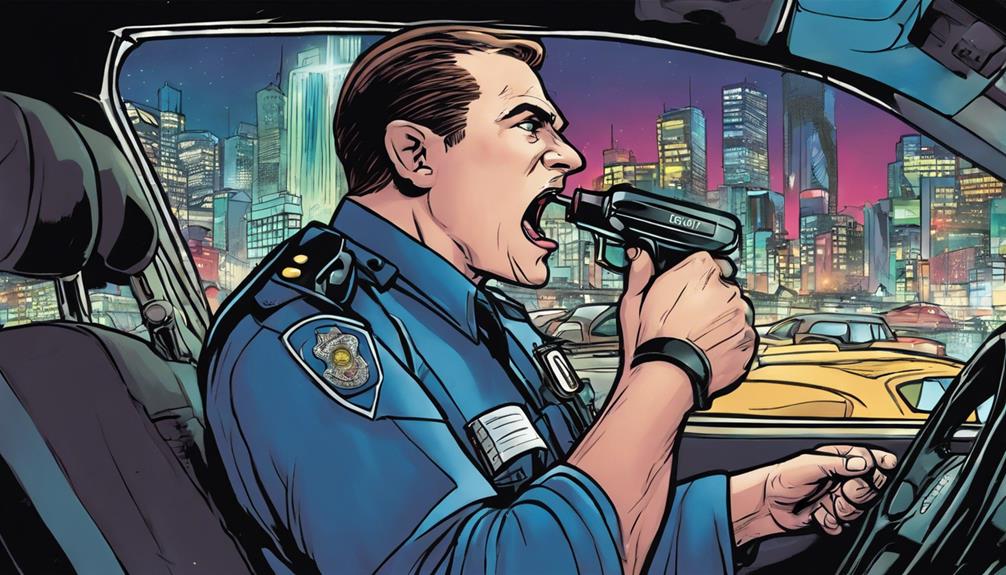
When you're pulled over for suspected DUI, the breathalyzer test isn't just a simple blow-and-go process. It starts with the officer ensuring the device is properly calibrated and ready for use. You'll be asked to avoid consuming anything for at least 15 minutes before the test, and then you'll need to exhale steadily into the mouthpiece. The officer will analyze the sample to determine your blood alcohol concentration (BAC), documenting every detail for legal purposes. But what happens if you refuse to take the test, or if there are issues with the device's calibration? Let's explore the implications and procedures involved.

Legal Requirements

compliance with legal standards

To understand the legal requirements for a breathalyzer test in DUI cases, you need to be aware of both federal and state regulations that dictate the procedures and standards for law enforcement.

At the federal level, the National Highway Traffic Safety Administration (NHTSA) sets guidelines for breathalyzer devices, ensuring they meet specific accuracy and reliability standards. These devices must undergo rigorous testing and certification processes to be deemed acceptable for use in the field.

State regulations can vary, but they generally align with federal standards to ensure uniformity. It's crucial to note that each state has its implied consent laws. By driving, you automatically consent to submit to chemical tests, including breathalyzers, to determine your blood alcohol concentration (BAC). Failure to comply can result in penalties such as license suspension.

Law enforcement officers must follow strict protocols when administering a breathalyzer test. This includes calibrating the device correctly, following a specified observation period before the test, and ensuring the test is conducted by a trained and certified officer.

Any deviation from these procedures can lead to the results being challenged in court, potentially affecting the outcome of a DUI case.

Initial Traffic Stop

During an initial traffic stop, you'll encounter the officer's observational cues, such as erratic driving or the smell of alcohol.

The officer will document these observations and request your identification and vehicle information.

Understanding your rights and maintaining compliance is crucial to ensure a fair and legal process.

Officer's Observational Cues

When an officer initiates a traffic stop, they rely on several key observational cues to assess whether a driver might be under the influence of alcohol.

First, they observe the driver's behavior and physical appearance. Slurred speech, bloodshot eyes, and the smell of alcohol are immediate red flags. Additionally, they note the driver's coordination and motor skills. Difficulty retrieving documents or clumsy movements can indicate impairment.

Next, the officer watches for unusual driving patterns. Erratic lane changes, inconsistent speeds, and failure to obey traffic signals are common signs. They also consider the time and location of the stop. Late-night driving near bars or nightlife areas raises suspicion.

The officer may ask the driver simple questions to gauge their cognitive function. Confused or delayed responses can further suggest intoxication. They might also observe the driver's demeanor for signs of nervousness or aggression, which can be heightened by alcohol consumption.

These observational cues provide the initial evidence needed to justify further testing, such as a field sobriety test or breathalyzer. By meticulously documenting these indicators, the officer ensures that their assessment is grounded in observable, objective criteria.

Documentation and Requests

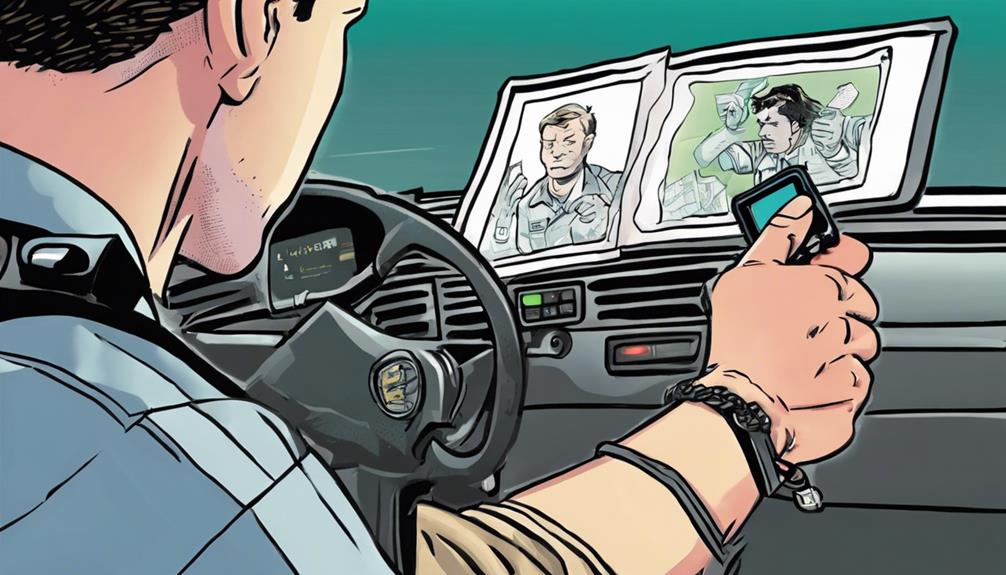
As the officer approaches your vehicle, they'll request specific documentation, such as your driver's license, registration, and proof of insurance. This process is a standard procedure during an initial traffic stop and serves to verify your identity and the legality of your vehicle's operation.

Ensuring you have these documents readily accessible can facilitate a smoother interaction.

When you hand over your documentation, the officer will scrutinize them to confirm their validity. They may also run a check through their database to ensure there are no outstanding warrants or issues related to your driving record. This verification step is crucial for both your safety and the officer's.

It's important to stay calm and collected during this process. Clear and organized documentation can expedite the officer's review and reduce the duration of the stop.

The officer will be observing your behavior for any signs of impairment, such as fumbling or difficulty locating documents.

Rights and Compliance

While the officer reviews your documents, understanding your rights and the importance of compliance during an initial traffic stop can significantly influence the outcome of the encounter.

First, you have the right to remain silent beyond providing basic information such as your name, address, and vehicle registration. Exercising this right can help you avoid self-incrimination. However, compliance with lawful orders, such as stepping out of the vehicle when asked, is crucial.

You should also know that you don't have to consent to a vehicle search unless the officer has probable cause. If an officer requests a search, you can politely decline. This refusal should be clearly stated but done so in a non-confrontational manner.

During the stop, the officer may observe your behavior for signs of impairment. Remaining calm and cooperative can prevent the escalation of suspicion. If the officer asks you to perform field sobriety tests, you can refuse, but this might lead to further investigation or arrest based on other observed indicators.

Officer's Observations

police officer s detailed insights

The officer's observations play a crucial role in determining the necessity of administering a breathalyzer test for DUI. From the moment you're pulled over, the officer begins to assess your behavior and physical state. They look for signs of intoxication, such as slurred speech, bloodshot eyes, or the smell of alcohol. These indicators provide an initial basis for suspicion.

Additionally, officers observe your coordination and motor skills. Simple tasks like retrieving your driver's license or exiting the vehicle can become challenging under the influence of alcohol. Field sobriety tests, such as walking in a straight line or standing on one leg, offer further insights into your level of impairment. The results of these tests contribute significantly to the officer's decision-making process.

Your responses to questions also matter. Inconsistencies or delayed reactions can indicate cognitive impairment. The officer notes these details meticulously because they form part of the evidence required to justify a breathalyzer test.

Consent to Testing

Once the officer has gathered sufficient observations indicating possible impairment, the next step involves obtaining your consent for a breathalyzer test.

In most jurisdictions, driving implies consent to such testing under 'implied consent' laws. These laws mean that by driving, you've already agreed to submit to chemical testing if lawfully requested by an officer.

When asked to take the test, you have the option to comply or refuse. If you refuse, the officer will inform you of the consequences, which often include automatic license suspension and possible fines. Refusal can also be used as evidence against you in court. The officer will usually read a standardized statement explaining these consequences before asking for your decision.

It's important to note that refusal doesn't prevent arrest. The officer can still proceed based on other evidence of impairment.

On the other hand, consenting to the test allows the officer to measure your blood alcohol concentration (BAC) directly. Be aware that the results can significantly impact the legal proceedings that follow.

Therefore, understanding your rights and the implications of your decision is crucial during this step.

Preparation for Test

exam readiness strategies guide

Before taking a breathalyzer test, ensure you understand the proper procedure and what to expect during the process.

First, confirm that the device has been calibrated and maintained according to manufacturer guidelines. Calibration is crucial for accurate results, as a poorly calibrated device can lead to false readings.

You should avoid consuming any food, drink, or tobacco products for at least 15 minutes before the test. Residual substances in your mouth can interfere with the breathalyzer's sensors, leading to inaccurate measurements. Ensure you haven't used mouthwash or any other alcohol-based products recently, as these can also skew results.

Stay calm and follow the officer's instructions precisely. Stress or hyperventilation can affect your breath patterns and potentially impact the test outcome. It's essential to breathe normally and not try to manipulate your breathing, as doing so can be detected and may lead to invalid test results.

Lastly, make sure the testing environment is free from external factors that could contaminate the sample, such as strong odors or chemicals. A controlled environment ensures the breathalyzer measures your breath alcohol content accurately, reflecting your true level of impairment.

Conducting the Test

First, ensure the breathalyzer device is properly calibrated and functioning correctly.

Next, instruct the individual to exhale steadily into the device's mouthpiece until a sufficient sample is collected.

Lastly, analyze the sample immediately to obtain an accurate blood alcohol concentration (BAC) reading.

Preparing the Device

To ensure accurate results, calibrate the breathalyzer according to the manufacturer's guidelines before conducting the test. Calibration involves using a known standard to adjust the device's readings, ensuring its accuracy. Most devices require regular calibration, typically done using a gas mixture or a calibration solution. Follow the manufacturer's instructions precisely to avoid any errors.

Next, inspect the breathalyzer for any physical damage or defects. Check the mouthpiece, sensors, and display screen for cleanliness and functionality. Replace any disposable mouthpieces to maintain hygiene and accuracy. Ensure the device is fully charged or has fresh batteries to prevent power-related inaccuracies.

Once the device is calibrated and inspected, power it on and allow it to warm up. Most breathalyzers require a brief warm-up period to stabilize their internal sensors. Pay attention to any error messages or indicators on the display screen, as these could signal issues that need addressing before proceeding.

Administering the Test

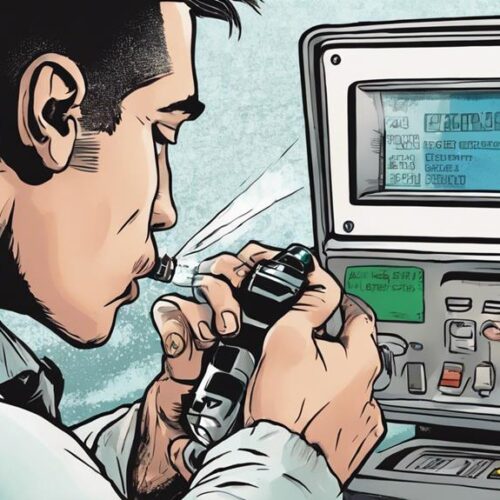
With the breathalyzer calibrated and inspected, instruct the individual to take a deep breath and blow steadily into the mouthpiece until the device indicates completion.

Ensure they blow continuously and steadily, as interruptions can affect the accuracy of the results. Once the breath sample is provided, the device will analyze the breath for alcohol content.

Monitor the breathalyzer's display for any error messages that may indicate a problem with the sample or device. If an error occurs, you may need to repeat the test. It's crucial to follow the manufacturer's guidelines for troubleshooting and re-testing to ensure the integrity of the results.

The breathalyzer will display the blood alcohol concentration (BAC) once the analysis is complete. Record the BAC reading immediately, along with the time and conditions of the test. This documentation is essential for legal purposes and ensures that the results are traceable and verifiable.

Instruct the individual to wait a few minutes before any re-testing if required, as residual alcohol in the mouth can skew results. By following these steps meticulously, you ensure the breathalyzer test is conducted accurately, providing reliable data for assessing DUI.

Analyzing Results

evaluating data outcomes

When analyzing breathalyzer test results, it's crucial to consider the device's calibration and the subject's physiological factors to ensure accuracy.

First, verify that the breathalyzer was calibrated correctly according to the manufacturer's specifications. Calibration discrepancies can lead to inaccurate readings, so cross-check the device's maintenance logs.

Next, examine the subject's physiological factors. Breathalyzer results can be influenced by the individual's body temperature, breathing patterns, and even the presence of certain medical conditions like diabetes or gastroesophageal reflux disease (GERD). Elevated body temperature can increase the alcohol concentration in the breath, leading to higher readings. Ensure the test subject hasn't consumed any substances that could produce false positives, such as mouthwash or certain medications.

Additionally, consider the timing of the test. Alcohol absorption rates vary based on food intake, metabolic rate, and time elapsed since drinking. A breathalyzer test conducted too soon or too late after alcohol consumption mightn't reflect the peak blood alcohol concentration (BAC).

Handling Refusals

Handling refusals of a breathalyzer test requires a comprehensive understanding of legal protocols and the potential implications for the subject.

When someone refuses to take a breathalyzer test, you need to follow a specific procedure to ensure compliance with the law. Initially, inform the individual of the implied consent law, which usually states that by obtaining a driver's license, they've agreed to submit to chemical tests if lawfully arrested for driving under the influence.

Next, clearly communicate the potential administrative penalties, such as automatic license suspension, that may result from refusal. Document the refusal meticulously, noting the time, location, and any statements made by the subject. This documentation can be crucial in subsequent legal proceedings.

Additionally, you should consider alternative methods for assessing intoxication. Field sobriety tests and observations of the subject's behavior may provide supplementary evidence. Recording these observations accurately and objectively is important.

Legal Consequences

potential legal ramifications ahead

Refusing a breathalyzer test can lead to significant legal consequences, such as automatic license suspension and potential criminal charges. In most jurisdictions, implied consent laws dictate that by driving, you agree to submit to breath, blood, or urine tests if lawfully arrested for driving under the influence (DUI). If you refuse the breathalyzer, your license could be suspended for a specified period, often ranging from six months to a year, depending on prior offenses.

Moreover, refusal can be used as evidence against you in court. Prosecutors may argue that your refusal indicates consciousness of guilt, which could influence the outcome of your case. Some states even impose additional fines and mandatory jail time for refusal beyond the penalties for a DUI conviction.

You should also be aware that refusing a breathalyzer doesn't guarantee you won't be tested. Law enforcement officers can obtain a warrant to administer a blood test, which could lead to the same or even more severe legal repercussions if you're found to be over the legal alcohol limit.

Understanding these consequences can guide your decisions if you find yourself in a DUI situation, ensuring you're aware of the potential impacts on your legal standing and driving privileges.

Conclusion

In conclusion, following the step-by-step breathalyzer test for DUI ensures accuracy and legal compliance.

By confirming the device's calibration, observing proper preparation, and documenting results meticulously, officers uphold rigorous standards.

Your cooperation in exhaling steadily into the mouthpiece allows for an accurate BAC reading.

Handling refusals and understanding legal consequences are crucial components.

This detailed process exemplifies the importance of precision in DUI enforcement, safeguarding both public safety and individual rights.

Why Is a Breathalyzer Test Effective?

When you think about why a breathalyzer test is effective, start by considering its reliance on precise chemical reactions and advanced sensor technologies. These devices measure blood alcohol concentration (BAC) using methods like fuel cell sensors and infrared spectroscopy, providing immediate and accurate results. Their reliability is further enhanced through regular calibration and strict officer training, ensuring minimal errors during operation. But what really makes these tools indispensable in law enforcement and medical settings? Let's explore how the combination of technology and stringent standards contributes to their unparalleled effectiveness.

Chemical Reaction Basis

foundational principles of chemistry

The effectiveness of a breathalyzer test hinges on the chemical reaction between ethanol in the breath and a reagent such as potassium dichromate. When you exhale into a breathalyzer, the ethanol in your breath comes into contact with the potassium dichromate solution. This reaction causes the potassium dichromate, which is initially orange, to change color due to the reduction process, forming chromium sulfate, which is green.

In this reaction, ethanol is oxidized to acetic acid, while the potassium dichromate is reduced to chromium sulfate. The extent of this color change is directly proportional to the concentration of ethanol in your breath. By measuring this color change, the breathalyzer calculates your blood alcohol concentration (BAC).

Modern breathalyzers employ infrared spectroscopy or fuel cell sensors to enhance accuracy. Infrared spectroscopy detects ethanol by measuring the absorption of specific wavelengths of light, while fuel cell sensors generate an electric current proportional to the amount of ethanol oxidized at the electrode surface. Both methods offer precise and reliable BAC readings.

Understanding this chemical basis ensures you grasp how breathalyzers provide accurate measurements, crucial for law enforcement and personal monitoring. It's a clear example of applied chemistry in everyday technology.

Alcohol Detection Sensitivity

Due to technological advancements, modern breathalyzers can detect even trace amounts of alcohol with remarkable sensitivity. These devices utilize sophisticated sensors such as fuel cells and infrared spectroscopy to measure blood alcohol concentration (BAC) accurately.

Fuel cell sensors work by oxidizing the alcohol in your breath, producing an electrical current proportional to the alcohol content. This method ensures high specificity and minimal cross-reactivity with other substances, making it highly reliable.

Infrared spectroscopy, on the other hand, measures the absorption of infrared light by alcohol molecules in your breath. This technique is highly sensitive, allowing for the detection of very low BAC levels. The combination of these technologies ensures that breathalyzers can provide precise readings, even at low concentrations, which is crucial for law enforcement and medical applications.

Moreover, advancements in microprocessor technology have enhanced the calibration and accuracy of these devices. Modern breathalyzers are equipped with algorithms that adjust for variables such as temperature and humidity, ensuring that external factors don't affect the results.

You'll find that these improvements make breathalyzers not only more accurate but also more consistent over repeated uses, thereby enhancing their overall effectiveness in alcohol detection.

Real-Time Results

immediate feedback and insights

When using a breathalyzer, you'll benefit from its ability to provide immediate alcohol detection.

This on-the-spot analysis ensures rapid assessment of blood alcohol concentration (BAC), enhancing decision-making accuracy.

Real-time results are crucial for law enforcement and personal use, reducing delays and increasing reliability.

Immediate Alcohol Detection

In real-time scenarios, breathalyzer tests provide immediate results by detecting the presence of alcohol in exhaled breath through advanced electrochemical sensors.

These sensors, often based on fuel cell technology, react with the alcohol molecules in your breath, producing an electric current proportional to the alcohol concentration. The device then converts this current into a measurable blood alcohol concentration (BAC) level.

Immediate alcohol detection is crucial for law enforcement and medical applications where timely information is vital. By using a breathalyzer, you can quickly determine if someone's BAC exceeds legal limits. The real-time feedback allows for prompt decisions, ensuring both public safety and individual health.

Electrochemical sensors in breathalyzers are highly sensitive and specific to ethanol. This specificity reduces the likelihood of false positives from other substances, enhancing the test's reliability. These sensors also offer rapid recovery times, enabling multiple tests in quick succession without compromising accuracy.

Breathalyzers are calibrated to maintain precision over time, ensuring consistent performance. Regular calibration and maintenance are essential, as they ensure the device's reliability and accuracy.

This immediate detection capability makes breathalyzers indispensable tools for monitoring and controlling alcohol consumption in various settings.

On-the-Spot Analysis

How do breathalyzers provide on-the-spot analysis to deliver real-time results that are both accurate and legally admissible?

Breathalyzers use advanced electrochemical fuel cell sensors or infrared spectroscopy to instantly measure blood alcohol concentration (BAC) from a breath sample. When you blow into the device, ethanol in your breath reacts with the sensor, generating an electrical current proportional to the alcohol concentration. This immediate feedback ensures that law enforcement can make quick decisions based on scientifically validated data.

The device's real-time processing capabilities are crucial for roadside testing. It ensures that a driver's BAC level is evaluated on-site, minimizing any delays that could affect the accuracy of the results. Moreover, the data is digitally recorded and timestamped, adding a layer of reliability and traceability.

The integration of microprocessors allows for precise calibration, ensuring that the results are within a narrow margin of error, typically below 0.01% BAC. These features make the breathalyzer a powerful tool for legal proceedings.

The accuracy and immediacy of the results, combined with the device's ability to store and print data, ensure that the evidence is both robust and legally defensible.

Legal Reliability

Legal reliability of breathalyzer tests hinges on the accuracy and calibration of the devices, as well as adherence to standardized testing procedures.

When law enforcement administers a breathalyzer test, they must follow strict protocols to ensure results are admissible in court. These protocols include proper device maintenance, regular calibration, and the operator's certification.

Breathalyzers measure Blood Alcohol Concentration (BAC) using infrared spectroscopy or electrochemical fuel cell technology. These methods provide evidence-based metrics that are widely accepted in legal contexts. However, for a breathalyzer result to hold up in court, the device must be regularly calibrated and maintained.

Legal challenges often focus on whether the operator followed the correct procedures. For instance, officers must observe the suspect for a specific period before testing to ensure no foreign substances affect the outcome. Additionally, the device's calibration records must be up-to-date.

Courts also require documentation proving the officer's training and certification to use the breathalyzer. This ensures that the operator understands the technical aspects and legal implications of the test.

Calibration and Accuracy

precision measurement techniques employed

Calibration and accuracy of breathalyzer devices are crucial for ensuring reliable Blood Alcohol Concentration (BAC) readings. When you use a breathalyzer, it must be properly calibrated to provide precise measurements. Calibration involves adjusting the device to a known standard, often using a calibration gas with a specific alcohol concentration. This process ensures the breathalyzer's sensors are accurately detecting and measuring alcohol levels.

Regular calibration is essential because sensor drift can occur over time, leading to inaccurate readings. Manufacturers typically recommend calibration intervals, which can vary depending on the device and usage frequency. You should follow these guidelines to maintain the device's accuracy.

Accuracy also depends on the device's technology. Fuel cell sensors and infrared spectroscopy are commonly used in modern breathalyzers. Fuel cell sensors oxidize alcohol on an electrode, generating an electrical current proportional to the alcohol concentration. Infrared spectroscopy measures the absorption of infrared light by alcohol molecules in the breath. Both methods are highly accurate when the device is well-calibrated.

Inaccurate BAC readings can have serious legal and safety implications. Therefore, stringent calibration protocols and regular maintenance are imperative. By ensuring your breathalyzer is accurately calibrated, you can trust its BAC readings, enhancing its effectiveness as a reliable tool for alcohol detection.

Officer Training

Consistently, thorough officer training is essential for ensuring the proper use and interpretation of breathalyzer test results. Without rigorous training, officers may misinterpret readings or mishandle devices, leading to inaccurate results that could affect legal proceedings.
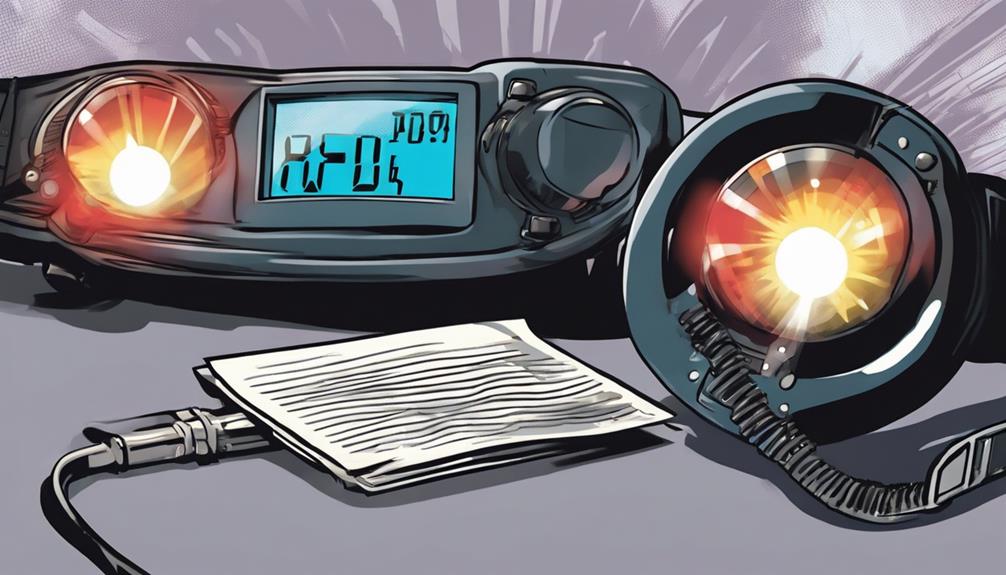
Training programs typically cover the operational mechanics of the breathalyzer, including calibration procedures, maintenance protocols, and the scientific principles behind blood alcohol concentration (BAC) measurement.

You'll find that officers are also educated on legal guidelines and evidentiary standards for administering breathalyzer tests. This includes understanding when it's appropriate to request a test and how to document the process to maintain the integrity of the evidence. Proper documentation and adherence to protocol are crucial for the admissibility of breathalyzer results in court.

Moreover, officer training emphasizes the importance of recognizing potential sources of error, such as environmental factors or physiological conditions that could affect BAC readings. By being well-versed in these aspects, officers can make more informed decisions and provide more reliable testimony.

This comprehensive training ensures that breathalyzer tests aren't only administered correctly but also interpreted accurately, thereby enhancing their effectiveness and reliability in law enforcement.

Conclusion

You've learned that a breathalyzer test's effectiveness hinges on precise chemical reactions and advanced sensor technologies.

Its sensitivity to alcohol, coupled with real-time results, ensures its utility in legal settings.

Regular calibration and stringent officer training maintain high accuracy and reliability.

By adhering to these strict standards, breathalyzers provide a dependable measure of blood alcohol concentration, making them essential tools for law enforcement and medical use.