Commercial Drivers: Comparing BAC Limits Across Regions

When you consider the varying Blood Alcohol Concentration (BAC) limits for commercial drivers across different regions, it's clear that safety regulations reflect diverse priorities. In the United States and Canada, the limit stands at 0.04%, but in parts of Europe, you'll find stricter limits like 0.02% or even zero tolerance in Poland and Sweden. Australia and New Zealand also adopt a zero-tolerance policy. These differences can significantly impact international drivers and companies. Curious how these regulations shape road safety and business practices around the world? Let's explore further into these regional rules and their implications.

United States Regulations

u s compliance standards overview

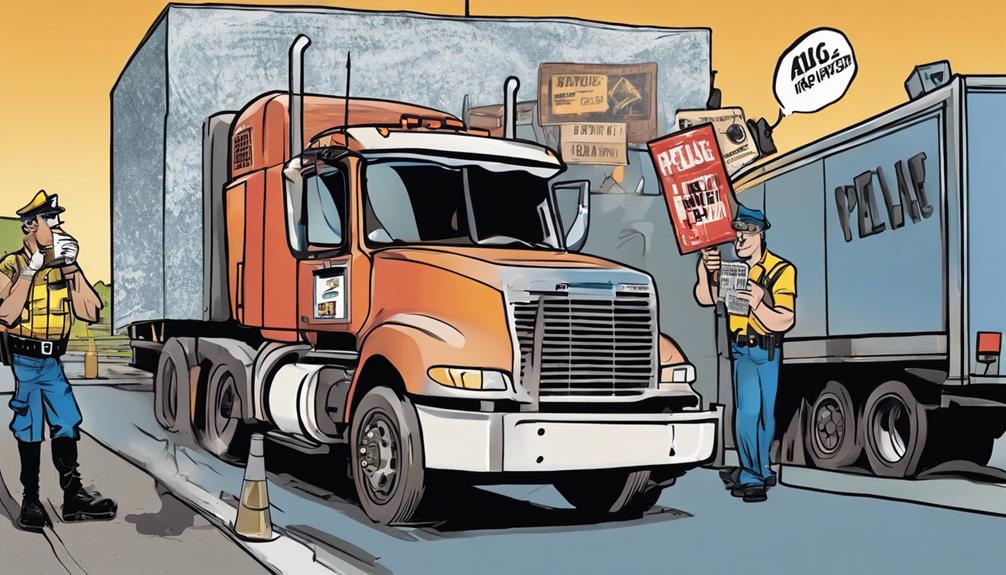
In the United States, federal regulations mandate that commercial drivers maintain a blood alcohol concentration (BAC) limit of 0.04% to ensure road safety and minimize the risk of accidents. This strict limit is set by the Federal Motor Carrier Safety Administration (FMCSA) and applies to all drivers operating commercial motor vehicles (CMVs).

If you're a commercial driver, adhering to this limit is crucial for your safety and the safety of others on the road.

The FMCSA enforces these regulations through random testing, post-accident testing, and reasonable suspicion testing. If you're found with a BAC of 0.04% or higher, you'll face immediate consequences, including the suspension of your commercial driver's license (CDL) and potential fines.

Additionally, any detectable amount of alcohol can lead to an out-of-service order for 24 hours.

Statistics show that alcohol impairment is a significant factor in traffic accidents. By maintaining a lower BAC limit for commercial drivers, the FMCSA aims to reduce the likelihood of alcohol-related incidents.

It's essential that you understand and comply with these regulations to protect your career and public safety. Remember, even one drink can put you over the legal limit and jeopardize your livelihood.

European Union Standards

Unlike the United States, the European Union sets varying BAC limits for commercial drivers depending on the country, with most nations enforcing a strict 0.02% limit to bolster road safety. For instance, Germany, France, and Italy adhere to this 0.02% BAC threshold. These stringent standards aim to minimize alcohol-related accidents, given that commercial drivers often operate large vehicles with high passenger capacities or significant cargo loads.

In countries like Poland and Sweden, you'll find even harsher regulations with a BAC limit of 0.00%, effectively mandating complete sobriety for commercial drivers. This zero-tolerance approach reflects a prioritization of maximum safety on the roads. Conversely, the United Kingdom allows a slightly higher limit of 0.05%, although this is still lower than the general driver limit of 0.08%.

Data from the European Commission highlights that countries with these lower BAC limits tend to report fewer alcohol-related commercial vehicle incidents. This correlation underscores the effectiveness of strict BAC regulations.

If you're a commercial driver in the EU, it's crucial to be aware of the specific BAC limits in each country you operate in, as non-compliance can lead to severe penalties, including fines, license suspension, and even imprisonment.

Australia and New Zealand Policies

australia new zealand policies

In both Australia and New Zealand, commercial drivers face a strict zero-tolerance BAC policy, meaning any detectable alcohol level results in penalties.

You'll find that enforcement is rigorous, with random breath testing and severe fines or license suspensions for violations.

This approach aims to ensure maximum safety on the roads by eliminating any risk of alcohol impairment among professional drivers.

Zero Tolerance Approach

Australia's and New Zealand's zero tolerance policies for commercial drivers mandate a blood alcohol concentration (BAC) of 0.00%, ensuring the highest level of road safety. By setting this stringent limit, these countries aim to eliminate any risk associated with alcohol impairment while operating commercial vehicles. Research shows that even minimal alcohol consumption can impair reaction times, coordination, and decision-making abilities, which are critical for commercial drivers who often handle heavy or hazardous loads.

In Australia, the National Transport Commission (NTC) enforces this zero tolerance policy across all states and territories. Similarly, New Zealand's Transport Agency (NZTA) mandates the same 0.00% BAC for all commercial vehicle operators. Both countries prioritize the safety of not only the drivers but also passengers and other road users.

Statistics from the Australian Bureau of Statistics indicate a significant reduction in alcohol-related traffic incidents involving commercial vehicles since the implementation of the zero tolerance policy.

You need to understand that these policies reflect a broader commitment to road safety. By maintaining a 0.00% BAC limit, Australia and New Zealand send a clear message: there's no room for alcohol in commercial driving. This approach sets a high standard for other regions to follow.

Enforcement and Penalties

Strict enforcement and severe penalties are key elements in Australia and New Zealand's zero tolerance policies for commercial drivers with a 0.00% BAC limit.

In Australia, roadside breath testing is conducted frequently and randomly. If you're caught with any detectable alcohol, expect immediate license suspension, fines ranging from AUD 400 to AUD 3,300, and possible imprisonment. Repeat offenders face harsher penalties, including longer license suspensions and higher fines.

New Zealand also prioritizes strict enforcement. Police conduct regular checkpoints and utilize advanced breathalyzer technology. If you're found with any BAC level above zero, you'll face fines up to NZD 4,500 and immediate disqualification from driving for at least six months. Repeat offenses can result in even more severe penalties, such as longer disqualification periods and heftier fines.

These stringent measures aim to ensure commercial drivers maintain absolute sobriety while on duty, thereby enhancing road safety.

Both countries' zero tolerance policies are supported by rigorous enforcement practices and substantial penalties, ensuring that commercial drivers think twice before consuming alcohol. By adhering to these strict regulations, you contribute to safer roads for everyone.

Canada's BAC Rules

Canada enforces a Blood Alcohol Concentration (BAC) limit of 0.04% for commercial drivers, ensuring strict road safety standards. This lower threshold compared to non-commercial drivers (0.08%) highlights the heightened responsibility expected from those operating large vehicles. If you're a commercial driver in Canada, adhering to this limit is crucial not only for compliance but also for the safety of everyone on the road.

In Canada, the enforcement of this BAC limit is rigorous. Random breath tests, especially at designated checkpoints, are common. If you're caught exceeding the 0.04% limit, the consequences are severe. Penalties include immediate license suspension, fines, and mandatory participation in educational programs. Repeated offenses can lead to longer suspensions and even imprisonment.

Data shows that commercial drivers are involved in fewer alcohol-related accidents compared to non-commercial drivers, partly due to these stringent regulations. Provinces like Ontario and British Columbia have additional measures, such as zero-tolerance policies for new commercial drivers within the first year.

Staying informed about these rules and strictly following them is essential. It ensures you're not only compliant with the law but also contributing to safer roads across Canada.

Latin American Guidelines

latin american health standards

In Latin America, BAC limits for commercial drivers vary significantly by country, reflecting diverse approaches to road safety.

For example, Brazil enforces a strict zero-tolerance policy, meaning any detectable alcohol in a commercial driver's system is illegal and can result in severe penalties, including license suspension and fines.

In contrast, Argentina allows a BAC limit of 0.02%, offering more leniency but still promoting safety on the roads. This slight allowance acknowledges potential minor alcohol residue from common consumables like mouthwash, without compromising driver alertness.

Chile, on the other hand, sets its BAC limit for commercial drivers at 0.03%. This limit is a middle ground compared to Brazil and Argentina, aiming to balance strict regulation with practical considerations.

Peru's BAC limit stands at 0.05%, which aligns more closely with general non-commercial driving limits seen in other parts of the world. This higher limit may reflect a different risk assessment or regulatory approach.

You'll also find that Mexico's regulations can be quite variable depending on the state, but federal guidelines generally recommend a BAC limit of 0.04% for commercial drivers.

Understanding these variations is crucial for multinational companies operating in Latin America to ensure compliance and enhance road safety.

Asian Countries' Limits

In many Asian countries, you'll find strict enforcement policies and a common zero-tolerance approach to BAC limits for commercial drivers.

Japan, for example, enforces a 0.03% limit, while China has a 0.02% threshold.

However, there's notable regional variability, with some nations imposing even stricter limits or complete prohibitions.

Strict Enforcement Policies

Asian countries often implement stringent blood alcohol concentration (BAC) limits for commercial drivers to enhance road safety and reduce accident rates. For instance, Japan enforces a maximum BAC limit of 0.03%, while China sets it even lower at 0.02%. These low thresholds are part of a broader strategy to ensure that commercial drivers operate their vehicles with optimal alertness and control.

You'll find that enforcement in these countries is equally rigorous. In Japan, if a commercial driver is caught exceeding the BAC limit, penalties can include fines up to ¥1,000,000 (approximately $9,200 USD) and imprisonment for up to five years. China employs a similar approach, imposing fines, license suspensions, and potential jail time for violations.

What's notable is the use of frequent and unpredictable sobriety checkpoints. Authorities set these up at various times and locations, ensuring drivers can't easily predict or evade them. These checkpoints often employ breathalyzer tests as the primary tool for BAC measurement.

Additionally, advanced technology, such as in-vehicle monitoring systems, is increasingly used to detect alcohol consumption. These systems can immediately alert authorities or fleet managers if a driver's BAC exceeds the legal limit, thus ensuring swift action.

Zero Tolerance Approach

Adopting a zero tolerance approach, several Asian countries enforce extremely low BAC limits for commercial drivers to ensure maximum road safety.

In Japan, for instance, the BAC limit for commercial drivers is set at 0.03%. This stringent limit aims to minimize risks and enhance public safety. Similarly, China has a very low threshold, with a BAC limit of 0.02% for commercial drivers. The rationale is clear: even minimal alcohol consumption can impair driving abilities, especially for those operating large vehicles.

South Korea also adopts a strict stance, enforcing a BAC limit of 0.03% for commercial drivers. These limits reflect a broader cultural emphasis on road safety and the high stakes involved in commercial driving. In India, the BAC limit for commercial drivers is set at 0.00%, effectively meaning no alcohol consumption is tolerated. This zero tolerance policy underscores the critical importance of maintaining full cognitive abilities while driving.

You'll find that these strict BAC limits are rigorously enforced through regular checkpoints and severe penalties for violations. By implementing these low limits, Asian countries aim to reduce traffic accidents and promote safer roads for everyone.

Regional Variability Observed

While examining BAC limits for commercial drivers, you'll notice significant regional variability across Asian countries.

For instance, China enforces a stringent zero-tolerance policy, setting the BAC limit at 0.00%. This aligns with the country's broader road safety initiatives and strict legal repercussions for violations.

In contrast, Japan allows a slightly higher limit of 0.03%. This low threshold reflects the nation's commitment to minimizing risks associated with impaired driving while acknowledging practical enforcement considerations. Similarly, South Korea has set the BAC limit at 0.03%. This uniformity in policy suggests a regional awareness of the dangers posed by even minimal alcohol consumption for commercial drivers.

India, however, sets its BAC limit at 0.00% for commercial drivers, mirroring China's approach. This zero-tolerance policy highlights the country's focus on enhancing road safety amid increasing vehicular traffic and accident rates. Conversely, Thailand permits a higher BAC limit of 0.05%, reflecting a more lenient stance compared to its regional counterparts.

These differences underscore the diverse strategies employed by Asian countries to address alcohol consumption among commercial drivers. The variation in limits indicates that each country tailors its policies based on unique cultural, legal, and road safety considerations.

African Nations' Laws

african legal systems overview

Many African nations have set stringent BAC limits for commercial drivers to enhance road safety and reduce traffic accidents.

In South Africa, for instance, the legal BAC limit for commercial drivers is 0.02%, significantly lower than the 0.05% limit for private drivers. This policy aims to minimize the risk of alcohol-related incidents on the roads.

Nigeria also enforces a strict BAC limit for commercial drivers, capping it at 0.02%. This regulation is part of a broader strategy to combat the country's high traffic accident rate.

Similarly, in Kenya, the BAC limit for commercial drivers is restricted to 0.00%, reflecting a zero-tolerance approach to drinking and driving.

Ethiopia follows suit with a BAC limit of 0.00% for commercial drivers, reflecting a rigorous stance against impaired driving. Ghana, too, enforces a stringent limit of 0.02% for commercial drivers, aiming to bolster road safety measures.

These regulations illustrate a clear pattern: African nations are prioritizing road safety through stringent BAC limits for commercial drivers.

Middle East Restrictions

In the Middle East, countries have also set strict BAC limits for commercial drivers to ensure road safety and reduce the incidence of traffic accidents.

For instance, in Saudi Arabia, the legal BAC limit for commercial drivers is 0.0%, meaning no alcohol consumption is allowed whatsoever. This zero-tolerance policy is strictly enforced, with severe penalties for violators, including hefty fines, license suspension, and even imprisonment.

Similarly, the United Arab Emirates enforces a 0.0% BAC limit for all drivers, including commercial ones. The UAE takes road safety very seriously, employing advanced technologies such as random breath testing and roadside checkpoints to catch offenders. Penalties for violating these laws are stringent and can result in significant financial and legal consequences.

In contrast, Turkey allows a higher BAC limit of 0.05% for commercial drivers. Although more lenient compared to its Gulf neighbors, Turkey still maintains rigorous enforcement and penalties to ensure compliance and safety.

Russia and Eastern Europe
geopolitical dynamics in eurasia

Russia and several Eastern European countries have established varied BAC limits for commercial drivers, reflecting their distinct regulatory approaches to road safety.

In Russia, the legal BAC limit for commercial drivers is 0.03%. This stringent limit underscores the country's commitment to reducing alcohol-related accidents.

Poland, on the other hand, enforces a BAC limit of 0.02% for commercial drivers, one of the lowest in the region. This low threshold aims to ensure that drivers are almost entirely alcohol-free while on duty.

Lithuania adopts a similar stance with a 0.02% BAC limit, reinforcing a zero-tolerance approach to drinking and driving.

Contrastingly, Romania and Bulgaria have set slightly higher limits. Romania's BAC limit for commercial drivers is 0.00%, reflecting absolute zero tolerance. Bulgaria, however, allows a BAC of up to 0.05%, which is relatively lenient compared to its neighbors.

It's crucial to understand these differences if you're operating or managing commercial vehicles in these regions. Each country's regulations are designed to enhance road safety, but they vary significantly.

Adhering to these limits not only ensures compliance but also promotes safer driving practices across diverse regulatory landscapes.

Conclusion

Understanding BAC limits for commercial drivers across regions is essential for compliance and safety.

The U.S. and Canada set limits at 0.04%, while the EU enforces stricter standards, ranging from 0.02% to 0.00%.

Australia, New Zealand, and several Asian countries adopt zero-tolerance policies.

Regional variations highlight differing safety priorities, making it crucial for you to stay informed and adhere to local regulations.

Always prioritize safety by knowing and respecting these diverse limits.

State DUI BAC Limits: 5 Essential Tips

When it comes to state DUI BAC limits, understanding the regulations can be a lifesaver. You need to know the standard legal BAC limit of 0.08% for drivers over 21, but don't forget that underage drivers face zero tolerance. Commercial drivers should be aware of their stricter limit of 0.04%. Importantly, familiarize yourself with state-specific rules, as some states, like Utah, enforce even lower limits. High BAC levels can result in enhanced penalties, making it crucial to consider safe transportation options after drinking. Are you aware of how these variations might affect you?

Understand Legal BAC Limits

know blood alcohol concentration

Before you get behind the wheel, it's crucial to understand the legal BAC limits in your state. Knowing these limits isn't just a matter of avoiding penalties—it's about ensuring the safety of everyone on the road.

Most states have established a legal Blood Alcohol Content (BAC) limit of 0.08% for drivers aged 21 and over. This means if your BAC is 0.08% or higher, you're considered legally impaired and can face DUI charges.

However, some states have stricter regulations. For example, Utah has set the BAC limit at 0.05%, reflecting a lower tolerance for alcohol consumption. It's vital to familiarize yourself with your state's specific laws because ignorance won't protect you from the severe consequences of a DUI.

Additionally, commercial drivers usually face a stricter BAC limit, often set at 0.04%. This is due to the increased responsibility and potential danger posed by operating larger vehicles. If you hold a commercial driver's license, understanding this lower threshold is essential for maintaining your livelihood.

Know Zero Tolerance States

In zero tolerance states, any detectable amount of alcohol in drivers under 21 can lead to severe penalties. These states enforce strict laws to deter underage drinking and driving, understanding that young drivers are more susceptible to accidents. You're not just risking a ticket; penalties can include license suspension, hefty fines, and even jail time.

Knowing which states enforce zero tolerance can save you from severe consequences. States like California, New York, and Texas are among those with zero tolerance policies. If you're under 21 and planning to drive, even a single drink could put you in legal jeopardy. It's crucial to understand that the legal BAC limit for you is effectively zero.

Awareness and caution are your best allies. Make sure you're always informed about the laws in the state you're driving in. Ignorance won't be an excuse if you're caught.

Always opt for a designated driver or use ride-sharing services if you've consumed any alcohol. Being proactive about this can safeguard your future, your finances, and most importantly, your safety. Don't take chances—know the laws and follow them strictly.

Different Limits for CDL Holders

cdl holders different limits

Commercial Driver's License (CDL) holders face stricter BAC limits than regular drivers, typically set at 0.04%. This lower threshold underscores the immense responsibility you bear when operating large vehicles. Your role involves not just your safety but that of countless others on the road, making adherence to these limits absolutely crucial.

You might think a few drinks won't affect your driving, but even a BAC of 0.04% can significantly impair reaction times and decision-making abilities. Given the size and potential danger of commercial vehicles, there's no room for error. It's not just about avoiding legal trouble; it's about maintaining professional integrity and ensuring public safety.

Staying within these stricter limits also protects your livelihood. A DUI conviction can lead to the suspension or revocation of your CDL, severely impacting your career. Don't risk the years of hard work it took to earn your license and build your reputation.

Enhanced Penalties for High BAC

Frequently, drivers with a significantly high BAC face enhanced penalties that can drastically alter their lives. If you're caught with a BAC far above the legal limit, the consequences aren't just a slap on the wrist. Enhanced penalties often include much steeper fines, longer license suspensions, and even mandatory jail time. These measures aren't just punitive; they're designed to deter repeat offenses and protect public safety.

You should know that having a high BAC can also lead to mandatory alcohol education programs or the installation of an ignition interlock device in your vehicle. These devices require you to pass a breathalyzer test before starting your car, adding an extra layer of inconvenience to your daily life.

Moreover, insurance companies might label you as a high-risk driver, leading to skyrocketing premiums. The financial burden alone can be overwhelming, not to mention the potential loss of employment if your job requires a clean driving record. Legal fees and court costs can also add up quickly, further straining your resources.

Comprehending these severe repercussions can act as a powerful motivator to think twice before driving under the influence. Prioritizing safety and responsibility can prevent you from experiencing these life-altering penalties.

State-Specific Variations

regional differences in regulations

Understanding the variations in DUI BAC limits across different states is crucial for ensuring you're always driving within the legal boundaries.

While the standard legal BAC limit is 0.08% in most states, certain states have stricter thresholds. For instance, Utah has set the limit at 0.05%, making it one of the most stringent in the nation. If you're traveling, it's essential to research and understand the specific regulations of each state you're driving through.

Moreover, some states impose lower BAC limits for commercial drivers and those under 21. In many states, a commercial driver can be charged with a DUI at a BAC of 0.04%, and for drivers under 21, the limit often drops to 0.02% or even zero tolerance in some jurisdictions. Ignoring these variations can result in severe consequences, including hefty fines, license suspension, or even jail time.

Staying informed about these differences not only keeps you compliant with the law but also ensures the safety of everyone on the road.

Always check the local DUI regulations before you drive in a new state. Your diligence can save lives and prevent legal troubles.

Conclusion

It's crucial you grasp these key DUI BAC limit tips to stay safe and legal.

Understand the standard limits, especially the stricter ones for underage and commercial drivers.

Be aware of state-specific laws like those in Utah, and remember, higher BAC levels mean harsher penalties.

Always opt for safe transportation if you've been drinking.

By following these guidelines, you'll protect yourself and others on the road.

Don't take chances with DUI laws—stay informed and responsible.

10 Best DUI Penalties by BAC Levels

10 Best DUI Penalties by BAC Levels

When examining the impact of DUI penalties based on BAC levels, you’ll find that even a slight increase can lead to significantly harsher consequences. From fines and license suspensions for those under 0.08% to extended jail time and severe financial penalties for higher BAC levels, the system is designed to deter dangerous behavior. What happens when the BAC surpasses 0.10% or even 0.15%? And how much more stringent are the penalties for repeat offenders? Understanding these nuances can be crucial for anyone concerned about road safety and legal repercussions.

Under 0.08% BAC

legal driving alcohol limit

Although a BAC under 0.08% may not lead to a standard DUI charge, you can still face significant legal consequences under certain circumstances.


For example, if you’re a commercial driver, the BAC threshold drops to 0.04%. Driving with a BAC above this limit can lead to disqualification from operating commercial vehicles, fines, and even imprisonment.


If you’re under 21, any detectable alcohol in your system can trigger penalties. Zero-tolerance laws in many states impose severe sanctions, including license suspension, fines, and mandatory education programs.


Moreover, even if your BAC is below 0.08%, erratic driving can still result in a ‘wet reckless’ charge, which is a lesser but still serious offense.

Additionally, if you have prior DUI convictions or other aggravating factors like causing an accident, you could face increased penalties. You might be subject to probation, mandatory installation of an ignition interlock device, and higher insurance premiums.


Legal consequences aren’t limited to just traffic laws; they can affect employment opportunities, especially for jobs requiring a clean driving record.


Understanding these nuances can help you realize that even a BAC under 0.08% isn’t a free pass. Always consider the broader implications and act responsibly to avoid these potential legal pitfalls.


0.08% BAC Penalties

When your BAC reaches 0.08%, you’re looking at serious repercussions, including a lengthy license suspension, hefty fines, and potential jail time.


The legal system doesn’t take these offenses lightly, and each penalty is designed to underscore the severity of driving under the influence.


We’ll explore how these consequences vary and what you can expect at this critical BAC threshold.


License Suspension Duration

Driving with a BAC of 0.08% can result in a mandatory license suspension that significantly disrupts your daily life and freedom of movement.

When you’re caught with a BAC at this level, the law mandates a suspension period that varies by state but typically ranges from 90 days to one year for a first offense. This suspension is designed to act as a deterrent, underscoring the seriousness of impaired driving.


The impact of losing your driving privileges can’t be understated. You’ll find yourself relying on public transportation, ride-sharing services, or the goodwill of friends and family. This can complicate your ability to commute to work, attend school, or manage daily errands.


Moreover, reinstating your license often involves additional steps such as completing a mandatory DUI education program or installing an ignition interlock device in your vehicle.


It’s crucial to understand that license suspension isn’t just a punitive measure; it’s a protective one. By restricting your ability to drive, the law aims to ensure public safety and reduce the likelihood of repeat offenses.


Therefore, the repercussions of a DUI extend far beyond immediate penalties, affecting long-term mobility and lifestyle.


Fines and Fees

Facing a DUI charge with a BAC of 0.08% not only leads to a license suspension but also subjects you to substantial fines and fees that can strain your finances.


You’ll typically face fines ranging from $500 to $2,000, depending on the jurisdiction and whether it’s your first offense. These fines can increase significantly if aggravating factors are present, like having minors in the vehicle or causing an accident.


Beyond the initial fines, you’ll also be responsible for court costs, which can add several hundred dollars to your financial burden. Additionally, you’ll likely be required to attend DUI education programs, which aren’t free. The costs for these mandatory classes can range from $150 to $500.


Let’s not forget the administrative fees for license reinstatement, which can be another $100 to $250. Moreover, your car insurance premiums will skyrocket, potentially doubling or even tripling, meaning you’ll be paying higher rates for years to come.


All these expenses add up quickly, creating a financial strain that goes beyond just the immediate penalties. It’s crucial to understand the full scope of these fines and fees to prepare adequately and avoid any further complications.


Jail Time Consequences

In addition to the financial burdens, a DUI conviction with a BAC of 0.08% or higher often results in mandatory jail time, further complicating your situation. The specific duration can vary by jurisdiction, but typically, first-time offenders face at least 48 hours to a few days in jail. Repeat offenders or those with significantly higher BAC levels might see these periods extend to several weeks or even months.


You should understand that judges have little discretion in these cases due to stringent DUI laws designed to deter impaired driving. In many states, mandatory minimum sentences are imposed, meaning you can’t avoid jail time even if you have a clean record or extenuating circumstances. Additionally, some jurisdictions may offer alternatives like community service or alcohol treatment programs, but these are generally reserved for first-time offenders with lower BAC levels.


These penalties aim to underscore the seriousness of DUI offenses while promoting public safety. However, jail time disrupts your daily life, affecting your employment, family responsibilities, and overall well-being.


Consulting a legal professional can help you navigate these complexities, potentially reducing the severity of the consequences you face.


0.10% BAC Consequences

legal and health repercussions

Even with a 0% BAC, you’re not immune to DUI penalties, particularly if impairment is established through other means.


Expect a license suspension duration that can be as severe as higher BAC levels, and don’t underestimate the potential for jail time.


These consequences reflect a rigorous legal approach to ensure all forms of impaired driving are addressed.


License Suspension Duration

A DUI conviction can result in a mandatory license suspension, even if your BAC is at 0% due to refusal to take a chemical test. Refusing a chemical test triggers implied consent laws, which most jurisdictions enforce strictly. When you refuse, you’re essentially breaking the agreement you made when you obtained your driver’s license. This can lead to an automatic suspension, often longer than if you’d taken the test and failed.


Typically, for a first refusal, you might face a suspension ranging from six months to a year. Multiple refusals or prior DUI convictions can significantly increase this period, sometimes up to three years. Your right to drive is considered a privilege, not a right, and the state aims to ensure road safety by imposing these stringent penalties.


You should also be aware that this suspension is generally administrative and separate from any criminal proceedings. This means you could face additional penalties if convicted of DUI.


To mitigate these consequences, you might consider legal representation to navigate the complexities of DUI laws and possibly negotiate a more favorable outcome. Ignoring these penalties can severely impact your daily life, making it crucial to understand and comply with all legal requirements.


Jail Time Expectations

If you refuse a chemical test and your BAC is at 0%, you could still face jail time due to implied consent violations, often ranging from 48 hours to several days for a first offense. Implied consent laws mandate that by driving, you agree to submit to chemical tests if suspected of DUI. Refusal can be seen as an attempt to circumvent law enforcement, leading to severe penalties.


Your refusal triggers automatic administrative penalties, including potential jail time. Judges often view test refusals as a sign of non-cooperation, influencing their sentencing decisions. For a first offense, you might spend at least 48 hours in jail, but this can extend up to several days, depending on state laws and circumstances.


Keep in mind that subsequent refusals or prior DUI convictions can drastically increase jail time. Repeat offenders could face weeks or even months in jail. It’s crucial to understand that even with a 0% BAC, refusing a test places you in a precarious legal position.


Compliance might mitigate penalties, but refusal almost guarantees harsher consequences. Consulting with a DUI attorney can help you navigate these complexities and potentially reduce your jail time exposure.


0.15% BAC Offenses

With a BAC of 0.05%, you face significant DUI penalties including fines, license suspension, and potential jail time, depending on jurisdiction. Most states enforce strict measures for drivers with this BAC level, reflecting a growing intolerance for impaired driving.


Firstly, expect a hefty fine. These fines vary, but they can be substantial, impacting your financial stability.


Additionally, your driver’s license could be suspended for a period ranging from several months to a year. This suspension can disrupt your daily life, affecting your ability to commute to work or fulfill personal obligations.


Jail time is another serious consequence. While it may not be mandatory in every state, many jurisdictions impose short-term incarceration for first-time offenders with a 0.05% BAC. Repeat offenders face even harsher penalties, including extended jail sentences.


Moreover, you’ll likely be required to attend DUI education programs or substance abuse counseling. These programs aim to reduce recidivism but add to your overall burden.


Lastly, consider the long-term impact on your criminal record and insurance premiums. A DUI conviction can lead to higher insurance costs and difficulties securing certain employment opportunities.


Understanding these penalties underscores the importance of responsible driving.


0.20% BAC Infractions

high bac violation consequences

Zero-tolerance policies for 0% BAC infractions highlight the unwavering commitment to road safety and the unyielding consequences of driving under any influence. If you’re caught driving with any detectable level of alcohol in your system, even below the legal limits for a DUI, you face serious repercussions, especially if you’re under 21 or a commercial driver.


For underage drivers, a 0% BAC infraction can result in immediate license suspension, fines, and mandatory alcohol education programs. The rationale is clear: preventing young individuals from forming dangerous habits that could escalate into more severe offenses as they age. These penalties serve as a stern deterrent.


For commercial drivers, the stakes are even higher. A 0% BAC infraction can lead to disqualification from operating commercial vehicles, hefty fines, and potential job loss. The legal system recognizes that commercial drivers bear a greater responsibility due to the nature of their work, transporting goods and passengers.


In both cases, the penalties for 0% BAC infractions are designed to reinforce that any level of impairment is unacceptable. By enforcing stringent consequences, the legal framework aims to maintain road safety and reduce the likelihood of future DUIs.


High BAC Penalties

How much more severe are the penalties when your blood alcohol concentration (BAC) soars above the legal limit? When your BAC exceeds 0.15%, you’re looking at significantly harsher consequences. Courts view high BAC levels as a clear indicator of reckless behavior, and they don’t take it lightly.


First, expect hefty fines. In many jurisdictions, fines can double or even triple compared to those for lower BAC levels. You’re also likely to face longer jail sentences, sometimes mandatory, even for a first offense. Judges often impose these stricter penalties to deter repeat behavior and emphasize the grave risk you posed to public safety.


Second, license suspension periods increase dramatically. While a standard DUI might result in a six-month suspension, high BAC levels can lead to suspensions lasting a year or more. You may also be required to install an ignition interlock device (IID) on your vehicle, which prevents you from starting your car without passing a breathalyzer test.


First-Time Offender Penalties

new offender consequences explained

While high BAC levels warrant severe consequences, first-time offenders also face significant penalties that underscore the seriousness of driving under the influence. If you’re caught with a BAC over the legal limit for the first time, you’ll likely face a combination of fines, license suspension, and mandatory education or treatment programs. These penalties are designed to be a wake-up call, emphasizing that even a single lapse in judgment can have lasting repercussions.


Fines for first-time offenders can range from a few hundred to several thousand dollars, depending on your jurisdiction. License suspension is another common penalty, typically lasting from six months to a year. During this period, you might need to apply for a restricted license to commute to work or school.


Additionally, most states require you to complete a DUI education program, which can include both classroom instruction and group counseling sessions. In some cases, you may be required to install an ignition interlock device on your vehicle. This device prevents your car from starting if it detects alcohol on your breath, adding another layer of accountability.


These measures collectively aim to deter future offenses and promote safer driving habits.


Repeat Offender Consequences

For repeat DUI offenders, the penalties escalate dramatically, reflecting the increased risk to public safety and the legal system’s determination to curb habitual violations. If you’re caught driving under the influence for a second or third time, expect much harsher consequences compared to a first-time offense.


You’ll likely face extended jail time, with mandatory minimum sentences that can’t be waived. For instance, a second offense might land you in jail for up to a year, while a third offense could result in multi-year sentences.


Additionally, your fines will increase substantially, often doubling or tripling from the first offense. You may also be required to install an ignition interlock device in your vehicle, which prevents your car from starting if alcohol is detected on your breath.


Your driving privileges will take a significant hit as well. License suspension periods for repeat offenders are typically much longer, sometimes lasting several years. In some jurisdictions, you could even face permanent revocation of your driving license.


Furthermore, mandatory alcohol treatment programs and community service hours are usually required. These stringent measures aim to deter you from repeating the offense and to safeguard public safety.


Aggravated DUI Penalties

enhanced dui consequences enforced

When facing aggravated DUI charges, you can expect significantly higher fines and extended jail time.


These severe penalties reflect the increased danger associated with elevated BAC levels or other aggravating factors.


Understanding the full scope of these consequences will help you better navigate the legal challenges ahead.


Higher Fines Imposed

If your blood alcohol concentration (BAC) exceeds 0.15%, you’re likely to face significantly higher fines due to aggravated DUI penalties. These fines can escalate quickly, sometimes doubling or even tripling the standard amounts. Why? Because the law views a higher BAC as a more severe threat to public safety.


When your BAC surpasses this threshold, you’re not just considered a risk; you’re seen as a substantial danger on the roads. Judges and lawmakers, therefore, impose steeper fines to serve as a deterrent. The exact amount varies by jurisdiction, but you might find yourself paying thousands of dollars more than you’d for a lower BAC offense.


Moreover, these fines are often compounded by additional court costs, administrative fees, and mandatory contributions to state programs aimed at reducing impaired driving. Financial penalties are designed to hit where it hurts—in your wallet—ensuring you think twice before getting behind the wheel after drinking.


The overarching goal is to discourage high-risk behavior by making the consequences severely impactful. So, if you’re caught with a BAC over 0.15%, be prepared for significant financial repercussions that could strain your budget for years to come.


Extended Jail Time

Judges often impose extended jail time for aggravated DUI offenses, particularly when your BAC exceeds 0.15%, to underscore the severity of the crime and enhance public safety. This elevated level of intoxication indicates a significant lapse in judgment and a higher potential for harm. When your BAC reaches these levels, you’re not just facing a simple DUI charge; you’re dealing with aggravated circumstances that compel stricter legal consequences.


Extended jail time serves multiple purposes. First, it acts as a strong deterrent, discouraging repeat offenses and signaling to the community that drunk driving isn’t taken lightly. Second, it provides a punitive measure that fits the gravity of the offense, reflecting the heightened risk you posed to others on the road. Third, it offers an opportunity for rehabilitation, as longer incarceration periods may include mandated participation in alcohol treatment programs.


Moreover, these harsher penalties often come with additional sanctions, such as longer license suspensions and mandatory use of ignition interlock devices post-release. Therefore, understanding the severe implications of a high BAC DUI can help you grasp the full scope of the legal landscape and the critical importance of responsible driving.


Enhanced Penalties

Enhanced penalties come into play when a driver’s BAC level significantly exceeds the legal limit, reflecting the heightened danger to public safety. When your BAC level is, let’s say, 0.15% or higher, you’re not just facing the standard DUI charges. The law recognizes the increased risk you pose, and the consequences are far more severe.


First, expect longer license suspensions. Where a standard DUI might result in a six-month suspension, enhanced penalties can extend this period to a year or more.


Second, mandatory installation of an ignition interlock device (IID) becomes almost certain. This device prevents your car from starting if it detects alcohol on your breath, acting as a safeguard against repeated offenses.


Fines will also increase substantially. While a regular DUI might cost you around $1,000, enhanced penalties can push this figure to $2,500 or more.


You’ll also likely face mandatory alcohol education programs and community service. Moreover, your insurance premiums will skyrocket, and you could be labeled a high-risk driver.


Conclusion

You’ve seen how DUI penalties escalate with rising BAC levels, emphasizing the gravity of drunk driving.


Understanding these consequences—from fines and suspensions to extended jail time—underscores the importance of responsible behavior on the road.


As a driver, you must recognize the severe repercussions of impaired driving, especially as a repeat offender.


Don’t risk your freedom and safety; make informed choices to protect yourself and others.


The law is clear: drive sober or face the penalties.

Contact

Name

Recent Posts

Top 3 BAC Limits for Drivers

Top 3 BAC Limits for Drivers

When you think about driving under the influence, it’s crucial to understand the top three Blood Alcohol Concentration (BAC) limits that apply to different categories of drivers. For most adults, the legal limit is set at 0.08%, a level known to impair your judgment and coordination significantly. If you’re underage, you face a zero tolerance policy, meaning even a tiny amount of alcohol is off-limits. Commercial drivers operate under stricter regulations, with a BAC limit of 0.04% to ensure the highest safety standards. But how do these limits impact daily life and road safety?


Legal Limit for Adults

adult legal limit regulations

The legal Blood Alcohol Concentration (BAC) limit for adults in most countries is 0.08%, which is intended to reduce the risk of accidents and fatalities on the road. When your BAC reaches 0.08%, your brain function is notably impaired, affecting your judgment, coordination, and reaction times.


Empirical data shows that the risk of a crash increases significantly at this level of intoxication. For instance, studies indicate that drivers with a BAC of 0.08% are approximately 11 times more likely to be involved in a fatal crash compared to sober drivers.


Enforcing a 0.08% BAC limit aims to deter impaired driving by setting a clear, measurable standard. Law enforcement agencies use breathalyzers and blood tests to accurately gauge a driver’s BAC, ensuring that the law is applied consistently.


This threshold isn’t arbitrary; it’s based on extensive research into how alcohol affects human capabilities behind the wheel. Moreover, the 0.08% limit serves as a legal benchmark that simplifies the judicial process.


Zero Tolerance for Underage

Many countries enforce zero tolerance policies for underage drivers, setting the BAC limit at 0.00% to prevent any level of alcohol impairment. This approach aims to minimize the risk of accidents among inexperienced drivers who are more susceptible to the effects of alcohol. Research consistently shows that even minimal alcohol consumption can impair motor skills, reaction times, and judgment, making young drivers particularly vulnerable.


You should note that the zero tolerance policy serves not only as a deterrent but also as a legal safeguard. By setting the BAC limit at 0.00%, authorities make it clear that any detectable amount of alcohol in the system is unacceptable. This policy is often enforced through random breathalyzer tests and roadside checks, ensuring compliance and enhancing road safety.


Data from multiple studies indicate that jurisdictions with zero tolerance laws for underage drivers report fewer alcohol-related accidents and fatalities. This statistical evidence supports the effectiveness of such stringent measures. It’s crucial for young drivers to understand that these laws are in place to protect them and other road users. Therefore, adhering to these regulations is essential for maintaining safety and reducing the likelihood of alcohol-induced incidents on the road.


Commercial Driver Restrictions

driver license regulations summary

Given the heightened responsibility of operating large vehicles, commercial drivers face stricter BAC limits compared to non-commercial drivers. In the United States, the legal BAC limit for commercial drivers is 0.04%, which is half the limit set for regular drivers. This lower threshold aims to mitigate the risks associated with the operation of heavy trucks and buses, which require greater precision and control.


You should understand that even a small amount of alcohol can impair cognitive functions and reaction times, crucial for safe commercial vehicle operation. Due to the increased potential for catastrophic accidents involving large vehicles, regulatory bodies enforce these stringent limits to enhance public safety.


If you’re a commercial driver, non-compliance with the 0.04% BAC limit can result in severe penalties, including license suspension, fines, and even job termination. Additionally, many companies implement their own zero-tolerance policies, further reducing the allowable BAC to 0.00%.


It’s essential to recognize that these regulations don’t just apply while you’re driving; they also cover any time you’re on duty, including waiting periods and loading or unloading cargo. Adhering to these stricter BAC limits is crucial for maintaining both your safety and the safety of others on the road.


Conclusion

In conclusion, understanding the top three BAC limits is crucial for ensuring road safety.


For adults, the legal limit is 0.08%, which significantly impairs abilities.


Underage drivers face a zero tolerance policy at 0.00%, aiming to prevent any impairment.


Commercial drivers have a stricter limit of 0.04% to ensure they can safely operate larger vehicles.

Adhering to these limits reduces alcohol-related accidents and fatalities, promoting a safer driving environment for everyone.

Contact

Name

Recent Posts

Understanding DUI Laws: 3 Key BAC Tips

Understanding DUI Laws: 3 Key BAC Tips

When it comes to understanding DUI laws, knowing the key BAC tips can make a significant difference in your life. First, you’ll need to be clear on the legal BAC limits, which vary depending on your driving status. Next, consider the various factors that can influence your BAC, such as body weight and how much you’ve eaten. Finally, remember the severe consequences of exceeding these limits. So, how can you navigate these complexities and ensure you stay within legal and safe boundaries?


Legal BAC Limits

blood alcohol concentration regulations

Understanding DUI laws begins with knowing the legal Blood Alcohol Concentration (BAC) limits for drivers. In most states within the U.S., the legal BAC limit for drivers aged 21 and over is 0.08%. This means if your BAC is 0.08% or higher, you’re considered legally impaired and can be charged with a DUI.


However, for commercial drivers, the limit is stricter at 0.04%.

For drivers under 21, the BAC limits are even more stringent due to zero-tolerance laws. These laws often set the limit at 0.02% or lower, reflecting a policy of no legal tolerance for underage drinking and driving. It’s essential to know your state’s specific BAC limits as they can vary slightly.

Police can administer breathalyzer tests to measure your BAC, and refusal to take the test can result in automatic penalties, such as license suspension.


Staying informed about these limits helps you make responsible decisions and avoid severe consequences. Remember, the safest policy is to avoid drinking if you plan to drive. Knowing these limits protects not only your legal standing but also the safety of everyone on the road.


Factors Affecting BAC

Several factors can influence how quickly and significantly alcohol affects your BAC, making it essential to understand what can alter your level of impairment.


Your body weight is a key determinant; lighter individuals generally reach higher BAC levels more quickly than heavier individuals. Gender also plays a role, as women typically have higher BAC levels than men after consuming equivalent amounts of alcohol due to differences in body composition and water content.


The rate at which you consume alcohol can drastically impact your BAC. Drinking rapidly increases your BAC more than spacing out drinks over time.


Food intake is another crucial factor. Consuming alcohol on an empty stomach allows it to enter your bloodstream faster, elevating your BAC more quickly than if you’d eaten beforehand.


Additionally, your metabolic rate can affect how your body processes alcohol. A slower metabolism means alcohol stays in your system longer, increasing your BAC.


Medications and health conditions can also interact with alcohol, altering how it’s metabolized and potentially raising your BAC.


Lastly, the type of alcohol consumed matters; drinks with higher alcohol content will elevate your BAC more quickly. Understanding these factors can help you make safer choices regarding alcohol consumption.


Consequences of Exceeding Limits

consequences of exceeding limits

When you exceed legal BAC limits, you face serious legal and personal consequences. Driving under the influence (DUI) can result in hefty fines, license suspension, and even jail time. Penalties increase with higher BAC levels or repeat offenses. For first-time offenders, fines can range from a few hundred to several thousand dollars, and you might lose your license for six months to a year.


Beyond legal repercussions, a DUI conviction can severely impact your personal life. It can lead to job loss, especially if your role requires driving. Insurance premiums will skyrocket, and some providers might even cancel your policy. Additionally, a DUI record can hinder future employment opportunities and damage your reputation in your community.


Social consequences also loom large. Relationships with family and friends might suffer, as trust erodes when you make unsafe choices. Moreover, knowing you endangered lives can lead to guilt and emotional distress.


In short, exceeding BAC limits isn’t worth the risk. Understanding these consequences can help you make informed decisions and stay safe. Always plan ahead—use a designated driver, rideshare service, or public transportation if you’ve been drinking.


Conclusion

Understanding DUI laws is crucial for your safety and responsibility.


Always know the legal BAC limits: 0.08% for adults, 0.04% for commercial drivers, and zero-tolerance for those under 21.


Remember, factors like body weight and food intake affect your BAC.


Exceeding these limits can result in severe penalties, including fines, license suspension, and jail time.


Make informed decisions to avoid these consequences and ensure safe driving practices.

Contact

Name

Recent Posts

How to Understand Legal BAC Limits for DUI

How to Understand Legal BAC Limits for DUI

When you’re trying to grasp legal BAC limits for DUI, it’s essential to know that the standard threshold for most drivers is 0.08%, but commercial drivers face stricter rules at 0.04%. If you’re under 21, zero tolerance laws often apply, setting limits as low as 0.02%. Different states have varying regulations, sometimes imposing even stricter limits to enhance road safety. Recognizing these nuances is vital because any BAC level can impair your driving, leading to severe legal consequences. So, how do these laws differ by state, and what factors can affect your BAC?


Definition of BAC

blood alcohol concentration definition

BAC, or Blood Alcohol Concentration, measures the amount of alcohol in your bloodstream and is a critical factor in determining legal intoxication levels. When you consume alcohol, it gets absorbed into your bloodstream, and this concentration can be quantified. Understanding BAC is essential because it directly influences your ability to drive safely and legally.


A key aspect to grasp is that BAC is expressed as a percentage. For example, a BAC of 0.08% means there are 0.08 grams of alcohol per 100 milliliters of blood. Even small amounts of alcohol can impair your reaction times, judgment, and coordination. This is why knowing your BAC can help you make informed decisions about driving after drinking.


Various factors impact your BAC, including your weight, age, gender, and how quickly you drink. It’s not just about the number of drinks you consume; the type of drink and your body’s metabolism also play significant roles. By understanding these variables, you can better gauge your level of impairment.


Being aware of your BAC isn’t just about avoiding legal trouble; it’s about ensuring your safety and the safety of others on the road. Don’t underestimate the importance of this measurement.


DUI Laws by State

You’ll find that DUI laws vary significantly from state to state, with different BAC thresholds dictating legality.


Some states enforce zero tolerance policies, especially for underage drivers, which can catch you off guard.


Understanding these variations is crucial because penalties and consequences can be severe and life-changing.


Varying BAC Thresholds

Each state’s legal threshold for Blood Alcohol Concentration (BAC) varies, reflecting differing approaches to combating impaired driving. While the federal guideline sets a standard BAC limit of 0.08% for drivers aged 21 and over, many states have adopted stricter or more lenient measures.


For instance, Utah has the nation’s lowest BAC threshold at 0.05%, aimed at reducing alcohol-related accidents more aggressively.


When you travel, it’s crucial to be aware of these differences. In states like Arizona, the penalties for even a first-time offense are severe, emphasizing zero tolerance for impaired driving. However, states like Wisconsin treat the first DUI offense less stringently, which some argue undermines overall public safety.


Understanding these thresholds isn’t just about following the law; it’s about recognizing the collective effort to keep roads safe. States with lower BAC limits often report fewer alcohol-related crashes, proving the efficacy of stricter regulations.


When you drive, knowing and respecting these limits can make a significant difference—not just in avoiding legal trouble, but in promoting safer roads for everyone. So, before you get behind the wheel, take a moment to understand the local laws. It’s a small step that can have a big impact.


Zero Tolerance States

Some states take an even more stringent approach by implementing zero tolerance DUI laws, particularly for drivers under the legal drinking age. In these jurisdictions, any detectable amount of alcohol in an underage driver’s system can lead to a DUI charge. This means that if you’re under 21, you can’t afford to have even a sip of alcohol before getting behind the wheel.


The rationale behind zero tolerance laws is to discourage underage drinking and driving altogether. By setting the allowable Blood Alcohol Concentration (BAC) at 0.00% or close to it, these states aim to remove any ambiguity about what constitutes impaired driving. You’re likely to see zero tolerance laws in states that prioritize road safety and have a strong stance against underage drinking.


From an analytical standpoint, zero tolerance laws are effective in reducing alcohol-related accidents among young drivers. They send a clear message: if you’re underage, driving after consuming any alcohol isn’t just risky—it’s illegal. This strict policy not only aims to save lives but also instills a sense of responsibility in young drivers.


If you live in a zero tolerance state, understanding this law is crucial for avoiding legal trouble and staying safe on the road.


Penalties and Consequences

Navigating the penalties and consequences for DUI convictions can be daunting, as each state enforces its own set of stringent laws designed to deter impaired driving. If you’re caught driving under the influence, you could face a range of penalties that vary significantly from state to state. Some states impose hefty fines, while others may mandate jail time, community service, or mandatory participation in alcohol education programs. It’s crucial to understand how these penalties can impact your life.


For instance, states like Arizona and Georgia have particularly severe consequences, including mandatory jail sentences even for first-time offenders. Conversely, some states may offer leniency for first-time offenders, focusing on rehabilitation rather than punishment. However, repeated offenses generally result in escalated penalties, such as longer jail sentences, higher fines, and extended license suspensions.


You should also be aware that DUI convictions can have long-term repercussions. Beyond legal penalties, they can affect your employment opportunities, increase your insurance premiums, and even limit your ability to travel internationally.


Factors Affecting BAC

alcohol absorption influencing levels

Several key factors invariably influence your Blood Alcohol Concentration (BAC), making it crucial to understand how they interact.


First, your body weight and fat percentage play significant roles. Generally, the more you weigh, the more water you have in your body to dilute the alcohol, potentially resulting in a lower BAC. However, those with higher body fat percentages may experience higher BAC levels since fat tissue doesn’t absorb alcohol as well as lean muscle does.


Next, consider the rate at which you consume alcohol. Drinking quickly can spike your BAC faster than sipping slowly over time. Your gender also matters; women often have higher BAC levels than men after consuming the same amount of alcohol, due to differences in body composition and metabolism.


Additionally, food intake before or while drinking can affect BAC. Eating a meal slows alcohol absorption, leading to a lower BAC. Medications and health conditions can also alter how your body processes alcohol, further impacting BAC levels.


Understanding these factors helps you make informed choices, reducing the risk of legal and health consequences. By being aware of what influences your BAC, you’re better equipped to stay within safe and legal limits.


Legal BAC Limits Overview

Understanding how various factors affect your BAC is only part of the equation; knowing the legal limits is equally important to avoid serious repercussions.


In most places, the legal BAC limit for drivers over 21 is 0.08%. For commercial drivers, it’s stricter at 0.04%, and for those under 21, it’s usually zero tolerance, often set at 0.02% or lower. These limits aren’t just numbers; they’re thresholds that, when crossed, can result in hefty fines, license suspension, or even jail time.


It’s crucial to understand that even if you feel fine, your BAC might tell a different story. Alcohol impairs your judgment long before you reach the legal limit, making you a danger to yourself and others. Don’t assume you can ‘handle your liquor’ better than the next person; the law doesn’t make exceptions for subjective tolerance levels.


Another key point is that BAC limits can vary by jurisdiction. Some states impose stricter limits and harsher penalties. Knowing the local laws is essential if you’re traveling. Ignorance won’t hold up as an excuse in court.


Stay informed, make responsible choices, and you’ll navigate the legal landscape of BAC limits more effectively.


Testing Methods for BAC

blood alcohol content testing

When it comes to measuring your BAC, you need to understand the accuracy of breathalyzer tests and the reliability of blood analysis procedures.

Each method has its own advantages and potential pitfalls that could impact legal outcomes.


Breathalyzer Testing Accuracy

Accurate breathalyzer testing is crucial for ensuring that BAC readings are reliable and legally admissible. When you’re pulled over and asked to take a breathalyzer test, the results can significantly impact your legal standing. It’s essential to understand the factors that affect the accuracy of these tests.


First, the device’s calibration is paramount. If a breathalyzer isn’t regularly calibrated according to manufacturer specifications, its readings can be wildly inaccurate. Law enforcement agencies are required to maintain these devices meticulously, but mistakes can happen. Always check if the device used has been properly maintained.


Second, the timing of the test matters. Alcohol takes time to be absorbed into your bloodstream. A breathalyzer test taken too soon after drinking mightn’t reflect your true BAC. Similarly, residual alcohol in your mouth can skew results, which is why officers usually wait 15 minutes before administering the test.


Lastly, external factors like temperature and the test subject’s health can influence results. Conditions like GERD or the presence of certain chemicals can lead to false positives. By understanding these variables, you can better evaluate the reliability of a breathalyzer test and challenge its accuracy if necessary.


Blood Analysis Procedures

Blood analysis is often considered the gold standard for determining BAC due to its high accuracy and reliability. When you’re tested, a medical professional draws a blood sample, which is then analyzed in a lab. This method directly measures the alcohol concentration in your bloodstream, providing a highly precise reading. Unlike breathalyzers, which estimate BAC based on breath alcohol levels, blood tests offer a more definitive result.


You should know that blood analysis can be pivotal in DUI cases. It’s less susceptible to external factors like mouthwash or other substances that might skew a breathalyzer reading. Plus, blood tests can be retested if there’s any dispute over the initial results, adding another layer of credibility.


However, it’s essential to understand the implications. You can’t refuse a blood test without potential legal consequences, including license suspension or harsher penalties.


Knowing your rights and the procedures surrounding blood analysis can help you navigate the complexities of DUI laws more effectively.


Penalties for Exceeding BAC

Exceeding the legal BAC limit can result in severe penalties that impact your financial stability, driving privileges, and personal freedom.


Fines can be hefty, often reaching into the thousands of dollars. On top of that, court costs and legal fees add up quickly, draining your bank account. A DUI conviction can also lead to higher insurance premiums, sometimes doubling or tripling your current rates.


Losing your driving privileges is another significant consequence. You could face a license suspension lasting several months to over a year, depending on the severity of your offense and whether you’ve had previous convictions. During this time, getting to work, running errands, and maintaining your daily routine becomes a logistical nightmare.


Jail time is a very real possibility, especially for repeat offenders. Even a first-time DUI can result in a few days behind bars, while subsequent offenses can lead to longer sentences.


Probation is another common penalty, requiring regular check-ins with a probation officer and strict adherence to court-imposed conditions.


Reducing Your BAC

lowering blood alcohol concentration

Understanding how to reduce your BAC can be crucial for avoiding severe penalties and maintaining your driving privileges.


First and foremost, know that time is your best ally. Your body metabolizes alcohol at a relatively fixed rate, typically about one standard drink per hour. There’s no shortcut for this process; drinking coffee, taking a cold shower, or exercising won’t speed it up.


Hydration is another key factor. Drinking water can help dilute the alcohol in your bloodstream and mitigate some effects. Eating food, particularly high-protein meals, before or while you drink can also slow alcohol absorption. This doesn’t reduce your BAC but can prevent it from rising too quickly.


Pacing yourself is equally important. Limit yourself to one drink per hour and alternate alcoholic beverages with water or non-alcoholic drinks. Avoid binge drinking, which dramatically spikes your BAC.


Lastly, if you know you’ll be drinking, plan ahead. Use a designated driver, rideshare service, or public transportation. By planning responsibly, you can make informed choices that keep your BAC within legal limits.


Impact on Driving Ability

Frequently underestimated, the impact of alcohol on your driving ability can be both profound and dangerous. Even low levels of Blood Alcohol Concentration (BAC) can impair your reaction times, coordination, and judgment. At a BAC of just 0.02%, you may feel relaxed but already, your ability to track moving objects and perform two tasks at once starts to decline.


At a BAC of 0.05%, the effects are more pronounced. Your alertness drops significantly, and your coordination and ability to respond to emergencies start to degrade. This is often the level where you might think you’re just ‘buzzed,’ but your risk of causing an accident has increased dramatically.


When you reach a BAC of 0.08%, which is the legal limit in many places, you experience major impairments in concentration, short-term memory loss, and difficulty controlling speed. Your ability to process information becomes slower, and your steering becomes less precise. At this level, driving isn’t just risky—it’s outright dangerous.


Understanding these impacts isn’t just about obeying the law; it’s about ensuring your safety and the safety of others on the road. Don’t underestimate how quickly alcohol can compromise your driving abilities.


Legal Advice for DUI Cases

dui case legal guidance

Navigating a DUI charge can be daunting, but knowing your legal rights and options can significantly impact the outcome of your case.


First, you should immediately seek legal representation. An experienced DUI attorney can help you understand the nuances of DUI laws and the consequences you may face. They’ll review the evidence, such as the results of your blood alcohol content (BAC) test, and identify any procedural errors that could work in your favor.


You should also remain silent and avoid making any statements to the police without your lawyer present. Anything you say can be used against you in court.


Another critical step is to comply with all legal requirements, such as attending court dates and completing any court-ordered evaluations or programs.


Your attorney may negotiate for reduced charges or alternative sentencing, like community service or alcohol education programs, especially if this is your first offense. They can also challenge the validity of the traffic stop or the accuracy of the BAC testing equipment.


Understanding and exercising your rights, with the guidance of a skilled attorney, can make a substantial difference in your DUI case.


Don’t underestimate the value of professional legal advice for navigating this challenging situation.


Conclusion

Understanding legal BAC limits is essential for your safety and others on the road.


By knowing the thresholds, recognizing the factors that affect BAC, and understanding the severe penalties for exceeding these limits, you can make informed decisions.


Always opt for safe alternatives like a designated driver or ride-sharing services when you’ve been drinking.


Don’t gamble with your freedom and others’ lives—stay informed, stay safe, and avoid DUI charges.

Contact

Name

Recent Posts