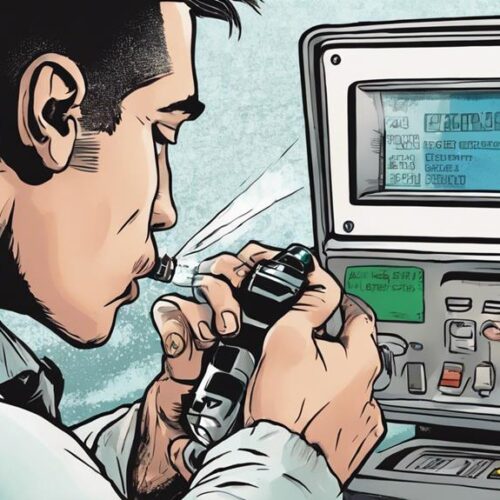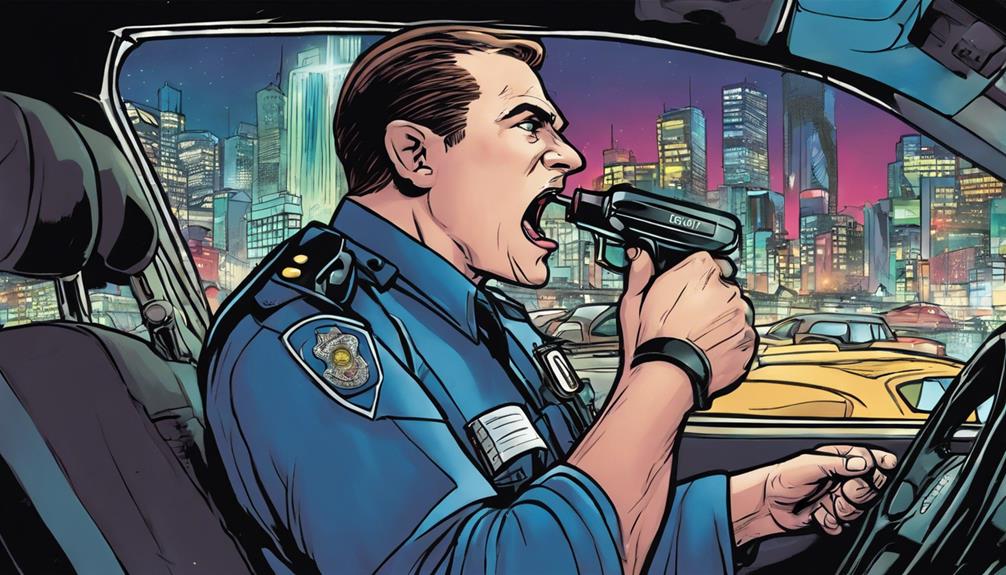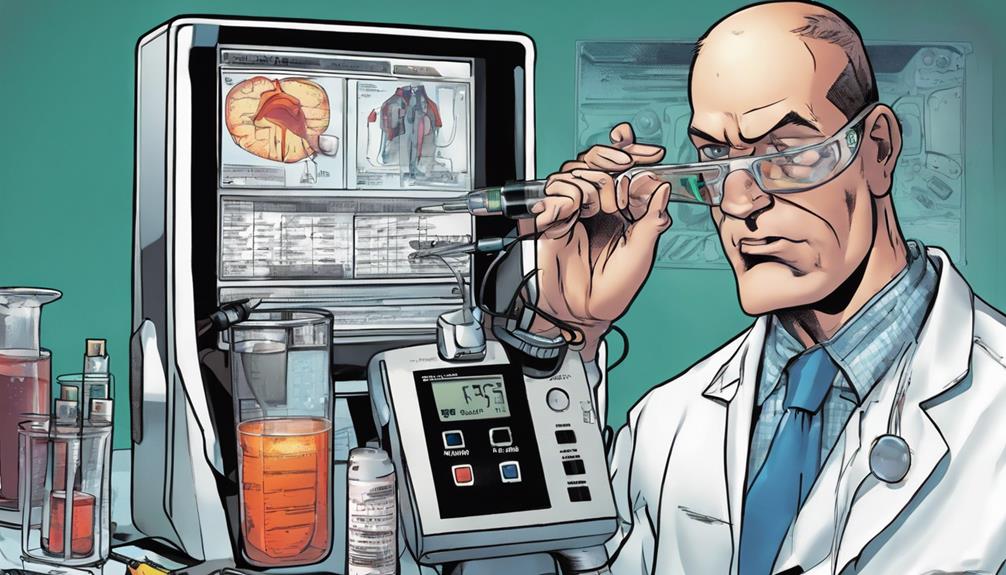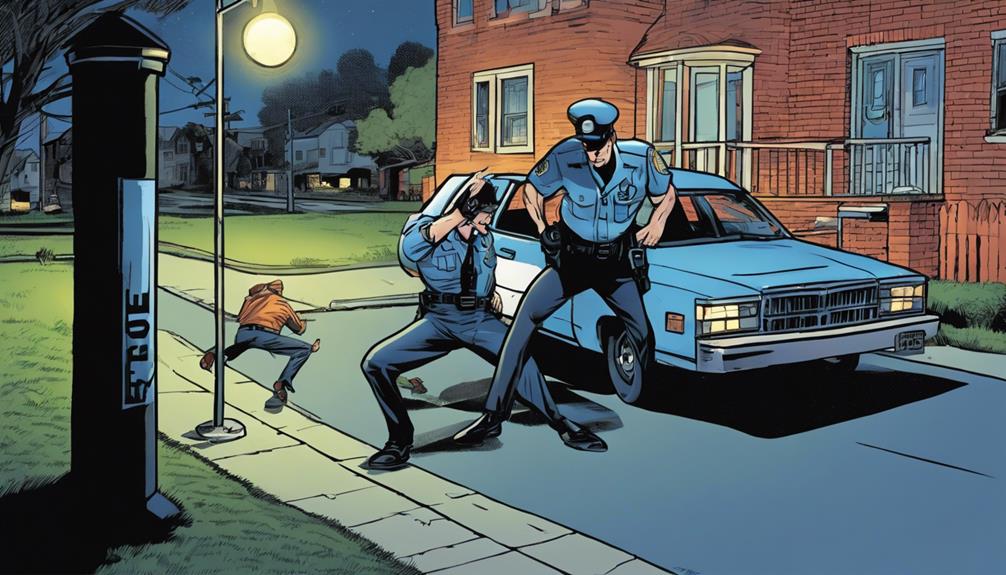
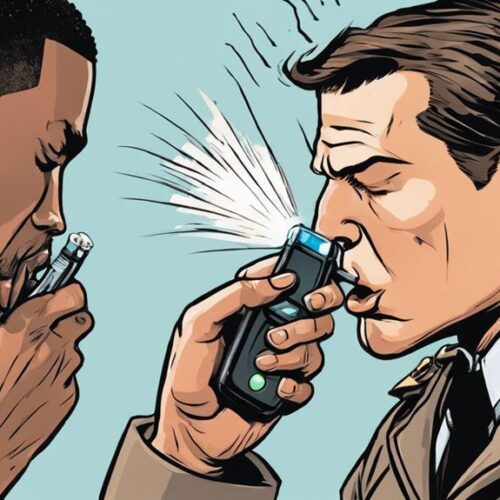
When you're pulled over for suspected DUI, the breathalyzer test isn't just a simple blow-and-go process. It starts with the officer ensuring the device is properly calibrated and ready for use. You'll be asked to avoid consuming anything for at least 15 minutes before the test, and then you'll need to exhale steadily into the mouthpiece. The officer will analyze the sample to determine your blood alcohol concentration (BAC), documenting every detail for legal purposes. But what happens if you refuse to take the test, or if there are issues with the device's calibration? Let's explore the implications and procedures involved.
Legal Requirements
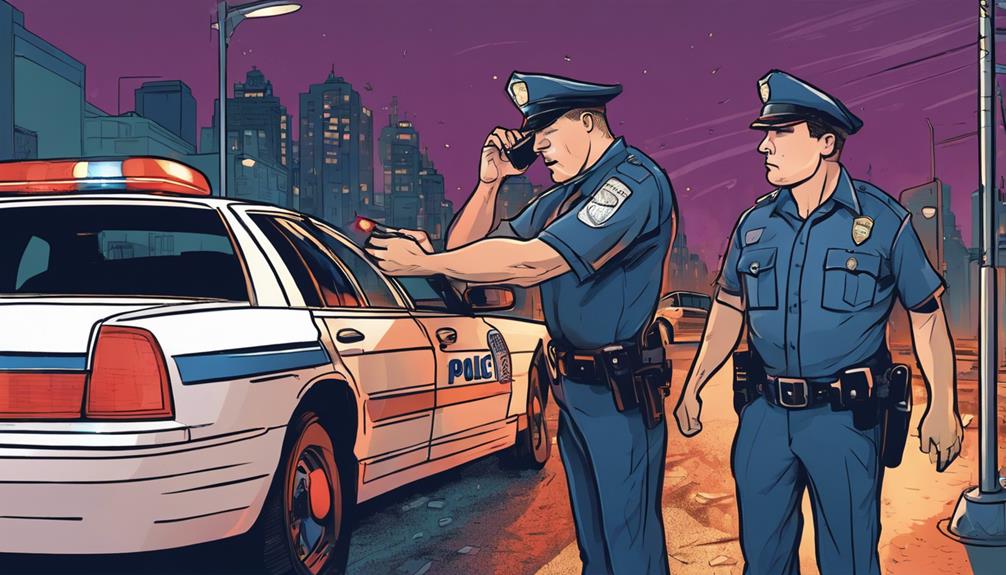
To understand the legal requirements for a breathalyzer test in DUI cases, you need to be aware of both federal and state regulations that dictate the procedures and standards for law enforcement.
At the federal level, the National Highway Traffic Safety Administration (NHTSA) sets guidelines for breathalyzer devices, ensuring they meet specific accuracy and reliability standards. These devices must undergo rigorous testing and certification processes to be deemed acceptable for use in the field.
State regulations can vary, but they generally align with federal standards to ensure uniformity. It's crucial to note that each state has its implied consent laws. By driving, you automatically consent to submit to chemical tests, including breathalyzers, to determine your blood alcohol concentration (BAC). Failure to comply can result in penalties such as license suspension.
Law enforcement officers must follow strict protocols when administering a breathalyzer test. This includes calibrating the device correctly, following a specified observation period before the test, and ensuring the test is conducted by a trained and certified officer.
Any deviation from these procedures can lead to the results being challenged in court, potentially affecting the outcome of a DUI case.
Initial Traffic Stop
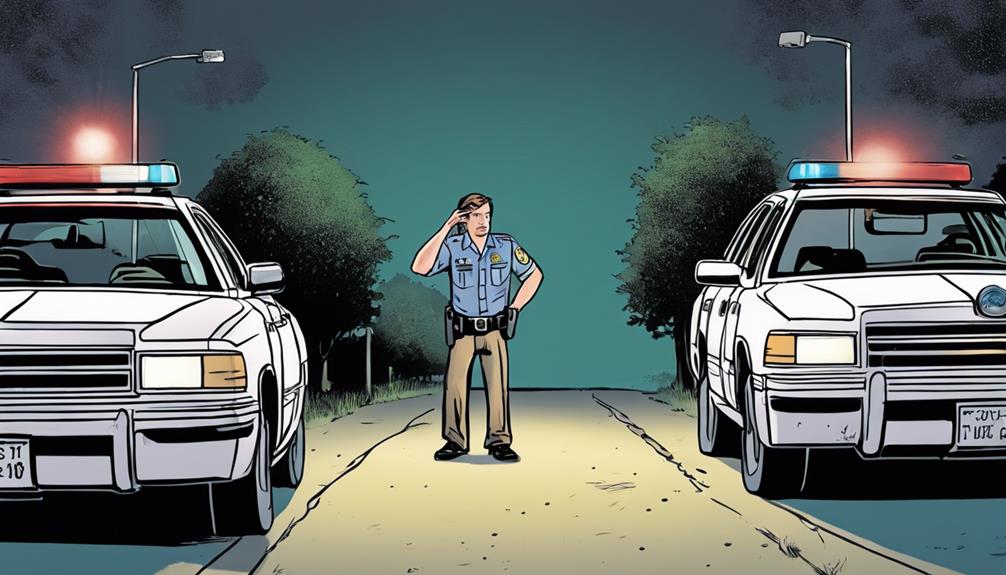
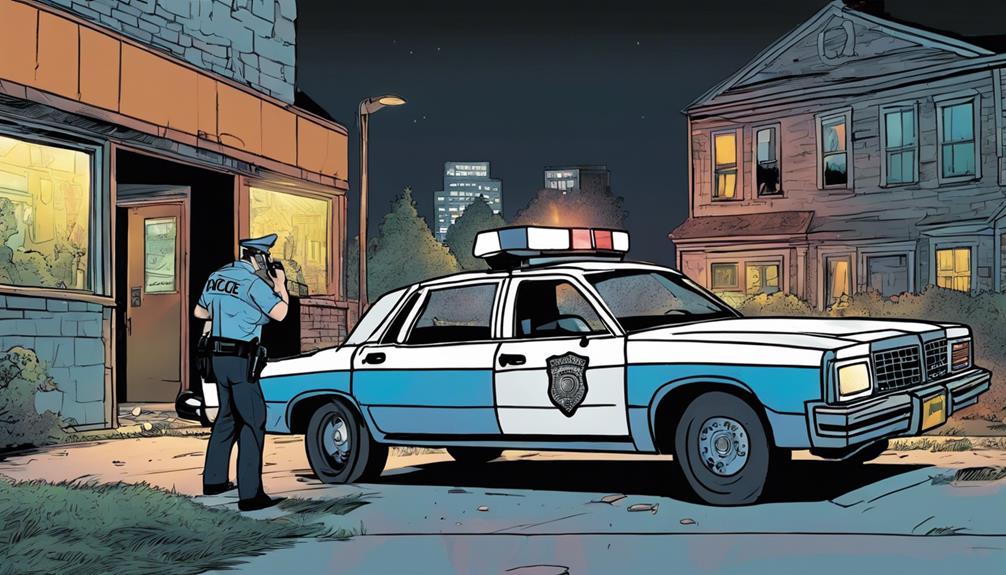
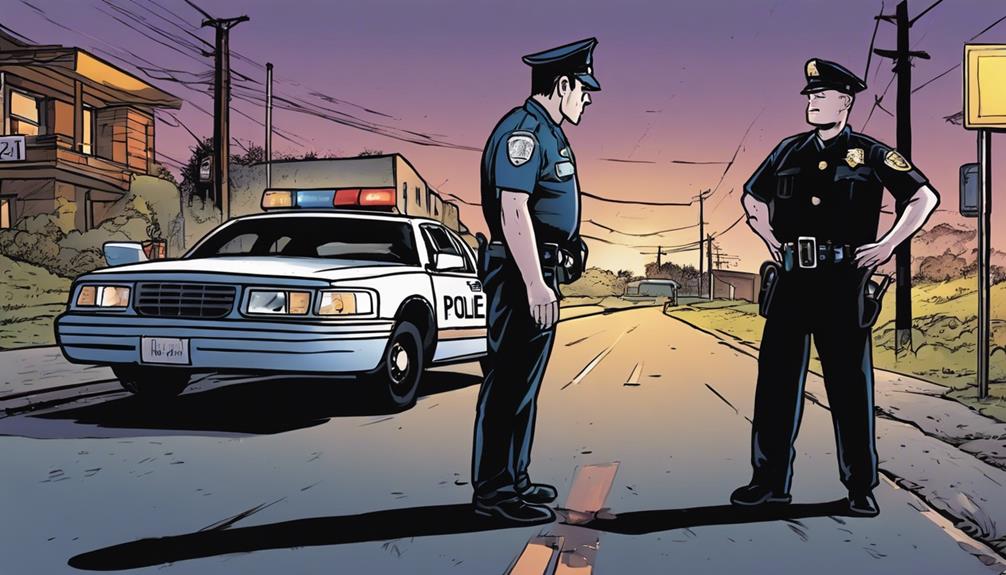
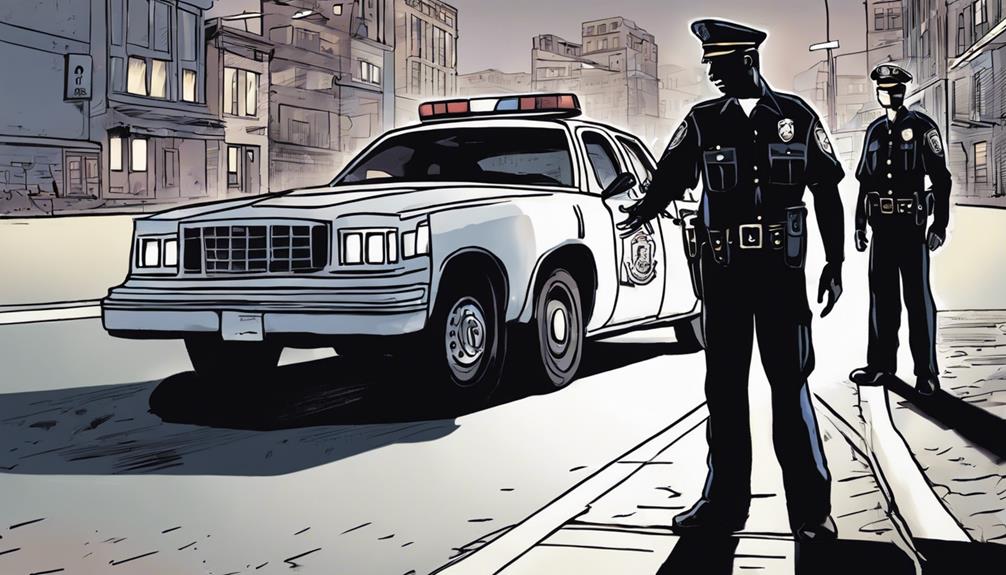
During an initial traffic stop, you'll encounter the officer's observational cues, such as erratic driving or the smell of alcohol.
The officer will document these observations and request your identification and vehicle information.
Understanding your rights and maintaining compliance is crucial to ensure a fair and legal process.
Officer's Observational Cues
When an officer initiates a traffic stop, they rely on several key observational cues to assess whether a driver might be under the influence of alcohol.
First, they observe the driver's behavior and physical appearance. Slurred speech, bloodshot eyes, and the smell of alcohol are immediate red flags. Additionally, they note the driver's coordination and motor skills. Difficulty retrieving documents or clumsy movements can indicate impairment.
Next, the officer watches for unusual driving patterns. Erratic lane changes, inconsistent speeds, and failure to obey traffic signals are common signs. They also consider the time and location of the stop. Late-night driving near bars or nightlife areas raises suspicion.
The officer may ask the driver simple questions to gauge their cognitive function. Confused or delayed responses can further suggest intoxication. They might also observe the driver's demeanor for signs of nervousness or aggression, which can be heightened by alcohol consumption.
These observational cues provide the initial evidence needed to justify further testing, such as a field sobriety test or breathalyzer. By meticulously documenting these indicators, the officer ensures that their assessment is grounded in observable, objective criteria.
Documentation and Requests
As the officer approaches your vehicle, they'll request specific documentation, such as your driver's license, registration, and proof of insurance. This process is a standard procedure during an initial traffic stop and serves to verify your identity and the legality of your vehicle's operation.
Ensuring you have these documents readily accessible can facilitate a smoother interaction.
When you hand over your documentation, the officer will scrutinize them to confirm their validity. They may also run a check through their database to ensure there are no outstanding warrants or issues related to your driving record. This verification step is crucial for both your safety and the officer's.
It's important to stay calm and collected during this process. Clear and organized documentation can expedite the officer's review and reduce the duration of the stop.
The officer will be observing your behavior for any signs of impairment, such as fumbling or difficulty locating documents.
Rights and Compliance
While the officer reviews your documents, understanding your rights and the importance of compliance during an initial traffic stop can significantly influence the outcome of the encounter.
First, you have the right to remain silent beyond providing basic information such as your name, address, and vehicle registration. Exercising this right can help you avoid self-incrimination. However, compliance with lawful orders, such as stepping out of the vehicle when asked, is crucial.
You should also know that you don't have to consent to a vehicle search unless the officer has probable cause. If an officer requests a search, you can politely decline. This refusal should be clearly stated but done so in a non-confrontational manner.
During the stop, the officer may observe your behavior for signs of impairment. Remaining calm and cooperative can prevent the escalation of suspicion. If the officer asks you to perform field sobriety tests, you can refuse, but this might lead to further investigation or arrest based on other observed indicators.
Officer's Observations

The officer's observations play a crucial role in determining the necessity of administering a breathalyzer test for DUI. From the moment you're pulled over, the officer begins to assess your behavior and physical state. They look for signs of intoxication, such as slurred speech, bloodshot eyes, or the smell of alcohol. These indicators provide an initial basis for suspicion.
Additionally, officers observe your coordination and motor skills. Simple tasks like retrieving your driver's license or exiting the vehicle can become challenging under the influence of alcohol. Field sobriety tests, such as walking in a straight line or standing on one leg, offer further insights into your level of impairment. The results of these tests contribute significantly to the officer's decision-making process.
Your responses to questions also matter. Inconsistencies or delayed reactions can indicate cognitive impairment. The officer notes these details meticulously because they form part of the evidence required to justify a breathalyzer test.
Consent to Testing
Once the officer has gathered sufficient observations indicating possible impairment, the next step involves obtaining your consent for a breathalyzer test.
In most jurisdictions, driving implies consent to such testing under 'implied consent' laws. These laws mean that by driving, you've already agreed to submit to chemical testing if lawfully requested by an officer.
When asked to take the test, you have the option to comply or refuse. If you refuse, the officer will inform you of the consequences, which often include automatic license suspension and possible fines. Refusal can also be used as evidence against you in court. The officer will usually read a standardized statement explaining these consequences before asking for your decision.
It's important to note that refusal doesn't prevent arrest. The officer can still proceed based on other evidence of impairment.
On the other hand, consenting to the test allows the officer to measure your blood alcohol concentration (BAC) directly. Be aware that the results can significantly impact the legal proceedings that follow.
Therefore, understanding your rights and the implications of your decision is crucial during this step.
Preparation for Test
Before taking a breathalyzer test, ensure you understand the proper procedure and what to expect during the process.
First, confirm that the device has been calibrated and maintained according to manufacturer guidelines. Calibration is crucial for accurate results, as a poorly calibrated device can lead to false readings.
You should avoid consuming any food, drink, or tobacco products for at least 15 minutes before the test. Residual substances in your mouth can interfere with the breathalyzer's sensors, leading to inaccurate measurements. Ensure you haven't used mouthwash or any other alcohol-based products recently, as these can also skew results.
Stay calm and follow the officer's instructions precisely. Stress or hyperventilation can affect your breath patterns and potentially impact the test outcome. It's essential to breathe normally and not try to manipulate your breathing, as doing so can be detected and may lead to invalid test results.
Lastly, make sure the testing environment is free from external factors that could contaminate the sample, such as strong odors or chemicals. A controlled environment ensures the breathalyzer measures your breath alcohol content accurately, reflecting your true level of impairment.
Conducting the Test
First, ensure the breathalyzer device is properly calibrated and functioning correctly.
Next, instruct the individual to exhale steadily into the device's mouthpiece until a sufficient sample is collected.
Lastly, analyze the sample immediately to obtain an accurate blood alcohol concentration (BAC) reading.
Preparing the Device
To ensure accurate results, calibrate the breathalyzer according to the manufacturer's guidelines before conducting the test. Calibration involves using a known standard to adjust the device's readings, ensuring its accuracy. Most devices require regular calibration, typically done using a gas mixture or a calibration solution. Follow the manufacturer's instructions precisely to avoid any errors.
Next, inspect the breathalyzer for any physical damage or defects. Check the mouthpiece, sensors, and display screen for cleanliness and functionality. Replace any disposable mouthpieces to maintain hygiene and accuracy. Ensure the device is fully charged or has fresh batteries to prevent power-related inaccuracies.
Once the device is calibrated and inspected, power it on and allow it to warm up. Most breathalyzers require a brief warm-up period to stabilize their internal sensors. Pay attention to any error messages or indicators on the display screen, as these could signal issues that need addressing before proceeding.
Administering the Test
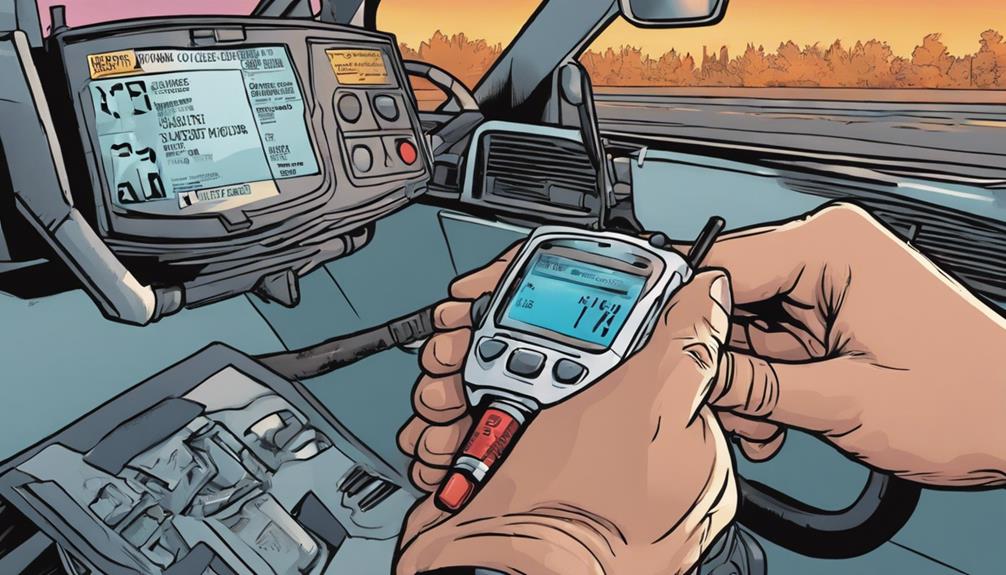
With the breathalyzer calibrated and inspected, instruct the individual to take a deep breath and blow steadily into the mouthpiece until the device indicates completion.
Ensure they blow continuously and steadily, as interruptions can affect the accuracy of the results. Once the breath sample is provided, the device will analyze the breath for alcohol content.
Monitor the breathalyzer's display for any error messages that may indicate a problem with the sample or device. If an error occurs, you may need to repeat the test. It's crucial to follow the manufacturer's guidelines for troubleshooting and re-testing to ensure the integrity of the results.
The breathalyzer will display the blood alcohol concentration (BAC) once the analysis is complete. Record the BAC reading immediately, along with the time and conditions of the test. This documentation is essential for legal purposes and ensures that the results are traceable and verifiable.
Instruct the individual to wait a few minutes before any re-testing if required, as residual alcohol in the mouth can skew results. By following these steps meticulously, you ensure the breathalyzer test is conducted accurately, providing reliable data for assessing DUI.
Analyzing Results
When analyzing breathalyzer test results, it's crucial to consider the device's calibration and the subject's physiological factors to ensure accuracy.
First, verify that the breathalyzer was calibrated correctly according to the manufacturer's specifications. Calibration discrepancies can lead to inaccurate readings, so cross-check the device's maintenance logs.
Next, examine the subject's physiological factors. Breathalyzer results can be influenced by the individual's body temperature, breathing patterns, and even the presence of certain medical conditions like diabetes or gastroesophageal reflux disease (GERD). Elevated body temperature can increase the alcohol concentration in the breath, leading to higher readings. Ensure the test subject hasn't consumed any substances that could produce false positives, such as mouthwash or certain medications.
Additionally, consider the timing of the test. Alcohol absorption rates vary based on food intake, metabolic rate, and time elapsed since drinking. A breathalyzer test conducted too soon or too late after alcohol consumption mightn't reflect the peak blood alcohol concentration (BAC).
Handling Refusals
Handling refusals of a breathalyzer test requires a comprehensive understanding of legal protocols and the potential implications for the subject.
When someone refuses to take a breathalyzer test, you need to follow a specific procedure to ensure compliance with the law. Initially, inform the individual of the implied consent law, which usually states that by obtaining a driver's license, they've agreed to submit to chemical tests if lawfully arrested for driving under the influence.
Next, clearly communicate the potential administrative penalties, such as automatic license suspension, that may result from refusal. Document the refusal meticulously, noting the time, location, and any statements made by the subject. This documentation can be crucial in subsequent legal proceedings.
Additionally, you should consider alternative methods for assessing intoxication. Field sobriety tests and observations of the subject's behavior may provide supplementary evidence. Recording these observations accurately and objectively is important.
Legal Consequences

Refusing a breathalyzer test can lead to significant legal consequences, such as automatic license suspension and potential criminal charges. In most jurisdictions, implied consent laws dictate that by driving, you agree to submit to breath, blood, or urine tests if lawfully arrested for driving under the influence (DUI). If you refuse the breathalyzer, your license could be suspended for a specified period, often ranging from six months to a year, depending on prior offenses.
Moreover, refusal can be used as evidence against you in court. Prosecutors may argue that your refusal indicates consciousness of guilt, which could influence the outcome of your case. Some states even impose additional fines and mandatory jail time for refusal beyond the penalties for a DUI conviction.
You should also be aware that refusing a breathalyzer doesn't guarantee you won't be tested. Law enforcement officers can obtain a warrant to administer a blood test, which could lead to the same or even more severe legal repercussions if you're found to be over the legal alcohol limit.
Understanding these consequences can guide your decisions if you find yourself in a DUI situation, ensuring you're aware of the potential impacts on your legal standing and driving privileges.
Conclusion
In conclusion, following the step-by-step breathalyzer test for DUI ensures accuracy and legal compliance.
By confirming the device's calibration, observing proper preparation, and documenting results meticulously, officers uphold rigorous standards.
Your cooperation in exhaling steadily into the mouthpiece allows for an accurate BAC reading.
Handling refusals and understanding legal consequences are crucial components.
This detailed process exemplifies the importance of precision in DUI enforcement, safeguarding both public safety and individual rights.