
You might not realize it, but a DUI record can seriously impact your professional licenses. Whether you're a doctor, lawyer, teacher, or pilot, that mark on your record can lead to delays in your application process and even disciplinary actions like probation or suspension. Regulatory boards are strict about transparency and rehabilitation efforts, so it's crucial to maintain a clean record. Employers often prefer candidates without DUIs due to liability concerns, which can affect your career advancement and job prospects. Curious about how specific fields are impacted and what steps you can take to mitigate these effects?
Medical Licenses

When it comes to medical licenses, a DUI record can significantly impact both the application process and the retention of your credentials. Medical boards scrutinize such offenses closely due to the high standards required in the healthcare profession. If you're applying for a medical license, a DUI on your record can lead to delays, additional background checks, or even outright denial. The board will assess the circumstances surrounding the DUI, including whether it signifies a pattern of behavior that could compromise patient care.
For those already holding a medical license, a DUI conviction can trigger disciplinary actions. You might face mandatory counseling, probation, or, in severe cases, suspension or revocation of your license. The board will consider factors like the severity of the offense and any previous infractions. Transparency is crucial; failing to disclose a DUI can result in harsher penalties than the offense itself.
Regular monitoring and compliance with any imposed conditions are essential to maintain your license. Rehabilitation efforts, such as attending substance abuse programs, can positively influence the board's decision. Consequently, understanding the repercussions of a DUI on your medical license is vital for your career stability.
Legal Licenses
Just as a DUI record can jeopardize your medical license, it can also pose significant risks to your legal license, affecting both your ability to practice law and your professional reputation. A DUI conviction may lead to disciplinary actions by the state bar association, ranging from fines and mandatory counseling to suspension or even disbarment.
When you apply for a legal license, you must disclose any criminal records, including DUIs. The character and fitness evaluation process scrutinizes this information closely. A DUI can be seen as a lapse in judgment and may raise concerns about your adherence to ethical standards. Additionally, if your DUI involves aggravating factors like repeated offenses or severe impairment, the consequences could be more severe.
Even after obtaining your license, a DUI can impact your career. Clients and law firms may view a DUI conviction as a sign of unreliability, which can hinder job prospects and client trust. Moreover, some legal fields, such as criminal defense or corporate law, may impose stricter scrutiny, making it even more challenging to advance.
Therefore, maintaining a clean record is crucial for sustaining a successful legal career and upholding your professional integrity.
Teaching Credentials

As an educator, a DUI record can complicate your teaching credentials.
You'll face potential issues with license renewal, eligibility to remain in the classroom, and stringent background check requirements.
Understanding these impacts is crucial to maintaining your professional standing.
License Renewal Concerns
Renewing teaching credentials can become a complex process if you have a DUI record. First, you need to understand that most state education departments require full disclosure of any criminal convictions, including DUIs. Failing to report a DUI can result in immediate disqualification or revocation of your teaching license. Transparency is crucial.
Next, you'll likely face additional scrutiny during the renewal process. The reviewing body may request supplementary documentation, such as court records, proof of completed DUI programs, and personal statements detailing the incident and its impact on your professional conduct. These documents help assess whether the DUI affects your ability to perform teaching duties responsibly.
Further, some states may mandate a hearing or an interview before renewing your credentials. During this process, you'll need to demonstrate rehabilitation and a commitment to maintaining professional standards. Evidence of ongoing education, community service, and positive character references can be beneficial.
Lastly, be aware that a DUI record may extend the renewal timeline. Processing times can increase due to the additional evaluation required. Thus, it's advisable to begin the renewal process early, ensuring you have ample time to address any complications arising from your DUI history.
Classroom Eligibility Impact
While navigating the complexities of license renewal with a DUI record, it's equally important to consider how such a conviction affects your classroom eligibility and overall teaching credentials. School districts and educational boards prioritize student safety and integrity, making a DUI a significant concern. Your teaching credentials may come under scrutiny, potentially leading to suspension or revocation depending on the severity of the offense and your jurisdiction's regulations.
A DUI conviction can raise questions about your judgment, reliability, and role model status. Administrators assess whether your behavior aligns with the ethical standards expected of educators. Even if your credential isn't immediately revoked, you might face disciplinary actions like probation or mandatory counseling.
Furthermore, your eligibility to work in certain schools or districts could be compromised. Many educational institutions have stringent policies regarding criminal records. A DUI could limit your employment opportunities, particularly in districts that enforce zero-tolerance policies for such offenses.
It's essential to understand the specific rules of your state's education board and to seek legal advice if you're facing DUI charges. Proactively addressing the issue and demonstrating commitment to rehabilitation can sometimes mitigate the impact on your teaching career.
Background Check Requirements
Ensuring your teaching credentials remain valid requires you to undergo thorough background checks, which scrutinize your criminal history and other relevant records. These checks are designed to ensure that educators meet stringent ethical and legal standards, safeguarding the well-being of students.
When you apply for or renew your teaching license, expect an investigation into your past, including any DUI offenses. A DUI can raise red flags, as it may be seen as evidence of poor judgment. Depending on the state, a DUI mightn't automatically disqualify you, but it will necessitate additional scrutiny. You may need to provide a detailed account of the incident, complete rehabilitation programs, or submit character references to demonstrate your commitment to maintaining professional standards.
School districts often conduct their own background checks on top of state requirements, evaluating your fitness for the classroom. If your record includes a DUI, be prepared for rigorous questioning. Each district has its own policies, but many adopt a zero-tolerance stance on criminal behavior.
Ultimately, maintaining a clean record is crucial for your career. Be proactive in addressing any issues that arise, and understand that transparency and accountability are key in retaining your teaching credentials amidst any complications.
Commercial Driver's Licenses
Having a DUI on your record can significantly impact your ability to obtain or maintain a commercial driver's license. Employers and regulatory bodies view DUIs as a major red flag because they indicate impaired judgment and a potential risk to public safety.
If you already hold a commercial driver's license, a DUI can lead to immediate suspension or revocation. The Federal Motor Carrier Safety Administration (FMCSA) enforces strict regulations, and a DUI may result in disqualification for up to one year for a first offense. Subsequent offenses can permanently disqualify you from holding a commercial driver's license.
For those seeking to obtain a commercial driver's license, a DUI record may present substantial hurdles. Many states have stringent requirements, and a past DUI can impede your eligibility. You might face longer waiting periods or additional scrutiny during the application process.
Financial implications are also considerable. Insurance premiums for commercial drivers with DUIs skyrocket, making you a less attractive candidate for employment. Employers often prefer hiring drivers with clean records to avoid these increased costs and potential liabilities.
Real Estate Licenses

Just as a DUI can complicate holding a commercial driver's license, it can also jeopardize your chances of obtaining or maintaining a real estate license. In real estate, your reputation and trustworthiness are critical. A DUI conviction raises questions about your judgment and reliability, which can deter licensing boards and clients alike.
When you apply for a real estate license, you must disclose any criminal convictions, including DUIs. Licensing boards will scrutinize your record to assess your fitness for the profession. A DUI isn't automatically disqualifying, but it can significantly impact the board's decision. They'll consider factors such as the severity of the offense, whether it was a one-time incident or part of a pattern, and how much time has passed since the conviction.
If you're already licensed, a DUI can still have serious repercussions. Many states require licensed real estate professionals to report any new criminal convictions.
Failure to do so can result in additional penalties, including suspension or revocation of your license. Even if you comply, the board might still impose disciplinary actions, such as fines or mandatory counseling.
In a profession built on trust, a DUI can be a substantial barrier to your success.
Financial Services Licenses
A DUI can seriously jeopardize your ability to obtain or maintain financial services licenses, where integrity and responsibility are paramount. Regulatory bodies like the Financial Industry Regulatory Authority (FINRA) scrutinize your criminal record, including DUI convictions, to assess your suitability for roles in finance. A DUI suggests impaired judgment and a lack of personal accountability, which are critical red flags in a field that demands high ethical standards.
When you apply for a license, you're required to disclose any criminal history, including DUIs. Failing to do so can lead to severe penalties, including license denial or revocation. Even if you're already licensed, a DUI can trigger disciplinary actions, fines, or suspension. You might also face increased scrutiny in future audits or reviews, making your professional life more challenging.
Insurance agencies, investment firms, and banks often conduct their own background checks. A DUI on your record can affect your employability, as firms are wary of hiring individuals who could potentially damage their reputation. Therefore, maintaining a clean record is crucial if you're pursuing or already hold a financial services license. Always consider the long-term impact of your actions on your professional credentials.
Nursing Licenses
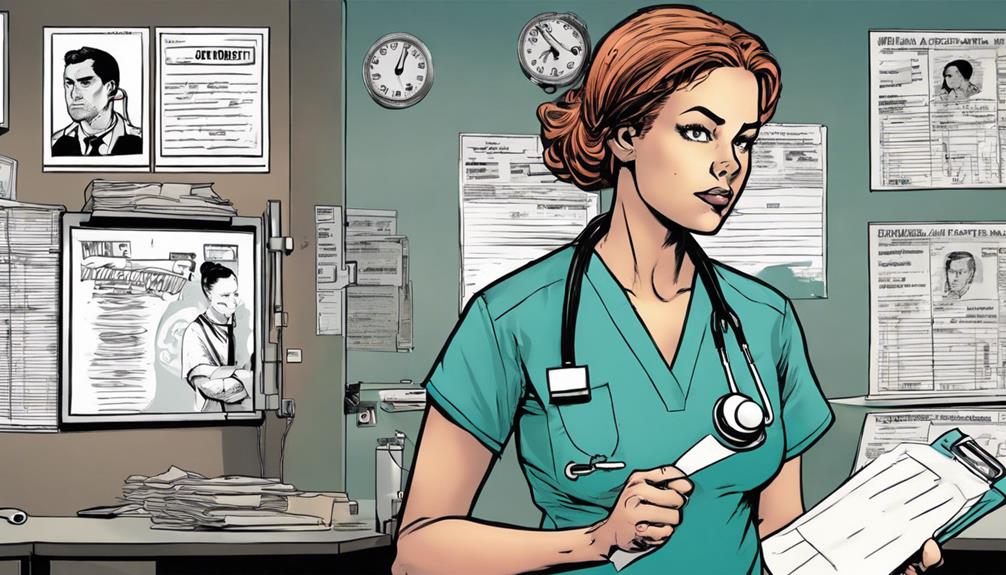
If you've received a DUI, you must report the incident to the nursing board, which can take disciplinary actions that might affect your license.
These actions often include mandatory participation in rehabilitation programs designed to ensure patient safety and professional integrity.
Understanding these requirements is crucial to maintaining your nursing credentials.
Reporting DUI Incidents
When it comes to nursing licenses, promptly reporting DUI incidents is crucial to maintain professional integrity and compliance with regulatory standards. You need to understand that failing to report can lead to severe repercussions. Most nursing boards require you to disclose any DUI arrests or convictions within a specified time frame, usually 30 to 60 days. Ignoring this mandate can be viewed as an attempt to conceal the incident, thereby exacerbating the situation.
Your employer and the state nursing board should be informed immediately. Transparent communication helps in mitigating potential disciplinary actions. It's important to review your state's specific requirements, as they can vary. Some states might require a written explanation, while others may necessitate a hearing.
You should also consult with legal counsel to navigate the complexities involved. They can help you prepare the required documentation and advise you on how to present your case to the board. Additionally, some boards may offer diversion programs focused on rehabilitation rather than punishment, which can be beneficial for both your career and personal growth.
Disciplinary Actions Taken
Facing DUI charges as a nurse often results in disciplinary actions from the nursing board, which can include license suspension, mandatory rehabilitation programs, or even revocation of your license. Your professional standing is at risk, and the board's response can be swift and severe. They'll evaluate the severity of your DUI offense, any prior disciplinary history, and your general conduct as a healthcare provider.
When a nursing board decides on disciplinary actions, they aim to protect public safety. A DUI conviction calls your judgment and reliability into question. You might face immediate license suspension while the board investigates further. If they determine your conduct poses a significant threat, they could suspend your license indefinitely or even revoke it permanently.
In some cases, the board may impose conditions like mandatory counseling or community service. Compliance with these requirements is crucial; failing to meet them can lead to harsher penalties. Each action taken by the nursing board is documented in your professional record, potentially affecting future employment opportunities.
It's essential to approach this process with seriousness, fully understand the implications, and take steps to mitigate the impact on your nursing career.
Rehabilitation Program Requirements
Understanding the rehabilitation program requirements set by the nursing board is pivotal in navigating the aftermath of a DUI charge. You'll need to be aware of several key components to comply effectively and protect your nursing license.
First, you'll likely be required to enroll in a state-approved rehabilitation program. These programs often include mandatory substance abuse counseling, regular attendance at support group meetings, and routine drug and alcohol testing. The frequency and duration of these requirements can vary based on the severity of your DUI offense and any prior infractions.
Next, expect to submit periodic progress reports to the nursing board. These reports typically have to be completed by your rehabilitation program coordinator and will detail your attendance, participation, and overall progress. Failure to provide timely and accurate reports can result in further disciplinary action.
Additionally, you might have to attend educational courses focused on the impact of substance abuse on professional practice. These courses aim to reinforce the importance of maintaining sobriety while performing nursing duties.
Lastly, be prepared for the possibility of a probationary period where your practice will be closely monitored. Compliance with all program requirements is crucial to demonstrating your commitment to rehabilitation and retaining your nursing license.
Pilots' Licenses
A DUI conviction can significantly impact a pilot's ability to maintain their professional license and career. The Federal Aviation Administration (FAA) has stringent regulations regarding alcohol-related offenses. If you're a pilot, a DUI can result in immediate reporting requirements. You must notify the FAA within 60 days of your conviction or administrative action, such as a license suspension.
Failing to report a DUI can lead to severe penalties, including suspension or revocation of your pilot's license. Even if you report it promptly, the FAA may still initiate an investigation to determine if you're fit to fly. This process often includes a thorough review of your medical certification, as substance abuse issues can disqualify you from holding a valid medical certificate, which is essential for piloting.
Additionally, airlines have their own policies regarding DUI convictions. Some may impose mandatory leave or require you to undergo substance abuse treatment programs.
A single DUI can also affect your employability, as airlines prioritize safety and may view a DUI as a significant risk factor.
Engineering Licenses

Engineering licenses are also subject to scrutiny when DUI convictions occur. If you're an engineer, a DUI can lead to serious professional repercussions. Regulatory boards closely monitor adherence to ethical and professional standards, and a DUI conviction might put your judgment and reliability into question.
You'll likely face an investigation by the licensing board, and they may impose penalties ranging from fines to suspension or even revocation of your license. You'll need to report the conviction, and failure to do so could worsen your situation. The board will consider factors like the severity of the offense, whether it's a first-time or repeat offense, and any remedial actions you've taken.
Don't underestimate the importance of legal counsel. Consulting with an attorney who specializes in professional license defense can help you navigate this complex process. They can assist you in presenting a compelling case to the board, showing that you're taking steps to address any issues related to the DUI.
Ultimately, maintaining transparency, showing genuine remorse, and taking corrective actions are crucial. Your engineering career depends on your ability to demonstrate that you can uphold the high standards required in the profession.
Conclusion
As you navigate your professional journey, remember that a DUI record can severely impact your career prospects across various fields.
Maintaining a clean record is essential for avoiding application delays, mandatory disclosures, and possible disciplinary actions.
Transparency and demonstrating rehabilitation efforts are crucial for mitigating these effects.
Ultimately, ensuring a spotless record not only enhances your career advancement but also makes you a more attractive candidate to employers concerned about liability issues.