
When you're navigating the job market, a DUI on your record can create significant hurdles. Employers often conduct background checks, and a DUI conviction can raise questions about your reliability and decision-making. This is particularly critical if you're eyeing careers in regulated industries like transportation, healthcare, or finance, where trust and responsibility are paramount. Additionally, professional licenses and security clearances might be harder to obtain, making it essential to show genuine rehabilitation. So, how can you effectively address this blemish on your record and still land your dream job?
Understanding DUI Records
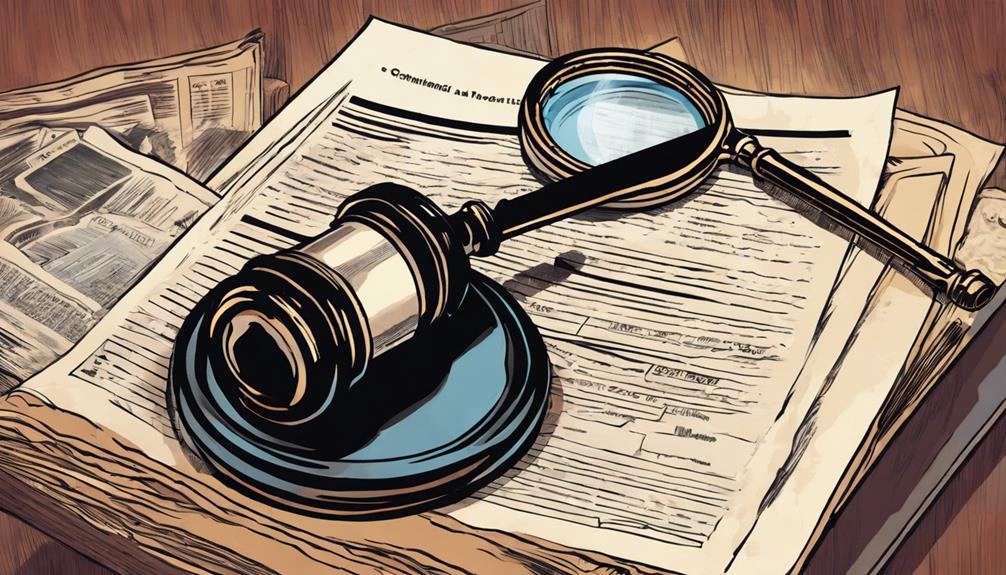
A DUI record is a formal documentation of an individual's conviction for driving under the influence of alcohol or drugs. This record typically includes details such as the date of the offense, the jurisdiction in which it occurred, and the penalties imposed. It's maintained by law enforcement agencies and the courts, ensuring that your conviction is officially noted and accessible.
You should understand that a DUI record can have far-reaching consequences beyond legal penalties. The record is more than just a note in a database; it's a reflection of your judgment and behavior. Employers, licensing boards, and other entities can access this information, which can influence their decisions regarding your employment or professional licensing.
Moreover, a DUI record isn't easily expunged or sealed. The process of removing such a conviction from your record is complex and varies by jurisdiction. It often requires legal intervention and a significant amount of time. Therefore, once you have a DUI on your record, it can follow you for years, affecting various aspects of your personal and professional life.
Understanding the gravity of a DUI record is crucial for navigating its implications effectively.
Background Checks and DUIs
When a DUI appears on your criminal record during a background check, it can raise significant issues with potential employers.
They may question your reliability and trustworthiness, leading to concerns about hiring you.
Consequently, this can result in higher rejection rates for job applications.
Criminal Record Visibility
Employers often conduct background checks to assess a candidate's criminal history, including any DUIs. When you apply for a job, your criminal record can be accessed by potential employers, and any DUI convictions will likely be visible. This visibility can significantly impact your employment opportunities, as many companies have policies against hiring individuals with certain types of criminal records.
The extent to which a DUI affects your job prospects depends on several factors, including the nature of the job, the company's policies, and the specifics of the DUI offense. For example, positions that involve driving or operating heavy machinery may be less accessible if you have a DUI on your record. Additionally, some industries, like finance or education, often have stricter background check requirements.
It's essential to understand that not all background checks are the same. Some employers may conduct more thorough checks, revealing more detailed information about your criminal history, while others may perform only basic checks. Thus, the visibility of your DUI can vary.
Ensuring you're aware of your record and how it might appear during a background check is crucial for navigating future employment opportunities.
Employer Trust Issues
Trust issues can arise for employers when they discover a DUI on a candidate's background check. Employers often interpret a DUI as an indicator of poor judgment, reliability concerns, and potential risk to company reputation. They may question your ability to make sound decisions, especially in high-stakes situations. This skepticism can be particularly pronounced in industries where safety and trust are paramount, such as transportation, healthcare, and education.
Additionally, a DUI might suggest to employers that you could be a liability, either through potential legal issues or by negatively impacting workplace morale. Employers have a duty to maintain a safe and productive environment, and they may view a DUI as a red flag that complicates this responsibility. This can lead to a lack of confidence in your ability to perform job duties effectively, especially those that require a high degree of trust.
Moreover, the presence of a DUI on your record could be seen as a reflection of your personal values and reliability. Employers might worry about your commitment to adhering to company policies and ethical standards. Consequently, building trust with a potential employer becomes significantly more challenging when a DUI is part of your history.
Job Application Rejections
A DUI on your record often leads to job application rejections, as employers uncover such offenses during background checks. When you apply for a job, potential employers typically perform background checks to verify your criminal history. A DUI conviction signals to employers that you may exhibit risky or irresponsible behavior, which can be a red flag. Many companies, especially those in industries requiring high levels of trust and responsibility, may view a DUI as a liability.
Employers in fields such as transportation, healthcare, education, and finance often have stringent hiring policies. They prioritize applicants with clean records to ensure the safety of their clients and maintain their reputation. A DUI on your record can therefore diminish your chances of securing employment in these sectors. Furthermore, some companies have policies that automatically disqualify candidates with criminal records, including DUIs.
Moreover, the presence of a DUI on your record may lead to additional scrutiny during the hiring process. Employers might question your reliability and judgment, leading to hesitation in extending a job offer. Consequently, a DUI can significantly hinder your job prospects, making it essential to understand its long-term implications on your career.
Job Application Disclosures

When completing job applications, you must disclose any DUI convictions accurately and honestly. Failing to do so could lead to immediate disqualification or future termination if the employer discovers the omission. Many applications include direct questions regarding criminal history, and your integrity in answering these questions is crucial.
Employers often conduct background checks as part of their hiring process. If a DUI conviction appears that you didn't mention, it creates a perception of dishonesty, damaging your credibility. Transparency is essential as some employers may be lenient if you demonstrate accountability and explain the circumstances surrounding the conviction.
It's also vital to understand the legal requirements in your jurisdiction, as some regions may have specific laws regarding the disclosure of criminal records. Familiarize yourself with these regulations to ensure compliance and avoid unnecessary legal complications.
Crafting a well-thought-out explanation for your DUI can also be beneficial. Focus on lessons learned and steps taken for rehabilitation. This approach can help mitigate the negative impact of the conviction.
In essence, addressing your DUI openly allows potential employers to assess your suitability more fairly, potentially preserving your employment opportunities.
Impact on Professional Licenses
Beyond job applications, a DUI conviction can severely impact your ability to obtain or retain professional licenses. Many professions, including healthcare, law, and education, require individuals to hold valid licenses, which are subject to rigorous ethical and legal standards. A DUI conviction often signals a lapse in judgment and responsibility, traits that regulatory boards scrutinize closely.
If you're applying for a professional license, you'll likely face mandatory disclosure of any criminal convictions, including DUIs. Licensing boards have the authority to deny applications based on such disclosures. Even if you already possess a license, a DUI conviction can trigger disciplinary actions, ranging from fines to suspension or revocation of the license.
It's essential to understand that each regulatory board operates under specific guidelines, and the impact of a DUI may vary. For instance, medical boards often impose stricter penalties compared to other professions. In many cases, demonstrating rehabilitation and compliance with legal requirements can mitigate some negative consequences. However, the process is typically lengthy and complex, requiring legal counsel and substantial documentation.
Security Clearance Issues

When you face a DUI, trustworthiness and reliability become immediate concerns that can affect your security clearance.
The incident will appear on background checks, potentially hindering your ability to access sensitive information.
Employers may question your judgment and dependability, complicating your professional prospects.
Trustworthiness and Reliability Concerns
A DUI conviction can severely undermine your perceived trustworthiness and reliability, particularly if you hold or are seeking a security clearance. Employers, especially those in sensitive sectors like government or defense, prioritize candidates with unblemished records. A DUI signals potential issues with judgment and self-control, critical factors when evaluating someone's eligibility for security clearance.
When you're entrusted with classified information or critical responsibilities, any hint of instability can be a red flag. A DUI may indicate to employers that you could be susceptible to risky behaviors, making you a liability in high-stakes environments. Trust and reliability are non-negotiable traits for roles requiring security clearance; a DUI compromises these attributes.
Moreover, the process for obtaining or maintaining a security clearance involves rigorous scrutiny of your personal history. A DUI conviction can lead to questions about your overall character and decision-making skills. Employers might doubt your ability to handle sensitive information responsibly if they perceive you as having a propensity for poor choices. This can delay or even terminate your clearance application or renewal, severely affecting your career prospects in fields that demand high levels of trustworthiness and reliability.
Background Check Implications
In addition to trustworthiness concerns, a DUI conviction can significantly impact the background check process, particularly when applying for positions that require security clearance.
Security clearance is a crucial factor for roles in government, defense, and certain private sectors. A DUI can raise red flags during your background check, suggesting potential issues with judgment, reliability, and self-control.
When undergoing a background check for security clearance, investigators will scrutinize your criminal record. A DUI conviction may result in a more rigorous evaluation, potentially leading to delays or even denial of clearance. Agencies assess the severity, recency, and frequency of the offense. If the DUI is recent or part of a pattern, it could be interpreted as a higher risk.
Furthermore, the adjudicative guidelines for granting security clearances emphasize personal conduct and criminal behavior. A DUI might indicate vulnerability to coercion or pressure, undermining your ability to safeguard sensitive information.
Mitigating factors, such as evidence of rehabilitation or time elapsed since the offense, can influence the outcome. However, the mere presence of a DUI on your record complicates the clearance process, making it essential to address this issue proactively during your application.
Employer Liability Concerns
Employers face significant liability concerns when an employee with a DUI is involved in work-related incidents. If you hire someone with a past DUI, you could be held accountable for negligence, especially if their role involves driving. Should an accident occur, your organization may face hefty legal consequences, including lawsuits and insurance claims.
Additionally, you must consider the reputational damage. Customers and clients may lose trust in your brand if they learn that you employ individuals with DUIs, particularly if those individuals are in roles that require responsibility and reliability. The potential for negative publicity can't be ignored, as it can affect your company's public image and bottom line.
Furthermore, your insurance premiums might increase. Insurers view employees with DUIs as high-risk, leading to higher costs for coverage. This can be a significant financial burden, affecting your overall budget and resource allocation. You might even face difficulties securing insurance altogether, which can impact your operational capabilities.
Therefore, it's crucial to conduct thorough background checks and consider the potential implications carefully before making hiring decisions. By doing so, you can mitigate risks and safeguard your organization from possible liabilities associated with employing individuals with DUIs.
Industry-Specific Challenges

While considering employer liabilities, it's important to recognize that certain industries face unique challenges when hiring individuals with a DUI record.
For instance, in the transportation sector, a DUI can be particularly problematic. Employers in this industry must prioritize safety and compliance with stringent regulations. A DUI could disqualify candidates from obtaining necessary commercial driving licenses, making them unsuitable for many roles.
Healthcare is another field where a DUI can be detrimental. Professionals in this industry often need to maintain high ethical standards and a clean record. A DUI may raise concerns about a candidate's reliability and judgment, potentially jeopardizing patient safety and institutional trust.
In finance, trust and integrity are paramount. A DUI on your record could cast doubt on your decision-making skills and reliability, making it difficult to secure positions that handle sensitive financial information.
Finally, education and childcare sectors are highly sensitive to any criminal history. Schools and childcare facilities must ensure the safety and well-being of children. A DUI conviction could lead to immediate disqualification due to stringent background checks and regulatory requirements.
Understanding these industry-specific challenges is crucial for evaluating the impact a DUI can have on future employment prospects.
Rehabilitation and Employment
To mitigate the impact of a DUI on your employment prospects, focus on demonstrating personal growth and building trust again.
Participation in skills development programs can also enhance your employability.
Employers value candidates who show commitment to rehabilitation and continuous improvement.
Demonstrating Personal Growth
Showing that you've taken concrete steps towards rehabilitation can significantly bolster your chances of securing employment after a DUI. Prospective employers will look for evidence of your commitment to personal growth. Enrolling in alcohol education programs, attending counseling sessions, and participating in community service are tangible actions that demonstrate your dedication to change.
Document these efforts meticulously. Keep records of completed courses, certificates, and any letters of recommendation from program leaders. Presenting this documentation during interviews can provide concrete proof of your efforts and show that you've addressed the root causes of your DUI.
Moreover, seeking professional development can also signal personal growth. Obtain new certifications, attend workshops, or take relevant courses to improve your skills. This not only enhances your resume but also shows that you're continually striving to better yourself, despite past mistakes.
It's also beneficial to reflect on the lessons learned from the DUI incident and articulate how these experiences have made you more responsible and aware. This reflection can be incorporated into cover letters or discussed during interviews, offering a narrative of growth and self-improvement that employers value.
Building Trust Again
Rebuilding trust with potential employers after a DUI requires consistent and transparent efforts to demonstrate your reliability and commitment to making better choices. You need to show employers that you've taken substantial steps to rectify past mistakes. Start by addressing the issue head-on during interviews, providing a concise explanation of the incident and focusing on the positive changes you've made since then. Honesty is key; employers will appreciate your willingness to confront the past directly.
Next, demonstrate your reliability through actions, not just words. Obtain letters of recommendation from previous employers or supervisors who can vouch for your character and work ethic. If possible, engage in community service or volunteer work, showcasing your commitment to contributing positively to society. These actions reflect a proactive approach to personal rehabilitation.
Additionally, maintain a clean record and remain transparent about your efforts to avoid future infractions. Regularly update potential employers on any relevant progress, such as completing court-mandated programs or attending counseling sessions. Consistent communication and demonstrated improvement can gradually rebuild the trust necessary for employment opportunities.
Focus on illustrating your dedication to personal growth and responsible behavior, ensuring employers see you as a dependable candidate.
Skills Development Programs
Participating in skills development programs can significantly enhance your employability and demonstrate your commitment to personal and professional rehabilitation. These programs often focus on providing you with the tools and knowledge necessary to improve your competencies. By enrolling in such programs, you show potential employers that you're proactive in addressing your past mistakes and dedicated to self-improvement.
Skills development programs may include vocational training, educational courses, or workshops aimed at enhancing specific job-related skills. Completing these programs can help you acquire certifications or credentials that make you a more attractive candidate in the job market. Additionally, engaging in these programs can help fill employment gaps on your resume, which can be particularly beneficial if your DUI resulted in a period of unemployment.
Moreover, participation in these programs can aid in rebuilding your professional network. You'll have the opportunity to connect with instructors, peers, and potential mentors who can provide valuable references or job leads. Demonstrating that you've taken concrete steps to improve yourself can mitigate some of the negative perceptions associated with a DUI, thereby increasing your chances of securing future employment.
Legal Protections for Applicants

Many jurisdictions have laws that restrict employers from discriminating against applicants with a DUI record. These legal protections aim to ensure that your past mistakes don't unduly hinder your ability to secure future employment.
For instance, some states have 'ban the box' laws that prohibit employers from asking about criminal records on initial job applications. These laws encourage employers to evaluate your qualifications first, before delving into your criminal history.
Additionally, the Equal Employment Opportunity Commission (EEOC) provides guidelines to prevent discrimination. Employers must consider the nature and gravity of the offense, the time elapsed since the conviction, and its relevance to the job in question. By doing so, they're required to conduct an individualized assessment rather than imposing blanket rejections.
You also have rights under the Fair Credit Reporting Act (FCRA), which mandates that employers must obtain your consent before running a background check. If an employer decides not to hire you based on the results, they must provide you with a copy of the report and an opportunity to dispute its accuracy.
Understanding these protections helps you navigate the job market more effectively and ensures you know when your rights might be violated.
Strategies for Moving Forward
Effectively moving forward after a DUI requires a strategic approach that emphasizes personal growth, professional development, and proactive communication with potential employers.
First, focus on personal growth by addressing any underlying issues related to the DUI. This might include attending counseling, participating in substance abuse programs, or engaging in community service. Such actions demonstrate responsibility and a commitment to change.
In terms of professional development, enhance your skills and qualifications to improve your employability. Consider taking additional courses, obtaining certifications, or gaining relevant experience through volunteer work. By doing so, you not only bolster your resume but also show potential employers your dedication to self-improvement.
Proactive communication with potential employers is essential. When discussing your DUI, be honest and concise. Acknowledge the incident, highlight the steps you've taken to address it, and emphasize your qualifications and positive attributes. This transparency can build trust and demonstrate your integrity.
Conclusion
You must recognize how a DUI can influence your employment prospects.
It's vital to be transparent about your past, demonstrate rehabilitation, and understand your legal protections.
Address potential red flags proactively to mitigate employer concerns.
By taking these steps, you can better navigate the challenges posed by a DUI conviction, enhancing your chances of securing employment despite the initial setbacks.