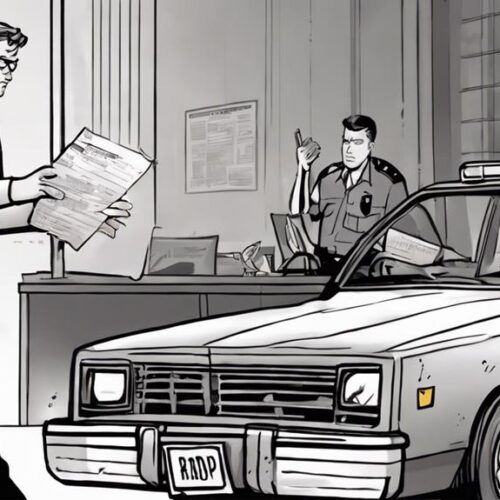
When you're applying for a job, a DUI on your record can significantly impact your chances of success. Employers frequently conduct background checks, and a DUI can raise immediate concerns about your judgment and reliability. This is particularly crucial for positions involving driving or in safety-sensitive industries. Companies prioritize candidates they can trust to mitigate liability risks, and a DUI conviction often sets off alarm bells. But why exactly does this single incident weigh so heavily in the hiring process? Let's explore the various factors that contribute to this issue and what you can do to navigate these challenges more effectively.
Legal Consequences
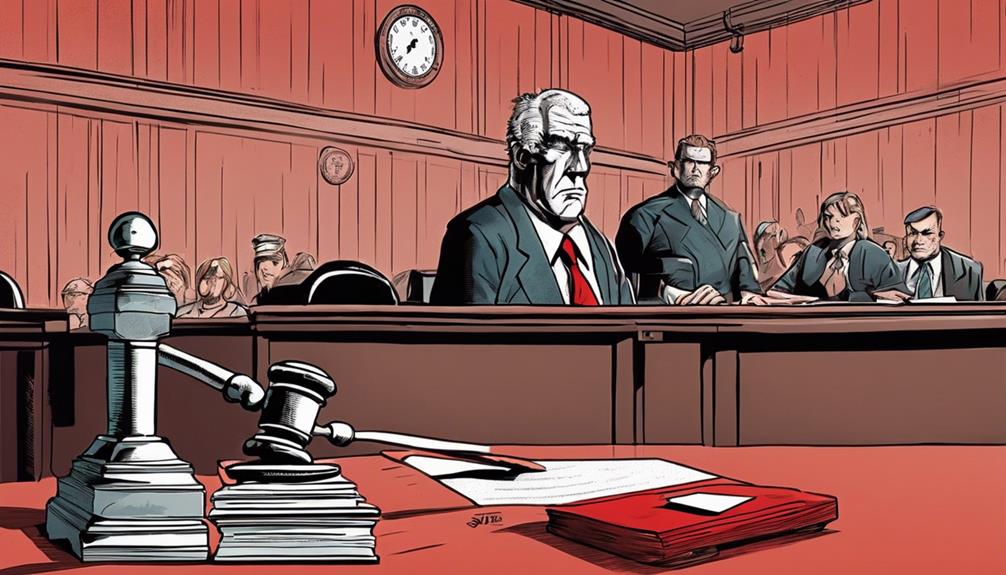
When you're applying for a job, a DUI conviction can bring legal consequences that directly affect your employability. First and foremost, a DUI is a criminal offense, which means it will appear on your criminal record. Many employers conduct thorough reviews of criminal histories, and a DUI can raise red flags. Depending on the job, certain industries have zero-tolerance policies for criminal records, especially those involving alcohol or drug-related offenses.
If your job requires you to drive, a DUI can be particularly damaging. A conviction often results in a suspended or revoked driver's license, making it legally impossible for you to fulfill job responsibilities that involve driving. This legal restriction can disqualify you from positions in transportation, delivery, or any role requiring a valid license.
Additionally, a DUI can impose probationary terms that may limit your availability. Probation conditions often require regular check-ins, community service, and mandatory attendance at educational programs. These obligations can interfere with your work schedule, making you a less attractive candidate to potential employers.
Understanding these legal ramifications is crucial. By knowing how a DUI impacts your job prospects, you can take proactive steps to address any concerns potential employers might have.
Background Checks
When employers conduct background checks, your DUI will likely appear, requiring you to disclose your criminal record.
This can raise employer liability concerns, especially if the position involves driving or handling sensitive information.
Demonstrating trust and reliability becomes crucial to mitigating the impact of your past offense.
Criminal Record Disclosure
Disclosing a DUI on job applications can significantly impact your employment prospects, as employers often conduct thorough background checks. When you apply for a job, many employers will run a criminal background check to assess your suitability. It's essential to be upfront about your DUI conviction because failing to disclose it can lead to immediate disqualification if discovered later.
Employers may require you to fill out a section on the application that asks about your criminal history. Honesty is crucial here. If the application specifically asks about DUI convictions, disclose it clearly. You should also be prepared to discuss it during interviews, providing context and demonstrating how you've learned from the experience.
Different states have varying laws regarding what criminal information can be considered by employers. Some states have “ban-the-box” laws that restrict when and how employers can inquire about criminal records. Despite these protections, a DUI can still influence hiring decisions, especially for roles involving driving or safety-sensitive responsibilities.
Understanding your rights and the specific disclosure requirements in your state can help you navigate this challenging aspect of job applications. Consulting with a legal expert may also provide you with tailored advice to improve your chances of employment.
Employer Liability Concerns
Employers face significant liability concerns when conducting background checks, especially if a DUI conviction is involved. When you hire someone with a DUI record, you assume potential risks that could impact your business. If the employee drives as part of their job duties and causes an accident, you could be held liable for negligent hiring. This legal concept implies that you didn't exercise due diligence in your hiring process, leading to harm caused by the employee.
You're also responsible for maintaining a safe work environment. Employees with a history of DUI might pose a higher risk of substance abuse issues, which could jeopardize workplace safety. An incident involving such an employee can lead to costly legal battles and damage to your company's reputation.
When you conduct background checks, it's crucial to comply with Fair Credit Reporting Act (FCRA) guidelines. You must obtain the applicant's consent and provide them with a copy of the report if adverse action is taken based on its content. This legal framework protects both your interests and the applicant's rights, ensuring a fair hiring process.
Trust and Reliability
Conducting thorough background checks is essential for assessing a candidate's trustworthiness and reliability, especially when a DUI record is involved. As an employer, you need to ensure that your hires can be depended upon to perform their duties without posing risks to the organization or its stakeholders. A DUI can raise red flags about a candidate's judgment, responsibility, and adherence to the law, which are critical factors in building a reliable workforce.
When you perform background checks, you're not just looking at criminal history; you're evaluating the overall character of the applicant. A DUI can indicate potential issues with substance abuse or decision-making, and these are traits that could adversely affect job performance and workplace safety. In certain industries, especially those involving transportation, healthcare, or roles requiring a high degree of public trust, the ramifications of hiring someone with a DUI can be particularly severe.
It's also important to consider the legal implications of your hiring decisions. Ensuring that you conduct background checks in compliance with laws such as the Fair Credit Reporting Act (FCRA) protects your company from potential legal challenges.
Ultimately, a comprehensive background check helps you make informed hiring decisions that uphold the integrity and reliability of your organization.
Employer Policies

Understanding how different companies handle applicants with a DUI is crucial for navigating the job market effectively. Employers often have varied policies concerning DUIs, and knowing these can help you tailor your job search.
First, many companies conduct background checks, focusing on criminal records. A DUI can be a red flag, particularly in industries such as transportation, healthcare, and education. Some employers have zero-tolerance policies, automatically disqualifying candidates with a DUI. Others may consider the circumstances, such as how long ago the incident occurred or if it was an isolated event.
Second, it's essential to know that certain employers may require disclosure of any criminal history, including DUIs, on job applications. Failing to disclose this information can result in immediate disqualification or termination if discovered later. Always read application instructions carefully and answer honestly.
Lastly, some companies might be more lenient if you can demonstrate rehabilitation or provide character references. Participating in alcohol education programs or providing evidence of a clean record since the incident can bolster your case.
Understanding these employer policies empowers you to better position yourself during the job application process.
Professional Licenses
Professional licenses are often jeopardized by a DUI, making it vital to understand the specific regulations and repercussions in your industry. If you hold a medical, legal, or engineering license, for example, a DUI can trigger mandatory reporting to your licensing board. These boards have the authority to impose disciplinary actions, ranging from fines to suspension or even revocation of your license.
In healthcare, a DUI may indicate substance abuse issues, raising concerns about patient safety and professional conduct. You may face an investigation and be required to complete substance abuse treatment or counseling.
For legal professionals, a DUI can reflect poorly on your moral character, a key criterion for maintaining your license. You might need to report the incident within a specified timeframe or face harsher penalties.
It's crucial to review your licensing board's regulations immediately after a DUI arrest. Consulting with a legal expert who specializes in professional license defense can help you navigate this complex process. They'll provide guidance on how to disclose the DUI, comply with board requirements, and mitigate potential penalties, thereby protecting your career and professional standing.
Job Market Perceptions

How does a DUI impact your prospects in the job market, and what strategies can you employ to mitigate these effects?
Employers often view a DUI as a red flag, questioning your judgment, reliability, and responsibility. This negative perception can be particularly damaging in industries requiring high levels of trust, such as finance, healthcare, or positions involving driving. A DUI on your record can lead to automatic disqualification from jobs where background checks are stringent. Employers might assume you're a higher risk to their company's reputation and safety. Some may hesitate to invest in training and resources for someone they perceive as potentially problematic.
However, understanding the legal landscape can help you navigate these challenges. Certain states have laws that protect applicants with criminal records from being unfairly discriminated against. Familiarize yourself with these regulations to know your rights and the limitations employers face.
Taking proactive steps like completing a DUI education program can show potential employers that you're committed to rectifying past mistakes. While a DUI can complicate your job search, knowing how it affects market perceptions allows you to prepare and respond effectively.
Mitigating the Impact
Addressing the impact of a DUI on your job prospects requires a strategic approach to demonstrate your commitment to personal and professional rehabilitation.
First, consider seeking legal advice to understand your record and explore options for expungement. Expunging a DUI can sometimes remove it from public records, making it less visible to potential employers.
Next, transparency is key. If a job application asks about criminal records, don't lie. Instead, be honest and concise. Highlight the steps you've taken to address the issue, such as attending a DUI program, seeking counseling, or completing community service. This shows potential employers your dedication to change and personal growth.
Additionally, gather strong references who can vouch for your character and work ethic. Employers value trusted testimonials, and solid references can help mitigate concerns about your past.
Lastly, tailor your job search to industries and roles that may be more forgiving of a DUI. Smaller companies or positions that don't involve driving might be more open to considering your application.
Conclusion
To navigate the job market successfully after a DUI, you must understand the legal consequences and how they affect background checks and employer policies.
Professional licenses and job market perceptions also play significant roles.
By being proactive, seeking legal advice, and demonstrating rehabilitation, you can mitigate the impact.
Employers value reliability and trustworthiness, so it's crucial to address any concerns head-on and showcase your commitment to making positive changes.