

If you've got a DUI record, planning international travel can be tricky. Some countries, like Canada and Australia, have strict entry restrictions for individuals with criminal histories. When you're applying for a visa, it's essential to disclose your past offenses honestly; failure to do so can result in application denials or future bans. Understanding each country's specific requirements and gathering the right documents, such as court records and rehabilitation letters, can ease the process. Curious about how to better navigate these challenges? There are three key points you need to know.
Entry Restrictions by Country
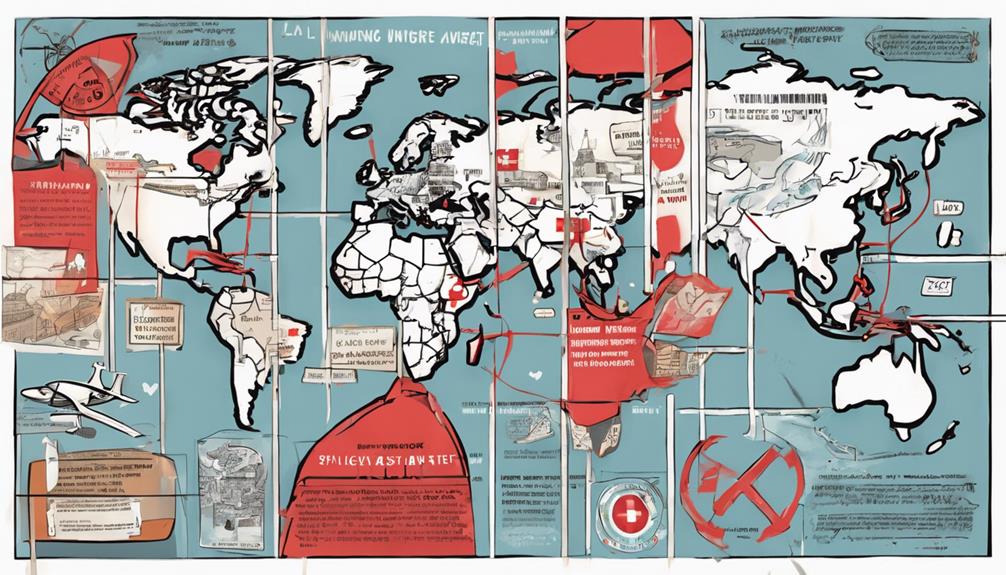
Different countries impose varying entry restrictions for individuals with a DUI record, affecting your travel plans significantly.
In Canada, for instance, a DUI is considered a serious offense. You may be deemed criminally inadmissible and denied entry unless you apply for Criminal Rehabilitation or obtain a Temporary Resident Permit. This process can be time-consuming and requires detailed documentation.
Australia also has stringent rules. If your DUI resulted in a prison sentence of 12 months or more, you could be barred from entering the country. Even without a prison sentence, your visa application may be scrutinized more closely, requiring you to provide additional information about your criminal history.
In contrast, the United Kingdom doesn't automatically deny entry to travelers with a DUI. However, they reserve the right to refuse entry if they believe your presence poses a risk to public safety. You should be prepared to answer questions and provide documentation if asked.
Japan is another country with strict entry policies. You might be refused entry if your DUI resulted in a sentence of one year or more. Always check the specific entry requirements of each country before planning your trip to avoid unexpected complications.
Visa Application Challenges
Navigating visa application challenges with a DUI record requires meticulous preparation and a thorough understanding of each country's specific requirements.
When applying for a visa, you'll need to be transparent about your criminal history. Many countries, such as Canada and Australia, have stringent policies regarding admissibility. They often require additional documentation, like court records and a detailed personal statement explaining the incident and any rehabilitation efforts you've undertaken.
You must also be prepared for longer processing times. Embassies may conduct background checks that can delay your application. It's crucial to submit all required documents accurately and promptly to avoid unnecessary delays. Misrepresentation or omission of your DUI record can result in denial of your visa and potential bans on future applications.
Furthermore, some countries might require you to apply for a special waiver or permit to enter despite your criminal record. Research each destination's specific guidelines and contact their consulate for detailed advice. Consulting with an immigration lawyer can provide valuable assistance in navigating these complex requirements.
Overcoming Travel Barriers

Overcoming travel barriers with a DUI record involves thorough research, careful planning, and adherence to each destination's legal requirements.
Start by researching the specific entry rules for your destination. Some countries may deny entry outright, while others might allow you in with additional documentation. It's crucial to understand these nuances to avoid last-minute surprises.
Next, gather all necessary documents. This can include court records, a letter of rehabilitation, or even a legal opinion letter explaining your situation. Having these documents ready can smooth the immigration process.
Contact the consulate or embassy of the country you're planning to visit for precise guidance and ensure you meet all their requirements.
Additionally, consider hiring a legal expert who specializes in travel with a criminal record. They can provide tailored advice and help navigate the complexities of international travel laws.
Conclusion
To navigate travel restrictions with a DUI record, understand each country's entry requirements.
Fully disclose your criminal history on visa applications, and gather necessary documentation like court records and rehabilitation letters.
By doing so, you'll avoid misrepresentation and potential bans.
Stay informed and proactive to overcome these barriers and ensure successful travel plans.
Always be thorough and honest to increase your chances of entry approval.