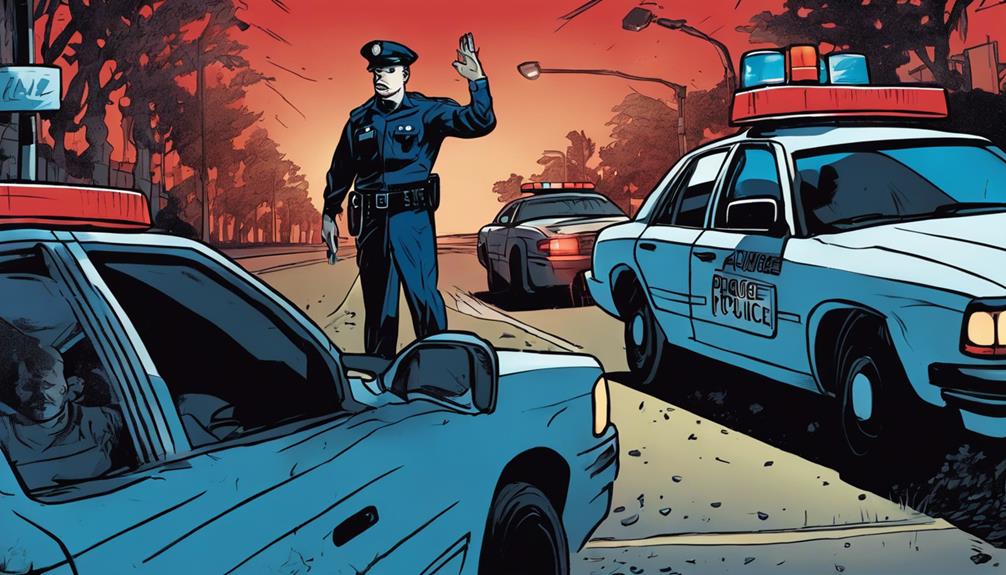
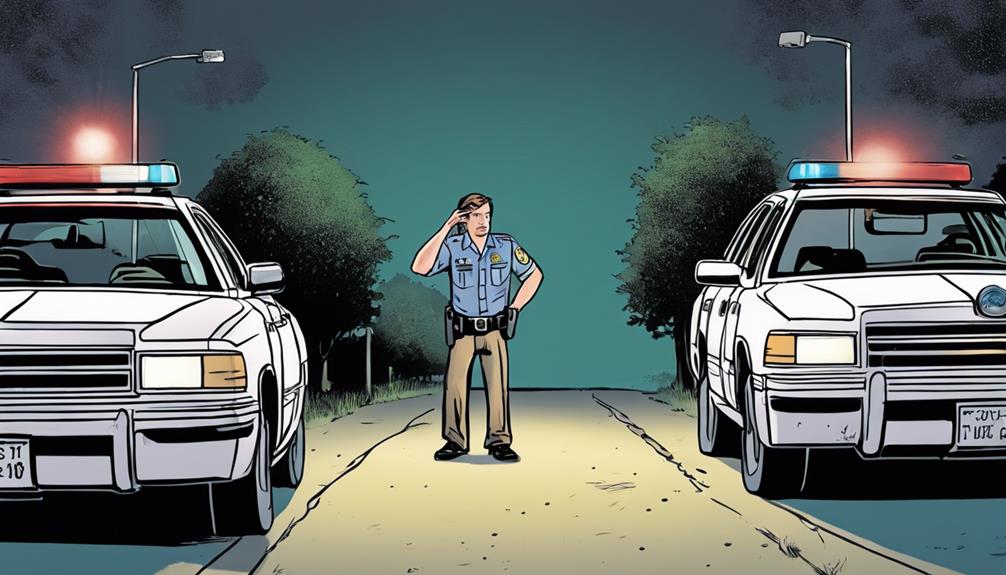
You might think field sobriety tests are foolproof, but they're far from it. The inherent inaccuracies and the subjective judgment of the officer administering the test can lead to false positives. Factors like medical conditions, environmental variables, and even the way instructions are given can all skew results. It's not just about questioning the test itself; it's about protecting your rights and ensuring fairness in DUI cases. Have you considered how these factors might impact the validity of such tests, and what that means for you or someone you know?
Accuracy of Tests
The accuracy of field sobriety tests is often called into question due to their subjective nature and susceptibility to various external factors. These tests rely heavily on an officer's judgment, which can vary significantly from one individual to another.
You should consider that even minor inconsistencies in the administration of these tests can lead to false positives, especially when factors like weather, lighting, and road conditions come into play.
Moreover, physical conditions unrelated to alcohol consumption can also affect the results. For example, fatigue, medical conditions, or even natural clumsiness can cause someone to perform poorly on these tests.
You can't overlook how stress and anxiety during a traffic stop can further impair an individual's ability to perform tasks that require balance and coordination.
It's important to understand that these tests aren't foolproof. Research indicates that field sobriety tests only predict intoxication with around 65-77% accuracy.
That's a significant margin of error when your freedom is on the line. By challenging the accuracy of field sobriety tests, you're questioning the reliability of a method that can be flawed and unjust.
You deserve a fair assessment, free from the limitations and biases inherent in these tests.
Officer Bias
You should consider the impact of officer bias on field sobriety test results.
Officers' implicit prejudices can skew their judgments, leading to unfair assessments.
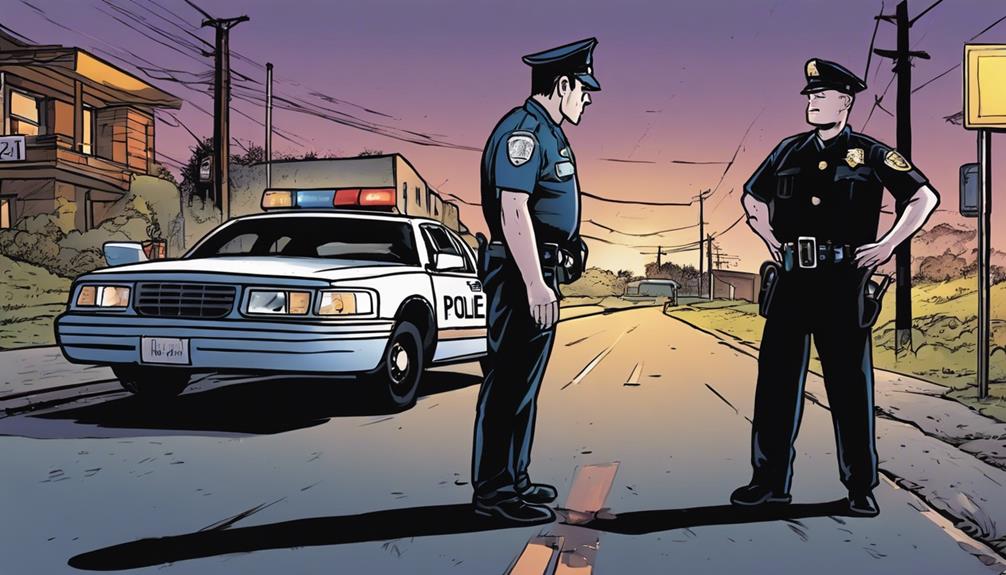
Additionally, inconsistent testing standards among officers can result in unreliable outcomes, making it crucial to question the validity of these tests.
Implicit Prejudices in Judgments
Implicit prejudices in judgments can significantly influence an officer's assessment during field sobriety tests. When an officer approaches you, their subconscious biases might already be shaping their perception. These biases could be based on your appearance, race, gender, or other factors. Such implicit prejudices can lead to skewed assessments, where officers may interpret your actions more harshly or leniently depending on their internalized stereotypes.
You might think officers are fully objective, but research shows that even trained professionals aren't immune to these biases. For instance, if you're nervous or anxious, which is natural during such encounters, an officer's implicit bias might interpret your behavior as indicative of intoxication rather than stress or fear. This can result in unfair conclusions about your sobriety.
Challenging field sobriety test results is crucial because these implicit biases can undermine the fairness of the process. By questioning the officer's judgment, you're highlighting the potential for error and emphasizing the need for a more objective evaluation. It's not just about contesting a test result; it's about ensuring justice and fairness in assessments that can have significant legal consequences for you.
Inconsistent Testing Standards
Inconsistent testing standards among officers can lead to significant disparities in field sobriety test outcomes. You might assume that these tests are standardized across the board, but they're not.
Different officers receive varying levels of training and apply the tests differently, which can drastically affect the results. Imagine two officers conducting the same test on the same individual, but one is more lenient while the other is stringent—outcomes could vary widely.
Officer bias is another critical factor. If an officer has preconceived notions about certain individuals, it can subtly influence their judgment during the test. For example, an officer might be more critical of someone who fits a stereotype of a 'typical' offender.
This bias can manifest in how they interpret your performance, potentially leading to false positives.
Moreover, environmental factors like lighting, weather, and road conditions can affect test outcomes. If officers don't account for these variables consistently, the reliability of the test plummets.
As a result, challenging the field sobriety test results becomes not just a legal strategy but a necessary step to ensure fairness. By questioning the consistency and objectivity of these tests, you're advocating for a more just legal process.
Medical Conditions
Medical conditions, such as neurological disorders or injuries, can significantly impact an individual's performance on field sobriety tests, often leading to inaccurate results. If you have a condition like Parkinson's disease, multiple sclerosis, or even a recent injury, your coordination and balance may be compromised. These tests often rely on physical tasks that are difficult for those with such conditions, regardless of sobriety.
Consider vertigo or inner ear issues, which can make standing on one leg or walking in a straight line nearly impossible. These conditions can mimic signs of intoxication, such as swaying or unsteady movements. Additionally, medications for chronic illnesses can cause side effects like dizziness or drowsiness, further skewing test results.
It's crucial to address these medical conditions when challenging field sobriety test results. You should provide medical documentation and expert testimony to demonstrate how your condition affects your ability to perform the tests accurately. By doing so, you can create reasonable doubt about the test's validity, potentially leading to a dismissal or reduction of charges.
Recognizing the influence of medical conditions underscores the importance of a comprehensive defense strategy in DUI cases.
Environmental Factors
You need to consider how environmental factors like weather conditions and uneven road surfaces can significantly impact field sobriety test results.
Rain, snow, or even strong winds can compromise your balance and coordination, leading to inaccurate assessments.
Similarly, an uneven or slippery road surface can make it difficult to perform tasks like walking in a straight line, raising doubts about the test's reliability.
Weather Conditions Impact Performance
Adverse weather conditions can significantly undermine the accuracy of field sobriety tests, making it crucial to challenge their results.
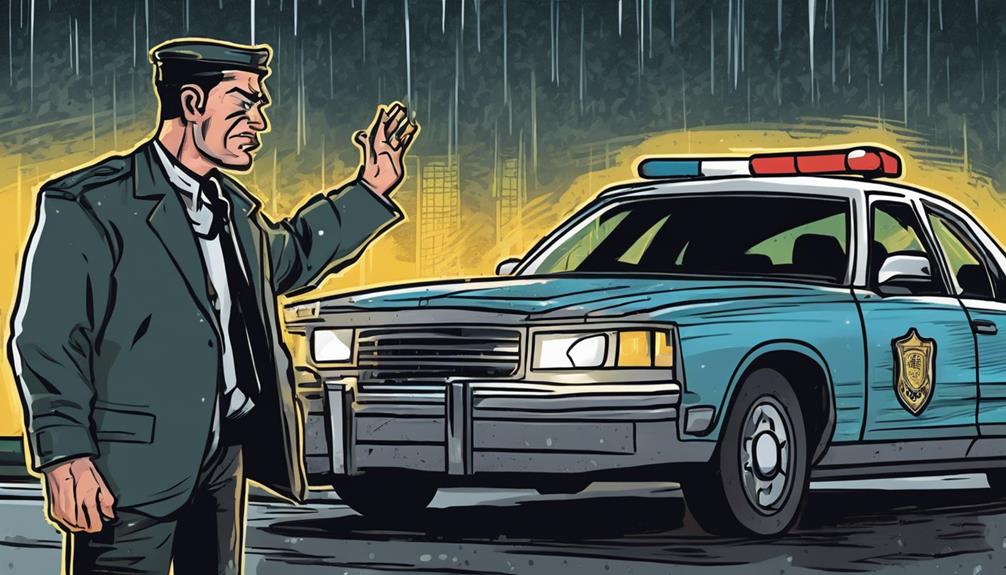
Imagine trying to balance on one leg or walk a straight line in pouring rain or on an icy surface. Even the most coordinated individuals would struggle under such circumstances. Wet or slippery conditions can make it nearly impossible to perform the tasks required in these tests accurately.
You should also consider how wind can affect the results. Strong gusts can throw off your balance, causing you to appear unsteady or intoxicated when you're actually not.
Additionally, cold temperatures can impact muscle coordination and reflexes, leading to subpar performance on these tests. Even something as simple as fog or poor visibility can distract you, making it difficult to focus on the officer's instructions.
Uneven Road Surface Effects
Just as adverse weather conditions can affect field sobriety test results, uneven road surfaces also pose significant challenges to accurate performance assessment. When you perform a field sobriety test on an uneven surface, your balance and coordination are inherently compromised. This makes it difficult to distinguish between genuine signs of impairment and the natural difficulty of navigating an irregular terrain.
Consider the Walk-and-Turn test, where officers expect you to walk heel-to-toe in a straight line. On an uneven surface, maintaining a straight line is nearly impossible, even when sober. Likewise, the One-Leg Stand test requires you to balance on one foot while counting aloud. Any inconsistencies in the ground can make this test nearly impossible, leading to false positives.
You should question the validity of field sobriety tests conducted under such conditions. The uneven surface introduces variables that can distort test results, unfairly penalizing you. By challenging these results, you highlight the importance of a controlled, fair testing environment. This ensures that assessments truly reflect your physical condition rather than environmental interferences.
Always scrutinize the testing conditions, as they play a crucial role in the accuracy and fairness of sobriety evaluations.
Inadequate Instructions
How often have drivers found themselves confused and anxious due to inadequate instructions during a field sobriety test? The reality is, more frequently than you might think. When a law enforcement officer fails to provide clear, concise instructions, it can lead to unintentional mistakes that unfairly skew the results.
Imagine you're pulled over, already stressed, and then asked to perform a series of complex tasks. If the officer's instructions are hurried or vague, your performance might reflect confusion rather than intoxication. Misunderstanding simple commands like 'walk heel-to-toe' or 'follow my pen with your eyes' can be detrimental, especially under pressure.
Moreover, not every officer communicates with the same level of clarity. Some might assume their instructions are universally understood, but that's often not the case. Language barriers, hearing issues, or even the ambient noise from traffic can further complicate matters.
You have the right to challenge these results if you believe the instructions were inadequate. Field sobriety tests should measure impairment, not your ability to decode poorly delivered commands. If you question the clarity of the instructions given, it's a valid reason to scrutinize the test's legitimacy.
Test Validity
When assessing test validity, you must consider the subjectivity of observations, which can lead to inconsistent results.
Additionally, testing conditions like weather and lighting significantly impact performance.
These factors make it essential to scrutinize the reliability of field sobriety tests rigorously.
Subjectivity of Observations
Because field sobriety tests rely heavily on an officer's subjective interpretation, their validity can often be called into question. When you're subjected to these tests, an officer's personal biases and perceptions can significantly influence the outcome.
Think about it: the officer might interpret your balance, eye movements, or reactions differently based on their own expectations and experiences. This subjectivity introduces considerable room for error.
Moreover, officers aren't infallible. They can misjudge nervousness or medical conditions as signs of impairment. Imagine you're anxious or have a leg injury; the officer might see these as indicators of intoxication rather than legitimate issues. This isn't just a hypothetical concern—numerous cases have shown that people with medical conditions or who are simply nervous often fail these tests.
Also, there's no universal standard on how strictly these tests should be administered or evaluated. This variation can make it difficult to ensure consistent and fair results.
When you challenge the subjectivity inherent in these tests, you're essentially advocating for a more accurate and just assessment of your sobriety. You deserve an evaluation that relies on objective data rather than one person's potentially flawed judgment.
Testing Conditions Impact
The conditions under which field sobriety tests are conducted can significantly affect their validity and reliability. Imagine you're asked to perform these tests on an uneven, gravelly roadside with cars whizzing by. Any slight misstep could be misinterpreted as intoxication, even if you're completely sober. Poor lighting, inclement weather, and even the slope of the ground can all introduce errors into the test results.
Police officers mightn't account for these variables, leading to potentially inaccurate conclusions. For instance, standing on one leg or walking heel-to-toe on a sloped surface is inherently more challenging. If it's raining or icy, your ability to maintain balance could be compromised, skewing the test's outcome.
Moreover, other factors such as fatigue, medical conditions, or even anxiety can mimic signs of intoxication. You might be nervous about the test itself, making you appear unsteady or uncoordinated.
These conditions highlight the need to question the validity of field sobriety tests. By challenging these tests, you're ensuring that all possible factors are considered, providing a fairer assessment of your actual sobriety.
Don't let questionable testing conditions be the reason for an unjust DUI charge.
Video Evidence
In challenging field sobriety test results, leveraging video evidence can decisively demonstrate inaccuracies or procedural errors made by law enforcement.
Video footage provides an objective account of the events as they transpired, capturing details that may be overlooked or misrepresented in written reports. When you review the footage, you can identify inconsistencies between the officer's report and what actually occurred. This can include improper administration of the tests, environmental conditions that could have affected your performance, or even the officer's behavior and instructions.
Additionally, video evidence can highlight your physical condition and demeanor during the test. If you appear balanced and coherent on camera, it contradicts claims of impairment.
Furthermore, footage can reveal if the officer failed to follow standardized procedures, which is critical since deviations can invalidate the test results. For instance, if the officer didn't provide clear instructions or conducted the test on uneven ground, this information can be pivotal in court.
Legal Rights
Understanding your legal rights is essential when challenging the results of a field sobriety test.
First, know that you have the right to remain silent. Law enforcement officers may use anything you say against you, so it's wise to speak minimally and request legal representation immediately. You also have the right to refuse field sobriety tests. Unlike breathalyzers, which carry implied consent laws in many states, field sobriety tests are typically voluntary. By declining, you might avoid providing evidence that could be used against you.
Additionally, you have the right to question the legality of the traffic stop. An officer must have reasonable suspicion to pull you over. If this criterion isn't met, any evidence collected, including field sobriety test results, may be inadmissible in court. You can also challenge the officer's training and the conditions under which the test was administered. Environmental factors, poor lighting, and uneven surfaces can significantly impact test results.
Moreover, you have the right to request a lawyer's presence during questioning. Legal counsel can help you navigate the complexities of DUI laws and ensure your rights are protected throughout the process. Understanding these rights empowers you to mount a robust defense against potentially flawed sobriety test results.
Calibration Issues
While knowing your legal rights is fundamental, examining the calibration issues of the devices used during a field sobriety test can reveal significant flaws in the evidence against you.
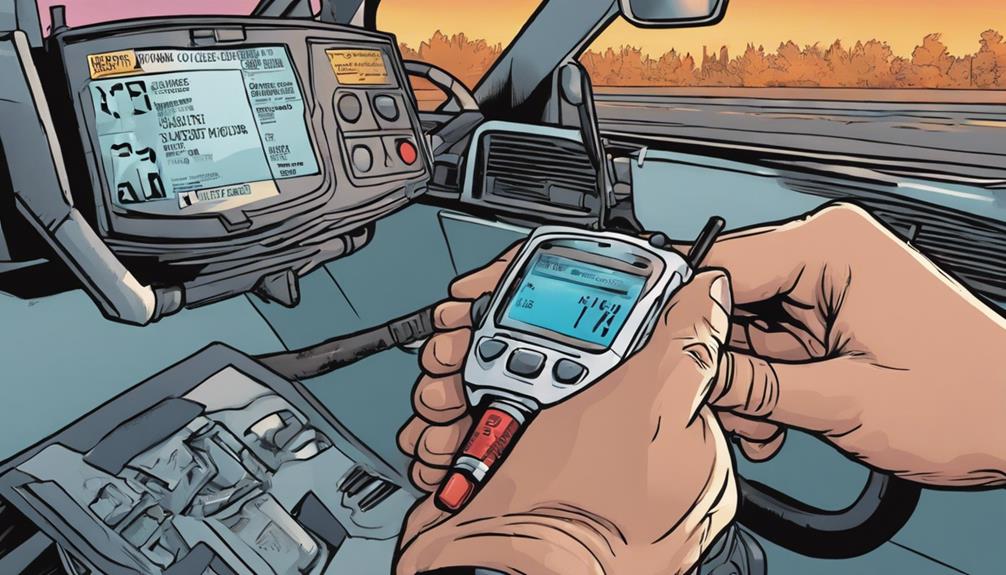
Calibration is crucial for ensuring that breathalyzers and other testing devices provide accurate readings. If these devices aren't calibrated correctly, they can yield false positives, casting doubt on the validity of the test results.
You should question when and how the device was last calibrated. Law enforcement agencies are required to maintain stringent calibration schedules, but lapses do occur. If a device hasn't been calibrated according to manufacturer specifications or regulatory standards, its readings can't be trusted. This can be a key point in your defense, potentially leading to the dismissal of charges.
Additionally, the officer administering the test must be properly trained in the use of the device. A lack of training or incorrect usage can also result in erroneous readings.
Alternative Explanations
Other factors, such as medical conditions or environmental influences, can produce symptoms that mimic intoxication and lead to misleading field sobriety test results. If you have a medical condition like diabetes, hypoglycemia, or a neurological issue, these can impair your motor skills and balance, making you fail the test. It's crucial to consider these conditions because they can create false positives, leading to wrongful charges.
Additionally, environmental factors like uneven pavement, poor lighting, or inclement weather can drastically affect your performance during a field sobriety test. Imagine trying to walk heel-to-toe on a slanted or slippery surface; it's challenging, even when sober. These external conditions can unfairly skew the test results, casting doubt on their reliability.
Your footwear also matters. High heels or flip-flops can make balance tests more difficult, contributing to perceived impairment. Even stress and anxiety, common during traffic stops, can affect your performance.
These alternative explanations highlight why questioning the results is essential. By scrutinizing these factors, you can build a stronger defense, ensuring that justice is served accurately and fairly. Always challenge field sobriety test results when these factors come into play.
Conclusion
In challenging field sobriety test results, you're safeguarding your rights and ensuring justice prevails.
These tests are prone to inaccuracies due to officer bias, medical conditions, and environmental factors. By questioning their validity, you're addressing potential misinterpretations and highlighting the need for proper test administration.
Utilize video evidence and examine calibration issues to strengthen your case.
Don't let flawed tests dictate your future—stand up for accurate, fair assessments.