
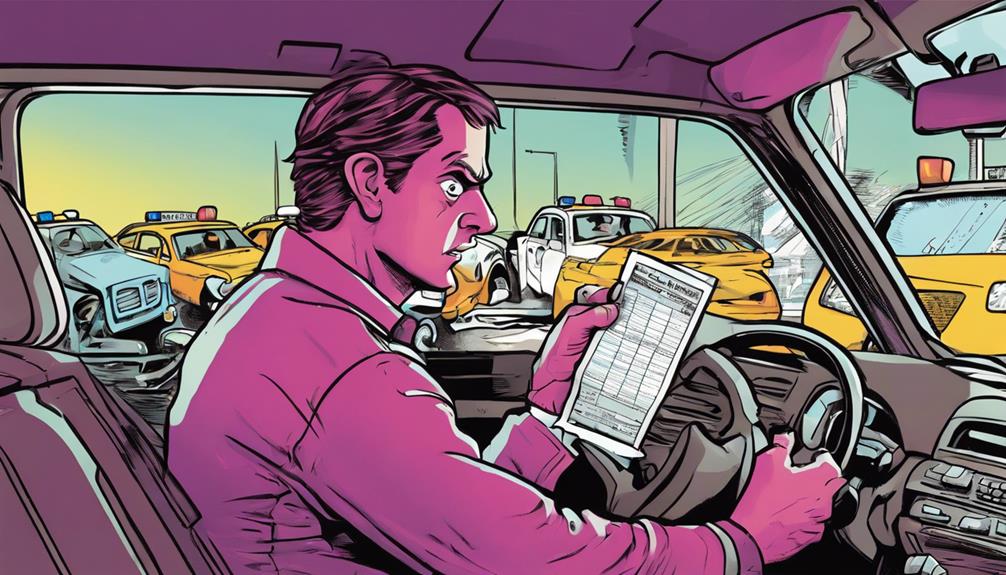
When you get a DUI, your car insurance takes a significant hit, often causing your premiums to skyrocket by 30% to 100%. Insurers label you as high-risk, which means you could be paying over $2,500 more each year for coverage. This elevated rate isn't temporary either—it can last for 3 to 5 years. You might also need to file an SR-22 form, further boosting your premiums. But that's not all; some insurers may even cancel your policy, leaving you scrambling for new coverage options. Curious how else a DUI can impact your insurance situation?
Increased Premiums
After a DUI conviction, you can expect your car insurance premiums to increase significantly due to the heightened risk profile assigned by insurers. Typically, insurance companies view drivers with a DUI record as high-risk, leading to a marked uptick in premiums.
Statistically, you might see an increase ranging from 30% to 100%, depending on various factors like your location, age, and prior driving history. For instance, if your annual premium was $1,200 before the DUI, it could soar to $2,400 or more post-conviction. This spike is rooted in actuarial data indicating that drivers with DUI offenses are more likely to be involved in future accidents. Insurers mitigate this heightened risk by elevating the cost of coverage.
Furthermore, you may be required to file an SR-22 form, which acts as proof of financial responsibility. This requirement can last for three to five years and often incurs additional administrative fees. The continuous monitoring of your driving record during this period ensures compliance but also sustains elevated premium levels.
Consequently, maintaining a clean driving record moving forward becomes imperative to gradually reducing your insurance costs over time.
Policy Cancellation
Your car insurance policy may face immediate termination following a DUI incident, a common industry response backed by statistical risk assessments.
Reinstating coverage can be problematic, often involving higher premiums and stringent conditions.
Legal consequences from the DUI can further complicate insurance reinstatement and future eligibility.
Immediate Coverage Termination
Insurers often terminate coverage immediately upon learning of a DUI conviction, leaving you without necessary protection. This immediate termination is a risk management strategy for insurance companies. According to the Insurance Information Institute (III), DUI offenders are considered high-risk drivers, with a statistically significant likelihood of future claims. Once your insurer verifies the DUI conviction, they typically exercise their right to cancel your policy under the terms of the contract.
Immediate coverage termination means you'll face an urgent need to secure new insurance. Without coverage, any driving you do could result in severe legal and financial consequences. Data from the National Association of Insurance Commissioners (NAIC) indicates that 39 states allow insurers to cancel policies within the first 60 days for reasons including a DUI. A study conducted by the Insurance Research Council (IRC) shows that 19% of policyholders experienced immediate cancellation after a DUI.
You must also notify your state's Department of Motor Vehicles (DMV) about the change in your insurance status. Failure to do so can result in license suspension. Understanding the gravity of immediate coverage termination is crucial in proactively managing your post-DUI insurance landscape.
Potential Reinstatement Issues
Navigating potential reinstatement issues after a DUI can be complex, as insurance companies often impose stringent conditions or deny reinstatement entirely based on your high-risk status.
Typically, insurers assess your driving record, and a DUI conviction dramatically increases your risk profile. According to the Insurance Information Institute, a DUI can hike your premiums by 80% to 100%, and some insurers may choose to cancel your policy upon renewal.
You might face non-renewal or outright cancellation, especially if it's a repeat offense. Companies like State Farm and Allstate have policies that automatically suspend coverage after a DUI.
To reinstate your coverage, you'll likely need to file an SR-22 form, which is a certificate of financial responsibility mandated by most states. This form indicates you carry the minimum required insurance and will remain on your record for three to five years.
Furthermore, insurance companies often require you to complete DUI education programs or install an ignition interlock device.
These reinstatement conditions, combined with the elevated premium costs, reflect the increased risk you now pose to insurers. Therefore, understanding these hurdles is crucial for securing new or reinstated coverage post-DUI.
Legal Consequences Impact
Often, a DUI conviction leads to immediate policy cancellation, as insurance companies deem you a high-risk driver. Statistically, drivers with a DUI are 40-50% more likely to file a claim compared to those without such offenses. Insurers use these figures to mitigate risk, resulting in swift policy termination upon your conviction.
When your policy gets canceled, you must notify your state's Department of Motor Vehicles (DMV). Many states mandate SR-22 or FR-44 forms, certifying you carry the required liability coverage. Failing to file these forms could lead to further legal penalties, including license suspension or revocation.
Insurance companies also impose a mandatory waiting period before you can reapply for coverage. This waiting period varies by state but typically ranges from six months to one year. During this time, you'll likely face substantial difficulties in securing affordable insurance.
Upon reapplication, expect your premiums to increase dramatically—often by 80% to 100%. Data from the National Association of Insurance Commissioners (NAIC) indicates that, on average, drivers with a DUI can see their annual premiums rise from $1,470 to $2,610. The financial impact of policy cancellation and subsequent premium hikes underscores the severe repercussions of a DUI conviction.
SR-22 Requirement
After a DUI conviction, you may be required to file an SR-22 form to demonstrate financial responsibility and maintain your car insurance coverage.
The SR-22 isn't an insurance policy itself; it's a certificate your insurance company files with your state's Department of Motor Vehicles (DMV) to confirm that you carry the minimum required liability coverage. This requirement typically lasts for three years but can vary by state.
Filing an SR-22 will likely increase your insurance premiums. According to industry data, policyholders with an SR-22 can see their rates increase by 50% to 100%. Insurance companies view DUI offenders as high-risk drivers, and this elevated risk profile directly impacts your premiums.
The administrative fees for filing an SR-22 vary but usually range between $15 and $25, which is separate from your increased premium costs.
It's crucial to maintain continuous coverage during the SR-22 period. If your policy lapses, your insurer is mandated to notify the DMV, which could result in license suspension.
Ensure you understand your state's specific requirements and work closely with your insurance provider to stay compliant. This proactive approach can help mitigate further legal and financial repercussions.
Coverage Limitations
Understanding how a DUI affects your car insurance extends beyond premium hikes to include significant coverage limitations that can leave you financially vulnerable. Insurers often impose stricter terms and conditions on your policy post-DUI.
For example, you might find that your liability coverage, which pays for damages to others, is reduced to the state-minimum requirements, limiting your financial protection in an at-fault accident.
Your comprehensive and collision coverages, which protect your own vehicle against theft, vandalism, or accidents, may also be restricted or excluded altogether. Data from the Insurance Information Institute indicates that a DUI can lead to an average increase in comprehensive and collision deductible amounts by 25-50%, or insurers may refuse to offer these coverages entirely.
Additionally, some insurance companies might impose a cap on the maximum payout for medical expenses or personal injury protection (PIP) coverage. This means you could face out-of-pocket costs if the medical bills exceed the new, lower limits.
Ultimately, understanding these coverage limitations is crucial, as they directly impact your financial security. Being proactive in discussing these changes with your insurer can help you make informed decisions and potentially seek alternative policies that offer better terms, even after a DUI.
Rate Comparison

Comparing rates from multiple insurance providers is essential to finding the most cost-effective policy following a DUI conviction. You'll notice that premiums can vary significantly between companies, sometimes by hundreds of dollars per year. Utilize online tools and comparison websites to streamline the process and obtain a comprehensive view of available options.
Pay attention to the specific factors each insurer considers when calculating your premium. Some companies may weigh a DUI more heavily than others, impacting your rate differently. It's crucial to gather quotes from at least three to five different insurers to ensure you're getting the best deal possible.
Additionally, consider the potential discounts that might still apply post-DUI. Some insurers offer reductions for bundling policies, maintaining a good credit score, or completing a defensive driving course. Don't hesitate to inquire directly with providers about any possible savings, as they can substantially lower your premium.
Lastly, examine the coverage details meticulously. Lower rates might come with reduced coverage limits or higher deductibles, which could affect your financial protection. Always balance cost with the level of coverage you need to ensure comprehensive protection while minimizing expenses.
Risk Assessment
When you get a DUI, insurers assess you as a higher risk, leading to increased premium rates.
Data shows that coverage limitations often follow, reducing your options.
Additionally, there's a significant probability of policy non-renewal, leaving you with limited insurance choices.
Increased Premium Rates
A DUI conviction will significantly increase your car insurance premium as insurers view you as a high-risk driver. Statistically, drivers with a DUI are more likely to be involved in subsequent accidents, leading insurers to adjust premium rates accordingly. Data from the National Highway Traffic Safety Administration (NHTSA) indicates that DUI offenders are involved in fatal crashes at a rate of nearly 50% higher than non-offenders. Consequently, your insurer will incorporate this elevated risk into your premium calculations.
Expect your premium to rise by an average of 80% or more after a DUI conviction. For example, if your annual premium is $1,000, post-DUI, it could surge to $1,800 or even higher. According to a study by the Insurance Information Institute (III), the exact rate increase varies by state and insurer, but the spike is inevitable. Additionally, insurers often impose these higher rates for a period of three to five years, depending on their policies and state regulations.
Your driving record's risk assessment directly influences these increased rates. Insurers use complex algorithms to evaluate risk, and a DUI substantially skews these calculations against you. Therefore, preparing for a significant financial impact on your car insurance is essential.
Coverage Limitations
Insurers will often impose coverage limitations post-DUI, severely restricting your policy options and benefits. These limitations are a direct consequence of risk assessment metrics that classify DUI offenders as high-risk drivers. Typically, insurers might exclude certain types of coverage, such as comprehensive or collision, which means you'll be financially responsible for damages that would otherwise be covered.
Data shows that around 80% of DUI offenders experience reduced coverage options. For instance, you might find that your liability limits are capped at state minimums, leaving you vulnerable to substantial out-of-pocket expenses in the event of an accident. Further, some insurers could impose sub-limits on specific coverages, such as medical payments or uninsured motorist coverage, effectively reducing the protection your policy offers.
Additionally, you may be required to carry SR-22 insurance, which functions as a high-risk insurance certificate. This requirement can last for several years and often comes with its own set of coverage limitations and higher premiums.
The insurer's primary goal is to mitigate risk, and coverage limitations post-DUI are a standard measure to achieve that. Understanding these limitations can help you better navigate your insurance options and prepare for the financial implications of a DUI conviction.
Policy Non-Renewal
Faced with the heightened risk posed by DUI offenders, many insurers opt not to renew policies, leaving drivers to navigate a limited and expensive insurance market. Your DUI conviction significantly impacts your risk profile. Insurers use complex algorithms and historical data to assess this risk. According to the Insurance Information Institute, a DUI can increase your premium by 80% or more. This heightened risk prompts insurers to minimize potential losses by not renewing your policy.
When your policy isn't renewed, you're categorized as a high-risk driver. Specialized insurers, often referred to as 'non-standard' insurance providers, primarily serve this market. However, their premiums are substantially higher. Data from Quadrant Information Services indicates that on average, high-risk drivers may face annual premiums exceeding $2,500—double the national average.
Additionally, state laws mandate you to file an SR-22 form, a certificate of financial responsibility, which further complicates your insurance acquisition process. This form itself can cost between $15 and $25 but signals to insurers your heightened risk status, thus justifying higher premiums.
Legal Consequences
Legal consequences of a DUI conviction often include hefty fines, license suspension, and mandatory alcohol education programs.
On average, you can expect to pay fines ranging from $500 to $2,000, depending on the jurisdiction and the severity of the offense. License suspension periods can vary, but first-time offenders typically face a suspension of 6 months to 1 year. Subsequent offenses can result in longer suspensions or even permanent revocation.
Additionally, most states require you to complete a mandatory alcohol education or treatment program. These programs can last anywhere from a few weeks to several months and often come with additional costs, ranging from $150 to $1,500.
Another significant consequence is the installation of an ignition interlock device (IID) on your vehicle. This device requires you to pass a breathalyzer test before the car will start. The costs for installation and monthly monitoring of an IID can add up to $300-$1,000 annually.
Legal fees shouldn't be overlooked either. Hiring a defense attorney can cost you anywhere from $1,500 to $10,000, depending on the complexity of your case.
These legal ramifications collectively underscore the severe impact a DUI can have on your life and finances.
Finding New Insurers
When searching for new insurers after a DUI, you'll need to compare premium rates meticulously.
Analyze data on various coverage options to identify those that provide the best value and protection.
This approach ensures you make an informed decision, balancing cost and coverage efficiently.
Comparing Premium Rates
To navigate the post-DUI landscape, comparing premium rates from different insurers becomes essential to identify the most cost-effective option. Start by gathering quotes from at least five insurers. Most insurance companies have online tools to provide instant quotes. Input consistent information across all platforms to ensure accuracy and comparability.
Analyze the data by examining the premium amounts, along with any additional fees or surcharges related to your DUI. Utilize spreadsheets to organize the information, making it easier to discern patterns and outliers. Pay attention to any significant variations in rates, as this could indicate potential red flags or unique opportunities.
When conducting your comparison, also take into account the insurer's financial ratings. Companies like A.M. Best and Standard & Poor's provide insights into the financial stability of insurers, giving you an added layer of security. A higher rating often correlates with better claims service and reliability.
Evaluating Coverage Options
Considering a wider array of insurers can uncover policies that balance affordability with comprehensive coverage, even after a DUI. When seeking new insurers, evaluate their financial stability, customer satisfaction ratings, and specialized DUI policies. Firms like Progressive and GEICO often cater to high-risk drivers and might offer more favorable rates.
Start by obtaining quotes from at least five different insurers. Utilize online comparison tools to streamline this process. Pay close attention to policy details—some insurers might exclude certain coverages for DUI offenders, such as rental car reimbursement or roadside assistance. Ensure the policy meets state minimum coverage requirements and consider optional coverages like uninsured motorist protection.
Data from the Insurance Information Institute indicates that premium increases after a DUI average 79%, but the range can vary significantly. Insurers use proprietary algorithms to assess risk, so your rate depends on multiple factors, including age, location, and driving history.
Additionally, inquire about discounts for completing DUI education programs or installing telematics devices that monitor driving behavior. These initiatives can mitigate the financial impact.
Defensive Driving Courses

Many insurance providers offer discounts for completing defensive driving courses, which can mitigate the premium increases resulting from a DUI. By undertaking a certified defensive driving course, you demonstrate a commitment to safer driving practices. Data indicates that these courses can reduce the likelihood of future violations by up to 20%, making you a lower risk to insurers.
Upon completion, you should provide your insurer with the course certification. Typically, the discount ranges from 5% to 10% off your premium. While this may not entirely offset the increase caused by a DUI, it's a significant step towards lowering your costs. Furthermore, some states mandate defensive driving courses for DUI offenders, integrating this step into the legal consequences.
Insurance companies use actuarial data to assess risk, and your participation in such courses is factored into their calculations. This proactive measure not only benefits you financially but also contributes to overall road safety.
Ensure the course is state-approved and recognized by your insurer to qualify for the discount. Always verify the exact discount rates and conditions with your provider, as they can vary.
Long-term Effects
Long-term effects of a DUI on car insurance include significantly higher premiums, policy cancellations, and potential difficulties in obtaining new coverage.
After a DUI conviction, your insurance premiums can increase by 80% or more, depending on your state and insurance provider. Insurers view you as a high-risk driver, which translates to higher costs for you.
Policy cancellations aren't uncommon either. Some insurers may decide not to renew your policy, forcing you to search for coverage elsewhere. This can be particularly challenging since many mainstream insurers might refuse to cover you post-DUI. Specialized high-risk insurers are an option, but they come with exorbitant rates.
Furthermore, a DUI remains on your driving record for three to ten years, depending on local regulations. During this period, you'll face ongoing challenges in maintaining affordable insurance. You might also be required to file an SR-22 form, which is a certificate of financial responsibility, adding another layer of complexity and cost.
Conclusion
In summary, a DUI conviction drastically increases your car insurance premiums, often by 30% to 100%.
You'll need an SR-22 form, which adds another 50% to 100% to your costs.
Expect potential policy cancellations and limited coverage options. High-risk drivers might pay over $2,500 annually for several years.
Comparing rates, understanding legal consequences, exploring new insurers, and taking defensive driving courses can mitigate some impacts.
Ultimately, a DUI's financial and legal repercussions are substantial and long-lasting.