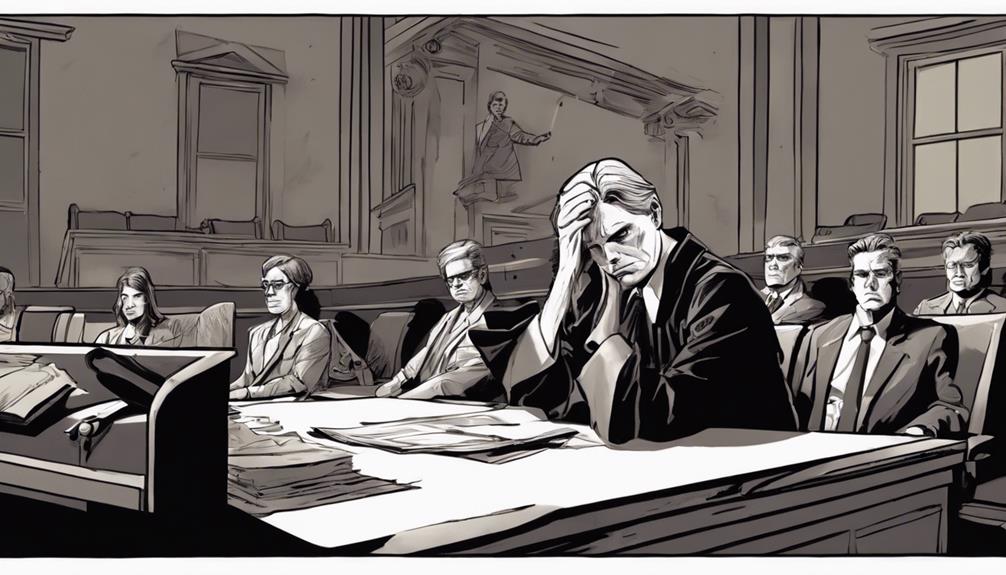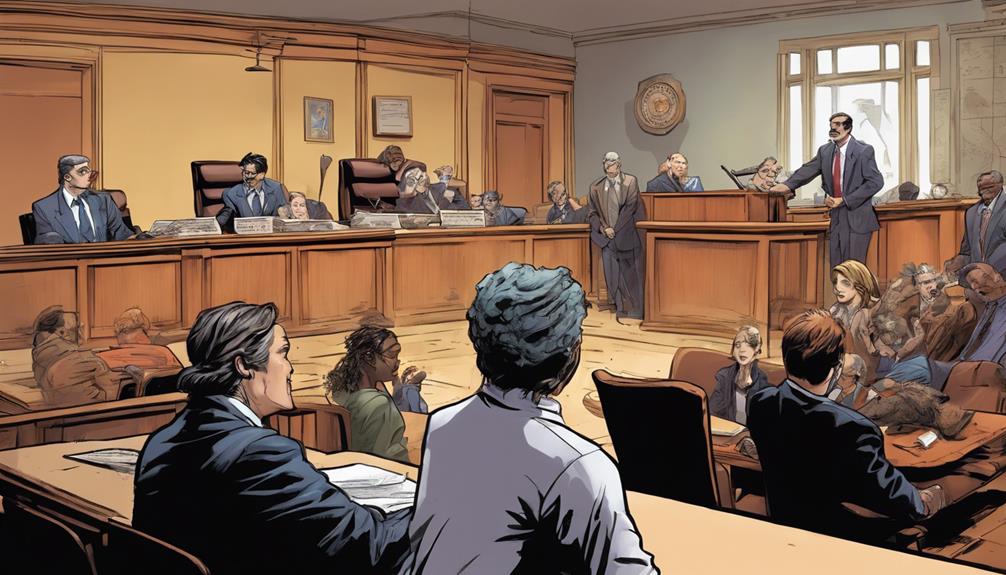
When you consider manslaughter plea bargains in DUI cases, you're looking at a complex but crucial part of the justice system. These agreements can significantly impact both the defendants and the victims' families. By negotiating reduced charges or lighter sentences, defendants might avoid the unpredictability of a trial while still admitting guilt. This process can help reduce the burden on courts and offer some closure for those affected. However, the real challenge lies in balancing efficiency with justice, making sure that every decision respects the gravity of the offense. So, how do you think this balance should be achieved?
Understanding DUI Manslaughter
Understanding DUI manslaughter requires a grasp of how driving under the influence can tragically escalate into criminal liability when it results in loss of life. When you're behind the wheel intoxicated, your reaction times, judgment, and motor skills are severely impaired. This impairment significantly increases the risk of causing an accident, which can lead to fatal consequences.
You need to recognize that DUI manslaughter isn't just a tragic accident; it's a preventable crime. By choosing to drive while intoxicated, you're making a decision that endangers not only your life but the lives of others on the road. This recklessness transforms a potential accident into a criminal act because it involves a conscious disregard for public safety.
It's crucial to understand the gravity of DUI manslaughter. The act of driving under the influence with fatal results implies a level of negligence and irresponsibility that society just can't tolerate. This understanding can help you comprehend why such cases are treated with utmost seriousness and why they carry severe implications.
Legal Consequences of DUI
Recognizing the severe implications of DUI manslaughter, you must now consider the array of legal consequences that follow a DUI charge.
First, understand that a DUI arrest can lead to immediate license suspension. This loss of driving privileges impacts your daily life significantly, from commuting to work to running errands.
Next, you face criminal charges. Depending on the severity of the offense and your prior record, penalties can range from hefty fines to extended jail time. For a first-time offender, you might receive probation, mandatory alcohol education programs, and community service. However, repeat offenders or those involved in severe cases like DUI manslaughter face harsher sentences, including years in prison.
Financial burdens also loom large. Legal fees, increased insurance premiums, and potential civil lawsuits from victims' families can cripple you financially. These costs add up quickly, making it clear that a DUI charge isn't just a minor inconvenience.
Moreover, a DUI conviction leaves a lasting mark on your criminal record, affecting future employment opportunities and personal reputation. Many employers conduct background checks, and a DUI can be a red flag that limits your prospects.
Thus, understanding these consequences underscores the importance of addressing DUI charges strategically.
Factors Affecting Plea Bargains

Several critical factors can influence the outcome of a plea bargain in DUI manslaughter cases.
First, the strength of the evidence plays a pivotal role. If the prosecution has compelling evidence, such as clear video footage or a high blood alcohol content (BAC) reading, they'll have a stronger negotiating position. Conversely, weak or circumstantial evidence can prompt more favorable plea terms for you.
Second, your criminal history is crucial. A first-time offender might receive more lenient terms compared to someone with prior DUI convictions. The court considers whether you've shown a pattern of reckless behavior or if this incident was an isolated lapse in judgment.
Third, the severity of the incident impacts negotiations. Factors like the level of negligence, the number of victims, and the extent of harm caused are weighed heavily. High-speed collisions or multiple fatalities often lead to tougher bargains, while less severe cases may offer room for negotiation.
Types of Plea Agreements
When facing DUI manslaughter charges, understanding the types of plea agreements can significantly impact your case outcome.
You should consider charge reduction options, sentencing agreement terms, and the possibility of probation and rehabilitation.
Each type of agreement offers unique benefits and trade-offs that can shape your future.
Charge Reduction Options
In DUI cases, defendants often explore plea agreements as a strategic way to reduce charges and mitigate potential penalties. One common charge reduction option is pleading guilty to a lesser offense, such as reckless driving instead of DUI manslaughter. This can significantly reduce both the severity of the charge and the associated penalties, providing a more manageable outcome.
Another viable option is a 'wet reckless' plea, where the defendant pleads guilty to reckless driving involving alcohol. While still serious, this charge carries lighter penalties compared to DUI manslaughter, including shorter license suspension periods and potentially less jail time.
You might also consider a plea to vehicular manslaughter without gross negligence. This charge is less severe than DUI manslaughter and reflects a lower level of culpability, leading to reduced sentencing guidelines.
Lastly, some defendants negotiate a plea to a non-alcohol-related charge, such as involuntary manslaughter, which focuses on the accidental nature of the incident rather than the DUI aspect. This can be particularly advantageous in avoiding the stigma and enhanced penalties that come with DUI-related convictions.
Sentencing Agreement Terms
Understanding the types of plea agreements available is vital for defendants seeking to negotiate favorable sentencing terms in DUI cases. You need to be aware of three primary types: charge bargaining, sentence bargaining, and fact bargaining.
Charge bargaining involves negotiating a reduction in the charges. For instance, you might agree to plead guilty to a lesser charge like vehicular manslaughter instead of DUI manslaughter. This can significantly reduce the potential penalties.
Sentence bargaining focuses on securing a lighter sentence in exchange for a guilty plea. If you're facing a lengthy prison term, agreeing to plead guilty might result in a reduced sentence, such as a shorter prison stay or alternative penalties like house arrest.
Fact bargaining, though less common, involves agreeing to stipulate certain facts in exchange for a more lenient sentence. This can be useful if specific details significantly impact the severity of your sentence.
Each type of agreement has strategic benefits and risks. Charge reductions can mitigate long-term consequences, while lighter sentences provide immediate relief. However, you must analyze these options carefully, ideally with legal counsel, to ensure you're making the most informed decision for your unique situation.
Probation and Rehabilitation
Opting for probation and rehabilitation as part of a plea agreement can provide a constructive alternative to incarceration in DUI manslaughter cases. By choosing this route, you can address the root causes of your behavior, such as substance abuse, while avoiding the severe consequences of prison time.
Probation often includes strict supervision and regular check-ins, which ensure you remain accountable. Rehabilitation programs offer a structured environment to confront and overcome addiction, ultimately reducing the likelihood of reoffending.
Moreover, probation and rehabilitation can be more cost-effective for the criminal justice system compared to incarceration. You contribute to society by maintaining employment and fulfilling community service requirements, rather than burdening the state with the costs of imprisonment. Judges and prosecutors might see your willingness to undertake these programs as a sign of genuine remorse and a commitment to personal growth.
However, it's crucial to understand that probation and rehabilitation aren't easy outs. They demand dedication and effort. You must comply with all terms set forth by the court, including attending all required meetings and programs.
Failure to do so can result in harsher penalties. Therefore, if you're sincere in your desire to change, this plea agreement type could benefit both you and the broader community.
Benefits of Plea Bargaining

When you consider plea bargaining in DUI manslaughter cases, you'll find several compelling benefits.
It can lead to reduced legal consequences, lower your financial burdens, and expedite case resolution.
These advantages make it a practical option for many defendants.
Reduced Legal Consequences
Frequently, entering a plea bargain in DUI cases can significantly reduce the legal consequences you face. Plea bargains often allow you to avoid the harshest penalties associated with a DUI manslaughter conviction. Instead of facing a lengthy prison sentence, you might get a reduced sentence or even probation. This can make a substantial difference in your life, allowing you to maintain employment and family responsibilities.
By accepting a plea bargain, you can also avoid the uncertainty of a trial. Trials are unpredictable, and a conviction can result in maximum penalties. A plea deal offers a more controlled outcome, often negotiated to minimize your legal repercussions. This means fewer years behind bars and potentially lower long-term impacts on your personal and professional life.
Moreover, a plea bargain might result in lesser charges on your record. Instead of a manslaughter conviction, you might plead to a lesser offense, which could have less stigma and fewer future legal complications. This can be crucial for your future, affecting everything from job prospects to housing opportunities.
Lowered Financial Burdens
Alongside reduced legal consequences, a plea bargain in DUI cases can also significantly lower your financial burdens. Legal fees can quickly accumulate when you opt for a full trial. You'll have to pay for extensive attorney hours, court fees, and possibly expert witnesses. A plea bargain can condense this process, requiring less time and fewer resources, thereby reducing your overall costs.
Additionally, a trial often comes with hidden financial burdens. You might need to take more time off work, impacting your income. Plea bargaining can expedite the process, allowing you to return to your daily life sooner and minimize lost wages. Moreover, by accepting a plea deal, you may avoid or reduce fines and penalties that would be more severe if convicted at trial.
Insurance rates also play a significant role. A conviction following a trial can lead to skyrocketing premiums or even policy cancellations. A plea deal might result in lesser charges that have a smaller impact on your insurance rates.
Expedited Case Resolution
A plea bargain can expedite case resolution, allowing you to move past legal troubles more swiftly and efficiently. By agreeing to a plea deal, you can avoid the lengthy and often unpredictable trial process. This means you'll spend less time in legal limbo, which can be incredibly stressful and disruptive. The quicker resolution also reduces the emotional toll on you and your family, providing a clearer path to moving forward.
Moreover, expedited case resolution through plea bargaining benefits not just you but also the judicial system. Courts are often backlogged, and a plea deal frees up valuable resources, allowing the system to function more smoothly. Judges and attorneys can then focus on other cases, potentially speeding up the entire process for everyone involved.
In addition, resolving your case swiftly means you can start rehabilitation or community service sooner, demonstrating your commitment to making amends. This can be a significant factor in rebuilding your reputation and life post-incident.
Plea bargains offer a pragmatic approach to dealing with the aftermath of a DUI manslaughter charge, ensuring you don't get bogged down by prolonged legal proceedings.
Negotiating Reduced Sentences
In negotiating reduced sentences for DUI cases involving manslaughter, understanding the legal nuances and leveraging key mitigating factors can significantly influence the outcome. Start by analyzing all aspects of the incident: Was there any provocation? Did the victim contribute to the accident? These details mightn't absolve guilt but can soften perceived culpability.
Next, focus on the defendant's background. If they've no prior criminal record, emphasize their clean history. Evidence of remorse, such as attending alcohol education programs or participating in community service, can also sway the court. Demonstrating that the defendant is taking steps to prevent future offenses shows a commitment to rehabilitation.
You should also consider the emotional impact on the victim's family. A sincere apology and gestures of goodwill can sometimes lead to family members supporting a reduced sentence, which can be influential in court. Furthermore, present any medical or psychological issues the defendant may have faced at the time of the incident, as these can be mitigating factors.
Lastly, don't overlook procedural technicalities. Were any rights violated during the arrest process? Any legal missteps can be leveraged to negotiate a more favorable plea deal.
Role of Defense Attorneys

As a defense attorney in DUI manslaughter cases, your primary responsibilities include crafting effective legal defense strategies and negotiating favorable plea agreements.
You must analyze every detail to build a robust case that minimizes potential penalties.
Your expertise directly influences the outcome, making your role crucial in securing the best possible resolution for your client.
Crafting Legal Defense Strategies
Developing a robust legal defense strategy in DUI manslaughter cases requires defense attorneys to meticulously analyze every piece of evidence and anticipate prosecutorial tactics. You need to scrutinize the police reports, breathalyzer results, and any witness statements.
Look for inconsistencies or procedural errors that could weaken the prosecution's case. It's critical to challenge the validity of the evidence, especially if there's any indication that proper protocols weren't followed during the arrest or evidence collection.
Effective defense strategies also involve questioning the reliability of any scientific tests used, such as blood alcohol concentration (BAC) tests. You should consider bringing in expert witnesses to dispute the accuracy of these tests or to provide alternative interpretations of the data.
Additionally, examining the defendant's medical history and any potential mitigating circumstances can create a more comprehensive defense.
Understanding the prosecution's likely arguments allows you to preemptively counter them. By preparing a narrative that humanizes the defendant and presents mitigating factors, you can create reasonable doubt or reduce the perceived severity of the offense.
Your goal is to construct a defense that not only challenges the evidence but also persuades the court to view the defendant in a more sympathetic light.
Negotiating Plea Agreements
Mastering the art of negotiating plea agreements in DUI manslaughter cases requires defense attorneys to leverage their understanding of legal nuances and prosecutorial priorities. You need to identify key weaknesses in the prosecution's case and present them compellingly. Highlighting any procedural errors, unreliable witness testimonies, or mitigating circumstances can create leverage.
Presenting your client's background in a favorable light is essential. Emphasize any lack of prior criminal history, genuine remorse, and steps taken towards rehabilitation. Prosecutors often seek resolutions that align with public interest and justice, so showcasing your client's proactive measures can be persuasive.
Timing is another critical element. Early engagement with the prosecution can sometimes lead to more favorable terms before they become entrenched in their position. However, if the prosecution's case appears weak, waiting and gathering more evidence can lead to better outcomes.
You must also be prepared to negotiate alternative sentencing options, such as house arrest, community service, or treatment programs. These can be attractive to prosecutors looking to resolve cases efficiently while still ensuring accountability.
Prosecutors' Perspectives
Prosecutors often weigh the benefits of a manslaughter plea bargain in DUI cases to secure a conviction while balancing justice and resource constraints. When you're in the prosecutor's role, your primary goal is to uphold the law and ensure public safety.
Plea bargains can be an effective tool to achieve this, especially in cases where the evidence mightn't guarantee a conviction at trial. By offering a manslaughter plea, you increase the likelihood of a swift conviction, saving valuable time and resources. This efficiency allows you to allocate those resources to other pressing cases. You also avoid the unpredictability of a jury trial, which can sometimes result in acquittal despite strong evidence.
However, it's crucial to weigh the seriousness of the offense and the need for appropriate punishment. A plea deal should reflect the gravity of the crime and the harm caused. By securing a manslaughter plea, you can impose a significant penalty that serves as a deterrent while providing a measure of justice.
Ultimately, your decision to pursue a plea bargain hinges on a careful assessment of each case's unique circumstances, aiming to balance the scales of justice effectively.
Victims' Rights and Plea Deals

When considering plea deals in DUI manslaughter cases, it's crucial to prioritize and uphold the rights and needs of the victims and their families. Victims' rights aren't just a formality; they're an essential part of the justice process. You need to ensure that the victims' voices are heard and their concerns are addressed.
In DUI manslaughter cases, offering a plea deal can sometimes seem like a pragmatic solution to avoid lengthy trials. However, you must weigh this against the emotional and psychological impact on the victims' families. They deserve to see justice served and to have their suffering acknowledged. A plea deal that dismisses their pain or diminishes the severity of the crime can lead to feelings of injustice and further trauma.
Moreover, transparency and communication with the victims' families are key. They should be informed and consulted throughout the plea bargaining process. This inclusion helps maintain their trust in the legal system and ensures that the plea deal reflects a fair balance between judicial efficiency and victims' rights.
Ultimately, achieving justice in DUI manslaughter cases demands a careful, empathetic approach that honors both legal principles and the profound loss experienced by victims' families.
Case Studies of DUI Pleas
Examining specific case studies of DUI pleas provides valuable insights into how the judicial system balances efficiency with the imperative to honor victims' rights.
Consider the case of State v. Hernandez, where the defendant, initially charged with vehicular manslaughter, accepted a plea deal for a reduced charge of DUI with serious injury. This case underscores how plea bargains can expedite court proceedings and reduce the emotional strain on victims' families. However, it also raises questions about whether justice is fully served.
In contrast, in People v. Johnson, the defendant rejected a plea offer and opted for a trial, resulting in a conviction for manslaughter with a more severe sentence. This case highlights the risks involved in rejecting plea deals but also signifies the judiciary's commitment to imposing harsher penalties when warranted.
When you study these cases, you see that while plea bargains can offer practical benefits, they must be weighed against the potential for perceived leniency. The judicial system's challenge lies in finding a balance that respects both the efficiency of legal processes and the need for justice for victims. Each case is unique, necessitating a careful, nuanced approach to ensure fairness and accountability.
Conclusion
In DUI manslaughter cases, plea bargains offer a pragmatic solution, balancing efficiency and justice.
You recognize that while they reduce court backlogs and provide closure, maintaining fairness and accountability is crucial.
As you consider the benefits, remember the importance of defense attorneys, prosecutors, and victims' rights in shaping these agreements.
Ultimately, plea bargains serve as a necessary tool in the legal system, ensuring that both defendants and victims' families receive an equitable resolution.