You're probably aware that Ignition Interlock Devices (IIDs) play a vital role in preventing drunk driving, but did you know they do much more than that? From their sophisticated fuel cell technology ensuring accuracy to the surprising benefits they offer offenders, there's a lot to uncover. Imagine having a tool that not only keeps roads safer but also aids in maintaining driving privileges. Curious about how these devices manage to balance public safety and personal freedom? Let's explore some fascinating facts that may change how you perceive these life-saving gadgets.
Preventing Drunk Driving
Ignition interlock devices (IIDs) effectively prevent drunk driving by requiring drivers to pass a breathalyzer test before starting their vehicles. These devices serve as a critical deterrent, ensuring that individuals with a history of DUI offenses can't operate their cars under the influence. By setting a predetermined blood alcohol concentration (BAC) limit, typically around 0.02%, IIDs provide a robust mechanism to curb impaired driving.
You'll find that IIDs are mandated by law in many jurisdictions for repeat offenders or those with high BAC levels at the time of their arrest. Studies have shown that IIDs can reduce recidivism rates by up to 70%, making them a powerful tool in traffic safety. The immediate feedback from the device prevents the vehicle from starting if the driver's BAC exceeds the set limit, thereby stopping potential drunk drivers in their tracks.
Moreover, IIDs include data logging features, which record each test and any attempts to tamper with the device. This logged data can be reviewed by authorities, providing an additional layer of accountability.
Thus, IIDs not only prevent drunk driving but also encourage consistent sober driving behavior over time.
How Devices Function
You'll find that ignition interlock devices operate by requiring a breath sample before allowing the vehicle to start.
These devices analyze the sample for alcohol concentration, ensuring it doesn't exceed a pre-set limit.
If the alcohol level is too high, the device prevents the engine from starting, enhancing driver accountability and road safety.
Breath Sample Analysis
When you blow into an ignition interlock device, it measures the alcohol content in your breath using advanced fuel cell technology. This technology relies on an electrochemical process where a chemical reaction occurs between alcohol molecules and an oxidation agent within the fuel cell. As alcohol is oxidized, it generates an electric current proportional to the amount of alcohol present in your breath sample.
You'll notice the device requires a deep, steady breath, ensuring an accurate sample from deep lung air, which holds a higher concentration of alcohol compared to shallow breaths. The device's sensors detect the precise alcohol concentration, converting this data into a Blood Alcohol Concentration (BAC) reading.
These devices are calibrated meticulously to adhere to legal and safety standards. Calibration involves adjusting the equipment to ensure the readings are accurate and reliable. Professionals use known alcohol concentrations to fine-tune the device, ensuring its precision.
Additionally, the device conducts regular self-checks to maintain accuracy over time. The fuel cell technology ensures minimal interference from other substances, making the reading specific to ethanol, the type of alcohol in beverages. This robust analysis ensures that your breath sample is evaluated with high accuracy, ensuring compliance and safety.
Preventing Vehicle Start
After analyzing your breath sample, the ignition interlock device determines whether your vehicle can start based on your Blood Alcohol Concentration (BAC) reading.
If your BAC is below the pre-set limit—typically 0.02% or lower—the device allows the ignition system to engage, enabling you to start your vehicle. Conversely, if your BAC exceeds this threshold, the device prevents the engine from starting, effectively immobilizing your vehicle.
The process begins with you blowing into the mouthpiece attached to the device. The internal fuel cell sensor then measures the alcohol content in your breath. This data is processed almost instantaneously, ensuring that your BAC is accurately gauged.
Should the device detect a BAC above the allowable limit, it sends a signal to the vehicle's ignition system to remain locked, thus preventing operation.
Additionally, the ignition interlock device may require periodic retests while driving to ensure continued compliance. If you fail a retest or don't complete it, the device will trigger specific responses like warning lights, alarms, or even recording the event for later review by authorities.
This functionality ensures that you remain sober throughout your journey, thereby enhancing road safety.
Installation Process
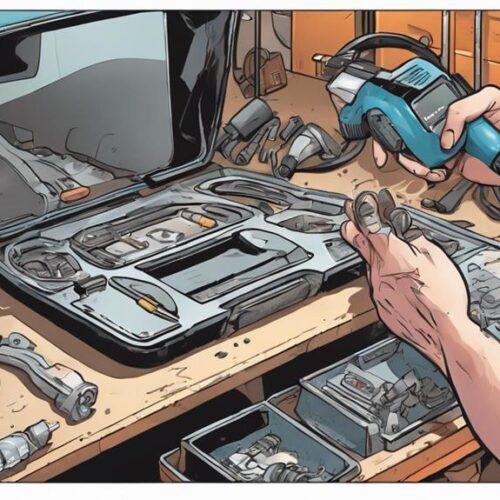
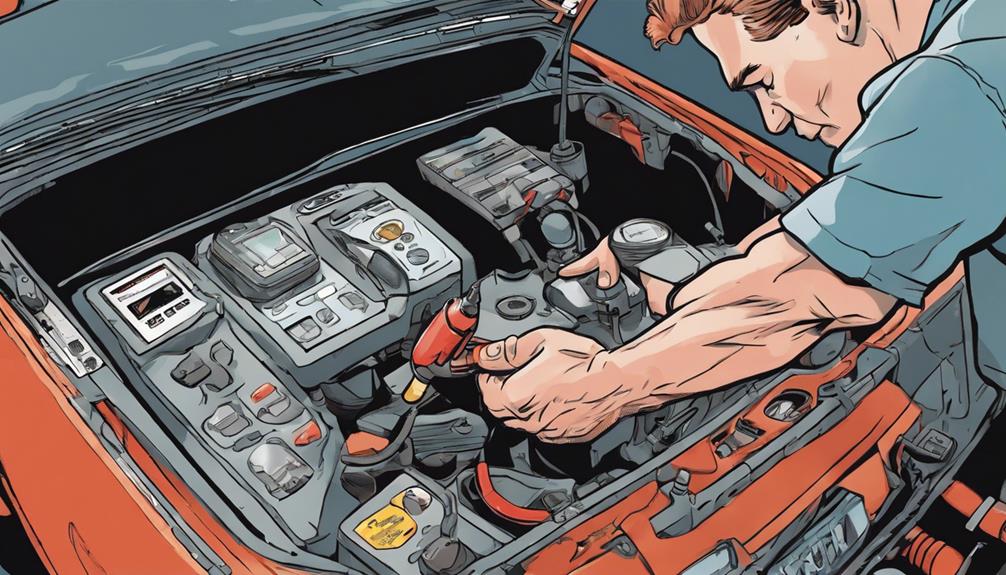
The installation process for an ignition interlock device involves a certified technician integrating the device into your vehicle's ignition system to ensure it functions correctly and complies with legal standards.
First, you'll need to schedule an appointment with an approved service provider. These technicians undergo rigorous training to ensure they can handle the complexities of various vehicle models.
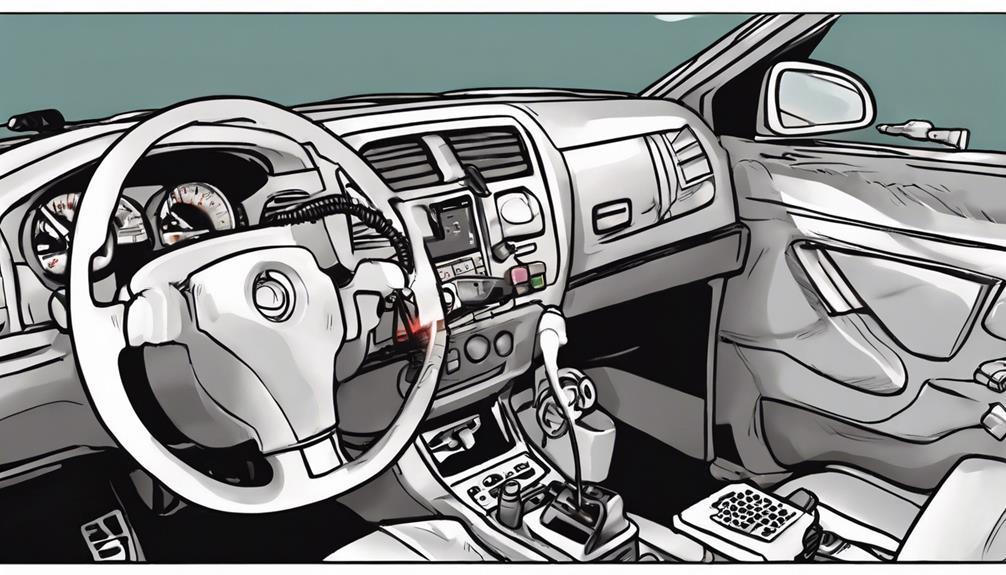
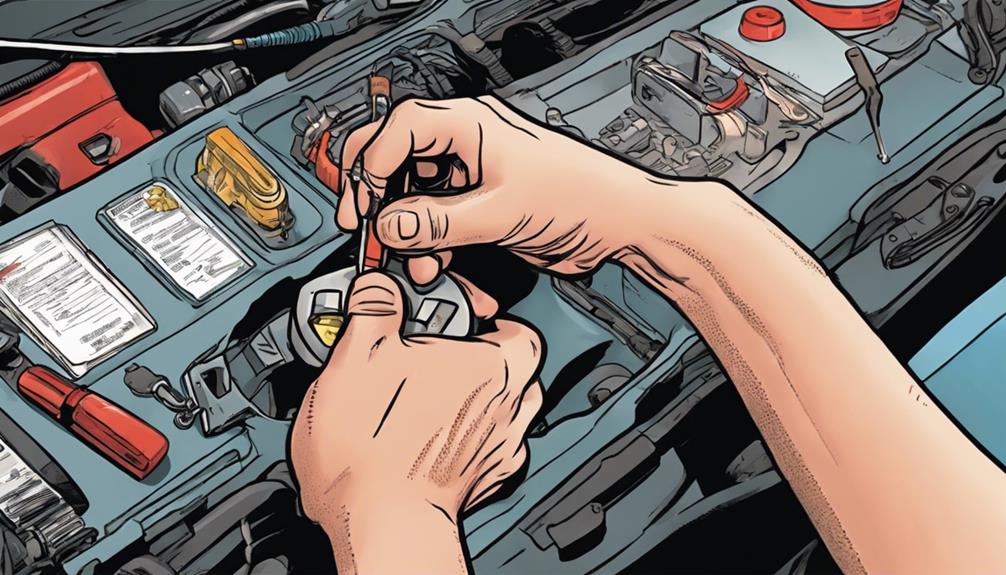
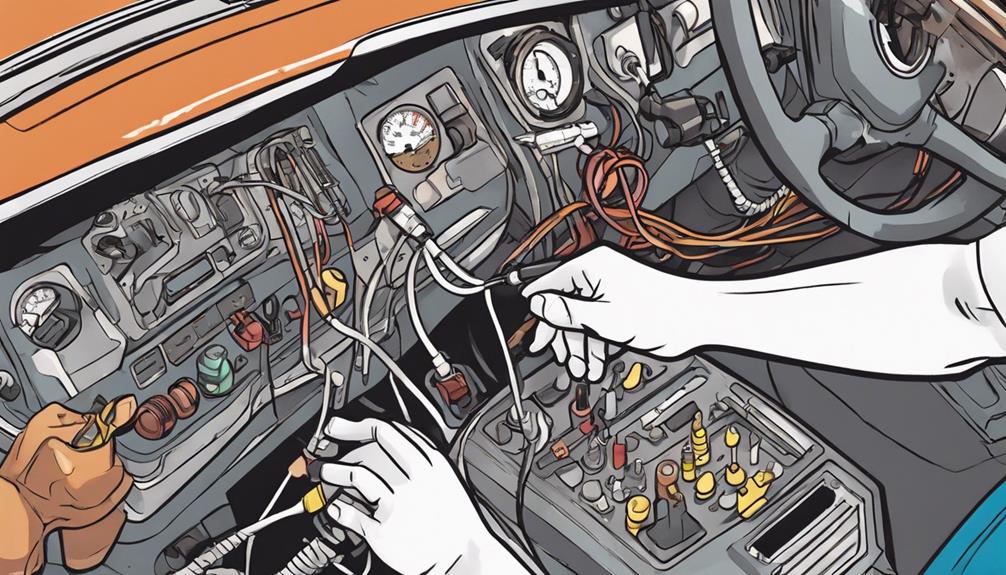
During the installation, the technician will disconnect your vehicle's battery to safely access the ignition system. They'll then wire the interlock device into the ignition circuit and connect it to the vehicle's power supply. This ensures the device can effectively prevent the engine from starting unless a breath sample is provided.
After the device is installed, the technician will conduct several tests to confirm its functionality. They'll instruct you on how to use the device, including how to provide a breath sample and interpret the device's signals.
Before you leave, you'll also receive documentation verifying the installation, which may be required for legal or regulatory purposes.
Costs Involved
Once the installation process is complete, it's important to understand the various costs involved with maintaining an ignition interlock device. You'll primarily encounter three types of expenses: installation, monthly monitoring, and calibration fees.
The installation fee varies, typically ranging from $70 to $150, depending on your vehicle type and the service provider.
Monthly monitoring fees are unavoidable and cover the cost of data recording and reporting to relevant authorities. These fees generally range from $60 to $90 per month. Some providers offer packages that include both monitoring and maintenance, which can slightly reduce the overall cost.
Calibration is crucial for ensuring the device's accuracy and usually occurs every 30 to 60 days. The fee for calibration is typically around $20 to $40 each session. Failure to maintain regular calibration can result in additional penalties and even device lockouts, which could incur extra charges for resetting.
Additionally, some jurisdictions may impose administrative fees for managing your case, and these costs can vary widely. It's essential to budget for these recurring expenses and understand that failing to do so may prolong the period you're required to use the device. Proper financial planning can ensure compliance and prevent unexpected costs.
Accuracy and Reliability
Ensuring the accuracy and reliability of ignition interlock devices is paramount to their effectiveness in preventing impaired driving. These devices use sophisticated technology, typically fuel cell sensors, to accurately measure blood alcohol concentration (BAC). Fuel cell sensors are preferred because they offer high specificity to alcohol, reducing the likelihood of false positives from other substances.
To maintain reliability, ignition interlock devices undergo rigorous calibration and regular maintenance checks. Calibration involves adjusting the device to ensure it provides accurate readings, typically performed every 30 to 60 days. During calibration, the device is tested with a known alcohol standard to confirm its precision.
Additionally, these devices include features to prevent tampering and ensure consistent performance. Anti-circumvention measures like breath pattern recognition and rolling retests require periodic breath samples during vehicle operation, ensuring the driver remains alcohol-free throughout the journey.
Data logging capabilities also record all test results, attempts to start the vehicle, and any signs of tampering, providing a comprehensive record for monitoring agencies.
Legal Requirements
In order to effectively implement ignition interlock programs, jurisdictions impose specific legal requirements that dictate the installation, maintenance, and monitoring of these devices.
You'll find that these regulations vary by state but generally include mandatory installation for individuals convicted of DUI offenses. Courts often specify the duration for which the device must remain installed, ranging from six months to several years, depending on the severity of the offense and any prior convictions.
Legal requirements also outline who bears the cost of the ignition interlock device. Typically, the offender is responsible for all expenses, including installation, monthly fees, and eventual removal. Some states offer financial assistance programs for those who can't afford the costs, ensuring compliance without undue financial burden.
Furthermore, jurisdictions mandate regular data uploads and monitoring. Service providers must report any violations, such as failed breath tests or attempts to tamper with the device, to the relevant authorities. Non-compliance can result in extended interlock periods or additional legal consequences.
Maintenance and Calibration
Regular maintenance and precise calibration of ignition interlock devices are vital to ensure their accuracy and effectiveness in preventing DUI offenses. You need to understand that these devices rely on sensitive sensors to measure blood alcohol content (BAC) accurately. Without routine calibration, the sensors could drift from their original settings, leading to inaccurate readings that might either wrongfully lock you out or, worse, allow impaired driving.
You should take your vehicle to an authorized service center regularly, usually every 30-60 days, as required by most state regulations. During these visits, technicians will check the device for any signs of tampering, ensure the internal components are functioning correctly, and re-calibrate the sensor. This process involves using a known alcohol standard to adjust the device's readings accurately.
Skipping maintenance can have serious legal consequences. Most devices are equipped with data loggers that record instances of missed maintenance, tampering attempts, and BAC readings. Authorities review this data to ensure compliance with court orders.
Therefore, adhering to the maintenance schedule isn't just about keeping the device functional; it's also about staying within the legal boundaries set by your DUI program.
User Experience
When considering the user experience of ignition interlock devices, you'll find that ease of use and a straightforward installation process are paramount.
These devices are designed to be user-friendly, ensuring that daily operation requires minimal effort and learning.
Additionally, professional installation guarantees that the device integrates seamlessly with your vehicle's existing systems, providing a hassle-free experience from the start.
Ease of Use
How do ignition interlock devices enhance user experience with their straightforward design and ease of use?
First, you'll find that these devices are remarkably intuitive. Upon entering your vehicle, a clear display instructs you to blow into the mouthpiece. The device quickly analyzes your breath sample and provides immediate feedback, allowing you to start the vehicle if your blood alcohol concentration (BAC) is below the preset limit. This rapid response minimizes any potential frustration and ensures a seamless start-up process.
Moreover, the device's interface is designed to be user-friendly, with straightforward prompts and minimalistic buttons. You won't need any advanced technical skills to operate it. Additionally, most modern ignition interlock devices come with features like voice instructions and illuminated displays, making them easy to use even in low-light conditions.
Another aspect contributing to ease of use is the device's maintenance alerts. These alerts notify you when calibration or servicing is required, ensuring the device remains in optimal working condition without you having to keep track manually.
Installation Process
Navigating the installation process of an ignition interlock device is straightforward, ensuring you can get back on the road with minimal downtime.
First, you'll need to choose an approved service provider. These providers are certified by state authorities to ensure they meet stringent safety and quality standards. Scheduling an appointment is your next step, and most providers offer flexible options to accommodate your schedule.
When you arrive at the service center, a certified technician will handle the installation. They'll connect the device to your vehicle's ignition system, ensuring all electrical connections are secure and compliant with state regulations. The process typically takes about one to two hours. During this time, the technician will also calibrate the device to meet legal requirements, including setting the blood alcohol concentration (BAC) limit.
Once installed, the technician will guide you through a comprehensive tutorial on how to use the device. You'll learn how to perform breath tests, what to do if you receive a lockout warning, and how to maintain the device.
Before you leave, the technician will also provide documentation confirming the installation, which you'll likely need to submit to your monitoring authority.
Benefits for Offenders
Opting for an ignition interlock device (IID) allows offenders to maintain their driving privileges while ensuring public safety through monitored compliance. By installing an IID, you're provided an opportunity to continue daily routines, such as commuting to work or attending important appointments, without the risk of complete license suspension. This device acts as a deterrent, reducing the likelihood of repeat offenses by requiring a breath test before the engine starts.
Moreover, IIDs offer a structured path towards rehabilitation. By demonstrating consistent compliance with the device's requirements, you build a documented history of responsible behavior, which can be beneficial in legal proceedings. The data collected from the IID can serve as evidence of your commitment to safe driving practices, potentially leading to more favorable outcomes in court or during probation reviews.
Additionally, having an IID installed can help reduce insurance premiums over time. Insurance companies may view the use of an IID as a proactive measure towards safer driving, reflecting positively on your risk profile. This can lead to lower rates and further financial relief.
Future Innovations
You'll soon see ignition interlock devices integrating advanced sensor technology, enabling more accurate detection of alcohol levels.
Remote monitoring capabilities will also enhance oversight, allowing authorities to receive real-time data on compliance.
These innovations promise to make interlock systems more reliable and efficient, further reducing instances of drunk driving.
Advanced Sensor Technology
In the realm of ignition interlock devices, advanced sensor technology promises to revolutionize the accuracy and reliability of detecting blood alcohol levels. By incorporating cutting-edge electrochemical sensors, these devices can now offer unparalleled precision in measuring ethanol concentration in a user's breath. These sensors are more responsive and less susceptible to false positives from substances like mouthwash or certain medications.
Additionally, advancements in semiconductor-based sensors are enhancing device sensitivity and reducing response times. This means you can expect faster, more accurate readings, minimizing the chances of system errors that could unjustly lock you out of your vehicle.
Another key innovation is the integration of fuel cell technology, which has proven to be more stable and accurate over time compared to older sensor types. Temperature and humidity sensors are also being incorporated to adjust readings for environmental conditions, ensuring consistent performance regardless of external factors.
These enhancements collectively improve the device's reliability, making it a more robust tool for preventing impaired driving. As the technology evolves, you can count on even greater innovations that will further enhance the safety and effectiveness of ignition interlock devices.
Remote Monitoring Capabilities
With the advent of remote monitoring capabilities, ignition interlock devices are set to offer unprecedented oversight and real-time data transmission to enhance compliance and safety.
These advanced systems can now transmit data instantaneously to monitoring agencies, providing up-to-the-minute information on a user's compliance status. You'll find that this technology not only records breath test results but also logs attempts to tamper with the device, vehicle location, and even driving patterns.
Implementing remote monitoring ensures that authorities can take immediate action if a user fails a breath test or attempts to circumvent the device. This real-time data transmission is crucial for maintaining the integrity of the monitoring process and ensuring public safety. The technology is also designed to send automated alerts to designated personnel, reducing the lag time between a violation and its detection.
Furthermore, remote monitoring capabilities allow for more efficient data management. You won't need to manually download data from the device, as it's seamlessly uploaded to a centralized system. This makes compliance reporting more straightforward and less prone to human error.
Ultimately, remote monitoring enhances the overall effectiveness of ignition interlock devices, making roads safer for everyone.
Conclusion
You've learned that Ignition Interlock Devices are indispensable in preventing drunk driving, thanks to their precise fuel cell technology.
They're easy to install, though they come with costs for maintenance and calibration.
These devices ensure you can maintain driving privileges while enhancing public safety.
Future innovations promise better compliance tracking and user experience.
By embracing IIDs, you'll contribute to reducing recidivism and promoting safer roads for everyone.