

When organizing a DUI awareness workshop, you need to consider several key factors to ensure its effectiveness. Start by understanding your audience—knowing their demographics and concerns can shape your approach. Next, choose a venue that's accessible to all participants. Collaborating with experts in the field can add credibility and depth to your presentation. Engaging content, including interactive activities and real-life scenarios, helps participants connect emotionally with the material. Don't forget to clearly present legal information about DUI laws and penalties. Promotion through social media and local partnerships can increase attendance. Curious about how to provide ongoing support and gather valuable feedback? Let's explore further.
Understand Your Audience

Do you know who your audience is and what they need to learn about DUI? Understanding your audience is crucial for creating an impactful DUI awareness workshop. Start by identifying their demographics—age, occupation, and education level can offer valuable insights. Are you addressing high school students, college attendees, or working professionals? Each group has different experiences and levels of understanding about DUI.
Next, consider their attitudes and perceptions about drinking and driving. Some participants might already have a basic understanding, while others could have misconceptions or a lack of awareness. Conducting pre-workshop surveys or informal interviews can help you gauge their knowledge levels and tailor your content accordingly.
You should also empathize with their potential experiences. Perhaps some have faced DUI charges or know someone who has. Acknowledge these experiences and create a safe, non-judgmental space for discussion. This approach will make your workshop more relatable and engaging.
Lastly, set clear learning objectives. What do you want them to take away from your session? Whether it's understanding the legal consequences, the impact on victims, or preventive measures, knowing your audience will help you deliver a more focused, effective workshop.
Choose the Right Venue
Choosing the right venue can significantly impact the effectiveness of your DUI awareness workshop. When selecting a location, consider accessibility to ensure participants can easily attend. Choose a venue that's centrally located and well-connected by public transport. This ensures higher attendance and encourages participation from a diverse audience.
A comfortable, well-lit environment makes a significant difference. A venue with adequate seating, good acoustics, and necessary facilities like restrooms and refreshments can keep attendees focused and engaged. Don't underestimate the importance of a space that feels welcoming and conducive to learning.
Consider the size of the venue. It should be spacious enough to accommodate your expected audience without feeling cramped, but not so large that it feels impersonal. A well-sized venue fosters a sense of community and allows for smoother interactions and discussions.
Ensure the venue has the necessary technical equipment. Reliable Wi-Fi, projectors, and sound systems are crucial for delivering multimedia presentations effectively. Test these facilities in advance to avoid technical issues during the workshop.
Taking the time to choose the right venue demonstrates your commitment to providing a valuable experience for attendees, which can significantly enhance the impact of your DUI awareness workshop.
Collaborate With Experts

After securing the perfect venue, collaborating with experts will ensure your DUI awareness workshop delivers accurate information and impactful insights. Bringing in professionals such as law enforcement officers, medical practitioners, and legal experts can significantly enhance your workshop's credibility and effectiveness.
These experts offer firsthand knowledge and experiences that resonate deeply with participants, making the crucial message about the dangers of driving under the influence more compelling. When you partner with law enforcement officers, you're incorporating their real-world experiences and statistics. They can provide vivid, real-life stories that highlight the severe consequences of DUI offenses.
Medical professionals can explain the physiological effects of alcohol and drugs on the body, making the science behind impaired driving clear and relatable. Additionally, legal experts can shed light on the legal repercussions and the long-term impact of a DUI conviction.
Empathy is key. Show your audience that you're bringing in these experts because you genuinely care about their safety and well-being. When participants see that you've gone the extra mile to provide comprehensive, expert-led information, they're more likely to take the message to heart and make safer choices.
Develop Engaging Content
You can make your DUI awareness workshop truly impactful by incorporating interactive learning activities and real-life case studies.
These elements engage participants and provide them with a deeper understanding of the consequences of impaired driving.
Interactive Learning Activities
Engaging participants in DUI awareness workshops can be significantly enhanced through interactive learning activities that make the content both relatable and memorable. When you incorporate hands-on exercises, group discussions, and role-playing scenarios, you're not just delivering information; you're creating experiences that resonate.
First, consider using simulation tools like DUI goggles. These allow participants to experience the disorienting effects of alcohol impairment in a safe environment. It's a powerful way to drive home the dangers of driving under the influence.
Next, organizing small group discussions helps attendees share personal stories and perspectives. This fosters a sense of community and emphasizes that everyone has a role in preventing DUI incidents.
You can also implement role-playing activities where participants act out scenarios involving DUI situations. These exercises encourage empathy and critical thinking, making the lessons more impactful.
Don't forget to include interactive quizzes and polls throughout the workshop. These not only keep participants engaged but also help you gauge their understanding in real-time.
Real-Life Case Studies
Building on the immersive experiences from interactive activities, examining real-life case studies can further deepen participants' understanding of the profound impacts of DUI incidents.
When you present real-world examples, it humanizes the statistics and fosters a stronger emotional connection. Participants can see the real faces and stories behind the numbers, making the consequences of DUI more tangible and relatable.
To create engaging content, select diverse case studies that highlight various outcomes—ranging from minor injuries to tragic fatalities.
Include narratives from different perspectives: victims, offenders, and family members. This multi-faceted approach ensures participants grasp the full spectrum of the DUI aftermath.
Encourage open discussions about these case studies to help participants process the information and reflect on their own attitudes and behaviors.
Ask thought-provoking questions like, 'How could this have been prevented?' or 'What would you do differently in this situation?' This not only deepens their understanding but also promotes critical thinking and personal responsibility.
Utilize Real-Life Scenarios
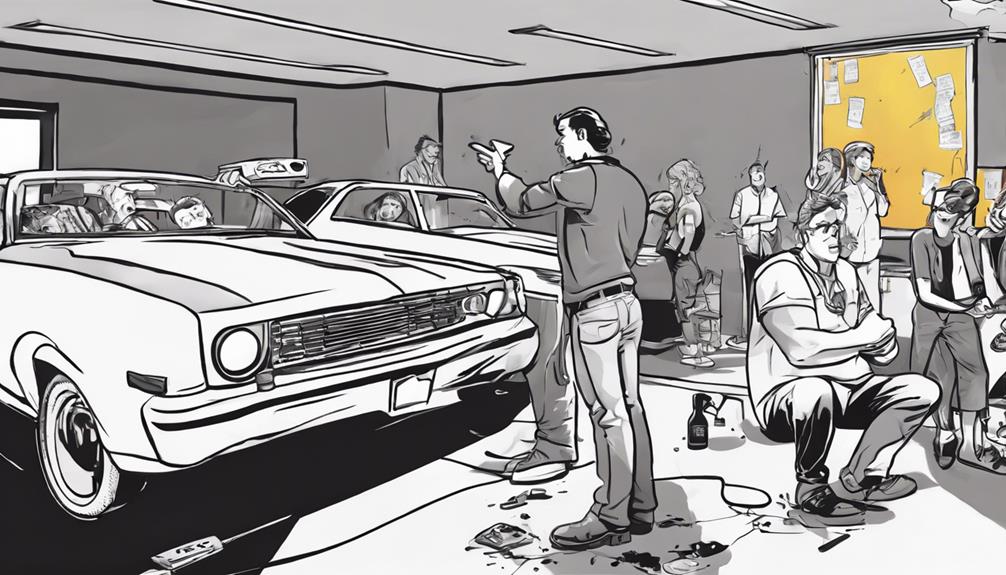
In order to make DUI awareness workshops more impactful, incorporating real-life scenarios allows participants to grasp the serious consequences of impaired driving firsthand. You can create powerful moments by sharing stories of individuals affected by DUI incidents. This helps people connect emotionally and understand the real-world ramifications of their actions.
When you present a scenario, make it as relatable and detailed as possible. Describe the events leading up to the incident, the choices made, and the aftermath. For example, talk about a young person's bright future cut short by a DUI accident, or a family forever changed by the loss of a loved one. These vivid descriptions will leave a lasting impression on your audience.
You can also invite guest speakers who've personal stories related to DUI. Hearing directly from someone who's experienced the consequences of impaired driving—whether it's a victim, a family member, or even a reformed offender—adds authenticity and depth to your workshop.
Incorporate Interactive Activities
Engaging participants with interactive activities like role-playing scenarios, real-life case studies, and hands-on exercises can make DUI awareness workshops more impactful.
You'll find that these methods not only keep attendees interested but also help them internalize the serious consequences of impaired driving.
Role-Playing Scenarios
Role-playing scenarios in DUI awareness workshops offer participants a hands-on approach to understanding the real-life consequences of impaired driving. By stepping into the shoes of someone who's impaired, they can vividly experience the potential dangers and repercussions without real-world risks. You can create scenarios where participants act out traffic stops, court hearings, or even interactions with victims.
This immersive method makes the impact of DUI laws and the importance of making safe choices hit home harder than a lecture ever could.
When you incorporate role-playing, you're not just telling people about the dangers—they're living them. Participants feel the tension of a police stop, the anxiety of facing legal consequences, and the emotional strain of affecting another person's life.
These activities make the statistics and facts real, visceral, and unforgettable.
Real-Life Case Studies
Real-life case studies provide a powerful tool to deepen your understanding of DUI consequences by examining actual incidents and outcomes.
When you dive into these true stories, you see the real, sometimes devastating, effects of driving under the influence. This not only makes the information more relatable but also underscores the gravity of the issue.
To make these case studies impactful, incorporate interactive activities.
Encourage participants to analyze and discuss each case in small groups. Ask questions like, 'What could have been done differently?' or 'How did this incident affect the lives involved?' This kind of engagement helps solidify the lessons and makes them feel personal.
You can also have participants role-play the aftermath of a DUI incident, stepping into the shoes of the individuals affected—be it the driver, the victims, or the families.
This immersive experience fosters empathy and a deeper understanding of the far-reaching consequences.
Hands-On Exercises
Interactive hands-on exercises can transform DUI awareness workshops from passive learning experiences into dynamic, impactful sessions. When you engage participants with interactive activities, you help them internalize the gravity of driving under the influence.
Consider incorporating activities like impairment simulation exercises. Using tools such as 'drunk goggles,' participants can experience the disorienting effects of alcohol impairment firsthand. This immediate, visceral understanding often resonates more deeply than statistics or lectures.
Role-playing scenarios are another powerful tool. By acting out situations like being stopped by the police or facing a courtroom trial, participants can better grasp the real-world consequences of DUI. These exercises foster empathy, helping individuals understand the emotional and legal repercussions that follow such actions.
Group discussions and problem-solving activities also encourage active participation. When attendees collaborate to find solutions to hypothetical DUI-related problems, they not only learn from the exercise but also from each other. This peer interaction can reinforce the learning objectives and create a supportive community atmosphere.
Don't underestimate the power of interactive exercises in your DUI awareness workshops. By making the experience immersive and engaging, you can significantly enhance participants' understanding and commitment to avoiding impaired driving.
Offer Legal Information

Understanding your legal rights and responsibilities is crucial for making informed decisions about driving under the influence. When you attend a DUI awareness workshop, it's essential to get a comprehensive overview of the legal landscape surrounding DUI offenses. This knowledge empowers you to grasp the consequences of your actions and how to navigate the legal system effectively if you ever find yourself in a DUI-related situation.
Workshops should cover key legal topics, including blood alcohol concentration (BAC) limits, the implications of refusing a breathalyzer, and the penalties for first-time and repeat offenders. Knowing these details can significantly impact your decisions and encourage safer behavior. You'll also benefit from understanding how DUI laws vary by state, as this can affect your responsibilities and potential penalties.
Invite legal experts or experienced DUI attorneys to speak at your workshop. Their insights can demystify complex legal jargon and provide real-world examples that resonate with participants. Don't underestimate the power of legal information in shaping attitudes and behaviors. By offering this critical information, you're not just educating attendees—you're potentially saving lives and helping them avoid the severe consequences of a DUI conviction.
Promote the Workshop Effectively
Now that you've structured a workshop with valuable legal insights, it's time to ensure that people know about it and are motivated to attend.
Start by leveraging social media platforms like Facebook, Instagram, and LinkedIn to create event pages and share engaging content. Use eye-catching visuals and compelling messages that highlight the importance of DUI awareness and the benefits of attending your workshop.
Don't underestimate the power of community outreach. Partner with local organizations, schools, and businesses to spread the word. Offer to give brief presentations at community meetings or provide flyers they can distribute. Personalized invitations can also make a big difference. Send emails or make phone calls to individuals and groups who'd benefit most from the workshop.
Engage local media by sending press releases to newspapers, radio stations, and TV channels. Highlight unique aspects of your workshop, such as expert speakers or interactive sessions, to catch their interest.
Word-of-mouth is another powerful tool—encourage past attendees to share their positive experiences.
Provide Support Resources

To ensure attendees leave with more than just knowledge, provide them with comprehensive support resources that they can utilize long after the workshop ends. This approach not only reinforces the information shared but also empowers participants to make lasting changes in their behavior and mindset.
Firstly, distribute a list of local support groups, counseling services, and hotlines. People may need ongoing support, and knowing where to turn can make a huge difference. Include details about both free and paid services to accommodate all financial situations.
Next, offer printed and digital materials, such as brochures, fact sheets, and links to informative websites. These resources allow attendees to revisit key points at their own pace and share them with others. Ensure these materials are easily understandable and visually engaging.
Additionally, consider creating a follow-up plan. Send periodic emails with tips, reminders, and motivational content. This continued engagement helps keep DUI awareness at the forefront of their minds and reinforces the workshop's messages.
Lastly, encourage attendees to join online communities or forums where they can share their experiences and gain support from peers. Building a network of like-minded individuals can be incredibly beneficial for maintaining long-term sobriety and safe driving habits.
Gather and Analyze Feedback
After providing robust support resources, it's important to gather and analyze feedback to continually improve the effectiveness of your DUI awareness workshops. Feedback is your compass; it guides you to understand what works and what doesn't. Be proactive in collecting this valuable data. Use surveys, suggestion boxes, and even one-on-one interviews to get honest opinions from participants.
When you analyze the feedback, look for patterns and recurring themes. Are certain topics confusing? Do attendees feel they need more interactive elements? Use this information to tailor your future workshops to better meet the needs of your audience. Don't shy away from constructive criticism; it's a stepping stone to enhancement.
Share your findings with your team and brainstorm actionable solutions together. Implement changes and monitor their impact in subsequent sessions. This cycle of feedback and improvement ensures that your workshops remain dynamic and effective.
Conclusion
By understanding your audience, choosing an accessible venue, and collaborating with experts, you can make your DUI awareness workshop truly impactful.
Engaging content, real-life scenarios, and clear legal information will resonate deeply with participants.
Promote effectively and provide ongoing support to ensure lasting impact.
Don't forget to gather and analyze feedback to continually improve.
You've got the tools to foster safer driving habits and save lives—use them wisely and empathetically.