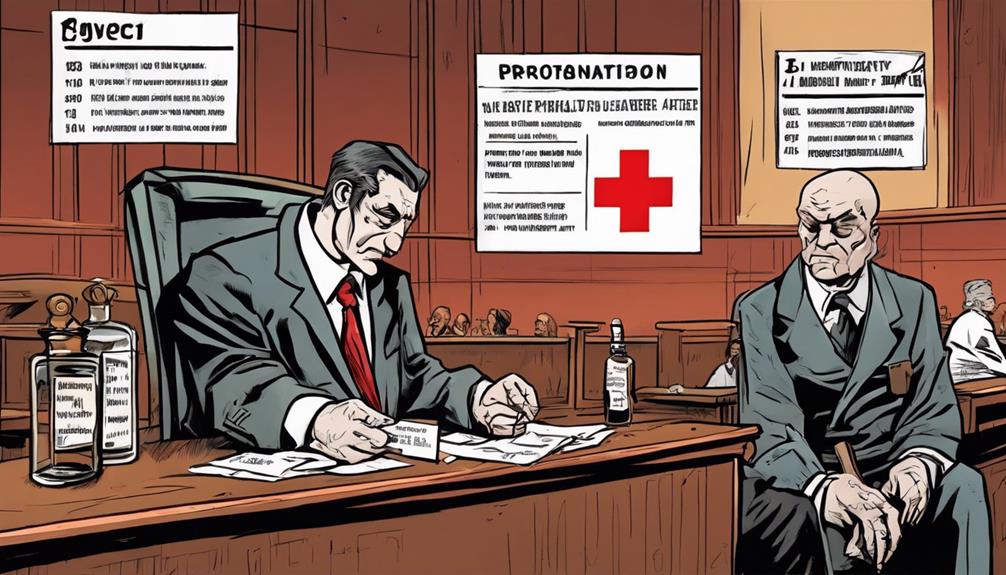

When you consider why alcohol offenses alter probation conditions, it's clear the justice system tailors these modifications to address the unique challenges of substance misuse. Increased monitoring, mandatory counseling, and alcohol testing are just a few ways to ensure compliance and reduce reoffending. These stricter measures, including curfews and travel restrictions, aren't just punitive; they aim to foster accountability, support recovery, and enhance community safety. But how do these changes actually influence long-term behavioral change for individuals on probation? Let's explore the real impact of these conditions.
Increased Monitoring

Increased monitoring is a critical component of probation conditions for individuals convicted of alcohol-related offenses. You'll find that these measures are designed to ensure compliance with the court's directives, reduce recidivism, and protect the community. Probation officers may use various tools to track your activities, such as electronic monitoring devices, regular check-ins, and random alcohol tests.
Electronic monitoring devices, like ankle bracelets, help probation officers know your whereabouts at all times. These devices can detect if you've entered prohibited areas, such as bars or liquor stores.
You'll likely be required to attend regular meetings with your probation officer, where they'll review your progress and discuss any concerns. These check-ins are crucial for maintaining accountability and addressing any potential issues before they escalate.
Random alcohol tests, including breathalyzers and urine tests, serve as another layer of oversight. You'll have to comply with these tests as they help ensure you're adhering to the no-alcohol stipulation of your probation.
These measures collectively aim to support your rehabilitation process, ensuring you remain sober and law-abiding while under probation. This multifaceted approach helps you avoid future offenses and promotes long-term behavioral change.
Mandatory Counseling
Alongside increased monitoring, mandatory counseling forms a vital part of probation conditions for those convicted of alcohol-related offenses. It's designed to address the underlying issues that contribute to alcohol misuse and prevent future offenses. You'll often find that these counseling sessions aren't optional; they're a required component of your probation terms.
In these sessions, licensed therapists or counselors work with you to identify triggers, develop coping strategies, and set goals for recovery. The objective is to provide you with the tools necessary to manage your behavior and make healthier choices. You'll likely engage in both individual and group counseling, offering you a comprehensive support system.
Compliance with mandatory counseling is closely monitored. Missing sessions or failing to participate actively can lead to violations of your probation terms, resulting in additional penalties or even incarceration. This requirement ensures that you're held accountable while receiving the support needed for rehabilitation.
Moreover, mandatory counseling serves a dual purpose: it aids in your personal recovery journey and enhances public safety by reducing the likelihood of repeat offenses. By committing to these sessions, you're taking a crucial step toward a more responsible and healthier future.
Travel Restrictions

Travel restrictions are a common probation condition for individuals convicted of alcohol-related offenses, aiming to ensure compliance and reduce the risk of further violations. When you're on probation, you might need to get approval from your probation officer before traveling out of state or even out of your local area. These restrictions help authorities monitor your behavior and ensure you're following the rules set by the court.
By limiting your travel, the court seeks to minimize opportunities for you to engage in activities that could lead to further alcohol-related offenses. This is particularly important if your social circle or preferred venues are known for heavy drinking.
Travel restrictions also ensure that you remain available for mandatory appointments, such as counseling sessions or court appearances, which are crucial for your rehabilitation.
If you need to travel for work, family emergencies, or other significant reasons, you must obtain prior permission. Failure to comply with these restrictions can result in additional penalties or even incarceration.
These measures are designed not to punish, but to support your path to recovery and lawful behavior, ultimately protecting both you and the community.
Alcohol Testing
Alcohol testing is a pivotal probation condition designed to ensure that individuals convicted of alcohol-related offenses remain sober and adhere to the terms set by the court.
You'll find that these tests can come in various forms, including breathalyzers, urine tests, and blood tests. Each method has its own procedural specifics and accuracy levels, but they all aim to monitor compliance effectively.
When you're on probation, you might be subject to random alcohol tests. This unpredictability is crucial; it discourages any attempts to consume alcohol knowing a test could happen at any time. Regular testing schedules may also be imposed, ensuring consistent monitoring of your sobriety.
It's important to understand that failing an alcohol test can have significant repercussions. These can range from warnings and extended probation periods to more severe consequences like revocation of probation and potential incarceration. To avoid this, strict adherence to sobriety is mandatory.
Compliance with alcohol testing not only helps you adhere to probation terms but also supports your rehabilitation process. It's a clear measure to demonstrate commitment to staying sober, ultimately aiding in reducing the likelihood of reoffending and promoting a healthier lifestyle.
Curfews

Curfews play a crucial role in probation conditions for alcohol offenses by ensuring enhanced monitoring requirements.
You'll find that they assist in maintaining accountability and compliance checks, which are vital for successful rehabilitation.
Additionally, curfews contribute to community safety concerns by reducing the likelihood of repeat offenses during high-risk hours.
Enhanced Monitoring Requirements
Enhanced monitoring requirements, such as curfews, play a crucial role in ensuring compliance with probation conditions for alcohol-related offenses. When you're under probation, a curfew can help structure your daily routine and limit the opportunities for alcohol consumption, especially during late-night hours when violations are more likely to occur. Curfews set clear boundaries, making it easier for you to avoid situations where you might be tempted to drink.
To monitor your adherence to curfews, probation officers may employ various tools, including electronic monitoring devices like ankle bracelets equipped with GPS. These devices allow officers to track your location in real-time, ensuring you remain within permitted areas during designated hours. This level of oversight not only helps you stay accountable but also provides a sense of security, knowing that your activities are being monitored.
Additionally, regular check-ins with your probation officer can reinforce compliance. These check-ins might be scheduled randomly to ensure you're following the curfew consistently. By adhering to these enhanced monitoring requirements, you demonstrate your commitment to rehabilitation and your willingness to abide by the terms set forth in your probation.
Accountability and Compliance Checks
Maintaining accountability through regular compliance checks ensures that probationers adhere to curfew requirements, reinforcing structured routines and reducing the likelihood of alcohol-related infractions. When you're on probation for an alcohol offense, curfews serve as a critical tool for structuring your daily activities. This structured schedule minimizes opportunities for engaging in risky behaviors associated with alcohol consumption.
Probation officers conduct unannounced visits and regular check-ins to verify you're complying with curfew rules. These visits can include home inspections and electronic monitoring, utilizing tools like GPS ankle bracelets to track your location. By consistently monitoring your adherence to curfews, officers can quickly identify and address any non-compliance.
You might also be required to report to a probation office or call in at specified times to confirm your whereabouts. These compliance checks are designed to create a sense of accountability, making it clear that any deviation from the curfew will have consequences.
This consistent oversight helps you develop better habits and reinforces the importance of following the conditions set by the court. Ultimately, these measures aim to support your rehabilitation by reducing the risk of relapse and promoting a disciplined lifestyle.
Community Safety Concerns
Implementing curfews as part of probation conditions directly enhances community safety by limiting the times during which you can engage in potentially risky behavior. When you're required to be home by a certain hour, it minimizes opportunities to frequent environments where alcohol is prevalent, such as bars or parties. This restriction not only helps you avoid situations that could lead to reoffending but also reduces the likelihood of endangering others.
Curfews are particularly effective in mitigating nighttime offenses, which statistically occur more frequently. By confining your activities to daytime hours, the probation system aims to lower the risk of alcohol-related incidents like drunk driving or public disturbances. This measure is designed to protect both you and the community from potential harm.
Furthermore, curfews facilitate easier monitoring and enforcement by probation officers. Knowing your whereabouts during specified hours allows for more straightforward compliance checks, ensuring you adhere to the conditions set forth. This accountability mechanism underscores the importance of structured routines in rehabilitation efforts.
Community Service
Community service often serves as a constructive probation condition for alcohol offenses, offering individuals an opportunity to give back to the community while fulfilling their legal obligations. When you're assigned community service, you gain a chance to make amends in a tangible way, demonstrating responsibility and remorse for your actions. This probation condition isn't just a punitive measure; it's designed to foster positive behavioral changes and societal contributions.
In performing community service, you might find yourself working with local charities, cleaning public spaces, or assisting in community events. These activities not only benefit the public but also help you build a sense of accomplishment and connection to your community. The structured environment can provide you with a routine, reducing the likelihood of reoffending and encouraging a more disciplined lifestyle.
Moreover, community service can be a rehabilitative experience. It provides a platform for you to develop new skills, enhance your employability, and build a better understanding of the impacts of alcohol-related offenses. By engaging in these activities, you demonstrate a commitment to personal growth and community betterment, which can positively influence future legal considerations and your overall rehabilitation process.
Conclusion
In conclusion, you'll see that altering probation conditions for alcohol offenses is essential for promoting rehabilitation and safeguarding the community.
Increased monitoring, mandatory counseling, travel restrictions, alcohol testing, curfews, and community service all play crucial roles.
These measures ensure compliance with court orders, support recovery, and reduce the likelihood of reoffending.
By adhering to these stricter conditions, you're more likely to achieve long-term behavioral change and contribute positively to society.