
When you're faced with a DUI conviction, understanding ignition interlock requirements can be crucial since these laws differ widely between states. Some states, like New York, have strict mandates requiring all DUI offenders to install these devices, while others, such as California, impose them based on the severity of the offense. The financial burden of installation and maintenance falls on you, and non-compliance can result in harsher penalties. Curious about how your state's laws stack up and what you need to know to stay compliant? Let's explore the specifics and implications of these regulations further.
Overview of Ignition Interlock Devices

An Ignition Interlock Device (IID), often mandated by court orders, is a sophisticated mechanism installed in a vehicle to prevent operation if alcohol is detected in the driver's breath. These devices function as a preventive measure to enhance public safety and reduce repeat DUI offenses.
When you're required to use an IID, you must blow into the device before starting your vehicle. If the IID detects a blood alcohol concentration (BAC) above a predetermined limit, typically set at 0.02%, the vehicle won't start.
IIDs are also equipped with rolling retests, meaning you'll need to provide breath samples at random intervals while driving to ensure continued compliance. Failure to comply with these retests can lead to the activation of alarms, flashing lights, or even the horn, alerting law enforcement and the public to potential violations.
Installation and maintenance of IIDs are generally at the expense of the driver, adding a financial consideration to the legal repercussions of a DUI conviction. It's crucial to understand the specific operational guidelines and legal responsibilities tied to these devices, as non-compliance can result in severe penalties including extended IID requirements, fines, or even incarceration.
State-Specific Ignition Interlock Laws
Understanding the specific ignition interlock laws in your state is vital for ensuring compliance and avoiding further legal penalties. Each state has its own set of regulations and requirements for DUI offenders, and it's crucial to familiarize yourself with these if you've been convicted.
For instance, some states mandate ignition interlock devices (IIDs) for all DUI convictions, while others only require them for repeat offenders or those with a high blood alcohol concentration (BAC).
In California, first-time offenders with a BAC of 0.15% or higher must install an IID, whereas New York requires IIDs for all DUI convictions, regardless of BAC. States like Texas have discretionary IID requirements, meaning judges have the authority to mandate them based on the specifics of the case.
Additionally, the duration of IID installation varies significantly; some states impose a six-month period, while others might require several years.
Consulting with a legal expert in your jurisdiction can help you navigate these complex laws. By understanding and adhering to your state's specific ignition interlock requirements, you can better protect your driving privileges and avoid further complications.
Penalties for Non-Compliance

Failing to comply with ignition interlock requirements can result in severe penalties, including extended installation periods, hefty fines, and even incarceration. Non-compliance isn't taken lightly by the courts, and violations can quickly escalate your legal troubles.
For instance, if you attempt to tamper with or circumvent the device, you could face criminal charges that extend beyond your original DUI offense. States like California and Texas impose strict repercussions for any breaches, including additional months or years added to your interlock period.
In some jurisdictions, such as Florida, non-compliance could lead to fines exceeding $1,000 and potential jail time. Moreover, failing to report for scheduled maintenance or calibration checks can also trigger penalties, including immediate suspension of your driving privileges.
Legal terminology such as 'enhanced penalties' and 'aggravated circumstances' often come into play. Enhanced penalties may include longer interlock requirements or mandatory alcohol education programs. Aggravated circumstances could result in harsher sentencing, especially if your non-compliance endangers public safety.
Client advocacy is crucial here. If you're navigating these legal waters, it's advisable to consult with an attorney who specializes in DUI cases. They can provide expert guidance and help mitigate the consequences, potentially negotiating lesser penalties on your behalf.
Costs and Financial Assistance
Understanding the financial implications of ignition interlock devices is crucial.
You'll encounter installation and maintenance fees, which can add up quickly.
However, various state assistance programs exist to mitigate these costs, ensuring compliance remains accessible.
Installation and Maintenance Fees
The costs associated with installing and maintaining an ignition interlock device can be significant, but various financial assistance programs are available to mitigate these expenses.
Initially, you'll face the installation fee, typically ranging from $70 to $150. This fee covers the cost of securing the device in your vehicle and ensuring it functions correctly.
Beyond installation, there are recurring monthly maintenance fees, which usually fall between $60 and $90. These fees cover the calibration and monitoring services necessary to meet state compliance requirements.
It's crucial to understand that failure to adhere to these financial obligations can result in penalties, including the extension of your ignition interlock requirement. However, if you're experiencing financial hardship, you may qualify for fee waivers or sliding scale payments. Each state has distinct criteria for eligibility, so you should consult with your attorney to explore your options.
Additionally, it's worth noting that some states impose removal fees when your interlock period concludes. These costs can add up, making it essential to budget accordingly.
State Assistance Programs
Fortunately, many states offer assistance programs to help offset the costs of ignition interlock devices for those who qualify.
These programs are designed to ensure that financial hardship doesn't prevent you from complying with court-mandated requirements. For instance, states like California and New York provide subsidies or reduced fees based on income levels. Eligibility often requires submitting proof of financial need, such as pay stubs or tax returns.
To access these programs, you should first consult your state's Department of Motor Vehicles (DMV) or equivalent agency. They can provide specific guidelines and application forms. In some cases, courts may also have the authority to grant fee waivers or reductions directly. It's crucial to act promptly, as delays in installing your ignition interlock device can result in additional penalties.
Moreover, some states, like Texas, have established funds specifically for indigent defendants, ensuring you won't face undue financial strain. These programs typically cover both installation and monthly maintenance fees.
However, benefits can vary, so always verify the exact terms and conditions. By taking advantage of state assistance programs, you can meet legal obligations without overwhelming financial burdens.
Installation and Maintenance Processes
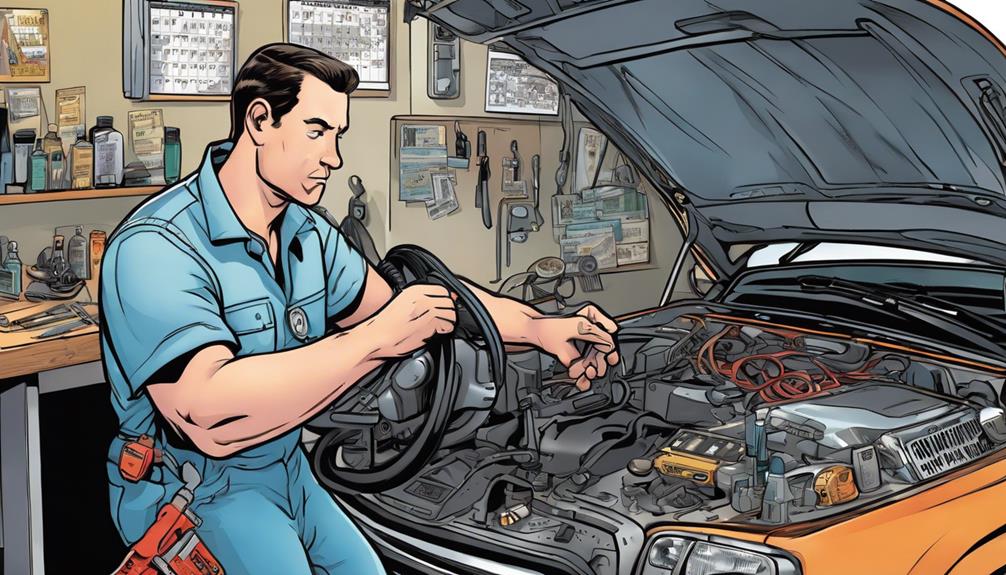
To ensure compliance with DUI regulations, installation and maintenance of ignition interlock devices must follow stringent procedural guidelines and periodic inspections.
You'll need to select a state-approved provider to install the device. These providers are certified to ensure that the device meets state-specific compliance standards and is correctly calibrated to detect alcohol levels.
Upon installation, you'll receive detailed instructions on how to use the device and what to expect during the monitoring period. It's crucial that you adhere to these instructions to avoid potential violations.
The interlock device will require regular maintenance, which typically involves periodic visits to the service provider for recalibration and data download. These visits ensure the device's accuracy and functionality, and any recorded violations will be reported to the relevant authorities.
Failure to comply with maintenance schedules can result in penalties, including extensions of the interlock requirement or additional fines.
It's also essential to keep meticulous records of all service visits and any issues encountered with the device. This proactive approach will help safeguard your interests and ensure that you remain in good standing with the court or DMV.
Following these guidelines is imperative for a successful and compliant interlock program experience.
Duration and Monitoring Periods
Duration and monitoring periods for ignition interlock devices vary significantly based on jurisdiction and the specifics of your DUI offense. If it's your first offense, some states might require the device for as little as six months, while others mandate up to a year. On the other hand, repeat offenders often face longer durations—potentially several years. States like California and New York differentiate between misdemeanors and felonies, imposing stricter timelines for more severe violations.
Monitoring isn't just about the length of time you're required to have the device. Regular data uploads and compliance checks are integral. Most states require periodic reporting to ensure you're not tampering with the device or attempting to circumvent its function. Non-compliance can lead to extensions of your initial monitoring period or additional penalties.
Different states also have varying requirements for successful completion. For instance, some jurisdictions mandate a clean record for a specific period before they'll consider removing the device. This means that even a single failed attempt at starting your vehicle under the influence can reset the clock.
Understanding your state's specific regulations is crucial. Consult legal counsel to navigate these requirements effectively and ensure compliance throughout your mandated period.
Rights and Responsibilities of Offenders

As an offender, you must strictly comply with all ignition interlock device requirements to retain your driving privileges.
Failure to adhere to these regulations, including any legal driving limitations, can result in severe penalties.
Understanding your rights and responsibilities is crucial to navigating this period successfully.
Compliance With Device Use
Offenders must adhere strictly to all stipulations concerning the ignition interlock device, ensuring compliance not only safeguards their legal standing but also reinforces public safety.
You must regularly maintain and calibrate the device per the manufacturer's guidelines and the court's directives. Neglecting these responsibilities could lead to serious repercussions, including extended use of the device or additional penalties.
You're required to submit to periodic monitoring and reporting. These reports generally include data on every start-up attempt, any failed tests, and any tampering or circumvention attempts. Legal authorities will scrutinize this data to ensure you're complying with the terms of your probation or court order.
Additionally, you must avoid any attempts to circumvent or tamper with the device, as such actions are considered violations and can result in severe penalties. Misuse can lead to criminal charges, revocation of driving privileges, and potential jail time.
Legal Driving Limitations
Adhering to the ignition interlock device requirements is just one aspect of the legal driving limitations you'll face, including restricted driving hours and designated routes. As a DUI offender, you must comply with these conditions to maintain limited driving privileges. Specific hours may be mandated for work, medical appointments, or educational purposes. Violating these restrictions can lead to severe penalties, including revocation of your driving privileges and additional fines.
Furthermore, some jurisdictions may require you to submit detailed logs of your driving activities. These logs help ensure that you're only traveling within the specified parameters. Failure to accurately maintain these records can result in legal repercussions.
Responsibilities also extend to maintaining insurance coverage, as lapses could invalidate your limited driving status. You might be required to carry higher-risk insurance, known as SR-22, to confirm your compliance with state laws.
Understanding and adhering to these legal driving limitations are crucial. Non-compliance not only jeopardizes your conditional driving privileges but can also extend the duration of the ignition interlock requirement. Always consult with your legal advisor to fully grasp your rights and responsibilities, ensuring you navigate this period without further complications.
Conclusion
In conclusion, understanding your state's specific IID requirements is crucial for compliance and avoiding further penalties.
Ensure you're aware of the installation and maintenance costs, as well as the potential for financial assistance.
Non-compliance can lead to severe consequences, including extended IID periods and hefty fines.
As a DUI offender, it's your responsibility to adhere to these regulations to regain your driving privileges and avoid further legal complications.