When examining the impact of DUI penalties based on BAC levels, you’ll find that even a slight increase can lead to significantly harsher consequences. From fines and license suspensions for those under 0.08% to extended jail time and severe financial penalties for higher BAC levels, the system is designed to deter dangerous behavior. What happens when the BAC surpasses 0.10% or even 0.15%? And how much more stringent are the penalties for repeat offenders? Understanding these nuances can be crucial for anyone concerned about road safety and legal repercussions.

Although a BAC under 0.08% may not lead to a standard DUI charge, you can still face significant legal consequences under certain circumstances.
For example, if you’re a commercial driver, the BAC threshold drops to 0.04%. Driving with a BAC above this limit can lead to disqualification from operating commercial vehicles, fines, and even imprisonment.
If you’re under 21, any detectable alcohol in your system can trigger penalties. Zero-tolerance laws in many states impose severe sanctions, including license suspension, fines, and mandatory education programs.
Moreover, even if your BAC is below 0.08%, erratic driving can still result in a ‘wet reckless’ charge, which is a lesser but still serious offense.
Additionally, if you have prior DUI convictions or other aggravating factors like causing an accident, you could face increased penalties. You might be subject to probation, mandatory installation of an ignition interlock device, and higher insurance premiums.
Legal consequences aren’t limited to just traffic laws; they can affect employment opportunities, especially for jobs requiring a clean driving record.
Understanding these nuances can help you realize that even a BAC under 0.08% isn’t a free pass. Always consider the broader implications and act responsibly to avoid these potential legal pitfalls.
When your BAC reaches 0.08%, you’re looking at serious repercussions, including a lengthy license suspension, hefty fines, and potential jail time.
The legal system doesn’t take these offenses lightly, and each penalty is designed to underscore the severity of driving under the influence.
We’ll explore how these consequences vary and what you can expect at this critical BAC threshold.
Driving with a BAC of 0.08% can result in a mandatory license suspension that significantly disrupts your daily life and freedom of movement.
When you’re caught with a BAC at this level, the law mandates a suspension period that varies by state but typically ranges from 90 days to one year for a first offense. This suspension is designed to act as a deterrent, underscoring the seriousness of impaired driving.
The impact of losing your driving privileges can’t be understated. You’ll find yourself relying on public transportation, ride-sharing services, or the goodwill of friends and family. This can complicate your ability to commute to work, attend school, or manage daily errands.
Moreover, reinstating your license often involves additional steps such as completing a mandatory DUI education program or installing an ignition interlock device in your vehicle.
It’s crucial to understand that license suspension isn’t just a punitive measure; it’s a protective one. By restricting your ability to drive, the law aims to ensure public safety and reduce the likelihood of repeat offenses.
Therefore, the repercussions of a DUI extend far beyond immediate penalties, affecting long-term mobility and lifestyle.
Facing a DUI charge with a BAC of 0.08% not only leads to a license suspension but also subjects you to substantial fines and fees that can strain your finances.
You’ll typically face fines ranging from $500 to $2,000, depending on the jurisdiction and whether it’s your first offense. These fines can increase significantly if aggravating factors are present, like having minors in the vehicle or causing an accident.
Beyond the initial fines, you’ll also be responsible for court costs, which can add several hundred dollars to your financial burden. Additionally, you’ll likely be required to attend DUI education programs, which aren’t free. The costs for these mandatory classes can range from $150 to $500.
Let’s not forget the administrative fees for license reinstatement, which can be another $100 to $250. Moreover, your car insurance premiums will skyrocket, potentially doubling or even tripling, meaning you’ll be paying higher rates for years to come.
All these expenses add up quickly, creating a financial strain that goes beyond just the immediate penalties. It’s crucial to understand the full scope of these fines and fees to prepare adequately and avoid any further complications.
In addition to the financial burdens, a DUI conviction with a BAC of 0.08% or higher often results in mandatory jail time, further complicating your situation. The specific duration can vary by jurisdiction, but typically, first-time offenders face at least 48 hours to a few days in jail. Repeat offenders or those with significantly higher BAC levels might see these periods extend to several weeks or even months.
You should understand that judges have little discretion in these cases due to stringent DUI laws designed to deter impaired driving. In many states, mandatory minimum sentences are imposed, meaning you can’t avoid jail time even if you have a clean record or extenuating circumstances. Additionally, some jurisdictions may offer alternatives like community service or alcohol treatment programs, but these are generally reserved for first-time offenders with lower BAC levels.
These penalties aim to underscore the seriousness of DUI offenses while promoting public safety. However, jail time disrupts your daily life, affecting your employment, family responsibilities, and overall well-being.
Consulting a legal professional can help you navigate these complexities, potentially reducing the severity of the consequences you face.
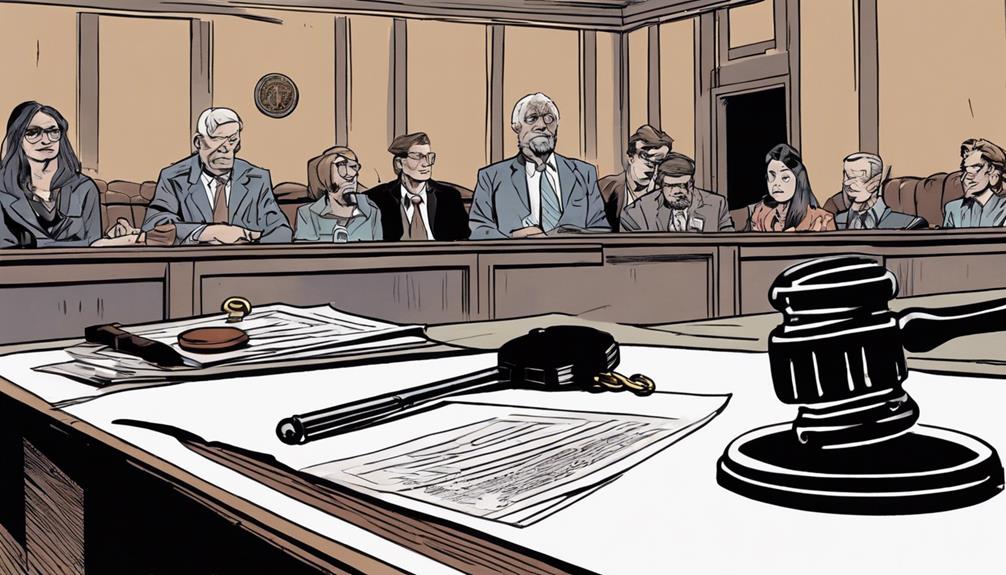
Even with a 0% BAC, you’re not immune to DUI penalties, particularly if impairment is established through other means.
Expect a license suspension duration that can be as severe as higher BAC levels, and don’t underestimate the potential for jail time.
These consequences reflect a rigorous legal approach to ensure all forms of impaired driving are addressed.
A DUI conviction can result in a mandatory license suspension, even if your BAC is at 0% due to refusal to take a chemical test. Refusing a chemical test triggers implied consent laws, which most jurisdictions enforce strictly. When you refuse, you’re essentially breaking the agreement you made when you obtained your driver’s license. This can lead to an automatic suspension, often longer than if you’d taken the test and failed.
Typically, for a first refusal, you might face a suspension ranging from six months to a year. Multiple refusals or prior DUI convictions can significantly increase this period, sometimes up to three years. Your right to drive is considered a privilege, not a right, and the state aims to ensure road safety by imposing these stringent penalties.
You should also be aware that this suspension is generally administrative and separate from any criminal proceedings. This means you could face additional penalties if convicted of DUI.
To mitigate these consequences, you might consider legal representation to navigate the complexities of DUI laws and possibly negotiate a more favorable outcome. Ignoring these penalties can severely impact your daily life, making it crucial to understand and comply with all legal requirements.
If you refuse a chemical test and your BAC is at 0%, you could still face jail time due to implied consent violations, often ranging from 48 hours to several days for a first offense. Implied consent laws mandate that by driving, you agree to submit to chemical tests if suspected of DUI. Refusal can be seen as an attempt to circumvent law enforcement, leading to severe penalties.
Your refusal triggers automatic administrative penalties, including potential jail time. Judges often view test refusals as a sign of non-cooperation, influencing their sentencing decisions. For a first offense, you might spend at least 48 hours in jail, but this can extend up to several days, depending on state laws and circumstances.
Keep in mind that subsequent refusals or prior DUI convictions can drastically increase jail time. Repeat offenders could face weeks or even months in jail. It’s crucial to understand that even with a 0% BAC, refusing a test places you in a precarious legal position.
Compliance might mitigate penalties, but refusal almost guarantees harsher consequences. Consulting with a DUI attorney can help you navigate these complexities and potentially reduce your jail time exposure.
With a BAC of 0.05%, you face significant DUI penalties including fines, license suspension, and potential jail time, depending on jurisdiction. Most states enforce strict measures for drivers with this BAC level, reflecting a growing intolerance for impaired driving.
Firstly, expect a hefty fine. These fines vary, but they can be substantial, impacting your financial stability.
Additionally, your driver’s license could be suspended for a period ranging from several months to a year. This suspension can disrupt your daily life, affecting your ability to commute to work or fulfill personal obligations.
Jail time is another serious consequence. While it may not be mandatory in every state, many jurisdictions impose short-term incarceration for first-time offenders with a 0.05% BAC. Repeat offenders face even harsher penalties, including extended jail sentences.
Moreover, you’ll likely be required to attend DUI education programs or substance abuse counseling. These programs aim to reduce recidivism but add to your overall burden.
Lastly, consider the long-term impact on your criminal record and insurance premiums. A DUI conviction can lead to higher insurance costs and difficulties securing certain employment opportunities.
Understanding these penalties underscores the importance of responsible driving.
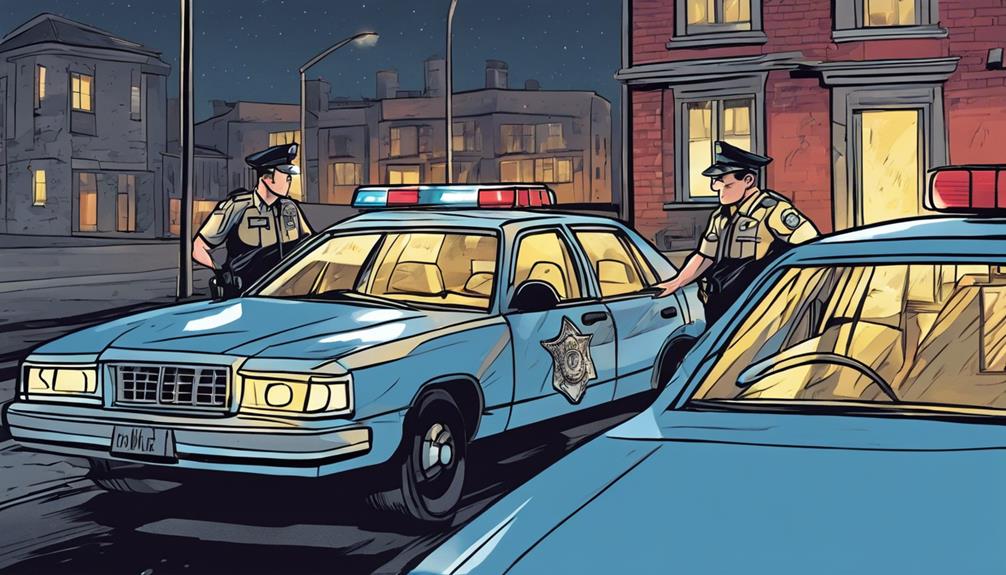
Zero-tolerance policies for 0% BAC infractions highlight the unwavering commitment to road safety and the unyielding consequences of driving under any influence. If you’re caught driving with any detectable level of alcohol in your system, even below the legal limits for a DUI, you face serious repercussions, especially if you’re under 21 or a commercial driver.
For underage drivers, a 0% BAC infraction can result in immediate license suspension, fines, and mandatory alcohol education programs. The rationale is clear: preventing young individuals from forming dangerous habits that could escalate into more severe offenses as they age. These penalties serve as a stern deterrent.
For commercial drivers, the stakes are even higher. A 0% BAC infraction can lead to disqualification from operating commercial vehicles, hefty fines, and potential job loss. The legal system recognizes that commercial drivers bear a greater responsibility due to the nature of their work, transporting goods and passengers.
In both cases, the penalties for 0% BAC infractions are designed to reinforce that any level of impairment is unacceptable. By enforcing stringent consequences, the legal framework aims to maintain road safety and reduce the likelihood of future DUIs.
How much more severe are the penalties when your blood alcohol concentration (BAC) soars above the legal limit? When your BAC exceeds 0.15%, you’re looking at significantly harsher consequences. Courts view high BAC levels as a clear indicator of reckless behavior, and they don’t take it lightly.
First, expect hefty fines. In many jurisdictions, fines can double or even triple compared to those for lower BAC levels. You’re also likely to face longer jail sentences, sometimes mandatory, even for a first offense. Judges often impose these stricter penalties to deter repeat behavior and emphasize the grave risk you posed to public safety.
Second, license suspension periods increase dramatically. While a standard DUI might result in a six-month suspension, high BAC levels can lead to suspensions lasting a year or more. You may also be required to install an ignition interlock device (IID) on your vehicle, which prevents you from starting your car without passing a breathalyzer test.

While high BAC levels warrant severe consequences, first-time offenders also face significant penalties that underscore the seriousness of driving under the influence. If you’re caught with a BAC over the legal limit for the first time, you’ll likely face a combination of fines, license suspension, and mandatory education or treatment programs. These penalties are designed to be a wake-up call, emphasizing that even a single lapse in judgment can have lasting repercussions.
Fines for first-time offenders can range from a few hundred to several thousand dollars, depending on your jurisdiction. License suspension is another common penalty, typically lasting from six months to a year. During this period, you might need to apply for a restricted license to commute to work or school.
Additionally, most states require you to complete a DUI education program, which can include both classroom instruction and group counseling sessions. In some cases, you may be required to install an ignition interlock device on your vehicle. This device prevents your car from starting if it detects alcohol on your breath, adding another layer of accountability.
These measures collectively aim to deter future offenses and promote safer driving habits.
For repeat DUI offenders, the penalties escalate dramatically, reflecting the increased risk to public safety and the legal system’s determination to curb habitual violations. If you’re caught driving under the influence for a second or third time, expect much harsher consequences compared to a first-time offense.
You’ll likely face extended jail time, with mandatory minimum sentences that can’t be waived. For instance, a second offense might land you in jail for up to a year, while a third offense could result in multi-year sentences.
Additionally, your fines will increase substantially, often doubling or tripling from the first offense. You may also be required to install an ignition interlock device in your vehicle, which prevents your car from starting if alcohol is detected on your breath.
Your driving privileges will take a significant hit as well. License suspension periods for repeat offenders are typically much longer, sometimes lasting several years. In some jurisdictions, you could even face permanent revocation of your driving license.
Furthermore, mandatory alcohol treatment programs and community service hours are usually required. These stringent measures aim to deter you from repeating the offense and to safeguard public safety.

When facing aggravated DUI charges, you can expect significantly higher fines and extended jail time.
These severe penalties reflect the increased danger associated with elevated BAC levels or other aggravating factors.
Understanding the full scope of these consequences will help you better navigate the legal challenges ahead.
If your blood alcohol concentration (BAC) exceeds 0.15%, you’re likely to face significantly higher fines due to aggravated DUI penalties. These fines can escalate quickly, sometimes doubling or even tripling the standard amounts. Why? Because the law views a higher BAC as a more severe threat to public safety.
When your BAC surpasses this threshold, you’re not just considered a risk; you’re seen as a substantial danger on the roads. Judges and lawmakers, therefore, impose steeper fines to serve as a deterrent. The exact amount varies by jurisdiction, but you might find yourself paying thousands of dollars more than you’d for a lower BAC offense.
Moreover, these fines are often compounded by additional court costs, administrative fees, and mandatory contributions to state programs aimed at reducing impaired driving. Financial penalties are designed to hit where it hurts—in your wallet—ensuring you think twice before getting behind the wheel after drinking.
The overarching goal is to discourage high-risk behavior by making the consequences severely impactful. So, if you’re caught with a BAC over 0.15%, be prepared for significant financial repercussions that could strain your budget for years to come.
Judges often impose extended jail time for aggravated DUI offenses, particularly when your BAC exceeds 0.15%, to underscore the severity of the crime and enhance public safety. This elevated level of intoxication indicates a significant lapse in judgment and a higher potential for harm. When your BAC reaches these levels, you’re not just facing a simple DUI charge; you’re dealing with aggravated circumstances that compel stricter legal consequences.
Extended jail time serves multiple purposes. First, it acts as a strong deterrent, discouraging repeat offenses and signaling to the community that drunk driving isn’t taken lightly. Second, it provides a punitive measure that fits the gravity of the offense, reflecting the heightened risk you posed to others on the road. Third, it offers an opportunity for rehabilitation, as longer incarceration periods may include mandated participation in alcohol treatment programs.
Moreover, these harsher penalties often come with additional sanctions, such as longer license suspensions and mandatory use of ignition interlock devices post-release. Therefore, understanding the severe implications of a high BAC DUI can help you grasp the full scope of the legal landscape and the critical importance of responsible driving.
Enhanced penalties come into play when a driver’s BAC level significantly exceeds the legal limit, reflecting the heightened danger to public safety. When your BAC level is, let’s say, 0.15% or higher, you’re not just facing the standard DUI charges. The law recognizes the increased risk you pose, and the consequences are far more severe.
First, expect longer license suspensions. Where a standard DUI might result in a six-month suspension, enhanced penalties can extend this period to a year or more.
Second, mandatory installation of an ignition interlock device (IID) becomes almost certain. This device prevents your car from starting if it detects alcohol on your breath, acting as a safeguard against repeated offenses.
Fines will also increase substantially. While a regular DUI might cost you around $1,000, enhanced penalties can push this figure to $2,500 or more.
You’ll also likely face mandatory alcohol education programs and community service. Moreover, your insurance premiums will skyrocket, and you could be labeled a high-risk driver.
You’ve seen how DUI penalties escalate with rising BAC levels, emphasizing the gravity of drunk driving.
Understanding these consequences—from fines and suspensions to extended jail time—underscores the importance of responsible behavior on the road.
As a driver, you must recognize the severe repercussions of impaired driving, especially as a repeat offender.
Don’t risk your freedom and safety; make informed choices to protect yourself and others.
The law is clear: drive sober or face the penalties.