When you’re trying to grasp legal BAC limits for DUI, it’s essential to know that the standard threshold for most drivers is 0.08%, but commercial drivers face stricter rules at 0.04%. If you’re under 21, zero tolerance laws often apply, setting limits as low as 0.02%. Different states have varying regulations, sometimes imposing even stricter limits to enhance road safety. Recognizing these nuances is vital because any BAC level can impair your driving, leading to severe legal consequences. So, how do these laws differ by state, and what factors can affect your BAC?

BAC, or Blood Alcohol Concentration, measures the amount of alcohol in your bloodstream and is a critical factor in determining legal intoxication levels. When you consume alcohol, it gets absorbed into your bloodstream, and this concentration can be quantified. Understanding BAC is essential because it directly influences your ability to drive safely and legally.
A key aspect to grasp is that BAC is expressed as a percentage. For example, a BAC of 0.08% means there are 0.08 grams of alcohol per 100 milliliters of blood. Even small amounts of alcohol can impair your reaction times, judgment, and coordination. This is why knowing your BAC can help you make informed decisions about driving after drinking.
Various factors impact your BAC, including your weight, age, gender, and how quickly you drink. It’s not just about the number of drinks you consume; the type of drink and your body’s metabolism also play significant roles. By understanding these variables, you can better gauge your level of impairment.
Being aware of your BAC isn’t just about avoiding legal trouble; it’s about ensuring your safety and the safety of others on the road. Don’t underestimate the importance of this measurement.
You’ll find that DUI laws vary significantly from state to state, with different BAC thresholds dictating legality.
Some states enforce zero tolerance policies, especially for underage drivers, which can catch you off guard.
Understanding these variations is crucial because penalties and consequences can be severe and life-changing.
Each state’s legal threshold for Blood Alcohol Concentration (BAC) varies, reflecting differing approaches to combating impaired driving. While the federal guideline sets a standard BAC limit of 0.08% for drivers aged 21 and over, many states have adopted stricter or more lenient measures.
For instance, Utah has the nation’s lowest BAC threshold at 0.05%, aimed at reducing alcohol-related accidents more aggressively.
When you travel, it’s crucial to be aware of these differences. In states like Arizona, the penalties for even a first-time offense are severe, emphasizing zero tolerance for impaired driving. However, states like Wisconsin treat the first DUI offense less stringently, which some argue undermines overall public safety.
Understanding these thresholds isn’t just about following the law; it’s about recognizing the collective effort to keep roads safe. States with lower BAC limits often report fewer alcohol-related crashes, proving the efficacy of stricter regulations.
When you drive, knowing and respecting these limits can make a significant difference—not just in avoiding legal trouble, but in promoting safer roads for everyone. So, before you get behind the wheel, take a moment to understand the local laws. It’s a small step that can have a big impact.
Some states take an even more stringent approach by implementing zero tolerance DUI laws, particularly for drivers under the legal drinking age. In these jurisdictions, any detectable amount of alcohol in an underage driver’s system can lead to a DUI charge. This means that if you’re under 21, you can’t afford to have even a sip of alcohol before getting behind the wheel.
The rationale behind zero tolerance laws is to discourage underage drinking and driving altogether. By setting the allowable Blood Alcohol Concentration (BAC) at 0.00% or close to it, these states aim to remove any ambiguity about what constitutes impaired driving. You’re likely to see zero tolerance laws in states that prioritize road safety and have a strong stance against underage drinking.
From an analytical standpoint, zero tolerance laws are effective in reducing alcohol-related accidents among young drivers. They send a clear message: if you’re underage, driving after consuming any alcohol isn’t just risky—it’s illegal. This strict policy not only aims to save lives but also instills a sense of responsibility in young drivers.
If you live in a zero tolerance state, understanding this law is crucial for avoiding legal trouble and staying safe on the road.
Navigating the penalties and consequences for DUI convictions can be daunting, as each state enforces its own set of stringent laws designed to deter impaired driving. If you’re caught driving under the influence, you could face a range of penalties that vary significantly from state to state. Some states impose hefty fines, while others may mandate jail time, community service, or mandatory participation in alcohol education programs. It’s crucial to understand how these penalties can impact your life.
For instance, states like Arizona and Georgia have particularly severe consequences, including mandatory jail sentences even for first-time offenders. Conversely, some states may offer leniency for first-time offenders, focusing on rehabilitation rather than punishment. However, repeated offenses generally result in escalated penalties, such as longer jail sentences, higher fines, and extended license suspensions.
You should also be aware that DUI convictions can have long-term repercussions. Beyond legal penalties, they can affect your employment opportunities, increase your insurance premiums, and even limit your ability to travel internationally.

Several key factors invariably influence your Blood Alcohol Concentration (BAC), making it crucial to understand how they interact.
First, your body weight and fat percentage play significant roles. Generally, the more you weigh, the more water you have in your body to dilute the alcohol, potentially resulting in a lower BAC. However, those with higher body fat percentages may experience higher BAC levels since fat tissue doesn’t absorb alcohol as well as lean muscle does.
Next, consider the rate at which you consume alcohol. Drinking quickly can spike your BAC faster than sipping slowly over time. Your gender also matters; women often have higher BAC levels than men after consuming the same amount of alcohol, due to differences in body composition and metabolism.
Additionally, food intake before or while drinking can affect BAC. Eating a meal slows alcohol absorption, leading to a lower BAC. Medications and health conditions can also alter how your body processes alcohol, further impacting BAC levels.
Understanding these factors helps you make informed choices, reducing the risk of legal and health consequences. By being aware of what influences your BAC, you’re better equipped to stay within safe and legal limits.
Understanding how various factors affect your BAC is only part of the equation; knowing the legal limits is equally important to avoid serious repercussions.
In most places, the legal BAC limit for drivers over 21 is 0.08%. For commercial drivers, it’s stricter at 0.04%, and for those under 21, it’s usually zero tolerance, often set at 0.02% or lower. These limits aren’t just numbers; they’re thresholds that, when crossed, can result in hefty fines, license suspension, or even jail time.
It’s crucial to understand that even if you feel fine, your BAC might tell a different story. Alcohol impairs your judgment long before you reach the legal limit, making you a danger to yourself and others. Don’t assume you can ‘handle your liquor’ better than the next person; the law doesn’t make exceptions for subjective tolerance levels.
Another key point is that BAC limits can vary by jurisdiction. Some states impose stricter limits and harsher penalties. Knowing the local laws is essential if you’re traveling. Ignorance won’t hold up as an excuse in court.
Stay informed, make responsible choices, and you’ll navigate the legal landscape of BAC limits more effectively.

When it comes to measuring your BAC, you need to understand the accuracy of breathalyzer tests and the reliability of blood analysis procedures.
Each method has its own advantages and potential pitfalls that could impact legal outcomes.
Accurate breathalyzer testing is crucial for ensuring that BAC readings are reliable and legally admissible. When you’re pulled over and asked to take a breathalyzer test, the results can significantly impact your legal standing. It’s essential to understand the factors that affect the accuracy of these tests.
First, the device’s calibration is paramount. If a breathalyzer isn’t regularly calibrated according to manufacturer specifications, its readings can be wildly inaccurate. Law enforcement agencies are required to maintain these devices meticulously, but mistakes can happen. Always check if the device used has been properly maintained.
Second, the timing of the test matters. Alcohol takes time to be absorbed into your bloodstream. A breathalyzer test taken too soon after drinking mightn’t reflect your true BAC. Similarly, residual alcohol in your mouth can skew results, which is why officers usually wait 15 minutes before administering the test.
Lastly, external factors like temperature and the test subject’s health can influence results. Conditions like GERD or the presence of certain chemicals can lead to false positives. By understanding these variables, you can better evaluate the reliability of a breathalyzer test and challenge its accuracy if necessary.
Blood analysis is often considered the gold standard for determining BAC due to its high accuracy and reliability. When you’re tested, a medical professional draws a blood sample, which is then analyzed in a lab. This method directly measures the alcohol concentration in your bloodstream, providing a highly precise reading. Unlike breathalyzers, which estimate BAC based on breath alcohol levels, blood tests offer a more definitive result.
You should know that blood analysis can be pivotal in DUI cases. It’s less susceptible to external factors like mouthwash or other substances that might skew a breathalyzer reading. Plus, blood tests can be retested if there’s any dispute over the initial results, adding another layer of credibility.
However, it’s essential to understand the implications. You can’t refuse a blood test without potential legal consequences, including license suspension or harsher penalties.
Knowing your rights and the procedures surrounding blood analysis can help you navigate the complexities of DUI laws more effectively.
Exceeding the legal BAC limit can result in severe penalties that impact your financial stability, driving privileges, and personal freedom.
Fines can be hefty, often reaching into the thousands of dollars. On top of that, court costs and legal fees add up quickly, draining your bank account. A DUI conviction can also lead to higher insurance premiums, sometimes doubling or tripling your current rates.
Losing your driving privileges is another significant consequence. You could face a license suspension lasting several months to over a year, depending on the severity of your offense and whether you’ve had previous convictions. During this time, getting to work, running errands, and maintaining your daily routine becomes a logistical nightmare.
Jail time is a very real possibility, especially for repeat offenders. Even a first-time DUI can result in a few days behind bars, while subsequent offenses can lead to longer sentences.
Probation is another common penalty, requiring regular check-ins with a probation officer and strict adherence to court-imposed conditions.
Understanding how to reduce your BAC can be crucial for avoiding severe penalties and maintaining your driving privileges.
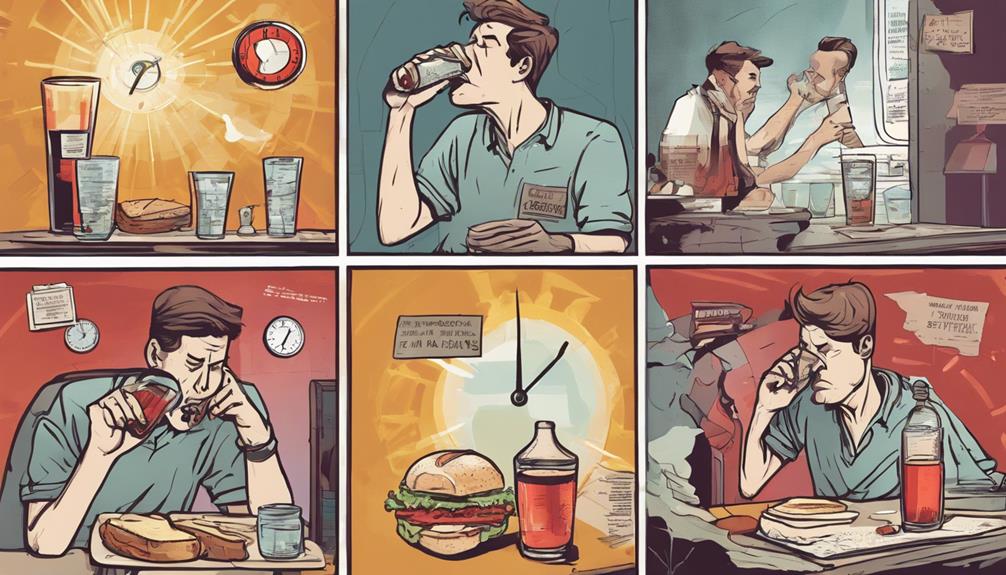
First and foremost, know that time is your best ally. Your body metabolizes alcohol at a relatively fixed rate, typically about one standard drink per hour. There’s no shortcut for this process; drinking coffee, taking a cold shower, or exercising won’t speed it up.
Hydration is another key factor. Drinking water can help dilute the alcohol in your bloodstream and mitigate some effects. Eating food, particularly high-protein meals, before or while you drink can also slow alcohol absorption. This doesn’t reduce your BAC but can prevent it from rising too quickly.
Pacing yourself is equally important. Limit yourself to one drink per hour and alternate alcoholic beverages with water or non-alcoholic drinks. Avoid binge drinking, which dramatically spikes your BAC.
Lastly, if you know you’ll be drinking, plan ahead. Use a designated driver, rideshare service, or public transportation. By planning responsibly, you can make informed choices that keep your BAC within legal limits.
Frequently underestimated, the impact of alcohol on your driving ability can be both profound and dangerous. Even low levels of Blood Alcohol Concentration (BAC) can impair your reaction times, coordination, and judgment. At a BAC of just 0.02%, you may feel relaxed but already, your ability to track moving objects and perform two tasks at once starts to decline.
At a BAC of 0.05%, the effects are more pronounced. Your alertness drops significantly, and your coordination and ability to respond to emergencies start to degrade. This is often the level where you might think you’re just ‘buzzed,’ but your risk of causing an accident has increased dramatically.
When you reach a BAC of 0.08%, which is the legal limit in many places, you experience major impairments in concentration, short-term memory loss, and difficulty controlling speed. Your ability to process information becomes slower, and your steering becomes less precise. At this level, driving isn’t just risky—it’s outright dangerous.
Understanding these impacts isn’t just about obeying the law; it’s about ensuring your safety and the safety of others on the road. Don’t underestimate how quickly alcohol can compromise your driving abilities.

Navigating a DUI charge can be daunting, but knowing your legal rights and options can significantly impact the outcome of your case.
First, you should immediately seek legal representation. An experienced DUI attorney can help you understand the nuances of DUI laws and the consequences you may face. They’ll review the evidence, such as the results of your blood alcohol content (BAC) test, and identify any procedural errors that could work in your favor.
You should also remain silent and avoid making any statements to the police without your lawyer present. Anything you say can be used against you in court.
Another critical step is to comply with all legal requirements, such as attending court dates and completing any court-ordered evaluations or programs.
Your attorney may negotiate for reduced charges or alternative sentencing, like community service or alcohol education programs, especially if this is your first offense. They can also challenge the validity of the traffic stop or the accuracy of the BAC testing equipment.
Understanding and exercising your rights, with the guidance of a skilled attorney, can make a substantial difference in your DUI case.
Don’t underestimate the value of professional legal advice for navigating this challenging situation.
Understanding legal BAC limits is essential for your safety and others on the road.
By knowing the thresholds, recognizing the factors that affect BAC, and understanding the severe penalties for exceeding these limits, you can make informed decisions.
Always opt for safe alternatives like a designated driver or ride-sharing services when you’ve been drinking.
Don’t gamble with your freedom and others’ lives—stay informed, stay safe, and avoid DUI charges.