
When you consider the best field sobriety test procedures, you'll find that three stand out: the Horizontal Gaze Nystagmus (HGN) test, the Walk and Turn test, and the One-Leg Stand test. Each of these methods offers a unique approach to determining impairment. The HGN test examines involuntary eye movements, while the Walk and Turn test challenges your ability to follow instructions and coordinate steps. The One-Leg Stand test zeroes in on balance and coordination. Want to know how these tests work together to provide reliable indicators of intoxication? Let's explore each procedure in more detail.
Horizontal Gaze Nystagmus Test
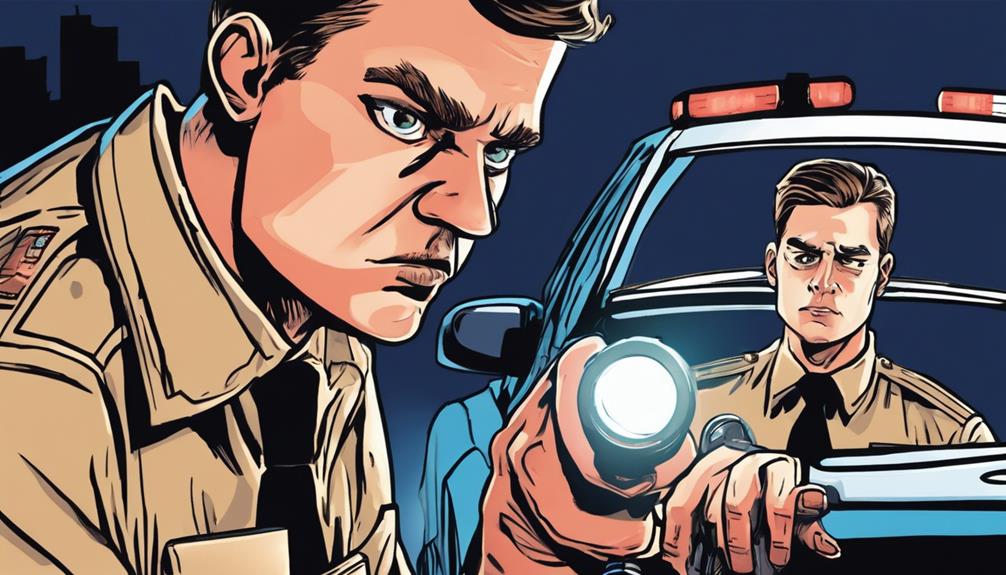
The Horizontal Gaze Nystagmus Test assesses involuntary eye movements to determine impairment. When administering this test, you'll ask the subject to follow an object, like a pen or a small flashlight, with their eyes. Keep the object about 12-15 inches away from their face, and move it slowly from side to side. You're looking for three specific indicators: the lack of smooth pursuit, distinct nystagmus at maximum deviation, and the onset of nystagmus before 45 degrees.
First, observe if the eyes can smoothly track the object. If the movement is jerky, it's a sign of impairment. Next, move the object to the far left and right to see if there's distinct nystagmus at maximum deviation. Finally, bring the object to a 45-degree angle from the center and check for any early onset of nystagmus.
Each eye is examined separately, and you'll score based on the presence of these indicators in each eye. A total of four or more clues typically suggests a blood alcohol concentration above the legal limit.
Proper execution of this test is crucial for accurate results, so clear instructions and precise movements are essential.
Walk and Turn Test
Now, let's focus on the Walk and Turn Test, another standardized field sobriety test used to assess a subject's coordination and ability to follow instructions. This test requires you to take nine steps, heel-to-toe, along a straight line, turn on one foot, and return in the same manner.
First, the officer will demonstrate the process and provide clear instructions. You'll need to keep your arms at your sides, watch your feet at all times, and count your steps out loud. Starting before being instructed or failing to follow the precise steps can indicate impairment.
There are several specific indicators officers look for during this test. These include starting too soon, stepping off the line, using arms for balance, taking an incorrect number of steps, or making an improper turn. If you exhibit two or more of these clues, it suggests a high likelihood of impairment.
Accuracy in following instructions and maintaining balance are critical in this test. Any deviation can significantly impact the officer's assessment.
The Walk and Turn Test is designed to divide your attention between tasks, a challenge for those under the influence, thereby providing the officer with crucial observational data.
One-Leg Stand Test
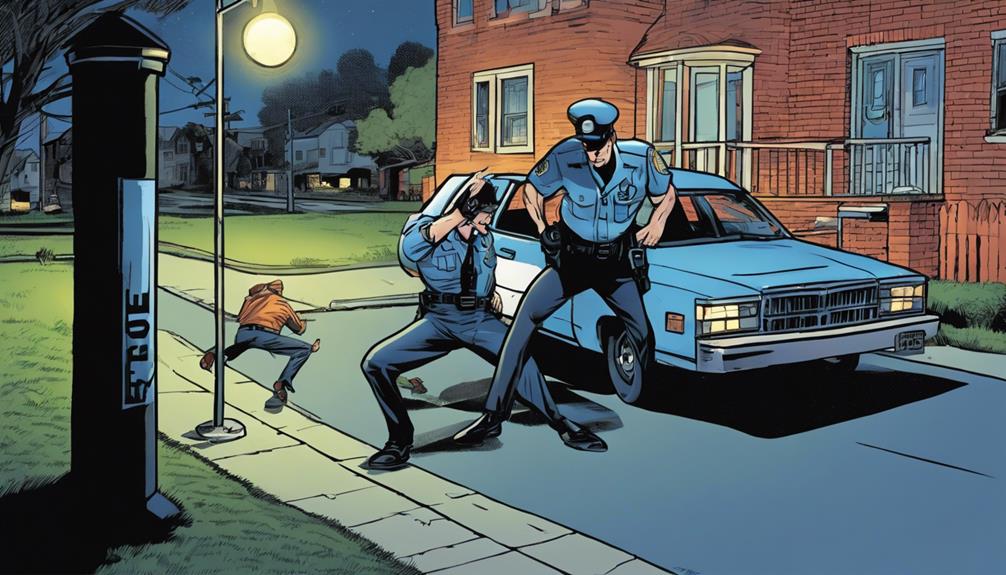
During the One-Leg Stand Test, you'll need to stand on one foot while raising the other approximately six inches off the ground and count aloud by thousands until told to stop. This test evaluates your balance, coordination, and ability to follow instructions, all of which can be impaired by alcohol or drugs.
To perform the test correctly, keep your raised foot parallel to the ground and your arms at your sides. Avoid swaying, hopping, or using your arms for balance. The officer will observe you for signs of impairment, such as putting your foot down prematurely, swaying while balancing, or failing to maintain the count sequence.
Remember, the officer isn't just looking at whether you can balance. They're assessing your ability to multitask and follow instructions accurately. If you exhibit multiple signs of impairment, it increases the likelihood of a DUI arrest.
The One-Leg Stand Test is considered a reliable indicator of intoxication, but it's not foolproof. Medical conditions, age, or even nervousness can affect performance. However, understanding what's expected can help you stay calm and perform better if you ever find yourself in this situation.
Conclusion
In conclusion, understanding the Horizontal Gaze Nystagmus, Walk and Turn, and One-Leg Stand tests can help you recognize reliable indicators of intoxication.
These tests assess involuntary eye movements, coordination, and balance, providing a comprehensive evaluation of impairment.
When administered correctly, they offer objective and effective methods for determining sobriety, ensuring safety and compliance with legal standards.
Don't underestimate the importance of these tests in maintaining road safety and upholding the law.