
When you consider the best strategies for preventing drunk driving, it's crucial to look at a multi-faceted approach that includes public awareness campaigns, sobriety checkpoints, and ignition interlock devices. These methods, combined with stricter penalties and alcohol education programs, aim to reduce the incidence of impaired driving. But beyond these measures, how effective are designated driver programs and ride-sharing options in providing safe transportation alternatives? And what role does responsible beverage service play in curbing over-consumption? To truly grasp the impact of these strategies, it's important to explore each one further.
Public Awareness Campaigns
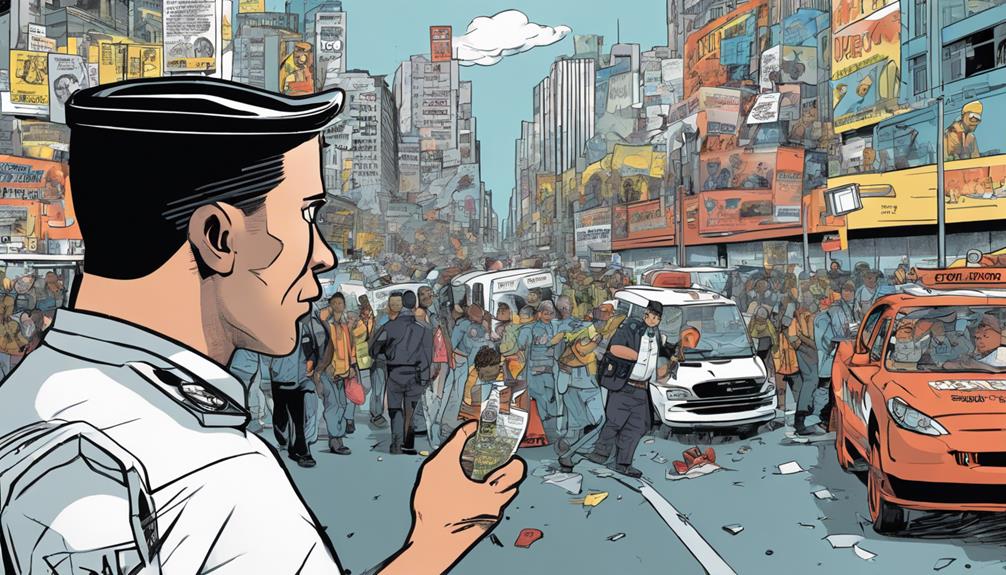
Public awareness campaigns significantly reduce instances of drunk driving by educating the public about the dangers and legal consequences. These campaigns deploy various communication strategies, including mass media, social media, and community outreach, to disseminate critical information. They focus on the physiological effects of alcohol on driving abilities, such as impaired reaction times, reduced coordination, and diminished judgment.
You'll find that these campaigns often incorporate statistical data to illustrate the gravity of the issue. For instance, they may highlight that alcohol-impaired driving accounts for nearly one-third of all traffic-related deaths in the United States. By presenting such stark facts, the campaigns aim to instill a sense of urgency and responsibility in the audience.
Additionally, legal repercussions are emphasized to deter potential offenders. Information about severe penalties, such as hefty fines, license suspension, and even imprisonment, is prominently featured. This dual approach—highlighting both personal and legal ramifications—proves effective in altering public behavior.
Moreover, these initiatives often collaborate with local organizations and law enforcement agencies to amplify their message. By leveraging credible sources and employing evidence-based tactics, public awareness campaigns create a comprehensive framework designed to mitigate the prevalence of drunk driving effectively.
Sobriety Checkpoints
Sobriety checkpoints, strategically placing police at randomized stop locations, significantly enhance the effectiveness of drunk driving prevention efforts.
You'll notice that the visible police presence not only intercepts impaired drivers but also serves as a powerful deterrent.
This method increases public awareness and compliance with DUI laws, ultimately reducing alcohol-related accidents.
Randomized Stop Locations
Implementing randomized stop locations, commonly known as sobriety checkpoints, has proven to be an effective deterrent against drunk driving by significantly increasing the perceived risk of apprehension. When you establish checkpoints at unpredictable times and locations, you leverage the element of surprise, which compels drivers to adhere to the legal blood alcohol concentration limits due to the heightened risk of being caught.
Studies show that sobriety checkpoints can reduce alcohol-related crashes by up to 20%. The strategy works by creating a psychological deterrent. Drivers who know they might encounter a checkpoint are less likely to drive under the influence. The element of randomness is crucial; if checkpoints are set up in predictable patterns, their effectiveness diminishes.
You need to ensure that these checkpoints comply with legal standards to avoid infringing on civil liberties. The Supreme Court has upheld the constitutionality of sobriety checkpoints under certain conditions, including proper public notification and minimal inconvenience to motorists.
Visible Police Presence
How can a visible police presence at sobriety checkpoints effectively deter drunk driving and enhance road safety?
First, when law enforcement officers are visibly stationed at checkpoints, it creates a psychological deterrent. Drivers are less likely to risk driving under the influence if they know they might encounter a checkpoint. This preventative measure is backed by numerous studies indicating a reduction in alcohol-related traffic incidents by up to 20% in areas with regular sobriety checkpoints.
Moreover, the operational aspect of these checkpoints involves systematic stopping of vehicles, which ensures random and unbiased screening. By employing breathalyzers and field sobriety tests, officers can efficiently identify and apprehend impaired drivers. The presence of marked police vehicles, flashing lights, and uniformed officers sends a strong message about the seriousness of DUI enforcement.
Additionally, having checkpoints at high-risk locations and during peak hours maximizes their effectiveness. The visible and structured nature of sobriety checkpoints not only catches offenders but also reassures the public that steps are being taken to ensure their safety.
This method, rooted in empirical evidence, proves to be a robust strategy for curbing drunk driving and reducing road fatalities.
Deterrence and Awareness
A robust deterrence strategy hinges on the establishment of sobriety checkpoints, which significantly heighten public awareness about the risks and consequences of drunk driving. These checkpoints are strategically positioned to maximize visibility and efficacy, making you think twice before getting behind the wheel intoxicated. Research indicates that sobriety checkpoints can reduce alcohol-related crashes by up to 20%. When you encounter one, you're subjected to a systematic inspection that employs standardized field sobriety tests and breathalyzer assessments to detect impairment.
By implementing these checkpoints, law enforcement sends a strong message: drunk driving won't be tolerated. The mere knowledge of their existence acts as a powerful deterrent. When you know that a checkpoint could be around any corner, you're more likely to make responsible choices, such as designating a sober driver or using alternative transportation methods.
Additionally, these checkpoints serve an educational purpose. They issue informational pamphlets and engage in brief dialogues with drivers about the legal repercussions and health hazards of drunk driving. By combining deterrence with awareness, sobriety checkpoints not only catch offenders but also prevent potential incidents, thereby fostering safer roadways for everyone.
Ignition Interlock Devices

Ignition interlock devices are a proven technology that significantly reduces repeat offenses by preventing intoxicated individuals from operating their vehicles. When you install an ignition interlock device, it requires the driver to provide a breath sample before the engine starts. If the device detects a blood alcohol concentration (BAC) above a pre-set limit, the vehicle won't start. This technology ensures that individuals previously convicted of DUI can't drive under the influence again, thus promoting safer roads.
Studies have shown that ignition interlock devices reduce recidivism among DUI offenders by approximately 70% while they're installed. These devices employ advanced sensors and algorithms to accurately measure BAC, reducing false positives and ensuring reliability. Furthermore, many states mandate the installation of these devices for first-time and repeat offenders, reflecting their efficacy in drunk driving prevention.
To maximize their effectiveness, you should ensure proper installation and maintenance of the device. Periodic calibration and data downloads are essential for monitoring compliance and performance.
The data collected can also be used to assess driver behavior and compliance, providing law enforcement and regulatory bodies with critical information to enforce DUI laws more effectively.
Stricter Penalties
You should consider that imposing increased fines can create a substantial deterrent effect, reducing drunk driving incidents.
Furthermore, extending the duration of license suspensions directly lowers the probability of repeat offenses.
These measures not only enhance public safety but also reinforce the legal system's zero-tolerance stance on impaired driving.
Increased Fines Impact
Stricter penalties, particularly increased fines, significantly deter individuals from engaging in drunk driving by imposing severe financial consequences. When faced with the prospect of substantial fines, you're more likely to reconsider getting behind the wheel while intoxicated. Research shows that higher financial penalties correlate with a reduction in DUI incidents, as the economic burden acts as a powerful deterrent.
Increased fines function as an immediate and tangible consequence of drunk driving. They not only penalize the offender but also serve as a public signal that the legal system takes DUI offenses seriously. The imposition of hefty fines can lead to a decrease in repeat offenses, as the financial strain discourages individuals from taking the risk again.
Moreover, the allocation of these fines often supports public safety initiatives, including driving under the influence (DUI) prevention programs and enhanced law enforcement resources. This reinvestment creates a cyclical effect, further bolstering efforts to curb drunk driving.
In essence, when you understand that a DUI conviction could lead to substantial financial loss, you're more inclined to make safer choices. The effectiveness of increased fines as a deterrent is well-documented, making it a crucial component in the broader strategy to prevent drunk driving.
License Suspension Duration
Extending the duration of license suspension for DUI offenders serves as a powerful deterrent by significantly disrupting daily life and personal mobility. When you lose your driving privileges for an extended period, you're compelled to confront the severe repercussions of your actions.
Research demonstrates that longer suspension periods correlate with reduced recidivism rates. By increasing the suspension duration, you heighten the perceived cost of drunk driving and, consequently, discourage this behavior.
From a technical perspective, imposing stricter penalties such as prolonged license suspensions can enhance public safety. You force offenders to reconsider their choices, as the inconvenience of being unable to drive impacts employment, social activities, and daily responsibilities.
The National Highway Traffic Safety Administration (NHTSA) supports longer suspensions, stating that they contribute to a measurable decrease in alcohol-related accidents.
Moreover, you establish a stronger legal precedent that underscores the seriousness of DUI offenses. This approach not only punishes but also serves as a preventive measure, signaling to potential offenders that the consequences of drunk driving are severe and non-negotiable.
Thus, extending license suspension durations remains an effective strategy for mitigating the risks associated with impaired driving.
Alcohol Education Programs

Implementing comprehensive alcohol education programs is crucial for equipping individuals with the knowledge and skills necessary to make informed decisions about alcohol consumption and its risks. These programs often encompass a multifaceted approach, combining scientific facts about the physiological effects of alcohol, legal ramifications of drunk driving, and strategies for responsible drinking.
By participating in these programs, you can gain a deeper understanding of blood alcohol concentration (BAC) levels and their correlation with impairments in motor functions and cognitive abilities. Empirical evidence supports the efficacy of these educational interventions in reducing incidences of impaired driving. For instance, a study by the National Institute on Alcohol Abuse and Alcoholism (NIAAA) found that participants in structured alcohol education programs exhibited a significant reduction in DUI recidivism.
Additionally, these programs often include role-playing scenarios and interactive modules that allow you to practice decision-making skills in a safe environment. By directly addressing misconceptions about alcohol, these initiatives aim to foster a culture of accountability and safety.
Leveraging scientifically-backed methodologies, alcohol education programs serve as a pivotal element in a comprehensive strategy to mitigate drunk driving incidents, ultimately saving lives and reducing societal costs.
Designated Driver Services
Designated driver services offer an evidence-based solution to prevent impaired individuals from getting behind the wheel, thereby reducing the risk of alcohol-related accidents. By assigning a sober individual to drive, you eliminate the possibility of impaired judgment and motor skills impacting driving performance. Research consistently shows that designated driver programs significantly decrease incidents of driving under the influence (DUI).
To implement a designated driver system effectively, you should establish clear guidelines. Ensure the designated driver abstains from alcohol consumption entirely. This practice mitigates any risk of partial impairment. Many establishments now provide incentives such as free non-alcoholic beverages to encourage participation in these programs.
Additionally, public awareness campaigns play a crucial role in promoting the use of designated drivers. You can leverage media channels to disseminate information about the dangers of drunk driving and the availability of designated driver services. Collaboration with local businesses, especially bars and restaurants, amplifies the reach and effectiveness of these initiatives.
Lastly, integrating designated driver services within community programs and events helps normalize the behavior, making it a standard practice. By consistently advocating for and utilizing designated drivers, you contribute to a safer, more responsible community.
Ride-Sharing Options

Ride-sharing options offer a practical and accessible alternative to driving under the influence, significantly reducing the likelihood of alcohol-related traffic incidents. The utilization of ride-sharing services like Uber and Lyft has been statistically shown to lower the rate of DUI arrests and associated fatalities. By providing an easy-to-use platform for booking rides, these services create a seamless transition from social drinking environments to safe, sober transportation.
You can observe that ride-sharing services employ advanced algorithms to ensure rapid response times, making them a reliable choice even during peak hours. Additionally, the integration of cashless payment options enhances convenience and security for users. Data from various studies indicate that cities with high ride-sharing adoption rates have seen a measurable decline in alcohol-impaired driving incidents.
Moreover, ride-sharing apps often include features that promote safety, such as real-time GPS tracking and driver rating systems, thus fostering a trustworthy environment. Public awareness campaigns and partnerships between local governments and ride-sharing companies further amplify the positive impact by encouraging responsible behavior among potential drivers.
Responsible Beverage Service
Responsible beverage service plays a crucial role in minimizing the risk of drunk driving by ensuring that alcohol is served and consumed in a controlled and safe manner.
Implementing comprehensive training programs for bartenders and servers is essential. These programs should include education on recognizing signs of intoxication, understanding alcohol absorption rates, and applying intervention techniques to prevent over-consumption.
You should also enforce strict policies regarding the refusal of service to visibly intoxicated patrons. Establishing clear guidelines helps staff make informed decisions and reduces the likelihood of liability issues. Additionally, promoting the availability of non-alcoholic beverages and food can aid in moderating alcohol consumption.
Utilizing tools such as breathalyzers can provide an objective measure of a customer's sobriety. Regularly calibrate these devices to maintain accuracy. Implementing a last call policy well before closing time allows patrons to sober up before leaving.
Collaboration with local law enforcement and participation in community initiatives can further enhance the effectiveness of responsible beverage service. By integrating these evidence-based practices, you can significantly contribute to reducing the incidence of drunk driving, ensuring a safer environment for all.
Zero Tolerance Policies

Implementing zero tolerance policies for drunk driving can significantly deter individuals from getting behind the wheel after consuming alcohol. These policies mandate strict legal consequences for any detectable blood alcohol concentration (BAC) in specific driver categories, such as underage drivers and commercial vehicle operators. Evidence indicates that jurisdictions with zero tolerance laws experience a marked reduction in alcohol-related vehicular incidents.
You should advocate for these policies because they create an unequivocal legal framework that simplifies law enforcement. When drivers know that any detectable BAC can lead to severe penalties, the likelihood of risk-taking behavior diminishes. Research from the Centers for Disease Control and Prevention (CDC) supports that zero tolerance laws reduce underage drinking and driving by approximately 20%.
Moreover, zero tolerance policies enhance public safety and elevate community awareness about the dangers of impaired driving. They send a clear message that impaired driving, regardless of the degree, is unacceptable. Compliance monitoring, coupled with publicized enforcement, further amplifies the deterrent effect.
Community Engagement Initiatives
You can significantly reduce drunk driving incidents through well-structured community engagement initiatives.
Implementing awareness campaigns, forging partnerships with local bars, and promoting designated driver programs are evidence-based strategies that enhance public safety.
These initiatives leverage community resources to foster a collective responsibility for preventing impaired driving.
Awareness Campaigns
Community engagement initiatives have proven to be one of the most effective strategies in raising awareness and preventing drunk driving. By directly involving community members, you can enhance the impact of awareness campaigns.
Educational programs in schools, workplaces, and community centers educate individuals about the dangers of impaired driving and the consequences it entails. These programs often incorporate interactive elements such as simulators that mimic the effects of alcohol on driving abilities, making the experience more tangible and memorable.
You can also utilize public service announcements (PSAs) across various media platforms—television, radio, social media, and local newspapers—to disseminate key messages. Effective PSAs often feature compelling narratives or testimonials from individuals affected by drunk driving incidents, fostering an emotional connection that encourages behavioral change.
Collaborating with local influencers and community leaders can amplify the reach of your campaigns. Their endorsements lend credibility and can effectively mobilize community support.
Furthermore, organizing local events like sober driving pledges or memorial walks for victims of drunk driving can foster a strong community spirit and reinforce the importance of sober driving.
Partnership With Bars
Partnering with bars and alcohol-serving establishments forms a strategic extension of community engagement initiatives, directly addressing the environments where drinking decisions are made.
By collaborating with these venues, you can implement interventions like training staff to recognize signs of intoxication and responsibly manage patrons' consumption. This training, often referred to as Responsible Beverage Service (RBS), equips bartenders and servers with the skills necessary to prevent over-serving and intervene when patrons are at risk of driving drunk.
Moreover, you can incentivize bars to participate in these programs through local government support or industry recognition. Establishments that demonstrate a commitment to preventing drunk driving could receive positive publicity, which enhances their reputation while promoting safer community practices.
Another effective strategy involves the installation of breathalyzer kiosks within bars. Patrons can self-test their blood alcohol concentration (BAC) levels, providing immediate feedback on whether they're safe to drive. This on-site tool acts as both a deterrent and an educational measure, reinforcing the importance of responsible drinking.
Designated Driver Programs
Designated driver programs are a proven method for reducing incidents of drunk driving by ensuring that one individual in a group remains sober to drive others home safely. Implementing these programs involves community engagement, where local businesses, law enforcement, and public health organizations collaborate to promote responsible drinking behaviors.
You can leverage various strategies to enhance the effectiveness of these programs. For instance, incentivize participation by offering free non-alcoholic beverages or discounts to designated drivers. This not only encourages more people to volunteer but also reinforces the importance of safe driving.
Additionally, public awareness campaigns can disseminate information about the benefits of designated driver programs, using data to highlight reductions in alcohol-related accidents and fatalities. Utilize social media platforms and local media outlets to amplify your message, ensuring it reaches a wider audience.
Collaborate with ride-sharing services to provide discounted or free rides for designated drivers, further incentivizing the role. Monitoring and evaluating the program's impact through metrics such as reduced DUI arrests and accident rates will provide empirical evidence of its effectiveness, enabling you to make data-driven adjustments.
Conclusion
You can effectively prevent drunk driving by implementing a multifaceted approach.
Prioritize public awareness campaigns to highlight the risks and legal repercussions.
Use sobriety checkpoints and ignition interlock devices to deter offenders.
Enforce stricter penalties to reinforce the unacceptability of drunk driving.
Promote alcohol education programs and ride-sharing services as safe alternatives.
Train bartenders in responsible beverage service and adopt zero tolerance policies.
Engage the community to foster a culture that prioritizes safety and responsibility.