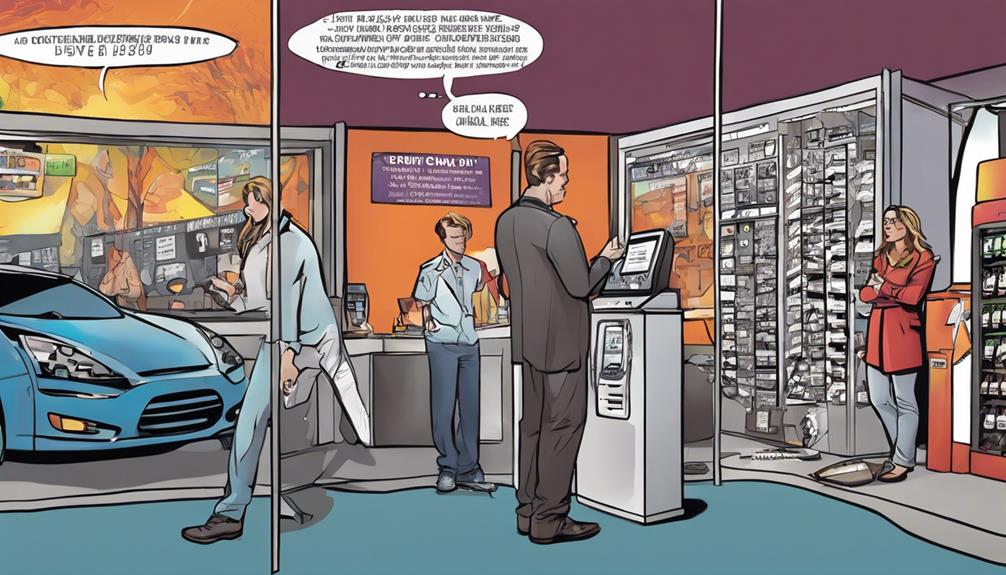
Installing an ignition interlock device can seem daunting if you don't know where to start. First, you'll need to understand your local regulations and choose a certified provider to ensure compliance. Once you've scheduled your installation appointment, it's essential to prepare your vehicle by removing personal items and checking the battery. On the day of installation, a technician will connect the device and calibrate it. But how do you operate the device correctly and stay on top of maintenance? Let's explore each step in detail to make the process straightforward.
Understanding Ignition Interlock Requirements
To comprehend the ignition interlock device installation process, you first need to understand the specific legal and procedural requirements mandated by your jurisdiction. Each state or country has its own set of regulations that govern the use of these devices, often detailed in motor vehicle statutes or administrative codes.
You'll need to start by researching your local DMV or equivalent authority's guidelines.
You'll typically encounter requirements such as a mandatory installation period, often ranging from six months to several years, based on the severity of your offense. Additionally, you'll need to provide proof of installation to the appropriate legal body, usually by submitting a certificate from a certified provider.
Other procedural steps include understanding the calibration schedule for the device. Regular maintenance and recalibration, usually every 30 to 60 days, ensure the device remains accurate and functional. Failure to comply with these schedules can lead to penalties or extension of the required installation period.
Lastly, you should be aware of any additional documentation you might need, such as insurance forms or affidavits. Meeting these requirements is crucial before you proceed to the installation itself, ensuring a smooth and compliant process.
Choosing a Certified Provider
Having understood the legal requirements, your next step is selecting a certified provider to ensure a compliant installation of the ignition interlock device. Start by verifying the provider's certification status with your state's regulatory agency. Certified providers must adhere to stringent standards and are listed on official state websites.
When evaluating providers, prioritize their compliance history and customer reviews. Look for providers with a strong reputation for reliability and customer service. Ensure they offer devices meeting state-specific technological standards, including tamper-proof mechanisms, data logging, and real-time reporting capabilities.
Contact potential providers to confirm their installation network's geographic coverage. You'll want a provider with convenient service locations for both installation and subsequent maintenance visits. Ask about the training and certification of their technicians to guarantee the device is installed correctly and safely.
Inquire about the cost structure, including installation fees, monthly monitoring charges, and any additional costs for calibration or maintenance. Transparent pricing helps avoid unexpected expenses.
Scheduling Your Installation Appointment

Once you've chosen a certified provider, the next step is to schedule your installation appointment to ensure timely compliance with court or DMV requirements.
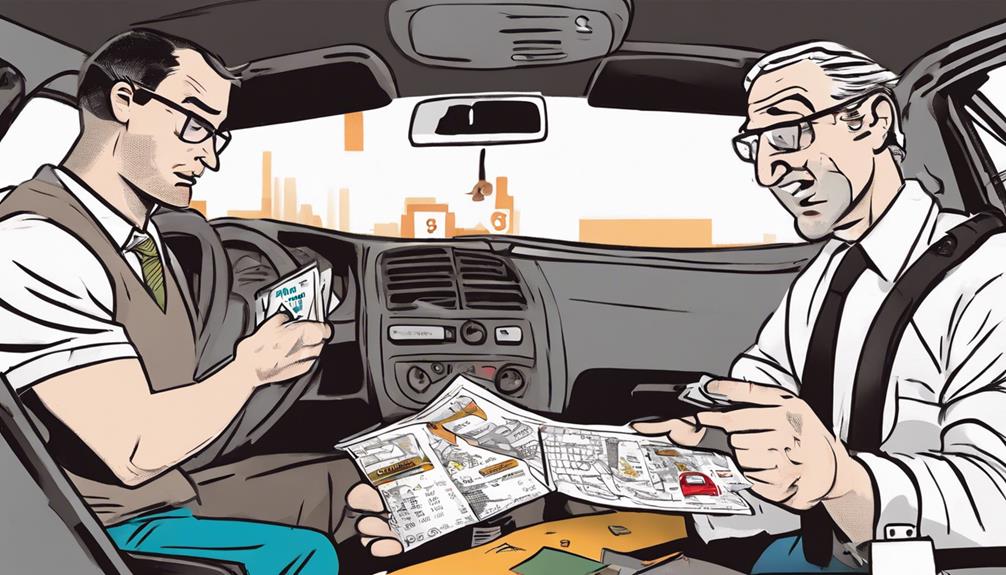
Contact the provider directly, either through their website or by phone. Be prepared to provide your driver's license number, vehicle information, and any court or DMV documents that mandate the installation of the ignition interlock device (IID).
Confirm the availability of appointment slots and select a date that fits within your required compliance timeframe. Make sure to ask about the expected duration of the installation process, so you can plan your schedule accordingly. Typically, installation can take between one to two hours.
It's crucial to request a confirmation of your appointment via email or text message. This confirmation should include the date, time, and location of the installation, as well as any preparatory steps you need to take before arriving.
Verify that the provider's location is accessible and that they've certified technicians ready to perform the installation.
Preparing Your Vehicle
Ensure your vehicle is clean and all personal items are removed from the dashboard and front seats to facilitate a smooth installation process.
Begin by thoroughly cleaning both the interior and exterior of your vehicle. This includes vacuuming the floors and seats and wiping down all surfaces. A clean environment ensures technicians can access necessary components without obstructions.
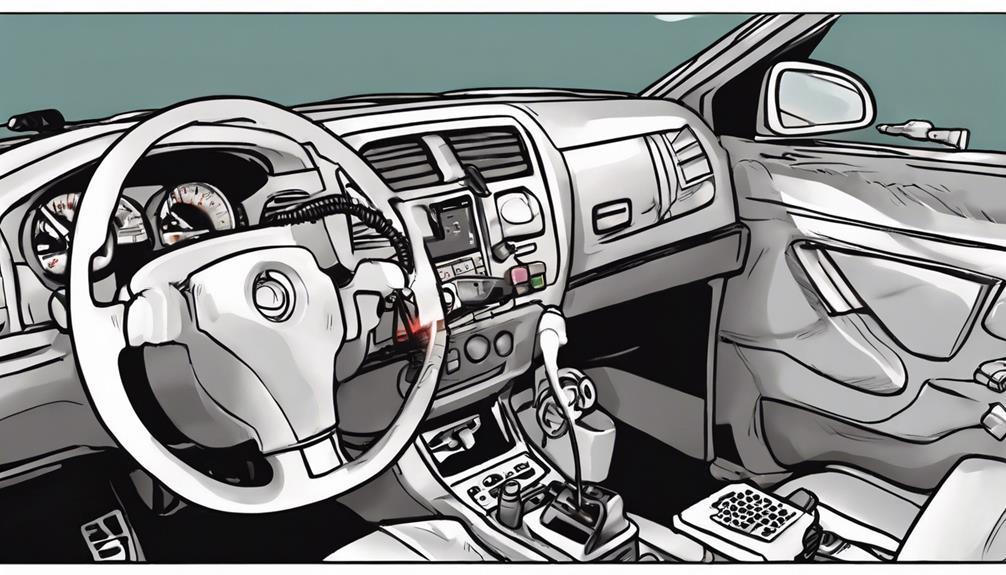
Next, locate and clear the area around your vehicle's ignition system. Remove any items that could impede access, such as seat covers or steering wheel accessories. Ensure the ignition area is free from debris to allow for precise installation of the ignition interlock device (IID).
Check your vehicle's battery and electrical system. The IID requires a stable power source, so verifying your battery's health can prevent potential issues. If your battery is old or unreliable, consider replacing it.
Ensure you have an adequate amount of fuel in the tank. The installation process might require running the engine multiple times, and insufficient fuel could cause delays.
Installation Day Overview
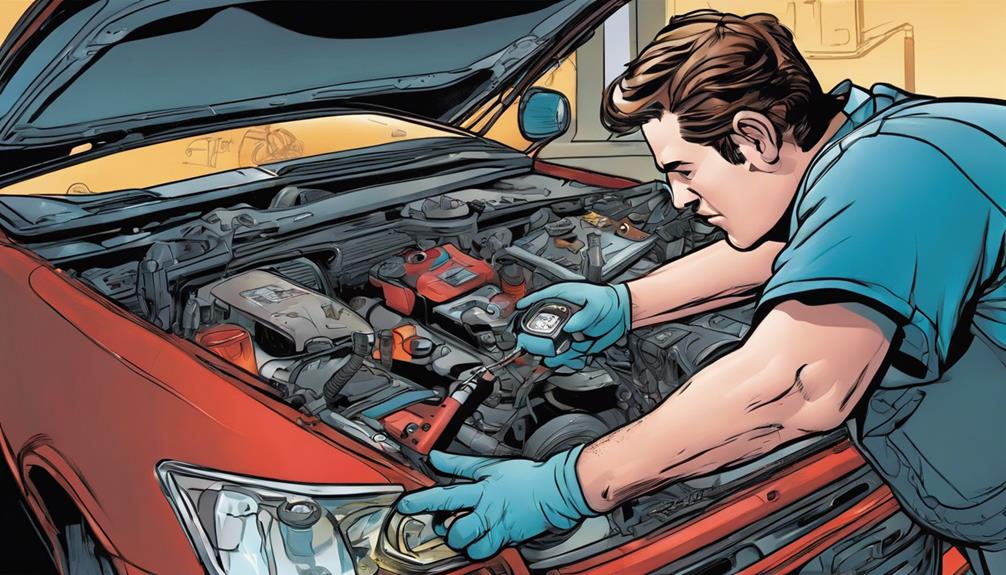
With your vehicle now prepped, you'll begin the ignition interlock device installation by meeting with a certified technician at a service center. The technician will first verify your identification and any court or DMV documentation required for the installation. Ensure you've brought all necessary paperwork to avoid delays.
Next, the technician will perform a diagnostic check on your vehicle's electrical system. This step confirms that your vehicle can support the device without causing issues with its operation. Once the diagnostic check is complete, the technician will locate an appropriate mounting location for the device, typically near the driver's seat for easy access.
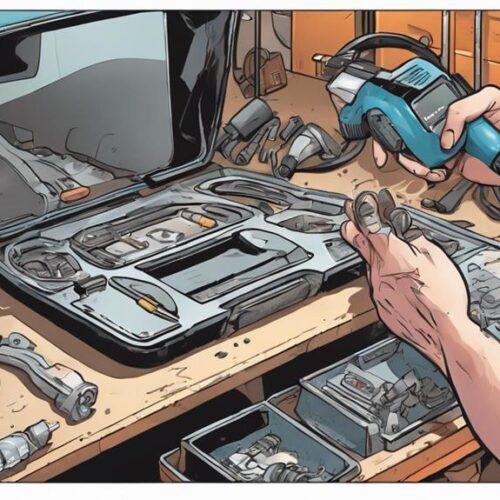
The technician will then connect the ignition interlock device to your vehicle's ignition and electrical systems. This involves precise wiring to ensure the device integrates seamlessly with your car's existing setup. After the wiring is secured, the technician will test the device to confirm that it's functioning correctly.
During testing, the technician will calibrate the device according to the legal requirements of your jurisdiction. This ensures that the device will accurately measure your breath alcohol content before allowing the vehicle to start. Once installation and calibration are complete, the technician will provide a brief overview of the device's operation, ensuring you're ready to use it.
Learning to Use the Device
To start using your ignition interlock device, familiarize yourself with its operation basics, such as how to provide a proper breath sample and interpret the display indicators.
Pay attention to the startup sequence and follow the prompts accurately.
Additionally, learn troubleshooting techniques to address common issues like failed tests or error messages.
Device Operation Basics
Begin by familiarizing yourself with the device's user manual to understand the specific breath sample requirements and operational prompts. This manual will outline the proper technique for providing a breath sample, including how long and hard to blow. Typically, you'll need to blow steadily into the device for a few seconds until it indicates that the sample is complete.
To operate the device, start by turning on the vehicle's ignition. The device will undergo a warm-up period, after which it will prompt you to provide a breath sample. Follow the instructions displayed on the screen, ensuring your breath sample is consistent with the manual's guidelines. The device will analyze the sample and, if it detects an alcohol level within acceptable limits, it will allow the vehicle to start.
Be aware of rolling retests, which require you to provide additional breath samples while driving. The device will alert you when a retest is needed, and you'll typically have a few minutes to comply. Safely pull over if necessary to provide the sample. Remember, failing to provide a sample or failing a test can result in penalties or vehicle lockout.
Troubleshooting Common Issues
If you encounter issues with the ignition interlock device, consult the user manual's troubleshooting section for specific error codes and corrective actions. These guidelines will help you identify and resolve common problems efficiently.
First, ensure the device has a stable power connection. A loose or faulty connection can cause the device to malfunction. Check the wiring and connectors for any signs of wear or damage.
Next, if the device fails to calibrate, ensure it's not exposed to extreme temperatures. Both excessive heat and cold can affect its accuracy. Store the device within the recommended temperature range when not in use.
If the device displays a “Failed Test” error, ensure your breath sample was adequate. The device requires a steady, consistent breath. Practice the recommended blowing technique to avoid errors. Additionally, if you've consumed any food or beverages recently, wait at least 15 minutes before retesting to avoid false positives.
For software-related issues, try resetting the device. Turn off your vehicle, wait a few minutes, and then restart it. If the problem persists, contact the device manufacturer's customer support for further assistance. Always follow their instructions precisely to avoid voiding any warranties or service agreements.
Compliance and Maintenance Tips
Staying compliant with your ignition interlock device requirements involves regular maintenance and timely calibration checks. Ensure you schedule calibration appointments as mandated by your service provider or jurisdiction. Missing these appointments can result in lockouts or legal penalties.
Always use the device correctly. Before turning on your vehicle, ensure you provide a clean breath sample. Avoid consuming food or drinks—especially those containing alcohol—30 minutes prior to testing. Residual substances can trigger false positives, leading to violations.
Regularly inspect the device for any signs of damage or tampering. If you notice any issues, contact your service provider immediately. Tampering with the device can result in severe legal consequences.
Keep a detailed log of all maintenance, calibration, and service appointments. This documentation can be crucial if any disputes arise regarding your compliance.
Be aware of any software updates from your service provider. These updates can improve device accuracy and reliability. Ignoring them may compromise the device's performance.
Lastly, maintain clear communication with your interlock service provider. If you're experiencing issues or need guidance, don't hesitate to reach out. Effective communication ensures you remain compliant and your device operates optimally.
Conclusion
By following these steps, you'll ensure a smooth ignition interlock device installation.
Understand your state's requirements and choose a certified provider.
Schedule your appointment, prepare your vehicle, and work with the technician on installation day.
Learn how to use the device properly and adhere to maintenance guidelines.
Staying compliant will keep your vehicle running smoothly and help you meet legal obligations efficiently.
With attention to detail, you'll navigate this process successfully.