When you're dealing with DUI cases, ensuring accurate breathalyzer results is essential for justice. You need to focus on proper device calibration and rigorous operator training to minimize errors. Are you aware that environmental factors and even the timing of the breath sample can significantly affect results? Understanding these elements can mean the difference between a fair trial and a wrongful conviction. But what about the legal standards and the consequences of refusal? You'll find that these complexities are just the beginning when it comes to maintaining the integrity of DUI testing.
Proper Device Calibration
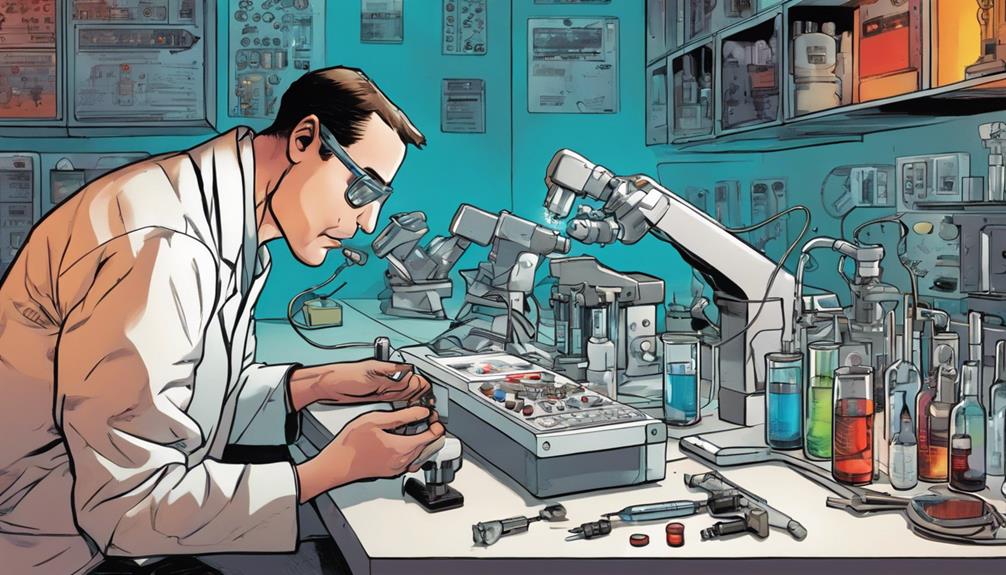
Proper device calibration is essential to ensure the accuracy and reliability of breathalyzer results. When you calibrate a breathalyzer correctly, you align the device's readings with known standards, reducing errors and ensuring consistent performance.
Calibration involves using a known concentration of alcohol in a controlled environment to adjust the breathalyzer's sensors. This process should be done regularly, as sensors can drift over time due to environmental factors like temperature and humidity.
Studies have shown that improperly calibrated breathalyzers can lead to significant discrepancies in blood alcohol concentration (BAC) readings. For instance, a study published in the *Journal of Analytical Toxicology* found that breathalyzers without proper calibration could show deviations of up to 20%. Such inaccuracies could lead to wrongful DUI charges or the dismissal of legitimate ones.
To avoid these pitfalls, follow the manufacturer's guidelines on calibration frequency and procedures. Most manufacturers recommend calibrating the device monthly or after a specified number of uses.
Using calibration solutions and simulators that meet industry standards ensures you achieve precise readings. Regular calibration not only enhances the device's accuracy but also strengthens the overall credibility of breathalyzer results in legal contexts.
Operator Training Requirements
Ensuring accurate breathalyzer results hinges not only on device calibration but also on rigorous operator training. As an operator, you need to understand the intricacies of the equipment you're using. Studies have shown that well-trained operators significantly reduce the margin of error in breathalyzer readings. Comprehensive training programs should cover device functionality, proper testing procedures, and troubleshooting common issues.
You should also undergo periodic refresher courses to stay updated on the latest protocols and technological advancements. The National Highway Traffic Safety Administration (NHTSA) recommends that operators receive at least 16 hours of initial training, followed by annual re-certification. This structured approach ensures that you maintain high competency levels.
Moreover, understanding the legal implications of breathalyzer tests is crucial. Courts often scrutinize the qualifications and training of the operator when evaluating the validity of DUI charges. Your thorough training can make the difference between a contested and an uncontested case.
Documentation of your training is essential. Keep detailed records of all training sessions, certifications, and any updates received. This documentation can be pivotal during legal proceedings, providing evidence that the breathalyzer results were obtained by a qualified professional.
Environmental Factors
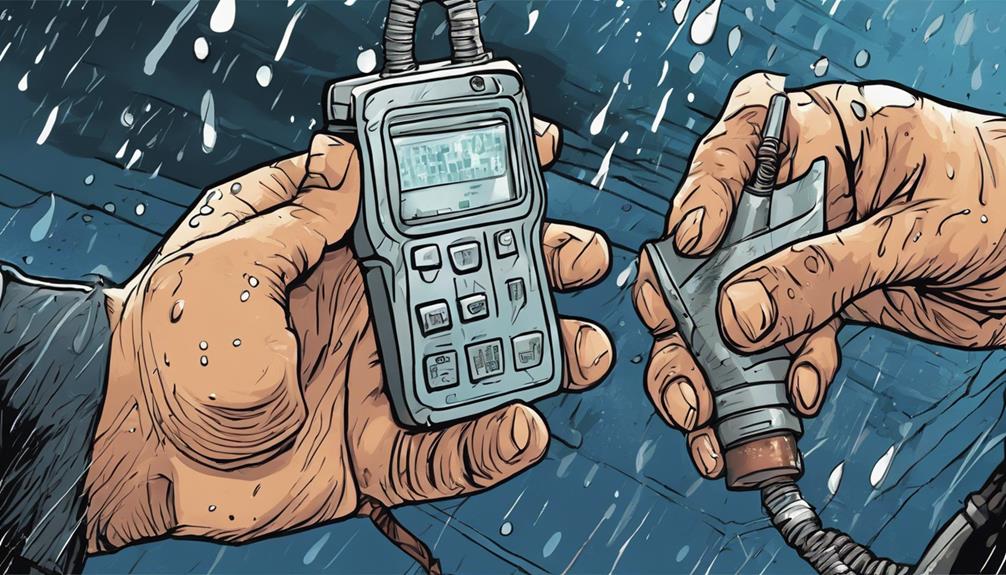
You need to consider how environmental factors like temperature, humidity, and external chemicals can influence breathalyzer results.
Studies show that extreme temperatures can alter sensor accuracy, while high humidity levels may cause readings to deviate.
Furthermore, the presence of substances like paint fumes or alcohol-based cleaners can lead to false positives.
Temperature's Effect on Readings
Temperature fluctuations significantly impact the accuracy of breathalyzer readings, as the devices rely on chemical reactions sensitive to environmental conditions.
When the temperature is too high, the breathalyzer may overestimate blood alcohol content (BAC). This happens because higher temperatures can increase the volatility of alcohol, causing more alcohol vapor to be present in the breath sample. Conversely, lower temperatures can lead to underestimations. The chemical reaction within the breathalyzer's sensor is less efficient in cold conditions, potentially resulting in a lower BAC reading than is accurate.
You need to ensure that the breathalyzer is calibrated and tested regularly to account for temperature variations. Studies have shown that even slight deviations from the optimal operating temperature (usually around 20-25 degrees Celsius or 68-77 degrees Fahrenheit) can lead to significant inaccuracies.
For instance, a study published in the Journal of Forensic Sciences found that a 10-degree Celsius increase could result in a 6.5% higher BAC reading. Therefore, maintaining the breathalyzer within its specified temperature range is crucial for reliable results.
Humidity Levels Impact Accuracy
Humidity levels also play a significant role in the accuracy of breathalyzer readings, as moisture in the air can interfere with the device's sensors and skew BAC results. When the air is humid, the additional moisture can affect the infrared or electrochemical sensors used in breathalyzers. These sensors are designed to detect ethanol molecules, but the presence of water vapor can cause them to register higher BAC levels inaccurately.
Research indicates that high humidity can lead to false positives. For instance, a study conducted by the National Highway Traffic Safety Administration (NHTSA) found that breathalyzers tend to show elevated BAC readings in conditions of high humidity. This happens because water vapor can absorb infrared light or affect the electrochemical reaction, leading to erroneous measurements.
To mitigate this, you should ensure that breathalyzer devices are properly calibrated and maintained. Calibration should be done in an environment that mimics typical operating conditions, including expected humidity levels. Additionally, some advanced breathalyzers are equipped with humidity sensors to adjust readings accordingly, but it's crucial to verify that these features are functioning correctly.
External Chemical Interference
Various environmental chemicals, such as paint fumes, gasoline vapors, and cleaning solvents, can interfere with breathalyzer accuracy by mimicking ethanol molecules and leading to false BAC readings. You need to consider that breathalyzers detect ethanol through fuel cell sensors or infrared spectroscopy. These sensors, however, aren't always selective to ethanol alone.
Studies have shown that volatile organic compounds (VOCs) present in the environment can significantly affect breathalyzer readings. When you're exposed to high concentrations of these chemicals, they can be absorbed into your bloodstream and exhaled through your breath, confusing the device. For instance, a study published in the Journal of Analytical Toxicology found that certain hydrocarbons, like those in gasoline, can trigger false positives.
You should also be aware that occupational exposure plays a significant role. If your work involves regular exposure to solvents or fuel, there's a higher chance that these chemicals could affect your breathalyzer test. Therefore, it's critical to evaluate the environment where the test is conducted and consider potential chemical interferences. By doing so, you can ensure a more accurate assessment and avoid wrongful DUI charges based on skewed BAC readings.
Mouth Alcohol Effect
You need to be aware of the mouth alcohol effect, which can cause significant inaccuracies in breathalyzer readings.
Alcohol residue in the mouth, from recent consumption or products like mouthwash, can interfere with the results.
Implementing effective testing protocols, such as observing a waiting period before the test, can mitigate this issue and ensure more accurate readings.
Alcohol Residue Interference
Alcohol residue in the mouth, often from recent consumption or regurgitation, can significantly skew breathalyzer results, leading to false positives. When you consume alcohol, some of it may remain in your oral cavity, especially if you've just finished drinking. This residual alcohol, termed 'mouth alcohol,' can be detected by breathalyzers and falsely indicate a higher blood alcohol concentration (BAC) than what's actually present in your bloodstream.
Research demonstrates that even a small amount of mouth alcohol can substantially affect breathalyzer accuracy. For instance, a study published in the Journal of Forensic Sciences found that mouth alcohol could elevate BAC readings by as much as 0.05%. This is particularly concerning if you've recently burped, vomited, or used mouthwash, all of which introduce alcohol into your mouth and can interfere with breathalyzer readings.
Moreover, breathalyzers are designed to measure deep lung air, or alveolar air, which more accurately reflects your true BAC. When mouth alcohol is present, the device picks up on this residual alcohol instead, leading to inflated results.
It's crucial to consider these factors when evaluating breathalyzer data to avoid wrongful DUI charges based on inaccurate readings.
Effective Testing Protocols
Implementing effective testing protocols is essential to mitigate the impact of mouth alcohol on breathalyzer results. Mouth alcohol can significantly skew the readings, leading to false positives. To counter this, you should enforce a 15-20 minute observation period before administering the test. During this time, ensure the subject doesn't ingest any food, drink, or other substances that could affect the results.
Additionally, you should use dual testing methods. Conduct an initial breathalyzer test, followed by a confirmatory test after a short interval. This approach helps identify discrepancies caused by residual mouth alcohol. If the readings vary significantly, it's a strong indicator of interference, and further analysis is warranted.
Calibrating the breathalyzer regularly is another crucial step. A well-calibrated device will more accurately distinguish between mouth alcohol and deep lung air, providing more reliable results. Ensure that all operators are trained thoroughly on these protocols and the device's functionality to maintain consistency and accuracy.
Relying on these evidence-based practices will help you minimize errors stemming from mouth alcohol, ultimately ensuring more accurate and legally sound DUI assessments. By following these protocols, you'll enhance the integrity of your breathalyzer testing process.
Breath Sample Timing
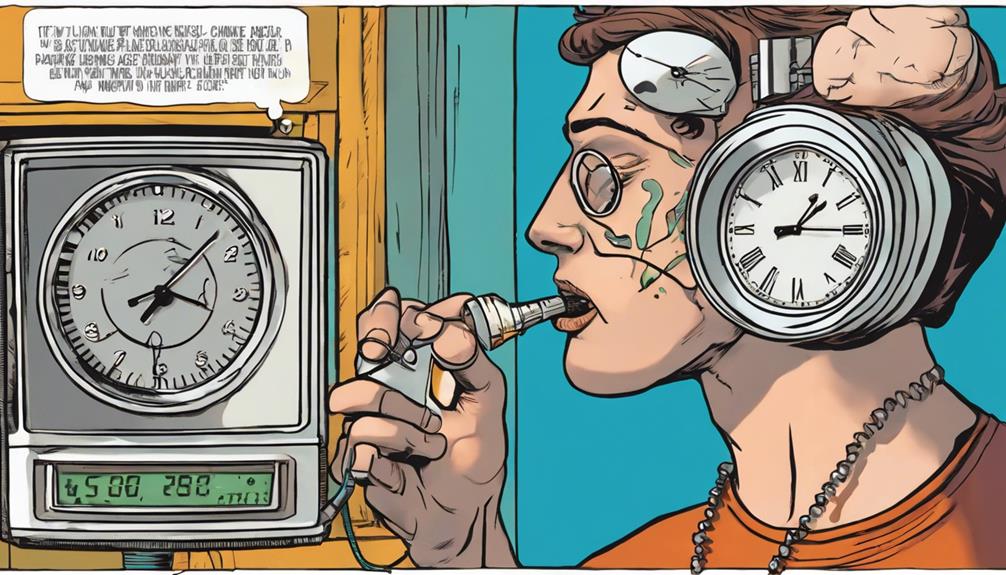
Ensuring timely collection of a breath sample is crucial for accurate Breathalyzer results. The timing directly affects the measurement of blood alcohol concentration (BAC). If you collect the breath sample too early or too late, the BAC reading mightn't reflect the individual's actual intoxication level at the time of the incident.
Studies show that alcohol absorption and elimination rates vary among individuals. After alcohol consumption, BAC levels rise and then gradually fall as the liver metabolizes the alcohol. If you test someone immediately after drinking, their BAC might be lower than it will be in 30 minutes. Conversely, waiting too long can result in a lower BAC as the body processes the alcohol.
To mitigate timing issues, it's recommended that law enforcement officers wait at least 15 minutes after the last drink before administering the test. This waiting period helps ensure that the alcohol has been absorbed into the bloodstream, providing a more accurate BAC reading. Additionally, during this waiting period, the individual shouldn't consume any more alcohol, food, or beverages, as these can further skew results.
Accurate timing ensures that BAC readings are reliable, which is essential for fair and just DUI case evaluations.
Maintenance and Records
Regular maintenance and meticulous record-keeping are critical to ensuring the accuracy and reliability of Breathalyzer devices.
First, you must routinely calibrate the equipment. Calibration adjusts the device to ensure its readings are precise. Without it, the device's accuracy deteriorates over time, leading to potentially flawed results. Industry standards recommend calibration at least once every month, but you should always adhere to the manufacturer's guidelines.
Proper maintenance also involves timely software updates. Outdated software can introduce bugs or inaccuracies into the system, compromising test results. Regularly check for updates and apply them promptly to maintain optimal functionality.
Record-keeping is equally important. Document each calibration session, noting the date, time, and technician involved. Keep records of any repairs or software updates as well. These records establish a verifiable chain of custody, ensuring that the device has been properly maintained and is functioning accurately.
Additionally, store and review your maintenance logs periodically. This practice not only ensures compliance with regulatory standards but also provides a defense against any claims of inaccuracy.
Legal Standards for Accuracy
While meticulous maintenance and record-keeping ensure the operational integrity of Breathalyzer devices, adherence to legal standards for accuracy is equally imperative. Legal standards mandate that devices undergo regular calibration and certification. You need to ensure these protocols are strictly followed to maintain the credibility of Breathalyzer results in court. Each state has specific regulations outlining how often these devices should be calibrated, typically ranging from monthly to annually.
When you're dealing with a DUI case, the device's accuracy directly impacts the outcome. Courts require evidentiary proof that the Breathalyzer was functioning properly at the time of the test. If the device wasn't calibrated according to state standards, the results can be deemed inadmissible. This ensures that the rights of the accused are protected against potentially faulty evidence.
Additionally, training for operators is crucial. Legal standards often specify that only certified personnel can administer Breathalyzer tests. You should verify that the operator's certification is current and that they followed proper procedures during the test.
This comprehensive adherence to legal standards plays a pivotal role in safeguarding the integrity of DUI prosecutions, ensuring that the evidence presented is both reliable and legally sound.
Refusal Consequences
Refusing to take a Breathalyzer test can lead to immediate legal consequences, including license suspension and fines. When you're pulled over for suspected DUI, implied consent laws come into play. These laws state that by driving, you've implicitly agreed to submit to chemical testing if law enforcement has a reasonable basis for suspecting you're under the influence.
Data from the National Highway Traffic Safety Administration (NHTSA) shows that refusal rates can be as high as 25% in some states. However, refusal doesn't mean you can avoid penalties. States impose administrative penalties such as automatic license suspension, typically ranging from six months to a year. The penalties are designed to deter refusals and ensure compliance.
Fines can also be substantial, varying between states but often reaching several hundred dollars. Additionally, refusal can be used as evidence of guilt in court. Courts may interpret your refusal as an attempt to hide intoxication, which can influence the outcome of your case.
The legal system aims to balance individual rights with public safety, and refusal penalties reflect this balance.
Challenging Breathalyzer Results
Challenging Breathalyzer results often involves scrutinizing the device's calibration, the testing procedure, and the officer's training to identify potential errors or inconsistencies.
Begin by examining the device's calibration records. Breathalyzers require regular maintenance and calibration to ensure accurate readings. If you find gaps or irregularities in these records, you've uncovered a potential flaw in the evidence.
Next, analyze the testing procedure itself. Was the test administered according to the established protocols? Breathalyzer tests must follow strict guidelines, such as observing the individual for a specific period before testing to ensure no residual alcohol affects the results. Deviations from these procedures can cast doubt on the test's validity.
Lastly, consider the officer's training and certification. Officers must be properly trained to operate Breathalyzers. Request documentation of the officer's training and certification. If the officer lacks proper credentials or has a history of procedural errors, this may further undermine the Breathalyzer results.
Alternative Testing Methods
In cases where Breathalyzer results are disputed, alternative testing methods like blood tests and urine tests offer more reliable and accurate measures of blood alcohol concentration.
Blood tests directly measure the amount of alcohol in your bloodstream, providing a precise BAC reading. They're often considered the gold standard in DUI cases due to their accuracy. However, they require trained medical personnel and proper handling to ensure the results aren't compromised.
Urine tests, while less invasive, measure alcohol levels indirectly and can be influenced by various factors such as hydration and the time elapsed since drinking. They're typically used when blood tests aren't feasible. Urine tests can detect alcohol consumed up to 48 hours prior, but this extended detection window can sometimes lead to misleading results.
Both methods have their pros and cons. Blood tests are more accurate but invasive, while urine tests are easier to administer but less precise.
If you're contesting a DUI charge, understanding the strengths and weaknesses of these alternative methods can be crucial. Consulting with legal and medical experts can help you determine the best approach to challenge or corroborate Breathalyzer findings.
Conclusion
To ensure accurate breathalyzer results in DUI cases, you must prioritize regular calibration, thorough operator training, and awareness of environmental factors.
Implement strict protocols like observation periods and dual testing methods to enhance reliability.
Recognize the mouth alcohol effect and time your breath samples correctly.
Adhering to legal standards and understanding refusal consequences are crucial.
By challenging breathalyzer results when necessary and considering alternative testing methods, you'll uphold fairness and integrity in legal proceedings.