When tackling the complexities of commercial driver defense, you'll need to thoroughly understand both federal and state DUI laws. It's crucial to adhere to strict protocols during arrests and BAC testing, as any deviations can significantly impact the case. You'll want to focus on gathering comprehensive evidence, which includes police reports, witness interviews, and surveillance footage. Moreover, challenging the accuracy of field sobriety and Breathalyzer tests based on officer training and environmental factors can strengthen your defense. But what about exploring plea bargains to potentially mitigate penalties?
Understanding DUI Laws

To effectively defend a commercial driver against DUI charges, you must first thoroughly understand the specific laws and regulations governing DUI offenses.
Start by familiarizing yourself with the federal regulations that set stricter blood alcohol content (BAC) limits for commercial drivers. Unlike regular drivers, commercial drivers can't have a BAC above 0.04%. Knowing this distinction is crucial because it dramatically changes the landscape of potential defenses.
Next, consider the state-specific DUI statutes which may impose additional penalties, such as longer license suspensions or mandatory jail time for commercial drivers. These laws often vary, and the penalties can be severe. You need to be aware of how state laws intersect with federal regulations to build a comprehensive defense strategy.
Don't overlook the procedural aspects either. Law enforcement must follow strict protocols when arresting and testing a commercial driver. Any deviation can be grounds for challenging the validity of the arrest or the accuracy of the BAC test results.
Gathering Evidence
When gathering evidence, prioritize obtaining all available documentation, including police reports, witness statements, and surveillance footage, to build a robust defense for your commercial driver client.
Start by requesting the police report, as it contains crucial details like officer observations, the reason for the traffic stop, and any administered tests. Scrutinize this report for inconsistencies or procedural errors.
Next, identify and interview witnesses. Eyewitness accounts can provide a different perspective that might contradict the officer's narrative. Be meticulous in recording their statements, and ensure their availability for court proceedings if necessary.
Surveillance footage is another pivotal piece of evidence. Check for cameras in the vicinity of the incident, including traffic cameras, business surveillance, and dashcams. Footage can reveal valuable information, such as road conditions, driver behavior, and potential external factors contributing to the incident.
Don't overlook the driver's logs and maintenance records. These can demonstrate adherence to legal requirements and negate claims of negligence or unsafe practices.
Lastly, compile any communication records, such as dispatch instructions or text messages, which might clarify the driver's actions and intent. Collecting comprehensive evidence will fortify your defense strategy and increase the likelihood of a favorable outcome.
Challenging Field Sobriety Tests
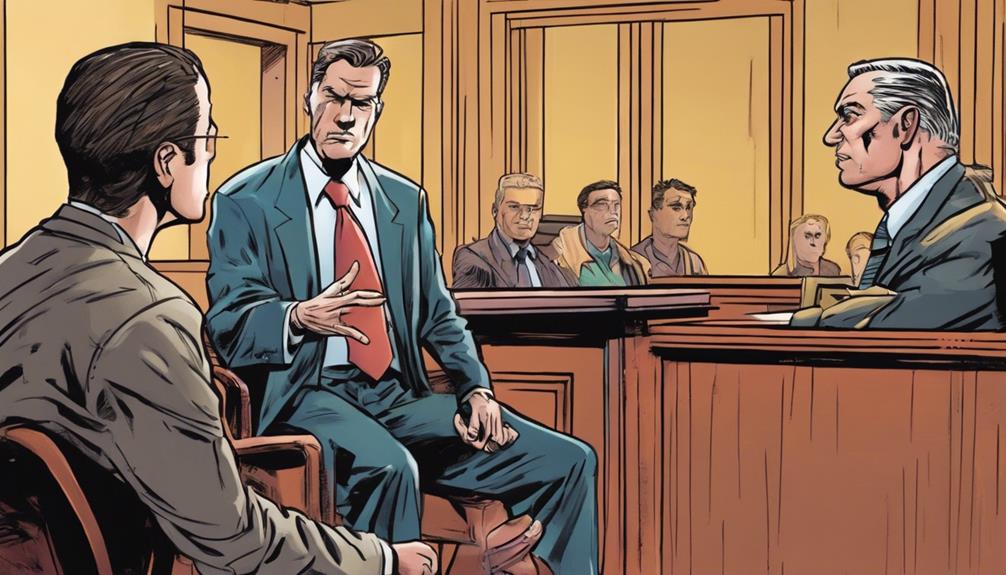
Challenging field sobriety tests requires a keen understanding of their inherent flaws and the subjective nature of their administration. You need to focus on how these tests often depend on the officer's interpretation, which can be influenced by various factors such as fatigue, bias, or environmental conditions. For instance, uneven pavement or poor lighting can significantly affect the outcome of a balance test.
You should also scrutinize the officer's training and experience. An officer lacking proper training or having limited experience in administering these tests may not follow the standardized protocols, leading to unreliable results. Cross-examining the officer about their training can reveal weaknesses in their qualifications.
Moreover, it's crucial to highlight any medical conditions your client might have that could negatively impact their performance on these tests. Conditions such as inner ear disorders, neurological issues, or even anxiety can cause an individual to fail the tests despite not being impaired by alcohol or drugs.
Don't forget to review the video evidence, if available. Video footage can contradict the officer's testimony, showing that your client performed better on the tests than reported. By meticulously examining these aspects, you can effectively challenge the validity of field sobriety tests and cast doubt on the prosecution's case.
Questioning Breathalyzer Accuracy
Building on the scrutiny of field sobriety tests, it's equally important to question the reliability and accuracy of Breathalyzer results. To challenge these results, you should first examine whether the device was properly calibrated and maintained. Law enforcement agencies must regularly calibrate Breathalyzers to ensure accurate readings. If maintenance logs show neglect, it could cast doubt on the results.
Next, consider the training and competence of the officer who administered the test. Operators need proper certification and training to use these devices correctly. Any deviation from standard procedures can produce unreliable results. Requesting the officer's training records can reveal potential weaknesses in their qualifications.
Additionally, external factors like medical conditions, environmental influences, and even certain foods can affect Breathalyzer readings. For instance, conditions such as acid reflux can artificially inflate blood alcohol levels. Document any relevant medical history and environmental factors that might've skewed the results.
Exploring Plea Bargains
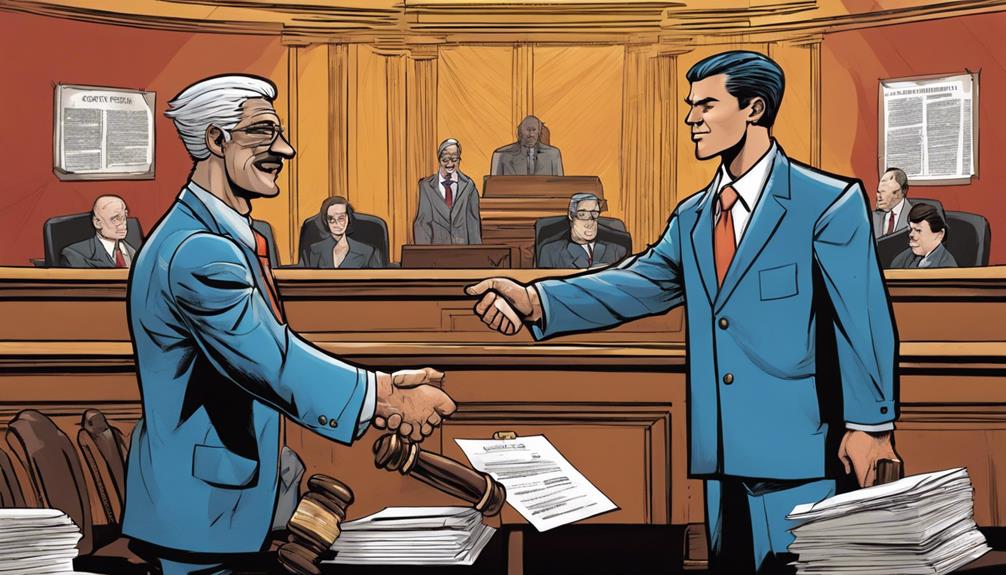
Exploring plea bargains can be a strategic move to mitigate potential penalties and expedite the resolution of a commercial driving case. When facing serious charges, you might find that negotiating a plea deal offers a practical alternative to the uncertainties of a trial. A well-negotiated plea bargain can often result in reduced charges or lighter sentencing, allowing you to retain your commercial driving license and continue working.
To effectively explore this option, you should thoroughly understand the strengths and weaknesses of your case. Your attorney can negotiate with the prosecution, highlighting any mitigating factors, such as a clean driving record or the necessity of your role in the supply chain. By presenting compelling arguments, your lawyer can persuade the prosecution to offer a more favorable deal.
It's crucial to weigh the pros and cons before accepting a plea bargain. While it provides certainty and potentially lesser penalties, it also means you'll have a conviction on your record.
However, in many cases, the benefits of a plea deal—such as avoiding a lengthy trial and minimizing financial and occupational disruptions—outweigh the drawbacks. Ultimately, consulting with your legal counsel is essential to determine if a plea bargain is the best course of action for your specific situation.
Conclusion
To effectively defend commercial drivers against DUI charges, you must understand both federal and state laws, gather compelling evidence, and challenge the reliability of field sobriety tests and Breathalyzer results.
Don't overlook the potential benefits of plea bargains to mitigate penalties.
By employing these detailed strategies, you'll build a robust defense, increasing the chances of a favorable outcome for your client.
Remember, thorough preparation and strategic analysis are key to success in these cases.