
When it comes to state DUI BAC limits, understanding the regulations can be a lifesaver. You need to know the standard legal BAC limit of 0.08% for drivers over 21, but don't forget that underage drivers face zero tolerance. Commercial drivers should be aware of their stricter limit of 0.04%. Importantly, familiarize yourself with state-specific rules, as some states, like Utah, enforce even lower limits. High BAC levels can result in enhanced penalties, making it crucial to consider safe transportation options after drinking. Are you aware of how these variations might affect you?
Understand Legal BAC Limits

Before you get behind the wheel, it's crucial to understand the legal BAC limits in your state. Knowing these limits isn't just a matter of avoiding penalties—it's about ensuring the safety of everyone on the road.
Most states have established a legal Blood Alcohol Content (BAC) limit of 0.08% for drivers aged 21 and over. This means if your BAC is 0.08% or higher, you're considered legally impaired and can face DUI charges.
However, some states have stricter regulations. For example, Utah has set the BAC limit at 0.05%, reflecting a lower tolerance for alcohol consumption. It's vital to familiarize yourself with your state's specific laws because ignorance won't protect you from the severe consequences of a DUI.
Additionally, commercial drivers usually face a stricter BAC limit, often set at 0.04%. This is due to the increased responsibility and potential danger posed by operating larger vehicles. If you hold a commercial driver's license, understanding this lower threshold is essential for maintaining your livelihood.
Know Zero Tolerance States
In zero tolerance states, any detectable amount of alcohol in drivers under 21 can lead to severe penalties. These states enforce strict laws to deter underage drinking and driving, understanding that young drivers are more susceptible to accidents. You're not just risking a ticket; penalties can include license suspension, hefty fines, and even jail time.
Knowing which states enforce zero tolerance can save you from severe consequences. States like California, New York, and Texas are among those with zero tolerance policies. If you're under 21 and planning to drive, even a single drink could put you in legal jeopardy. It's crucial to understand that the legal BAC limit for you is effectively zero.
Awareness and caution are your best allies. Make sure you're always informed about the laws in the state you're driving in. Ignorance won't be an excuse if you're caught.
Always opt for a designated driver or use ride-sharing services if you've consumed any alcohol. Being proactive about this can safeguard your future, your finances, and most importantly, your safety. Don't take chances—know the laws and follow them strictly.
Different Limits for CDL Holders
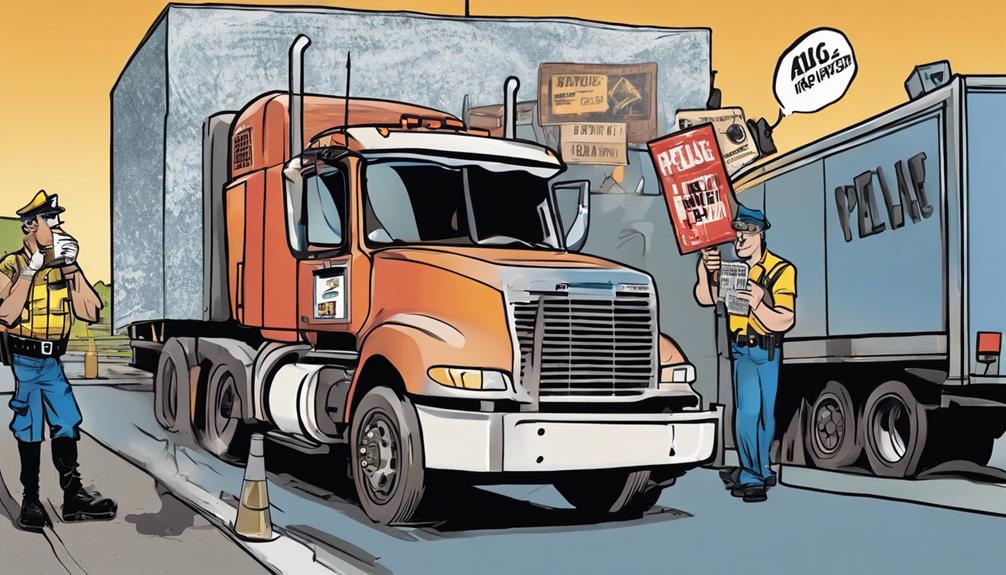
Commercial Driver's License (CDL) holders face stricter BAC limits than regular drivers, typically set at 0.04%. This lower threshold underscores the immense responsibility you bear when operating large vehicles. Your role involves not just your safety but that of countless others on the road, making adherence to these limits absolutely crucial.
You might think a few drinks won't affect your driving, but even a BAC of 0.04% can significantly impair reaction times and decision-making abilities. Given the size and potential danger of commercial vehicles, there's no room for error. It's not just about avoiding legal trouble; it's about maintaining professional integrity and ensuring public safety.
Staying within these stricter limits also protects your livelihood. A DUI conviction can lead to the suspension or revocation of your CDL, severely impacting your career. Don't risk the years of hard work it took to earn your license and build your reputation.
Enhanced Penalties for High BAC
Frequently, drivers with a significantly high BAC face enhanced penalties that can drastically alter their lives. If you're caught with a BAC far above the legal limit, the consequences aren't just a slap on the wrist. Enhanced penalties often include much steeper fines, longer license suspensions, and even mandatory jail time. These measures aren't just punitive; they're designed to deter repeat offenses and protect public safety.
You should know that having a high BAC can also lead to mandatory alcohol education programs or the installation of an ignition interlock device in your vehicle. These devices require you to pass a breathalyzer test before starting your car, adding an extra layer of inconvenience to your daily life.
Moreover, insurance companies might label you as a high-risk driver, leading to skyrocketing premiums. The financial burden alone can be overwhelming, not to mention the potential loss of employment if your job requires a clean driving record. Legal fees and court costs can also add up quickly, further straining your resources.
Comprehending these severe repercussions can act as a powerful motivator to think twice before driving under the influence. Prioritizing safety and responsibility can prevent you from experiencing these life-altering penalties.
State-Specific Variations

Understanding the variations in DUI BAC limits across different states is crucial for ensuring you're always driving within the legal boundaries.
While the standard legal BAC limit is 0.08% in most states, certain states have stricter thresholds. For instance, Utah has set the limit at 0.05%, making it one of the most stringent in the nation. If you're traveling, it's essential to research and understand the specific regulations of each state you're driving through.
Moreover, some states impose lower BAC limits for commercial drivers and those under 21. In many states, a commercial driver can be charged with a DUI at a BAC of 0.04%, and for drivers under 21, the limit often drops to 0.02% or even zero tolerance in some jurisdictions. Ignoring these variations can result in severe consequences, including hefty fines, license suspension, or even jail time.
Staying informed about these differences not only keeps you compliant with the law but also ensures the safety of everyone on the road.
Always check the local DUI regulations before you drive in a new state. Your diligence can save lives and prevent legal troubles.
Conclusion
It's crucial you grasp these key DUI BAC limit tips to stay safe and legal.
Understand the standard limits, especially the stricter ones for underage and commercial drivers.
Be aware of state-specific laws like those in Utah, and remember, higher BAC levels mean harsher penalties.
Always opt for safe transportation if you've been drinking.
By following these guidelines, you'll protect yourself and others on the road.
Don't take chances with DUI laws—stay informed and responsible.