
If you're an underage driver facing legal charges, understanding your rights and the importance of immediate legal representation is crucial. Remaining silent and requesting an attorney right away can significantly impact the outcome of your case. Engaging a skilled juvenile lawyer can help you navigate the intricacies of DUI laws and build a robust defense. Additionally, exploring diversion programs could offer a path to avoid a lasting criminal record, which is essential for future opportunities. But what are the key steps to take when you're first arrested, and how can these decisions shape your future?
Understanding DUI Laws

When it comes to DUI laws, knowing the specifics can make all the difference in avoiding serious legal consequences.
If you're an underage driver, the laws are even stricter. Most states have a zero-tolerance policy, meaning any detectable amount of alcohol in your system can lead to a DUI charge. This isn't just about blowing over a 0.08% BAC like adults; for you, it could be as low as 0.01%.
Understanding these laws is crucial. First, familiarize yourself with your state's specific regulations. Some states impose harsher penalties for underage offenders, including longer license suspensions and mandatory education programs. Don't assume you know the rules; take the time to study them.
Next, be aware of the penalties. A DUI conviction can result in fines, community service, and even jail time. More importantly, it can have long-term effects on your driving record, insurance rates, and future employment opportunities.
Rights During Arrest
When you're arrested, it's crucial to know your rights.
You have the right to remain silent, which means you don't have to answer any questions without a lawyer present.
Additionally, you can request legal counsel to ensure your rights are protected throughout the process.
Right to Remain Silent
Knowing your right to remain silent during an arrest is crucial for protecting yourself legally as an underage driver. When you're pulled over and questioned by law enforcement, anything you say can be used against you. By exercising your right to remain silent, you minimize the risk of inadvertently incriminating yourself.
You might feel pressured to explain your actions or clarify misunderstandings, but it's important to stay calm and composed. Instead of speaking, politely inform the officer that you choose to remain silent. This isn't an admission of guilt; it's a strategic move to ensure your words aren't twisted or misinterpreted.
Remember, law enforcement officers are trained to gather as much information as possible. Even seemingly harmless statements can be used to build a case against you. Avoid casual conversation and refrain from answering questions without a legal representative present.
While it may feel uncomfortable, standing firm in your decision to remain silent is your legal right and a wise step in protecting your future.
Requesting Legal Counsel
Equally important to remaining silent is asserting your right to request legal counsel immediately upon arrest. The moment you're detained, the law grants you the right to an attorney. Don't hesitate—ask for one right away.
By requesting legal counsel, you're ensuring that you have professional guidance through every step of the legal process. This is crucial because anything you say or do without an attorney present can be used against you in court.
When you ask for a lawyer, the police must stop questioning you until your attorney is present. This protects you from making inadvertent statements that could harm your case.
An experienced attorney will help you understand the charges, the potential consequences, and the best strategies for your defense.
Choosing Legal Representation

Choosing the right legal representation is crucial for navigating the complexities of juvenile traffic offenses.
You'll want to find experienced juvenile lawyers who understand the nuances of underage driving laws.
Schedule consultations to discuss their strategies and ensure they align with your needs.
Experienced Juvenile Lawyers
Selecting the right juvenile lawyer can make all the difference in effectively navigating the legal challenges faced by underage drivers. When your teen is facing charges, it's crucial to seek out an attorney who specializes in juvenile law. These attorneys understand the unique aspects of the juvenile justice system and know how to advocate for a more favorable outcome for young clients.
You'll want to look for experience and a proven track record. An attorney who's successfully handled similar cases will know the strategies that work and can anticipate potential pitfalls. Ask about their experience with cases involving underage driving offenses specifically. This targeted expertise can be invaluable.
Don't underestimate the importance of rapport. Your chosen lawyer should be someone your teen feels comfortable with, as open communication is essential. A lawyer adept at working with young people can often better navigate the emotional and psychological complexities of juvenile cases.
Check reviews and testimonials from other parents and clients. Positive feedback can provide insight into the lawyer's effectiveness and reliability.
Consultation and Strategy
Once you've identified a potential juvenile lawyer, scheduling a consultation is your next vital step in crafting a robust legal strategy. During this meeting, you'll have the chance to discuss the specifics of your case and evaluate the lawyer's expertise and approach.
Make sure to ask about their experience with cases similar to yours and their success rate in defending underage drivers. Don't hesitate to inquire about their legal fees and payment plans. Understanding the financial aspect upfront can help you avoid any surprises later.
It's crucial to feel comfortable with their communication style and to ensure they're approachable and responsive. A lawyer who's easy to reach and willing to answer your questions can make a significant difference in how smoothly your case progresses.
Assess their proposed strategy and ask how they plan to handle possible outcomes, including worst-case scenarios. A well-prepared lawyer will outline a clear plan of action and potential contingencies.
Building a Strong Defense
To build a strong defense, it's crucial to gather all relevant evidence and consult with a knowledgeable attorney who specializes in underage driving cases.
Start by collecting any physical evidence, such as photographs of the scene, vehicle damage, or road conditions. Obtain copies of police reports, witness statements, and any available video footage. These pieces of evidence can provide valuable context and support your version of events.
Next, work closely with your attorney to identify any procedural errors or rights violations that occurred during your arrest or citation. For example, if the police failed to read you your rights or improperly administered a field sobriety test, these could be grounds for contesting the charges.
Your attorney will also help you explore potential defenses specific to your case. This might include challenging the accuracy of breathalyzer results, demonstrating a lack of probable cause for the traffic stop, or highlighting mitigating factors that explain your behavior.
Each case is unique, so tailor your defense strategy to the specifics of your situation.
Court Process Overview
Navigating the court process can be daunting, but understanding each step will help you approach your case with confidence and strategy.
First, you'll receive a summons or citation detailing your court date. Don't ignore this—showing up is crucial. Arriving prepared is half the battle won.
Next, you'll attend an arraignment where you'll hear the charges against you and enter a plea—guilty, not guilty, or no contest. It's wise to consult with your attorney before making this decision.
If you plead not guilty, the court will schedule a pre-trial conference to discuss the case's specifics. During the pre-trial conference, your attorney and the prosecutor might negotiate a plea deal.
If no agreement is reached, your case will proceed to trial. Here, both sides present evidence and call witnesses. You may be asked to testify, so being honest and composed is essential.
Potential Penalties
Understanding the potential penalties you might face is just as important as knowing the court process itself. If you're convicted as an underage driver, the consequences can be severe and long-lasting.
Fines are common and can range from a few hundred to several thousand dollars, depending on the offense. Additionally, your driver's license could be suspended or even revoked, which can significantly impact your daily life and future opportunities.
Community service is another frequent penalty, requiring you to complete a set number of hours. This might seem manageable, but it can interfere with school, work, and other responsibilities.
Probation is also a possibility, meaning you'll have to adhere to strict conditions set by the court. Any violation of these conditions could lead to more severe consequences, including jail time.
Moreover, having a criminal record can affect college admissions, job prospects, and eligibility for certain financial aids. It's crucial to understand these implications fully.
Diversion Programs
Diversion programs offer underage drivers a valuable opportunity to avoid a criminal record by completing educational or community service requirements. These programs are designed to educate young drivers about the consequences of their actions and encourage them to make better decisions in the future.
By participating in a diversion program, you show the court that you're taking responsibility for your behavior and are committed to making a positive change.
To get into a diversion program, you'll usually need to meet certain criteria, such as being a first-time offender or having committed a less severe offense. Your attorney can help you determine if you qualify and guide you through the application process.
Once accepted, you might need to attend traffic safety courses, engage in community service, or participate in counseling sessions.
Successfully completing a diversion program can lead to the dismissal of your charges, sparing you from a criminal record. This not only helps you avoid potential future complications but also offers a chance to learn and grow from the experience.
Embrace this opportunity to turn a mistake into a valuable lesson and move forward with a clean slate.
Impact on Driving Record
Successfully completing a diversion program can't only dismiss your charges but also significantly influence your driving record. When you're an underage driver, keeping your driving record clean is crucial. A blemished record can increase your insurance rates and lead to license suspensions or revocations. By completing a diversion program, you can avoid these pitfalls.
Your driving record is more than just a list of violations; it's a reflection of your responsibility as a driver. The fewer infractions on your record, the better your chances of maintaining lower insurance premiums and keeping your driving privileges intact.
Diversion programs usually require you to meet specific criteria, such as attending educational classes or performing community service. Meeting these requirements shows a commitment to improving your driving behavior, which courts favorably view.
Additionally, a clean driving record can be a bargaining chip if you face future traffic-related issues. It demonstrates a pattern of responsible driving, making it easier for your attorney to negotiate on your behalf.
Long-Term Consequences
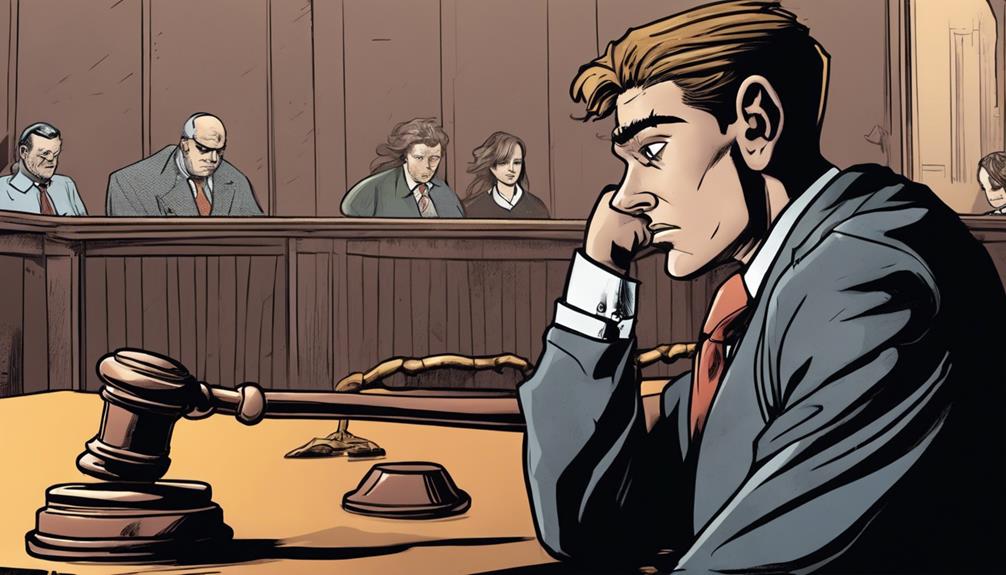
Understanding the long-term consequences of underage driving violations is crucial for your future.
A criminal record can impact your employment and education opportunities, and it could also jeopardize your future driving privileges.
Taking these potential outcomes seriously will help you make informed decisions and avoid actions that could haunt you for years.
Criminal Record Impact
A criminal record from underage driving can severely limit your future opportunities, affecting everything from college admissions to job prospects.
When you're applying to colleges, many institutions conduct background checks. A criminal record could raise red flags, making your application less competitive. Admissions officers might question your judgment and reliability, which could result in denied applications.
Beyond college, a criminal record can hinder your ability to secure housing. Landlords often perform background checks and may be hesitant to rent to someone with a criminal history. This limitation can restrict your living options and force you into less desirable arrangements.
Furthermore, your social and professional network could be affected. Friends, family, and community members might view you differently, potentially leading to strained relationships and missed opportunities.
It can also impact your ability to participate in extracurricular activities or volunteer programs, which are essential for personal growth and networking.
Employment and Education
Beyond the immediate social repercussions, the long-term consequences of a criminal record can significantly hamper your employment and educational prospects. Employers often conduct background checks, and a criminal record could make you appear less trustworthy or reliable. Even if you're highly qualified, your record might be the deciding factor that costs you a job opportunity.
When it comes to education, many colleges and universities require disclosure of criminal records during the application process. A conviction could limit your chances of acceptance or lead to denial of financial aid and scholarships. This setback can make pursuing higher education more challenging and expensive.
Think strategically about your future. Seek legal advice immediately to explore options like record expungement or diversion programs. These can sometimes mitigate the long-term impact on your record. Be proactive by participating in community service or other positive activities to demonstrate your commitment to change.
Future Driving Privileges
Losing your driving privileges can drastically affect your independence and daily life, making it harder to get to school, work, or social activities. When you're facing charges as an underage driver, you need to understand the long-term consequences on your future driving privileges. A suspension or revocation isn't just a temporary inconvenience; it can influence your ability to obtain a license in the future.
If you're convicted of certain offenses, you may face extended periods without the ability to drive legally. This can lead to higher insurance premiums once you're eligible to drive again, making driving more costly. Additionally, any driving infractions can be recorded on your permanent driving record, which future employers or educational institutions might review.
It's essential to consult with a legal expert who understands the complexities of juvenile traffic laws. They can help you navigate the legal system and potentially mitigate the penalties. Being proactive about addressing these charges can make a significant difference in preserving your future driving privileges.
Preventing Future Incidents
How can you ensure that underage drivers stay safe and avoid legal trouble in the future?
Start by emphasizing the importance of responsible driving. Encourage them to understand and obey traffic laws, including speed limits, seat belt usage, and the prohibition of alcohol and drugs.
Next, set a good example. As a parent or guardian, your driving habits significantly influence young drivers. Demonstrate safe driving practices, such as avoiding distractions, maintaining a safe following distance, and exercising patience on the road.
Additionally, consider enrolling them in defensive driving courses. These programs teach advanced driving techniques and help build confidence behind the wheel. They also often provide insights into making better decisions in challenging situations.
It's equally crucial to have open conversations about the consequences of reckless driving. Discuss real-life stories where poor decisions led to severe penalties or life-altering accidents. This can resonate more deeply than abstract warnings.
Lastly, make sure they understand the importance of regular vehicle maintenance. Simple tasks like checking tire pressure, oil levels, and brake functions can prevent accidents caused by mechanical failures.
Conclusion
Navigating DUI charges as an underage driver is daunting, but you've got options.
Know your rights, stay silent, and demand an attorney immediately.
Choose a skilled juvenile lawyer to build a strong defense and explore diversion programs to protect your future.
Understand the court process and the potential impact on your driving record.
By taking these strategic steps, you can minimize long-term consequences and avoid future incidents.
Protect your future by acting wisely now.