10 Tips on DUI Penalties Across the US

When it comes to DUI penalties, the landscape across the US is complex and can be daunting. You've got to understand the specific laws and consequences in your state, as they can vary widely. For instance, California's penalties differ significantly from those in Florida or Texas. Knowing these differences isn't just legal trivia; it's crucial for maintaining a clean driving record and avoiding harsh repercussions. Ever wondered how zero-tolerance laws or implied consent statutes could impact you? Let's explore these ten essential tips to help you navigate this intricate legal terrain effectively.

Understanding DUI Laws
navigating dui legal regulations

Navigating DUI laws requires a clear understanding of how each state defines and penalizes impaired driving. You need to know that DUI (Driving Under the Influence) standards vary significantly across the United States. Each state has its own legal blood alcohol concentration (BAC) limit, usually 0.08% for drivers over 21. However, some states impose stricter limits for commercial drivers and those under the legal drinking age.

When you're driving, it's crucial to be aware of these differences to avoid severe consequences. For instance, some states have zero-tolerance laws for underage drivers. Even a trace amount of alcohol can lead to an arrest. Additionally, implied consent laws mean that by driving, you automatically agree to submit to BAC testing if suspected of DUI. Refusing the test can result in immediate license suspension and other penalties.

Understanding the nuances of DUI laws also helps you recognize the importance of responsible drinking. It's not just about avoiding penalties; it's about ensuring everyone's safety on the road. Therefore, always stay informed about the DUI laws in your state and any state you plan to visit. Your knowledge could make all the difference in navigating legal complexities and maintaining a clean driving record.

Penalties in California

In California, DUI penalties are among the toughest in the nation, designed to deter impaired driving and enhance road safety. If you're caught driving under the influence, you'll face severe consequences, starting with a hefty fine that could range from $390 to $1,000 for a first offense.

But that's just the beginning. You'll also deal with mandatory alcohol education programs, license suspension for up to six months, and possible installation of an ignition interlock device.

Repeat offenses bring even harsher penalties. A second DUI can lead to fines up to $2,000, a two-year license suspension, and mandatory jail time ranging from 96 hours to a year.

By the third offense, you're looking at up to $3,000 in fines and a three-year license suspension. Additionally, you might face longer jail terms and extended alcohol education requirements.

California's zero-tolerance policy for underage drivers means anyone under 21 caught with a BAC of 0.01% or higher will face an automatic one-year license suspension.

The state's stringent DUI laws don't just aim to punish but also to prevent future incidents, making it clear that impaired driving won't be tolerated.

Florida DUI Consequences

florida dui penalties explained

Florida's DUI penalties are equally stringent, aiming to curb impaired driving through a combination of fines, license suspensions, and mandatory education programs. If you're caught driving under the influence in Florida, expect hefty consequences.

For a first offense, you could face fines ranging from $500 to $1,000. If your blood alcohol content (BAC) is 0.15% or higher, or if a minor is in the vehicle, fines can jump to $2,000. Your license will be suspended for a minimum of six months. Refusing a breathalyzer test? That's an automatic one-year suspension.

You'll also be required to complete 50 hours of community service or pay an additional fine of $10 per hour of service required. Florida mandates a DUI education course, lasting 12 hours, that you must complete before your license is reinstated.

For repeat offenders, penalties increase significantly. Second offenses within five years lead to a mandatory 10-day jail sentence, while a third offense within 10 years is classified as a felony. Ignition interlock devices become mandatory for second offenses, requiring you to pass a breath test before starting your car.

Don't underestimate these penalties—they're designed to deter dangerous behavior and keep Florida roads safe.

Texas DUI Laws

Texas DUI laws are some of the toughest in the country, aiming to deter impaired driving through severe penalties and stringent enforcement. If you're caught driving under the influence in Texas, you could face hefty fines, license suspension, and even jail time.

For a first offense, you might pay up to $2,000 in fines, spend between three and 180 days in jail, and have your license suspended for up to a year. A second offense increases the stakes, with fines up to $4,000, jail time ranging from one month to a year, and a two-year license suspension.

What makes Texas particularly stringent is the zero-tolerance policy for minors. If you're under 21 and caught with any detectable amount of alcohol in your system, you could face fines, mandatory alcohol education classes, community service, and license suspension.

Moreover, Texas employs strict sobriety checkpoints and has a 'no refusal' policy during certain holidays and events, allowing officers to obtain search warrants for blood tests if you refuse a breathalyzer.

Understanding these laws and their consequences can help you make safer choices and avoid the severe penalties Texas imposes for DUI offenses.

New York Penalty Structure
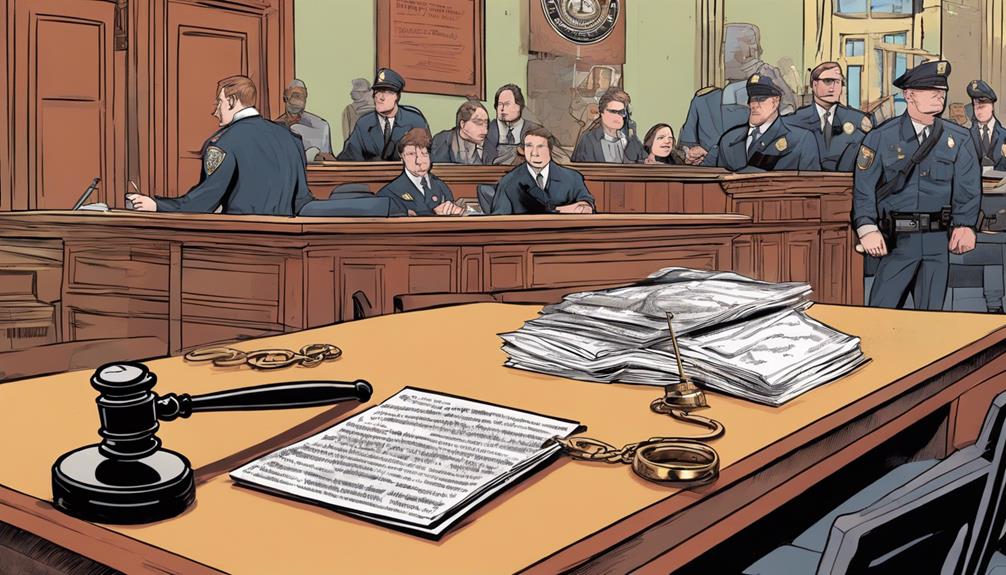
new york penalties outlined clearly

New York's DUI penalty structure is designed to be both punitive and preventive, ensuring that offenders face serious consequences while deterring future violations. If you're caught driving under the influence in New York, the repercussions can be severe.

For a first offense, you could face up to one year in jail, a fine ranging from $500 to $1,000, and a six-month license suspension.

Repeat offenders are dealt with even more harshly. A second DUI within ten years can land you in jail for up to four years, accompanied by fines between $1,000 and $5,000, and a minimum one-year license revocation. A third offense could result in a prison sentence of up to seven years, fines up to $10,000, and a license revocation for at least one year.

New York also mandates the installation of an ignition interlock device for at least six months following a DUI conviction, regardless of whether it's your first or subsequent offense. This device ensures you can't start your vehicle if alcohol is detected on your breath, adding another layer of deterrence.

Illinois DUI Fines

If you're convicted of a DUI in Illinois, be prepared to face hefty fines that reflect the state's tough stance on impaired driving. For a first-time offender, fines can reach up to $2,500. This initial penalty is just the beginning, as additional court costs and fees will likely increase your financial burden. The fines are designed to act as a deterrent, reminding you of the severe consequences of impaired driving.

Repeat offenders face even stiffer penalties. A second DUI conviction could set you back up to $2,500, plus mandatory minimum fines. However, if aggravating factors are involved, such as a high blood alcohol content or causing an accident, the fines can escalate rapidly. Moreover, a third DUI offense becomes a felony, with fines soaring to $25,000.

Besides the financial strain, these fines are often accompanied by mandatory alcohol education classes, community service, and possible jail time. The intent is to underscore the gravity of impaired driving and encourage you to make safer choices.

Ignoring these fines can lead to further legal complications, including license suspension and additional penalties. So, it's vital to take these financial repercussions seriously and adhere to Illinois' stringent DUI laws.

Penalties in Pennsylvania
pennsylvania legal consequences outlined

Pennsylvania takes DUI offenses seriously, imposing strict penalties that can significantly impact your life. If you're caught driving under the influence, you'll face consequences that vary based on your blood alcohol content (BAC) and prior offenses.

For a first-time offender with a BAC between 0.08% and 0.099%, expect probation, a $300 fine, and mandatory alcohol education classes. However, if your BAC is higher or you have prior offenses, the penalties escalate quickly.

For instance, a BAC of 0.10% to 0.159% could lead to a minimum of two days in jail, fines up to $5,000, and a 12-month license suspension. A BAC of 0.16% or higher brings even harsher penalties, including longer jail time and increased fines. Repeat offenders face even more stringent consequences, including extended jail time, higher fines, and longer license suspensions.

Additionally, Pennsylvania employs an ignition interlock system for repeat offenders and those with high BAC levels. This device requires you to pass a breathalyzer test before starting your vehicle.

The state's approach is designed to deter DUI offenses and promote safer roads. Understanding these penalties can help you make informed decisions and avoid severe repercussions.

Arizona DUI Sanctions

Arizona enforces some of the toughest DUI sanctions in the country, ensuring that offenders face severe consequences right from their first offense. If you're caught driving under the influence in Arizona, you'll quickly realize the state doesn't take these violations lightly.

For a first-time DUI offense, expect a minimum of 24 hours to 10 days in jail, with fines starting at $250. On top of that, you'll need to install an ignition interlock device in your vehicle, which prevents you from starting your car if you've been drinking.

If you think the penalties for a first offense are harsh, subsequent offenses ramp up the severity. A second DUI offense can land you in jail for 30 to 90 days and cost you at least $500 in fines. Plus, your license will be revoked for a year.

Arizona also imposes stringent penalties for extreme DUI, where your blood alcohol concentration (BAC) is 0.15% or higher. For this, you're looking at 30 days in jail and a $2,500 fine.

In Arizona, the message is clear: driving under the influence is a serious crime with severe repercussions. Don't underestimate the state's commitment to keeping its roads safe.

Washington State Penalties

washington state legal consequences

Washington State, like Arizona, enforces stringent DUI penalties to ensure road safety and deter impaired driving. If you're caught driving under the influence in Washington, you're facing serious consequences.

For a first offense, you could spend up to a year in jail, pay fines ranging from $350 to $5,000, and lose your license for 90 days. Additionally, there's a mandatory minimum jail time of 24 hours or 15 days of electronic home monitoring.

Washington also requires the installation of an Ignition Interlock Device (IID) on your vehicle for at least one year, even for first-time offenders. This device prevents your car from starting if it detects alcohol on your breath, adding another layer of deterrence.

Subsequent offenses ramp up the penalties significantly. A second DUI offense within seven years can result in up to one year in jail, fines up to $5,000, and a two-year license suspension. You'll also face longer IID requirements and more extended periods of electronic home monitoring.

Washington's zero-tolerance policy for DUI emphasizes the state's commitment to road safety. Understanding these penalties can help you make better choices and avoid the severe repercussions of impaired driving.

Ohio DUI Sentences

In Ohio, getting a DUI means you'll face strict penalties that can significantly impact your life.

First-time offenders can expect a minimum of three days in jail, or you might have the option to attend a driver intervention program. Your driver's license will be suspended for a period ranging from six months to three years, and you'll be required to pay fines between $375 and $1,075. In addition, you'll likely need to install an ignition interlock device on your vehicle.

If you get a second DUI within ten years, the stakes are even higher. Jail time increases to a minimum of ten days, with possible house arrest after serving the initial term. Your license suspension extends from one to five years, and fines range between $525 and $1,625.

A third DUI offense carries even more severe consequences, including a minimum of 30 days in jail, fines up to $2,750, and a license suspension of up to ten years.

Refusing a breathalyzer test in Ohio also has severe repercussions. You'll face an automatic one-year license suspension for the first refusal, escalating with each subsequent refusal.

Ohio takes DUI offenses seriously, and understanding these penalties is crucial for making informed decisions.

Conclusion

Staying informed about DUI laws is essential for every driver.

Know your state's specific regulations, including BAC limits and penalties.

Understand the severe consequences of repeat offenses and zero-tolerance laws for underage drivers.

Familiarize yourself with implied consent laws and consider proactive measures like alcohol education programs.

Always use a designated driver or rideshare to avoid legal issues.

By staying educated and responsible, you'll maintain a clean driving record and ensure safer roads for everyone.
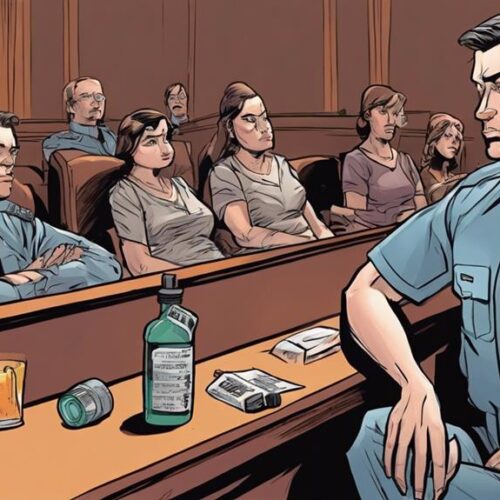

What Are the Penalties for Underage DUI?

When you consider the penalties for underage DUI, you might be surprised at how harsh the consequences can be. We're talking about license suspensions that can last from six months to a year, hefty fines that could range from $100 to $2,500, and mandatory community service that can eat up a significant chunk of your time. But that's just scratching the surface. Have you ever wondered what happens in juvenile court or what educational programs you might be required to attend? The legal system doesn't take these offenses lightly, and the repercussions can impact your life in unexpected ways.

Legal Drinking Age

minimum age for alcohol

In the United States, the legal drinking age is set at 21 to help ensure that alcohol consumption is responsibly managed. This law aims to reduce alcohol-related accidents and health issues among young people. By restricting access to alcohol, the law encourages you to develop a mature understanding of drinking and its potential consequences before you can legally buy or consume it.

You might think that being old enough to drive means you're also mature enough to drink. However, studies show that your brain continues developing into your mid-twenties. Alcohol can impair this development, affecting decision-making and increasing the likelihood of risky behaviors. The legal drinking age of 21 isn't arbitrary—it's rooted in scientific evidence aimed at protecting your health and safety.

Moreover, enforcing this drinking age lowers the incidence of drunk driving among teens and young adults. When you're underage, you're less likely to have the experience or judgment needed to handle both drinking and driving. The law acts as a safeguard, helping to prevent tragic accidents and save lives.

Blood Alcohol Concentration Limits

Did you know that even a small amount of alcohol can significantly impair your ability to drive, which is why blood alcohol concentration (BAC) limits are strictly enforced? For underage drivers, the stakes are even higher. Most states in the U.S. have a zero-tolerance policy for drivers under 21. This means if you're caught with a BAC of 0.01% or higher, you're in serious trouble. Some states are even stricter, imposing penalties for any detectable amount of alcohol.

The rationale behind these stringent limits is simple: younger drivers lack the experience to handle the added impairment that alcohol brings. Even a BAC as low as 0.02% can affect your motor skills, reaction time, and judgment. Law enforcement uses breathalyzers and field sobriety tests to measure your BAC. Failing these tests can result in immediate license suspension, hefty fines, and mandatory alcohol education programs.

Not only are you risking severe legal consequences, but you're also endangering yourself and others on the road. Understanding and respecting BAC limits is crucial. Don't underestimate the impact of alcohol on your driving abilities. Stay informed and make responsible choices.

Juvenile Court Procedures

youth legal proceedings guidelines

When your child faces an underage DUI charge, understanding the juvenile court procedures is crucial.

The court hearing process will determine the specifics of the case, which directly influences the sentencing and potential consequences.

Being well-informed about these steps can help you navigate the legal landscape more effectively and advocate for your child's future.

Court Hearing Process

Navigating the juvenile court procedures for an underage DUI charge requires a clear understanding of the distinct steps, starting with the initial court hearing.

When you first enter the courtroom, you'll face an arraignment where the charges are formally read to you. It's crucial to have legal representation at this stage to ensure your rights are protected. Your attorney will enter a plea on your behalf—usually 'not guilty'—and the judge will set a date for your next court appearance.

During the pre-trial phase, both sides gather evidence. This involves reviewing police reports, witness statements, and any breathalyzer or blood test results. Your attorney may negotiate with the prosecutor to potentially reduce or dismiss charges based on the evidence.

At the adjudicatory hearing, which is akin to a trial, the judge will hear both sides. Your attorney will present your defense, cross-examine witnesses, and challenge the prosecution's evidence. The judge will then make a ruling on your case.

Understanding each step helps you navigate the juvenile court system more effectively. It's vital to be proactive and work closely with your attorney to build the strongest possible defense.

Sentencing and Consequences

After the adjudicatory hearing, if you're found guilty, the court will move on to sentencing, where the judge determines the appropriate consequences for your underage DUI offense. The penalties can vary significantly depending on the jurisdiction, your prior record, and the specifics of your case.

Typically, the judge has several options at their disposal, ranging from community service and mandatory alcohol education programs to more severe measures like probation or even detention in a juvenile facility.

You might be required to attend counseling sessions aimed at preventing future DUI incidents. The court could also impose a curfew or restrict your driving privileges, often mandating the installation of an ignition interlock device on your vehicle.

Financial penalties are common as well, including fines and court costs. If your DUI resulted in property damage or injury, you might also face restitution payments to cover the victim's expenses.

License Suspension

Having your license suspended for an underage DUI can severely disrupt your daily life and future opportunities. Without the freedom to drive, you'll face challenges getting to school, work, or social activities. This loss of independence isn't only frustrating but can also impact your education and employment prospects.

Most states impose a mandatory license suspension for underage DUI offenders, often ranging from six months to a year. This suspension period can feel like an eternity, especially when you're trying to maintain your routine. Some states might offer a restricted or hardship license that allows limited driving for essential activities, but these aren't guaranteed and often come with strict conditions.

During the suspension, you'll likely be required to complete an alcohol education program and possibly community service. Failing to meet these requirements can extend your suspension or lead to additional penalties. Moreover, the suspension will be recorded on your driving history, making it visible to future employers and insurance companies. This can result in higher insurance premiums and difficulty securing jobs that require a clean driving record.

In essence, a license suspension is more than just a temporary inconvenience; it's a significant barrier to your personal and professional growth.

Fines and Fees

financial penalties and charges

In addition to the disruption caused by a license suspension, underage DUI offenders also face significant financial burdens in the form of fines and fees. These monetary penalties can be quite steep, often totaling hundreds or even thousands of dollars. The initial fine for an underage DUI can range from $100 to $2,500, depending on the jurisdiction and the specifics of the offense.

But that's not all. You'll also have to pay court fees, which can add another several hundred dollars to your financial obligations. Legal representation is another expense to consider; hiring a competent attorney to navigate your case can cost anywhere from $1,500 to $5,000 or more.

Moreover, some states impose additional fees for mandatory alcohol education programs, which can cost upwards of $500. And don't forget about the potential increase in your car insurance premiums—your rates could skyrocket, adding thousands of dollars to your yearly expenses.

These financial penalties are designed to serve as a deterrent, emphasizing the severe consequences of underage drinking and driving. Ignoring these fines and fees isn't an option; failure to pay can result in further legal complications, including additional fines or even jail time.

Community Service

When you're ordered to complete community service for an underage DUI, you'll face a specific number of legal hours to fulfill.

These tasks can range from cleaning parks to assisting local non-profits, all under strict supervision.

Accurate reporting of your hours is crucial to ensure compliance and avoid further penalties.

Legal Hours Required

Underage DUI offenders are often mandated to complete a significant number of community service hours, emphasizing accountability and providing a constructive means to repay their debt to society. Typically, the court assigns a specific number of hours based on the severity of the offense and the individual's prior record.

For a first-time underage DUI, you might be looking at anywhere between 20 to 100 hours of community service. Repeat offenders, however, could face substantially more hours, sometimes exceeding 200.

These hours aren't just a formality; they're a critical part of your rehabilitation process. Courts view community service as an opportunity for you to gain a deeper understanding of the consequences of your actions. The objective isn't only to punish but to educate and reform.

Fulfilling these legal hours can also positively impact how the court views your commitment to making amends, which could be advantageous in any future legal proceedings.

Failing to complete the required hours can lead to severe repercussions, including additional fines, extended probation, or even jail time. Therefore, it's crucial to take this obligation seriously and complete it within the given timeframe to avoid further legal complications.

Types of Tasks

Community service tasks for underage DUI offenders often include activities like cleaning public spaces, assisting at local shelters, or participating in educational outreach programs. These tasks aren't just about fulfilling a requirement; they're designed to instill a sense of responsibility and community awareness.

When you're tasked with cleaning parks or streets, you're directly contributing to the community's well-being. You see the immediate impact of your efforts, which can be a powerful lesson in civic duty.

Assisting at local shelters is another common task. Whether it's helping to prepare meals, organizing donations, or providing general support, you're making a tangible difference in the lives of those less fortunate. This type of service helps you develop empathy and a broader understanding of societal issues.

Participating in educational outreach programs allows you to share your experiences with peers, potentially preventing others from making the same mistakes. You might help organize workshops, speak at schools, or assist in creating awareness campaigns.

These activities not only fulfill your community service hours but also provide valuable life skills like public speaking and project management. By engaging in these meaningful tasks, you gain a deeper appreciation for your community and the consequences of your actions.

Supervision and Reporting

Effective supervision and detailed reporting are crucial elements in ensuring that community service for underage DUI offenders accomplishes its rehabilitative goals. When you're dealing with such serious infractions, you need a structured system to ensure that offenders not only complete their assigned tasks but also learn from the experience. Supervisors play a pivotal role by monitoring attendance, guiding the offenders through their responsibilities, and providing immediate feedback.

You can't underestimate the importance of detailed reporting in this process. Each community service session should be meticulously documented. This includes noting the tasks performed, hours completed, and any behavioral observations. These records are essential for both legal compliance and assessing the program's effectiveness. They provide a transparent account that can be reviewed by courts, probation officers, and other stakeholders.

Moreover, regular progress reports help identify any issues early on, allowing for timely interventions. If an offender is struggling, supervisors can recommend additional support or adjustments. This proactive approach ensures that the community service isn't just a punitive measure but a genuine opportunity for personal growth and community contribution.

Educational Programs

learning initiatives and curriculum

Frequently, educational programs play a crucial role in rehabilitating young offenders and preventing future DUI incidents. When you're caught driving under the influence as a minor, the court often mandates participation in these programs. They aim to educate you about the severe consequences of impaired driving, not just for yourself but for others on the road as well.

You might attend sessions that cover the physical and psychological impacts of alcohol and drugs. These programs often include victim impact panels, where you hear firsthand accounts from individuals affected by DUI accidents. It's designed to make you think twice before making the same mistake again.

In addition, some educational programs incorporate community service requirements. You'll be asked to contribute to your community, which helps you understand the broader social responsibilities that come with driving. This hands-on approach can be incredibly impactful.

Conclusion

In summary, if you're caught driving under the influence as a minor, you'll face serious penalties that can disrupt your life.

Expect your license to be suspended, steep fines, mandatory community service, and obligatory alcohol education programs.

The legal system aims to rehabilitate and hold you accountable, so these consequences will impact your future opportunities.

Don't underestimate the gravity of underage DUI; it's crucial to understand and respect the laws to avoid these severe repercussions.